
 By George Ongkojoyo
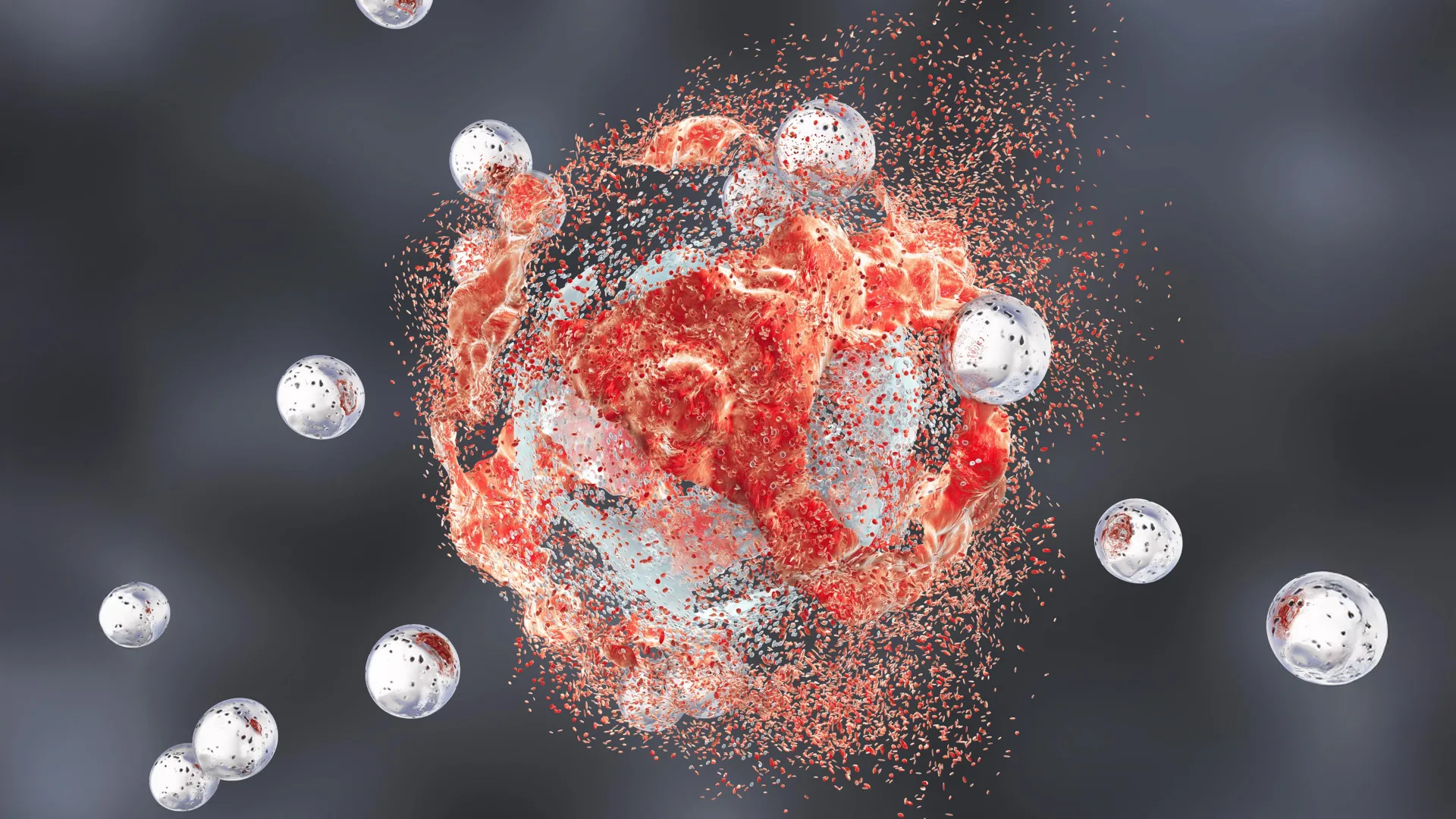
Scientists have identified a previously overlooked type of immune cell that can detect and destroy small cell lung cancer, the most aggressive form of lung cancer worldwide. This landmark discovery, spearheaded by researchers at the Walter and Eliza Hall Institute of Medical Research (WEHI) and published in the prestigious journal Cancer Cell, offers a potential paradigm shift in how clinicians approach the treatment of one of the most recalcitrant malignancies in oncology. Small cell lung cancer (SCLC) has long been characterized by its rapid progression, high rate of metastasis, and its remarkable ability to evade the human immune system. However, the identification of specialized gamma delta (γδ) T cells within these tumors suggests that the body possesses a latent defense mechanism that, if properly harnessed, could significantly improve survival outcomes for thousands of patients.
The Formidable Challenge of Small Cell Lung Cancer
Small cell lung cancer represents approximately 15% of all lung cancer cases globally. Unlike non-small cell lung cancer (NSCLC), which has seen a surge in therapeutic breakthroughs over the last decade, SCLC has remained notoriously difficult to treat. The five-year survival rate remains a sobering 7%, a statistic that has seen little movement despite decades of clinical research. The primary reason for this lack of progress is the biological makeup of the cancer itself. SCLC is characterized by its "immune cold" nature; the tumors are essentially invisible to the standard immune cells—specifically alpha-beta (αβ) T cells—that most modern immunotherapies, such as checkpoint inhibitors, rely upon.
Conventional immunotherapies work by removing the "brakes" on the immune system, allowing αβ T cells to recognize and attack cancer cells. However, for this to work, the cancer cells must display specific markers known as Major Histocompatibility Complex Class I (MHC-I) molecules. SCLC cells frequently downregulate or entirely lose these MHC-I markers, effectively donning a "cloak of invisibility" that allows them to multiply and spread throughout the body undetected by the adaptive immune system.
Unveiling the Gamma Delta T Cell Response
The research team at WEHI, led by Professor Kate Sutherland, discovered that while SCLC is adept at hiding from conventional T cells, it is susceptible to a different, more specialized subset: gamma delta T cells. Unlike their alpha-beta counterparts, γδ T cells do not require the presence of MHC-I molecules to identify a target. Instead, they recognize different stress signals and metabolic changes within the cancer cell.
"For decades, we’ve known that small cell lung cancer is exceptionally good at hiding from the immune system," said Professor Sutherland, a laboratory head at WEHI and the study’s senior author. "We’ve found an immune cell that appears to be able to see through that disguise."
The research provided the strongest evidence to date that these cells are not only present within the SCLC microenvironment but are also actively engaged in fighting the disease. By analyzing patient data, the researchers found a direct correlation between the density of γδ T cells in a tumor and the patient’s overall prognosis. Individuals whose tumors contained higher concentrations of these cells tended to survive significantly longer and responded better to existing treatments.
Experimental Methodology: The Role of "Mini Tumors"
To validate their findings, the WEHI scientists employed cutting-edge laboratory techniques, including the development of "mini tumors" or organoids. These are three-dimensional structures grown from tissue samples donated by patients through the Victorian Cancer Biobank, in partnership with the Royal Melbourne Hospital. These models are far more sophisticated than traditional 2D cell cultures, as they more accurately replicate the complex architecture and behavior of a human tumor.
The researchers introduced γδ T cells, harvested from the same patients’ blood, into these mini-tumor models. The results were immediate and striking: the γδ T cells were able to infiltrate the dense tumor structures and systematically destroy the SCLC cells. This laboratory success provided the "proof of concept" needed to move toward potential therapeutic applications.
A Synergistic Approach Using Existing Medications
One of the most promising aspects of the study is the discovery that the efficacy of γδ T cells can be amplified using drugs that are already approved for other medical conditions. The research team focused on two specific medications: tarlatamab and zoledronate.
Zoledronate is a bisphosphonate typically prescribed to treat osteoporosis or bone complications in cancer patients. However, in the context of SCLC, it serves a different purpose. It triggers a metabolic pathway that makes cancer cells more "visible" to γδ T cells and encourages the proliferation of these immune cells.
Tarlatamab is a newer class of medication known as a bispecific T-cell engager (BiTE), which has recently seen approval for use in SCLC. It acts as a molecular bridge, physically linking T cells to cancer cells. The WEHI study demonstrated that when tarlatamab is used, it can effectively direct γδ T cells toward the SCLC cells, even in environments where the cancer has attempted to shield itself.
When the two drugs were administered in combination within the laboratory models, the results were synergistic. The combined treatment significantly boosted the number of γδ T cells and their killing capacity, leading to a much more robust destruction of the tumor. This suggests that a multi-pronged approach—boosting the immune cell count with zoledronate and directing them with tarlatamab—could be a viable clinical strategy.
Insights from Major Clinical Trials: IMpower133 and CASPIAN
The genesis of this discovery lay in a deep dive into data from two of the most influential clinical trials in recent lung cancer history: IMpower133 and CASPIAN. These trials were instrumental in establishing the use of immunotherapy (specifically PD-L1 inhibitors like atezolizumab and durvalumab) as a first-line treatment for extensive-stage SCLC.
While these trials were considered successful, only a minority of patients saw long-term benefits. The WEHI researchers utilized advanced genomic and computational tools to re-examine the molecular signatures of the patients in these trials. They discovered that the "responders"—those who survived the longest—shared a common genomic signature characterized by high activity of γδ T cells.
This retrospective analysis provided the necessary real-world context for the laboratory findings. It confirmed that γδ T cells were not just a laboratory curiosity but a critical factor in patient survival in the real world. This data-driven approach allowed the team to connect basic biological research with clinical outcomes, providing a roadmap for future personalized medicine.
Future Implications: Adoptive Cell Transfer and Personalized Care
The discovery opens several new avenues for treatment, most notably in the field of adoptive cell transfer (ACT). This process involves extracting a patient’s own immune cells, expanding their numbers by the billions in a specialized laboratory, and then reinfusing them into the patient to launch a massive counterattack against the cancer.
Dr. Jin Ng, the study’s first author, noted that because protocols for expanding γδ T cells already exist for other conditions, the timeline for bringing this to SCLC patients could be shorter than for entirely new drug classes. "As therapies that expand and reinfuse gamma delta T cells already exist, our findings raise the exciting possibility of rapidly translating this discovery into new treatment strategies," Dr. Ng explained.
This approach could lead to a highly personalized form of oncology. Patients could be screened for their γδ T cell levels upon diagnosis. Those with low levels could receive "boosters" like zoledronate or undergo ACT to fortify their immune response, potentially turning a "cold" tumor into a "hot" one that is susceptible to treatment.
Collaborative Efforts and Global Impact
The success of this research is attributed to a massive collaborative effort involving multiple institutions and funding bodies. The WEHI team is currently working alongside experts at the Doherty Institute to refine these findings and move toward the development of a new class of immunotherapy drugs specifically designed to activate γδ T cells.
The study received critical support from several organizations, including:
- Cancer Council Victoria: Providing funding for long-term cancer research initiatives.
- National Health and Medical Research Council (NHMRC): Supporting the foundational science behind the study.
- The CASS Foundation: Assisting in the translation of laboratory research into clinical applications.
- The International Association for the Study of Lung Cancer (IASLC): Facilitating global cooperation and data sharing.
Conclusion: A New Era in Lung Cancer Research
The identification of gamma delta T cells as a potent weapon against small cell lung cancer represents a significant milestone in the fight against aggressive malignancies. By moving beyond the "one-size-fits-all" approach of conventional immunotherapy and focusing on specialized immune pathways, researchers have provided a glimmer of hope for a patient population that has had few reasons for optimism in recent decades.
While further clinical trials are necessary to confirm the safety and efficacy of these drug combinations in humans, the biological foundation laid by WEHI provides a clear path forward. The ability to use existing, approved medications to enhance a newly discovered immune response could revolutionize the standard of care, potentially saving lives and extending the survival of those diagnosed with the world’s most lethal form of lung cancer. As the medical community moves toward more targeted and biology-driven therapies, the γδ T cell may well become the cornerstone of a new generation of SCLC treatments.
