
 By Billy Candra
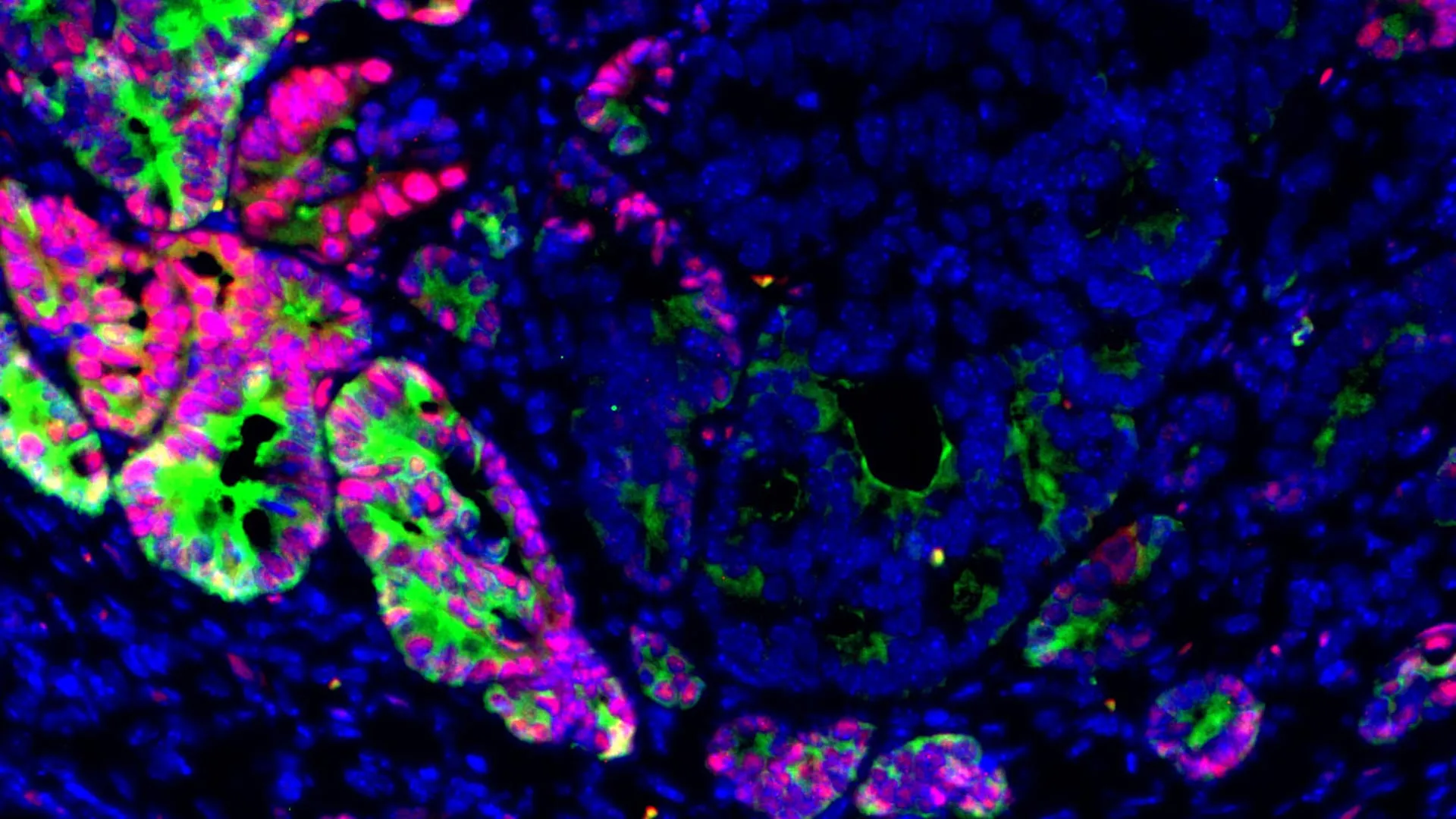
Researchers at Weill Cornell Medicine and the Massachusetts Institute of Technology have identified a key factor that may help colorectal cancer spread to the liver. Their findings suggest that losing GATA6, a transcription factor crucial for controlling gene expression, can push cancer cells into a more primitive and adaptable state, thereby enabling metastasis. This pivotal discovery, published on June 22 in Cell Stem Cell, not only sheds light on the elusive mechanisms behind one of the deadliest aspects of colorectal cancer but also opens new avenues for preventive strategies and targeted therapies. Understanding precisely how this cellular transformation occurs holds immense promise for improving patient outcomes, particularly for those facing advanced stages of the disease where treatment options are severely limited.
The Silent Scourge: Colorectal Cancer and the Lethality of Liver Metastasis
Colorectal cancer (CRC) remains a global health challenge, ranking as the third most commonly diagnosed cancer and the second leading cause of cancer-related deaths worldwide. According to GLOBOCAN 2020 estimates, there are approximately 1.9 million new cases and 935,000 deaths annually. While early detection and treatment of localized CRC boast a relatively high five-year survival rate of around 90%, this figure plummets dramatically to roughly 14% once the cancer metastasizes, or spreads, to distant organs. The liver is the most frequent site of distant metastasis for colorectal cancer, affecting approximately 50% of all CRC patients during the course of their disease. This predilection for the liver is attributed to its unique vascular anatomy, where blood from the intestines drains directly into the hepatic portal system, making it a primary target for circulating cancer cells. The presence of liver metastases fundamentally alters the prognosis, transforming a potentially curable disease into a formidable, often intractable, challenge. For years, the scientific community has grappled with identifying the precise molecular triggers that enable cancer cells to embark on this perilous journey from the primary tumor to a distant organ and establish new colonies.
Unraveling the Mystery: Beyond Genetic Mutations
For decades, much of cancer research has focused on identifying genetic mutations – permanent changes in the DNA sequence – as the primary drivers of cancer development and progression. Scientists have meticulously searched for specific genetic alterations that might initiate or accelerate liver metastasis in colorectal cancer, but clear, consistent driver mutations have largely remained elusive. This led many to believe that metastasis might be a more complex process, driven by factors beyond simple genetic errors.
The new study from Weill Cornell Medicine and MIT points to a different, yet equally profound, mechanism: epigenetic changes. Unlike genetic mutations, which alter the fundamental blueprint of DNA, epigenetic modifications influence which genes are turned on or off without changing the underlying DNA sequence. These changes act like a dimmer switch, regulating gene activity and, consequently, the proteins cells produce. This distinction is crucial, as epigenetic changes are often reversible and offer a potentially broader range of therapeutic targets.
Central to this discovery is GATA6, a transcription factor. Transcription factors are proteins that bind to specific DNA sequences, thereby controlling the rate at which genetic information is copied from DNA to messenger RNA (mRNA) during gene expression. In healthy intestinal cells, GATA6 normally functions as a molecular "identity keeper," ensuring these cells maintain their specialized functions and characteristics. It plays a vital role in cellular differentiation and tissue homeostasis within the gastrointestinal tract. However, the research team found that GATA6 levels are significantly lower in liver metastases analyzed from both mouse models and human patients with colorectal cancer. Furthermore, reduced GATA6 expression was directly correlated with poorer patient outcomes, underscoring its critical role in disease progression.
Dr. Norihiro Goto, assistant professor of medicine in the Division of Gastroenterology & Hepatology at Weill Cornell and co-leader of the research, emphasized this shift in understanding. "We discovered that GATA6 loss acts as a critical switch that can change cancer cells in the primary tumor from non-metastatic to pro-metastatic," Dr. Goto stated. "Our findings suggest that epigenetic changes may be more important for promoting liver metastasis." Dr. Saori Goto, an instructor in medicine at Weill Cornell, served as the first author of the groundbreaking study, working alongside Dr. Omer H. Yilmaz, associate professor of biology at the Massachusetts Institute of Technology, who also co-led the extensive work.
Innovative Research: The Power of Organoid Models in Capturing Early Metastasis
One of the significant challenges in studying metastasis has been the difficulty in observing its earliest stages. When researchers analyze tissue samples from established liver metastases in patients, they often capture the end-stage result, missing the crucial initial signals and transformations that enable the cancer cells to spread. This limitation has historically hindered the development of effective preventive strategies.
To overcome this hurdle and gain a more comprehensive understanding of these nascent metastatic events, the research team developed an innovative laboratory model utilizing organoids. Organoids are miniature, three-dimensional clusters of cells grown in a dish that replicate many of the complex characteristics and functions of real organs or tumors. They bridge the gap between traditional two-dimensional cell cultures, which often lack physiological relevance, and complex in-vivo animal models, offering a more controlled yet biologically faithful system for study.
The scientists derived these organoids from liver metastases. They then took a crucial step: implanting these organoids into the colons of mice. This allowed the organoids to grow into primary tumors within a physiologically relevant microenvironment. Critically, these implanted tumors subsequently formed increasingly aggressive lesions that demonstrated the ability to spread to the liver, mimicking the natural progression of human colorectal cancer. By repeating this process of extracting metastatic cells from the liver, growing new organoids, and reimplanting them into subsequent generations of mice, the team was able to observe how cancer cells gradually acquired and refined their metastatic abilities over successive passages. This iterative approach provided an unprecedented "chronology" of cellular changes leading to full-blown metastasis, allowing them to pinpoint the exact molecular alterations occurring at each stage.
Lineage Plasticity: Cancer’s Adaptability Weapon
Through their meticulous organoid-based experiments, the researchers uncovered that the loss of GATA6 profoundly promotes what is known as lineage plasticity. Lineage plasticity is the remarkable ability of cells to alter their identity, specialized function, and behavior, essentially switching from one cellular fate to another. When GATA6 was absent, colorectal cancer cells activated alternative genetic programs, shedding their mature, differentiated intestinal cell identity. Instead, they adopted a more flexible, primitive, and highly adaptable "fetal-like" state.
This cellular reprogramming is a normal biological process essential for development, tissue regeneration, and wound repair. For instance, during injury, mature cells can de-differentiate and re-differentiate to facilitate healing. However, cancer cells appear to hijack this innate biological machinery, turning it into a powerful weapon for survival and dissemination. These transformed, fetal-like cells, stripped of their GATA6-enforced identity, were significantly better equipped to survive the harsh journey through the bloodstream, evade immune surveillance, and establish themselves as new tumors in distant organs like the liver.
One compelling sign of this heightened plasticity was the appearance of cells lacking LGR5. LGR5 (Leucine-rich repeat-containing G-protein coupled receptor 5) is a well-established marker for intestinal stem cells, typically associated with rapid proliferation and tissue renewal. Earlier research had indicated that LGR5-negative cells possess an enhanced capacity to initiate liver metastases. The new study definitively demonstrated that the shutdown of GATA6 activity causes cancer cells to transition from an LGR5-positive state to an LGR5-negative state. These LGR5-negative, fetal-like cells are the ones that display the critical ability to spread to other organs. Conversely, when the researchers genetically restored GATA6 activity, or activated related pathways that mimic its function, they observed a significant reduction in the metastatic potential of colorectal cancer cells. This clear causal link solidified GATA6’s role as a master regulator of metastatic potential.
Dr. Norihiro Goto, who is also a member of the Jill Roberts Institute for Research in Inflammatory Bowel Disease and the Sandra and Edward Meyer Cancer Center at Weill Cornell, further elaborated on the experimental validation. "When we genetically delete GATA6, the frequency and burden of liver metastases in mouse models significantly increase, while having little effect on primary tumor growth," he explained. This crucial observation highlights that GATA6 loss specifically drives metastasis rather than simply accelerating the growth of the primary tumor. Based on these findings, the researchers propose a paradigm shift: metastasis may depend more on these specific transitions between cellular states – the acquisition of lineage plasticity – than on how rapidly a primary tumor grows or how large it ultimately becomes.
Implications for Patient Care: A Dual Promise for Diagnosis and Treatment
The discovery of GATA6’s role has profound implications for both the diagnosis and treatment of colorectal cancer, offering a dual promise for improving patient care.
1. Biomarker Potential: The findings raise the exciting possibility that GATA6 levels could serve as a novel biomarker for assessing metastatic risk. Tumors exhibiting low GATA6 expression may be more likely to harbor cells capable of undergoing this metastasis-promoting cellular state switch. Such a biomarker could empower clinicians to identify patients at a higher risk of developing liver metastases much earlier in their disease course. This information could then guide more personalized and aggressive treatment strategies, including closer monitoring, prophylactic interventions, or the selection of systemic therapies specifically tailored to counteract the metastatic process. Early identification of high-risk patients could lead to more timely and effective interventions, potentially preventing the spread of cancer before it becomes untreatable.
2. Therapeutic Avenues: Beyond diagnosis, the study points towards a compelling new therapeutic strategy. This approach would focus on maintaining cellular identity or, conversely, preventing cancer cells from entering these highly flexible, pro-metastatic states. If researchers can develop drugs that either restore GATA6 function, prevent its loss, or block the epigenetic machinery that drives lineage plasticity, they could potentially halt the metastatic cascade. This would represent a significant departure from current therapies, which primarily target rapidly dividing cells or specific genetic mutations.
However, Dr. Norihiro Goto acknowledges the inherent complexities in developing such therapies. A key challenge will be to specifically target these cancer-driven processes without interfering with normal tissue repair and regeneration, which rely on similar biological programs of cellular plasticity. The goal would be to find vulnerabilities unique to GATA6-deficient cancer cells that are not shared by healthy regenerating tissues, thereby minimizing side effects. This careful balance will be critical for the clinical translation of these findings.
The Road Ahead: Future Research Directions
The current study represents a foundational step, and the research team has outlined ambitious plans for future investigations. A primary focus will be to identify specific vulnerabilities unique to GATA6-deficient cancer cells. By understanding what makes these plastic, fetal-like cells particularly susceptible, new therapies could be developed that selectively target and eliminate them, leaving healthy cells unharmed. This could involve exploring novel drug compounds or repurposing existing medications that affect epigenetic pathways or cellular differentiation.
The team also plans to delve deeper into the intricate interplay between the tumor and its microenvironment. This includes investigating how various components within the liver, such as immune cells, stromal cells, and liver-specific signaling molecules, influence these crucial cellular transitions in preclinical models. The microenvironment is known to play a critical role in supporting metastatic growth, and understanding its interaction with GATA6-loss driven plasticity could reveal additional therapeutic targets.
"In addition to treating primary tumors, we need to find strategies to target the mechanism of liver metastasis," Dr. Norihiro Goto reiterated. "Our study is a significant step toward developing therapies that block the spread of cancer at the earliest stages, offering new hope for patients facing this formidable disease."
This research underscores the power of collaborative science, bringing together leading institutions like Weill Cornell Medicine and the Massachusetts Institute of Technology. The extensive support from a diverse array of funding bodies, including the Astellas Foundation, Research Abroad from Japan Society for the Promotion of Science, the National Institutes of Health (grants R00AG076987, 01CA254314, 5U01CA25055, R01CA258523, R01CA25723, R01DK133919, R01DK140310, R01CA299955, and 3OT2CA297570), Pew-Stewart Trust, AFAR and Glenn Foundation for Medical Research Breakthroughs in Gerontology, Kenneth Rainin Foundation, Crohn’s & Colitis Foundation, and Mark Foundation for Cancer Research, highlights the critical importance and broad recognition of this work in the ongoing fight against cancer. The journey from discovery to clinical application is often long and arduous, but this groundbreaking research on GATA6 loss and lineage plasticity offers a beacon of hope for transforming the prognosis of colorectal cancer patients.
