
 By Lina carolina
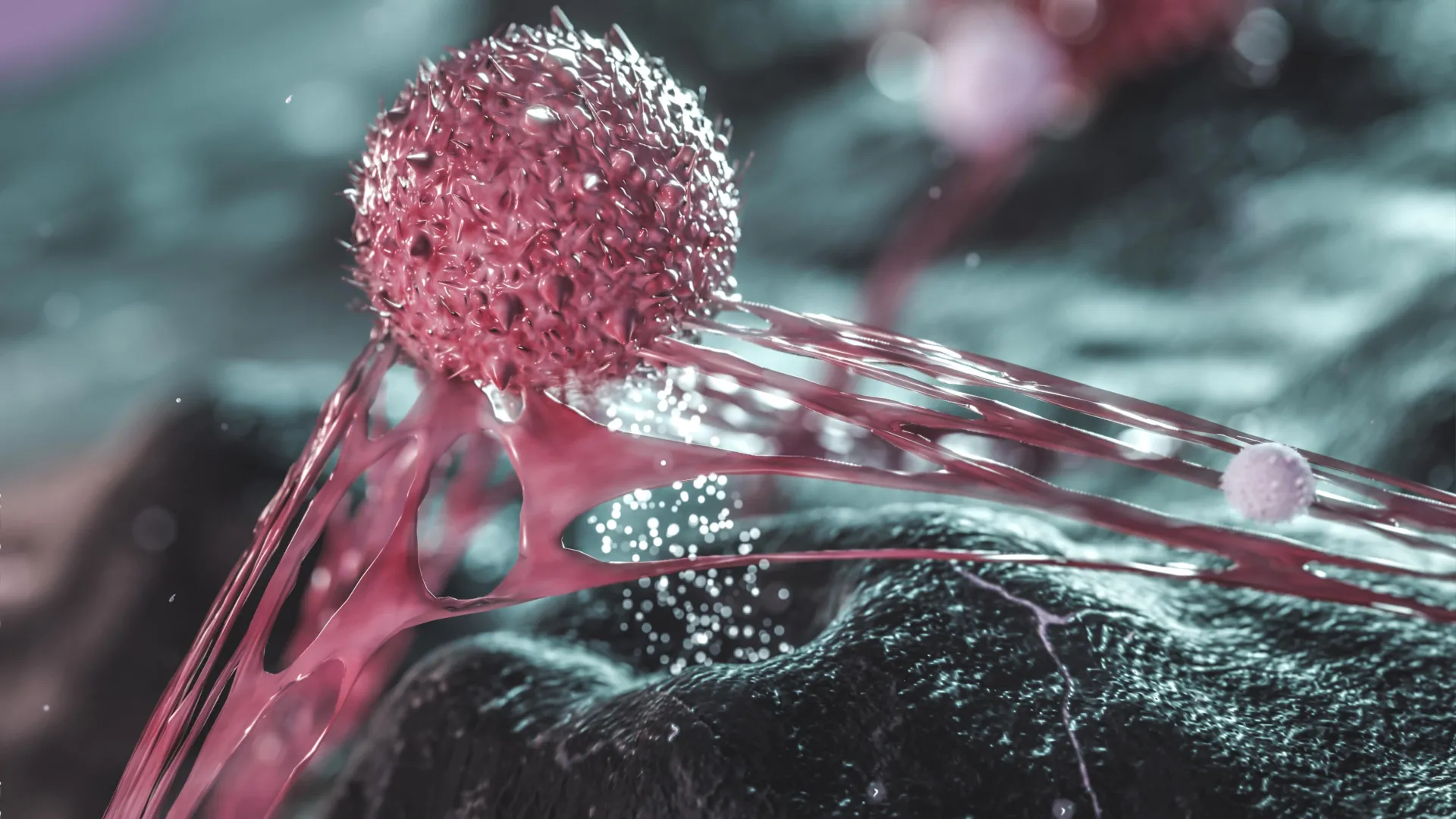
Researchers have unveiled a revolutionary cellular atlas of breast tumors, a complex ecosystem where distinct regions harbor actively dividing cancer cells alongside populations of dormant, or quiescent, cancer cells. This groundbreaking work, published in the esteemed journal Genome Medicine, was spearheaded by a collaborative effort between scientists at the MRC Laboratory of Medical Sciences (LMS), Imperial College London, and the UCL Genetics Institute. The findings illuminate a critical aspect of tumor biology: these seemingly inactive cancer cells are often ensconced within a protective microenvironment, shielded by immune and connective tissue cells, which may significantly hinder the efficacy of current cancer therapies and contribute to disease recurrence.
The implications of this research extend far beyond a deeper understanding of tumor architecture. It strongly suggests that future therapeutic strategies must evolve beyond solely targeting rapidly proliferating cancer cells. Instead, a more comprehensive approach is warranted, one that meticulously targets these dormant cancer cells and the intricate local environments that sustain them. The ultimate goal is to achieve not only the immediate suppression of tumor growth but also to substantially reduce the long-term risk of the disease returning. This paradigm shift signifies a move towards more holistic and potentially more effective cancer treatment paradigms.
The Complex Architecture of Breast Tumors: Beyond Rapid Proliferation
Breast tumors have long been understood as heterogeneous entities, but this new research provides an unprecedented level of detail into their internal organization. They are not monolithic masses of cancerous cells but rather intricate ecosystems comprising a diverse array of cell types. Interspersed with the aggressively multiplying cancer cells are various immune cells, instrumental in the body’s response to the tumor, and newly formed blood vessels that supply essential nutrients. However, the most concerning discovery lies in the identification of a distinct population of cancer cells that remain unusually quiescent, exhibiting minimal cellular activity.
These dormant, or ‘quiescent’, cells possess a formidable ability to evade the effects of many conventional cancer treatments. Their survival within the tumor microenvironment raises a significant concern: their potential to later reactivate, drive further tumor spread (metastasis), or contribute to the reappearance of the disease after initial treatment has concluded. Motivated by the need to understand the spatial distribution, unique characteristics, and cellular neighbors of these elusive cells in untreated tumors, the research team embarked on their ambitious mapping project.
Genesis of the Cellular Map: A Timeline of Discovery
The genesis of this research can be traced back to a growing appreciation within the oncology community for the role of cellular dormancy in cancer progression and treatment resistance. While traditional cancer therapies have largely focused on eliminating rapidly dividing cells, evidence has been mounting that a significant proportion of treatment failures and relapses are linked to cells that enter a state of temporary stasis. Recognizing this critical gap in knowledge, researchers at the LMS, Imperial College London, and UCL Genetics Institute joined forces, leveraging their respective expertise in cell biology, genetics, and computational analysis.
The project commenced with the extensive collection and curation of publicly available datasets pertaining to breast cancer tumors. This initiative, spanning several years of data acquisition and initial analysis, laid the groundwork for the intricate mapping process. The computational biology team at UCL, led by Dr. Maria Secrier, played a pivotal role in developing advanced algorithms capable of integrating and interpreting the vast amounts of single-cell data. Concurrently, the experimental teams at LMS and Imperial College London refined and applied cutting-edge technologies to generate high-resolution cellular profiles. The culmination of this multi-year effort was the construction of detailed cellular maps, revealing distinct clusters of quiescent cells and their immediate surroundings.
Unveiling Hidden Cell Populations: The Power of Advanced Technologies
To achieve this unprecedented level of detail, the researchers employed a sophisticated combination of cutting-edge technologies. They utilized single-cell RNA sequencing, a powerful technique that dissects the genetic activity of individual cells by revealing which genes are actively being transcribed. This allows scientists to understand the unique functional state of each cell. Crucially, this was integrated with spatial transcriptomics, a revolutionary technology that not only identifies the genes being used by individual cells but also precisely maps their location within the tumor tissue. This dual approach enabled the team to visualize not just what the cells were doing, but also where they were situated and who their neighbors were.
"We found cells that resemble therapy-resistant cells already residing in the tumor before we give any treatment," explained Dr. Maria Secrier, co-lead author and Head of Computational Biology at UCL. This observation is particularly significant, suggesting that certain characteristics associated with treatment resistance may not solely emerge as a response to therapy but could be pre-existing traits within the tumor. The researchers observed this pattern across both aggressive forms of breast cancer and slower-developing subtypes, a finding that challenged previous assumptions that quiescence was primarily linked to less aggressive disease.
The Dangerous Nature of Dormant Cancer Cells: A Closer Look
Dr. Alexis Barr, co-lead author and Head of the Cell Cycle Control group at the LMS, articulated the inherent danger posed by these quiescent cancer cells. "Quiescent cancer cells are very dangerous," he stated. "These cells can hide from chemotherapy and then remain in this dormant quiescent state in the tumor, and then later reactivate to drive proliferation."
Cancer cells can enter this dormant state as a survival mechanism in response to the harsh and stressful conditions that often characterize a rapidly growing tumor. As tumors expand, their blood supply and nutrient delivery may not always keep pace with the demand, leading to areas of oxygen and nutrient deprivation. In such environments, some cancer cells effectively "put the brakes" on their growth, entering a state of suspended animation. This is analogous to a hibernating animal, conserving energy and waiting for more favorable conditions to re-emerge. In the context of cancer, this favorable condition may arise after treatment has seemingly eradicated the active tumor.
Dr. Barr further emphasized the imperative of addressing these dormant cells: "If we want to achieve long-term control of people’s tumors and prevent tumor relapse, we have to focus on these dormant quiescent cancer cells, and have to understand more about them." This underscores the shift in focus required for future therapeutic development.
Mapping the Neighborhoods: Protective Enclaves Revealed
The research extended beyond characterizing the dormant cancer cells themselves to meticulously analyzing the diverse supporting cell types that constitute the tumor microenvironment. A striking and consistent pattern emerged from this detailed analysis: dormant cancer cells were frequently found in close proximity to specific types of immune and connective tissue cells.
Specifically, these quiescent cells were often located near CXCL10-positive macrophages, a type of immune cell known to play complex roles in both anti-tumor immunity and tumor promotion, and myofibroblastic cancer-associated fibroblasts (CAFs), a class of cells that play a crucial role in supporting tumor growth and progression.
The researchers hypothesize that these surrounding cells may be actively recruited to or altered within the tumor microenvironment in ways that confer protection to the dormant cancer cells. One prominent theory is that they form a physical or biochemical barrier, effectively shielding the inactive cancer cells from cancer-killing immune cells or preventing therapeutic agents from reaching them.
"The cancer cells are really encapsulated within these areas of macrophages and fibroblasts that we think act as shields for these dormant cancer cells," explained Dr. Secrier. However, she also acknowledged the complexity of this interaction, noting, "But we don’t yet know the direction of cause and effect: whether the surrounding cells push cancer cells into dormancy or if the cancer cells attract or alter their surroundings. It’s very likely coming from both sides." This intricate crosstalk between cancer cells and their microenvironment represents a critical area for future investigation.
Implications for Treatment: Tailoring Therapies to Tumor Heterogeneity
The findings have profound implications for how breast cancer is treated. Many conventional chemotherapy drugs are designed to target and kill cells that are actively dividing. Dormant cells, by their very nature, are not undergoing rapid proliferation, making them significantly more resistant to these agents.
The research strongly suggests that different regions within the same tumor may require distinct therapeutic approaches. The discovery of increased activity in the complement pathway – a component of the immune system – within the niches occupied by dormant cells is particularly intriguing. This raises the exciting possibility that treatments specifically designed to target this pathway could render these dormant cell populations more vulnerable to attack.
Furthermore, the supportive cells surrounding dormant cancer cells present another potential avenue for therapeutic intervention. However, significant research is still needed to definitively establish whether these stromal cells actively maintain cancer cell dormancy and how critical they are to the overall survival of these quiescent cancer cells.
"Different parts of the tumor will likely respond to different drugs," Dr. Secrier emphasized. "If we understand what drug combinations we can use to target both the proliferative and the dormant areas, potentially that could be more successful than current therapies. This is giving us a first insight into how we can then intervene with different therapeutics that specifically target different areas of the tumor where the cells have adapted and have evolved differently."
Dr. Barr echoed this sentiment, highlighting the understudied nature of dormant cells: "It is clearly important to focus on proliferative cancer cells, but we also need to understand this population of quiescent dormant cancer cells. And that’s been less studied."
A New Frontier in Cancer Therapy: Towards Durable Remission
While the hypotheses generated by this advanced cellular mapping still require rigorous experimental validation, the ability to precisely locate pre-existing, treatment-resistant regions within tumors and to understand the supporting cellular infrastructure is a significant step forward. This knowledge has the potential to pave the way for the development of more effective, combination cancer therapies that address the full spectrum of tumor biology.
By creating detailed maps of quiescent cells and their surrounding microenvironments, scientists are gaining invaluable insights into the complex mechanisms that drive cancer persistence and recurrence. This understanding could ultimately empower researchers to design therapeutic strategies that simultaneously attack the rapidly growing, active portions of a tumor while also neutralizing the dormant cells that possess the capacity to survive treatment and reawaken later. This represents a promising new frontier in the fight against breast cancer, offering a potential pathway towards achieving longer-lasting remissions and improving patient outcomes.
The research was primarily funded by a UKRI Future Leaders Fellowship, the Medical Research Council, and the Biotechnology and Biological Sciences Research Council, underscoring the significant investment and recognition of the importance of this work within the scientific community.
