
 By admin
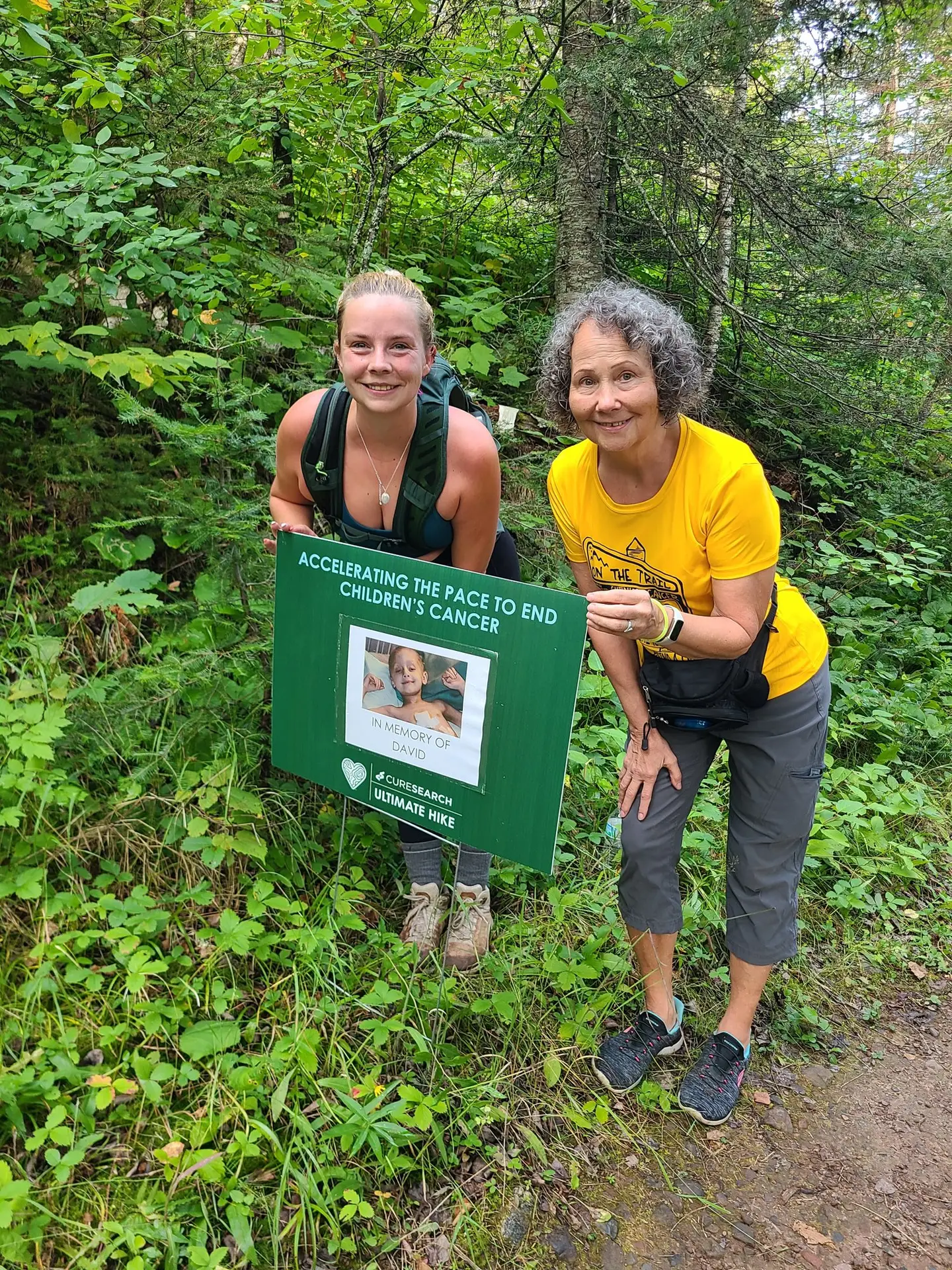
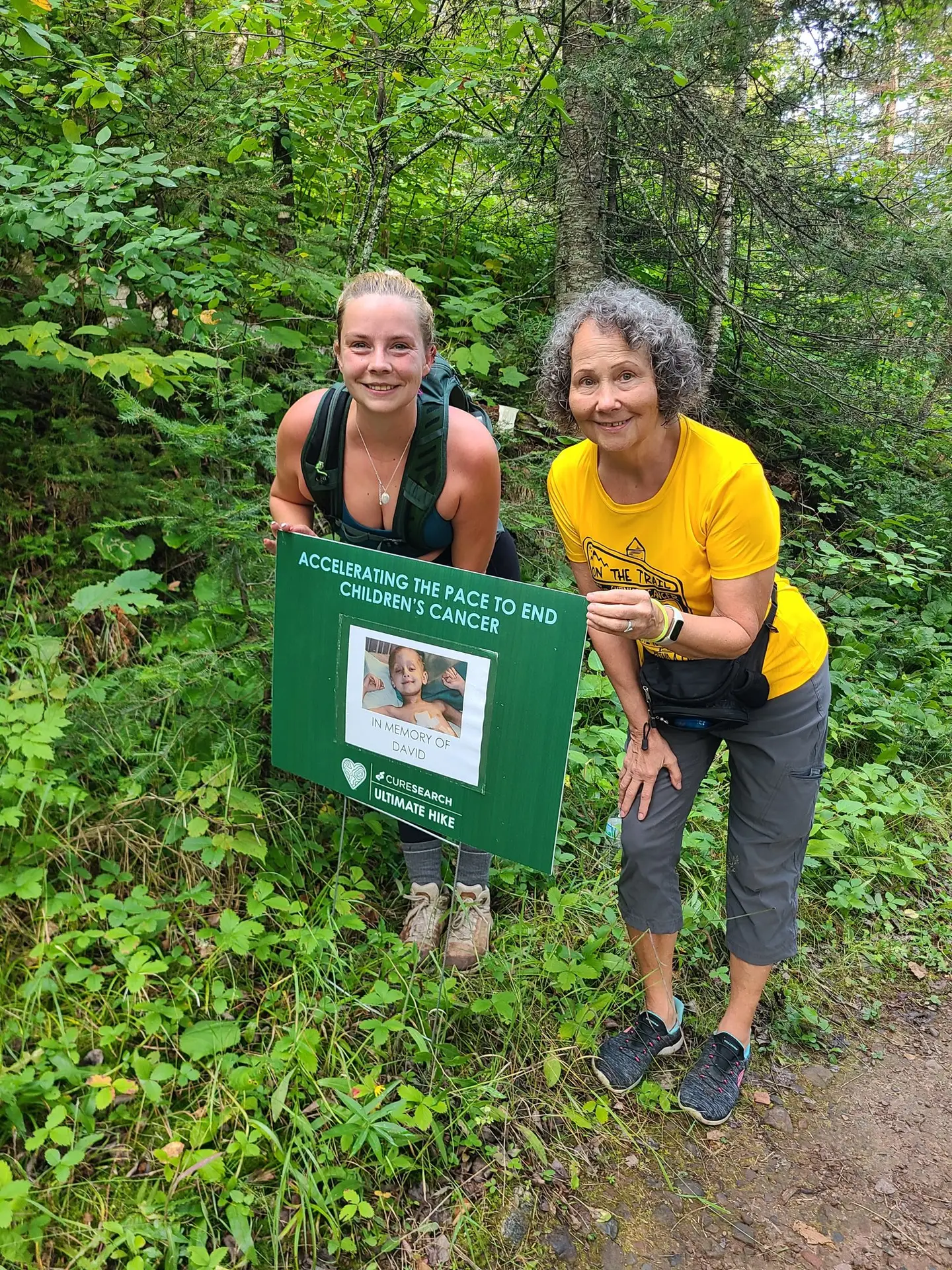
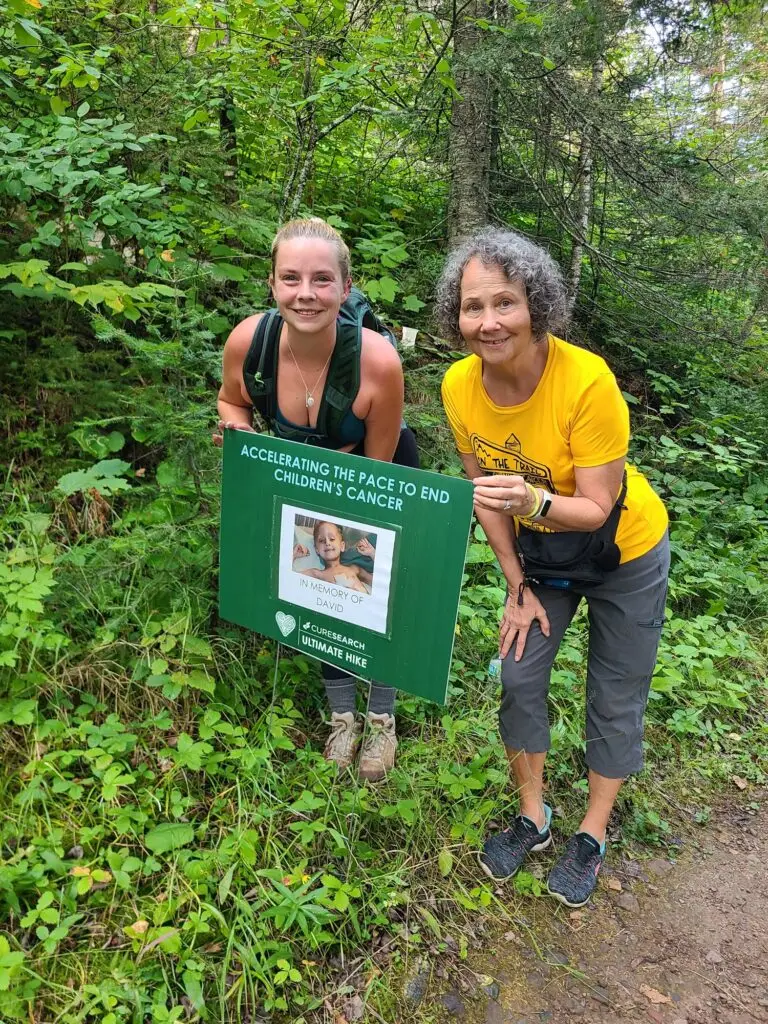
In the rugged wilderness of Minnesota’s North Shore, where the Superior Hiking Trail winds through dense forests and over ancient volcanic rock, a story that began more than a quarter-century ago is preparing for its next chapter. This August, two women—Michele Benyo and Alicia, a childhood friend of Michele’s late son—will embark on a 25.5-mile journey known as the CureSearch Ultimate Hike. Their objective is twofold: to honor the memory of David Benyo, who passed away in 2000 at the age of six, and to raise critical funds for pediatric cancer research. This endurance event serves as a poignant intersection of personal grief, community resilience, and the ongoing scientific battle against rhabdomyosarcoma, a rare and aggressive form of childhood cancer.
The narrative of David Benyo is one that reflects both the harrowing realities of pediatric oncology in the late 1990s and the enduring bonds formed in the shadow of illness. Diagnosed in December 1997, David’s battle became a defining era for his family and his community in Minnesota. Over the course of two and a half years, David underwent a grueling regimen of chemotherapy, surgery, and radiation. His story is not merely one of medical statistics, but of a spirited child who famously declared himself a "cheetah" to the nurses at Minneapolis Children’s Hospital—a nickname that symbolized his ferocity in the face of invasive procedures and long hospital stays.
A Chronology of Resilience and Loss
The timeline of David’s illness provides a window into the evolution of pediatric cancer treatment. Following his initial diagnosis of a grapefruit-sized tumor, the medical team employed a standard-of-care approach for the era. By 1998, the treatment appeared successful; the tumor retreated, and David was granted a period of relative health. This window allowed the Benyo family to participate in a Make-A-Wish trip to Disney World, a milestone often cited by families of terminally ill children as a crucial reprieve from the clinical environment of oncology wards.
However, the nature of rhabdomyosarcoma—a cancer that develops from skeletal muscle cells—is notoriously unpredictable. Shortly after returning from his trip, David’s cancer relapsed, migrating to his bone marrow. The medical response was aggressive, involving high-dose chemotherapy and what was then a pioneering procedure: one of the first pediatric stem cell transplants performed at Minneapolis Children’s Hospital. While the transplant successfully induced a second remission, the victory was short-lived. When the cancer returned for a second time, the limits of contemporary medicine had been reached.
In a profound display of autonomy for a child not yet seven years old, David communicated to his family that he no longer wished to pursue treatment. He passed away in May 2000. The loss left a permanent void in his family, articulated most sharply by his younger sister, who told her mother at the time, "Mommy, half of me is gone." Among those left to navigate this loss was Alicia, David’s kindergarten classmate and church friend.
The Long Road of Grief and Reconnection
For Alicia, the death of her "first friend" created a complex relationship with the concept of cancer. In the years following David’s passing, she avoided the subject entirely, a common psychological response in children who experience early-life bereavement. Despite the distance she kept from the disease, she maintained a steadfast connection with David’s mother, Michele. This bond culminated in a significant gesture during Alicia’s high school graduation, where she presented Michele with a locket containing David’s photograph. Alicia’s statement at the time—that David had "walked across the stage" with her—underscored the persistent presence of his memory in her life.
Today, Alicia serves as a special needs teacher at the same elementary school she and David attended. Her return to the cause of pediatric cancer research was precipitated by a second personal tragedy: the recent loss of her mother to cancer. Her mother had been David’s Sunday school teacher and a central figure in the support network that surrounded the Benyo family in the late 1990s. This dual loss transformed Alicia’s previous avoidance into a drive for advocacy, leading her to join Michele for the upcoming CureSearch Ultimate Hike.
The Medical Landscape: Understanding Rhabdomyosarcoma
Rhabdomyosarcoma (RMS) remains a significant challenge in pediatric oncology. According to data from the American Cancer Society, RMS accounts for approximately 3% of all childhood cancers. While the five-year survival rate for localized RMS has improved to roughly 70% to 90% depending on the subtype, the prognosis for patients with metastatic or relapsed disease—like David—remains significantly lower, often falling below 30%.
The two primary types of RMS are embryonal and alveolar. Embryonal RMS typically affects children under the age of five and has a more favorable prognosis. Alveolar RMS, which often occurs in older children and teens, is generally more aggressive. David’s journey through multiple remissions and relapses highlights the critical need for "second-line" treatments and more effective protocols for refractory cases. Organizations like CureSearch for Children’s Cancer focus specifically on these gaps, funding research that seeks to move beyond traditional toxic chemotherapies toward targeted therapies and immunotherapies that offer better outcomes with fewer long-term side effects.
The CureSearch Ultimate Hike: A Platform for Change
The Ultimate Hike is a flagship fundraising program for CureSearch, designed to challenge participants physically while raising funds for pediatric cancer research. The Superior Hiking Trail (SHT) in Minnesota provides a demanding backdrop for this effort. Known for its "rugged, beautiful" terrain, the SHT features significant elevation changes and technical footpaths that require months of training.
The 25.5-mile trek undertaken by Michele and Alicia is more than a physical feat; it is a strategic fundraising mechanism. CureSearch utilizes the proceeds from these hikes to fund clinical trials and laboratory research that might otherwise struggle to find backing. Unlike adult cancers, which receive significant funding from pharmaceutical companies due to larger patient populations, pediatric cancers are often classified as "orphan diseases," making non-profit funding essential for innovation.
A spokesperson for CureSearch noted the importance of such community-driven events: "The Ultimate Hike is unique because it brings together those who have been most affected by childhood cancer—parents, survivors, and friends—to take tangible action. The funds raised by hikers like Michele and Alicia are directly funneled into the most promising research projects across the country, aimed at finding cures for the most difficult-to-treat pediatric cancers."
Broader Implications of Community Advocacy
The participation of Michele and Alicia highlights a growing trend in the "philanthro-sport" sector, where endurance events are used to process trauma and build community. For Alicia, the hike represents a reconciliation with a painful past and an opportunity to honor both her friend and her mother. For Michele, it is a continuation of a 27-year mission to ensure that other families do not face the same outcome David did.
The impact of David’s "cheetah" spirit continues to resonate. By turning a story of loss into a 25.5-mile march for progress, these participants are contributing to a body of research that has already seen significant strides since the year 2000. In the decades since David’s death, the field of pediatric oncology has seen the rise of precision medicine, the refinement of stem cell transplant protocols, and a deeper understanding of the genetic drivers of sarcomas.
Analysis: The Future of Pediatric Oncology Funding
The necessity of events like the Ultimate Hike is underscored by the disparity in federal research funding. Data from the National Cancer Institute (NCI) indicates that while overall cancer research funding has increased, the portion dedicated specifically to pediatric cancers often hovers around 4% of the total budget. This "4% problem" has forced organizations like CureSearch to bridge the gap through private donations and grassroots initiatives.
The work funded by these efforts is increasingly focused on survivorship as well as cure. Because children’s bodies are still developing, the long-term "late effects" of radiation and high-dose chemotherapy can be devastating, leading to secondary cancers, heart disease, or cognitive impairments. The goal of modern research is to develop treatments that are as gentle as they are effective—a goal that Michele and Alicia are helping to realize with every mile they cover on the Superior Hiking Trail.
As the August hike approaches, the story of David Benyo serves as a reminder that while some lives are cut short, their influence can stretch across decades. The "cheetah" who fought so fiercely in a Minneapolis hospital room now serves as the inspiration for a journey through the Minnesota woods, proving that in the fight against pediatric cancer, no step is taken in vain and no memory is ever truly lost. Those interested in supporting the mission or participating in future hikes are encouraged to visit the CureSearch website to learn how they can contribute to changing the odds for children diagnosed with cancer.
