
 By Gabriel Paijo
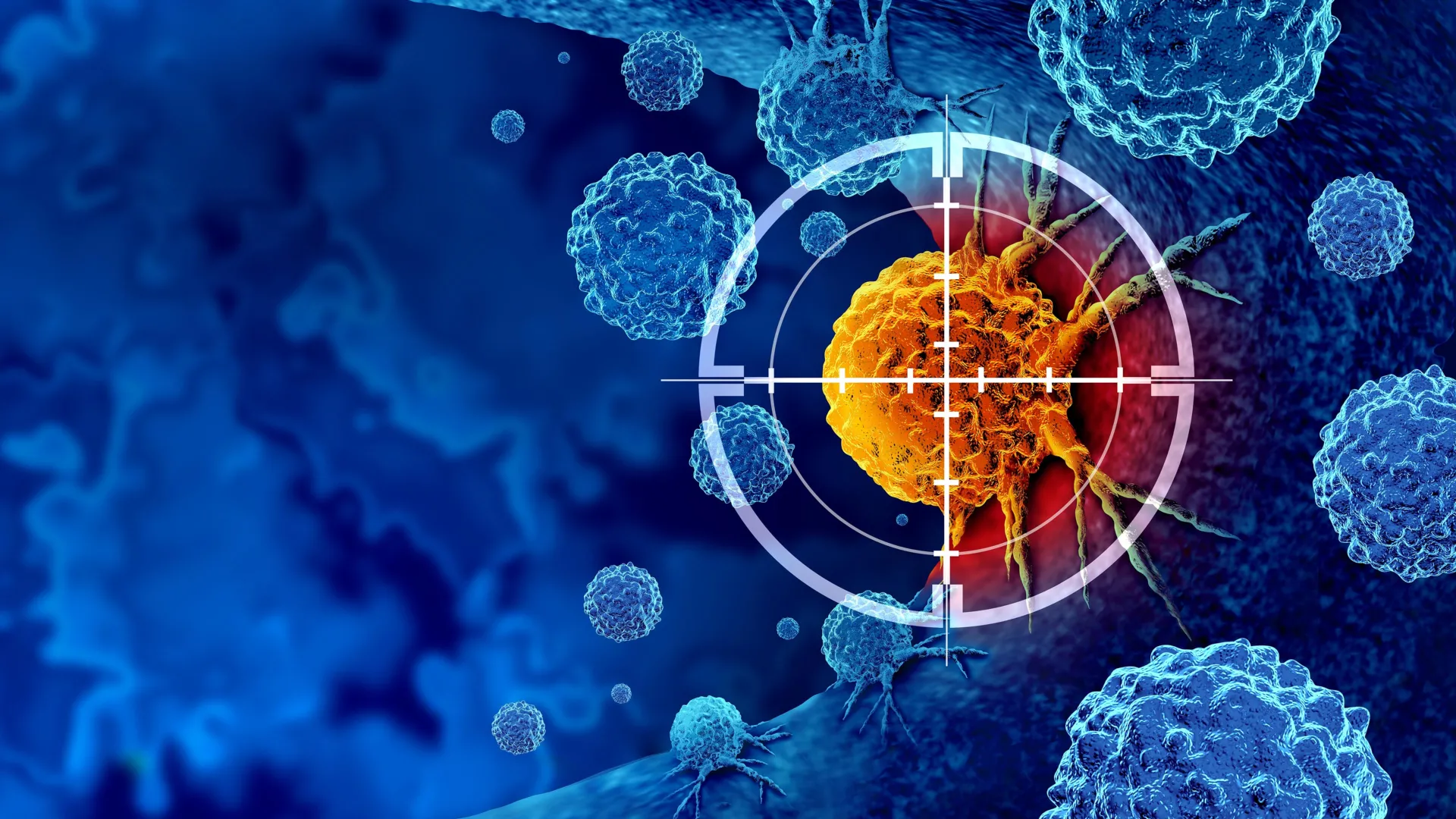
In a significant advancement for precision oncology, researchers from the Duke University School of Medicine and the University of Rochester have developed a pioneering CRISPR-based RNA targeting technology designed to dismantle the defenses of "immune cold" prostate tumors. The study, recently published in the journal Nature Biomedical Engineering, details a method to manipulate messenger RNA (mRNA) within cancer cells, effectively forcing tumors to reveal themselves to the body’s natural immune defenses. By restoring the visibility of malignant cells, the technology potentially transforms prostate cancer from a disease that is notoriously resistant to immunotherapy into one that is highly vulnerable to modern cancer-fighting treatments.
Prostate cancer remains one of the most significant health challenges for men globally. According to the American Cancer Society, it is the second leading cause of cancer death among men in the United States, with over 299,000 new cases and approximately 35,000 deaths projected for 2024. While early-stage prostate cancer often responds well to surgery, radiation, or hormone therapy, metastatic and castration-resistant forms of the disease present a much bleaker prognosis. For these patients, immunotherapy—a treatment class that leverages the immune system to destroy cancer—has long been viewed as a beacon of hope. However, in practice, immunotherapy has largely failed to produce the same "miracle" results in prostate cancer that it has in melanoma or lung cancer.
The Challenge of the "Immune Cold" Environment
The primary obstacle in treating prostate cancer with immunotherapy is its status as an "immune cold" tumor. In oncology, tumors are categorized as "hot" or "cold" based on the presence and activity of T cells, the specialized white blood cells responsible for identifying and killing abnormal cells. Hot tumors, such as those found in many skin cancers, are teeming with T cells, making them easy targets for drugs like pembrolizumab (Keytruda) or nivolumab (Opdivo), which act by "releasing the brakes" on the immune system.
Conversely, cold tumors like those found in the prostate are characterized by an "immune desert." They employ various biological mechanisms to exclude T cells from the tumor microenvironment or to render themselves invisible to the T cells that do manage to infiltrate. Without a significant T cell presence, traditional immune checkpoint inhibitors have nothing to activate, rendering the treatment ineffective. The newly developed RNA targeting technology aims to solve this fundamental problem by fundamentally altering the molecular signaling of the tumor.
A Twelve-Year Journey: From Discovery to Application
The foundation for this breakthrough was laid twelve years ago by a research team led by Eric J. Wagner, PhD, now a professor of Biochemistry and Biophysics and co-director of the Center for RNA Biology at the University of Rochester Medicine. In 2012, while investigating glioblastoma—a highly aggressive form of brain cancer—Wagner’s team observed a curious phenomenon: many mRNA molecules in tumor cells were significantly shorter than their counterparts in healthy cells.
To understand the significance of this, one must look at the role of mRNA. In the "central dogma" of biology, DNA acts as the blueprint, and mRNA acts as the messenger that carries instructions to the cell’s protein-making machinery. Wagner’s research, along with subsequent studies, revealed that cancer cells often truncate the "tails" of these mRNA molecules. This shortening, known as 3′ UTR (untranslated region) shortening, serves a survival purpose for the tumor.
Shortened mRNAs are more stable and compact. Much like a hedgehog curling into a ball for protection, these compact molecules have less surface area exposed to the enzymes that normally break down mRNA once its job is done. Consequently, these shortened messages persist longer within the cell, leading to an overproduction of specific proteins that help the cancer adapt, resist treatment, and evade the immune system.
The SPSB1 Pathway and MHC-1 Suppression
In the current study, the collaborative team identified a specific chain of events that explains how mRNA shortening contributes to the "cold" status of prostate tumors. The researchers focused on a protein called SPSB1. Under normal conditions, SPSB1 levels are tightly regulated. However, in prostate cancer cells, the mRNA responsible for producing SPSB1 is frequently shortened, making it highly stable and leading to an overabundance of the protein.
The surplus of SPSB1 triggers a devastating effect on the tumor’s visibility. It leads to the degradation of the MHC-1 (Major Histocompatibility Complex class 1) complex. MHC-1 acts as a molecular "flagpole" on the surface of cells, displaying fragments of proteins from inside the cell. For T cells, these MHC-1 flags are the primary way they distinguish a healthy cell from one that is infected or malignant. When prostate cancer cells use SPSB1 to dismantle these flags, they effectively become invisible to the immune system. T cells may be nearby, but they cannot "see" the cancer cells to initiate an attack.
Engineering a CRISPR Solution for RNA
To counter this cloaking mechanism, the researchers utilized a specialized version of CRISPR technology. While traditional CRISPR-Cas9 is famous for its ability to cut and edit DNA, this team utilized CRISPR-Cas13, which targets RNA. Crucially, they did not use the tool to cut the RNA. Instead, they engineered a "deactivated" or "catalytically dead" version of the protein to act as a physical block.
By directing this CRISPR tool to a specific site on the SPSB1 mRNA, the researchers prevented the cancer cell’s machinery from shortening the molecule’s tail. This forced the mRNA to remain at its natural, longer length. As predicted by Wagner’s earlier research, the longer mRNA was less stable and was more easily degraded by cellular enzymes. This resulted in a significant reduction in SPSB1 protein levels.
With the SPSB1 "blocker" removed, the cancer cells were once again able to produce and display the MHC-1 complex on their surfaces. The results in laboratory mouse models were profound. Once the MHC-1 flags were restored, the tumors became "hot." T cells flooded into the tumor site, and when combined with standard immune checkpoint therapy, the tumors were successfully attacked and destroyed.
Data and Safety Profiles
A critical component of the study was the rigorous testing for "off-target" effects. One of the primary concerns with any CRISPR-based therapy is the risk that the tool might inadvertently affect other genes or molecules, leading to unintended side effects. The researchers performed a comprehensive genomic analysis and found no detectable off-target effects from the experimental Cas13 treatment. This high level of specificity is essential for moving the technology toward human clinical trials.
Furthermore, the study highlighted the synergistic potential of this technology. It does not replace existing immunotherapies; rather, it acts as a "primer" that makes them effective in previously non-responsive environments. "Our tool strengthens the immune system’s ability to make the cancer go away and could be used in conjunction with existing immunotherapies in prostate and potentially other immune-cold tumor types," Dr. Wagner stated.
Broader Implications for Oncology
The success of this preclinical model has significant implications for the broader field of oncology. Prostate cancer is not the only "immune cold" malignancy; pancreatic cancer, ovarian cancer, and certain types of breast cancer also exhibit similar resistance to immunotherapy.
The research team has already begun expanding their scope. Wagner, who is a member of the Wilmot Cancer Institute’s Genetics, Epigenetics and Metabolism research program, recently secured pilot funding from the Wilmot Cancer Institute and the Roswell Park Comprehensive Cancer Center. This funding will be used to test the RNA-lengthening technology in pancreatic cancer models. Pancreatic cancer is currently one of the most lethal malignancies, with a five-year survival rate of only about 13%, largely because it is almost entirely resistant to current immunotherapy options.
Future Outlook and Clinical Integration
While the results are promising, the transition from mouse models to human patients involves several hurdles. The delivery of CRISPR-Cas13 components into human tumors remains a technical challenge that researchers are working to solve using lipid nanoparticles or viral vectors—technologies similar to those used in mRNA vaccines.
Industry analysts suggest that if human trials mirror the success of the preclinical data, this technology could represent a paradigm shift in how we treat recalcitrant cancers. By moving away from "toxic" drugs that harm healthy cells and toward molecular tools that simply "unmask" the cancer, doctors could offer treatments that are both more effective and less debilitating for patients.
"Cancer is super smart at evolving, but it’s not a magician," Wagner noted, emphasizing the importance of hitting the disease with multiple, synergistic strategies. "If we can hit it with immunotherapy and another synergistic drug that pumps up the immune response, we could potentially cure it. It won’t be able to evolve fast enough."
The research was supported by the National Cancer Institute (NCI) at the National Institutes of Health (NIH), underscoring the federal government’s commitment to funding high-risk, high-reward technologies in the fight against cancer. As the team moves toward phase I clinical trials, the medical community will be watching closely to see if this "RNA-lengthening" approach can finally break the stalemate between the immune system and some of the world’s most defensive tumors.
