
 By Nana O
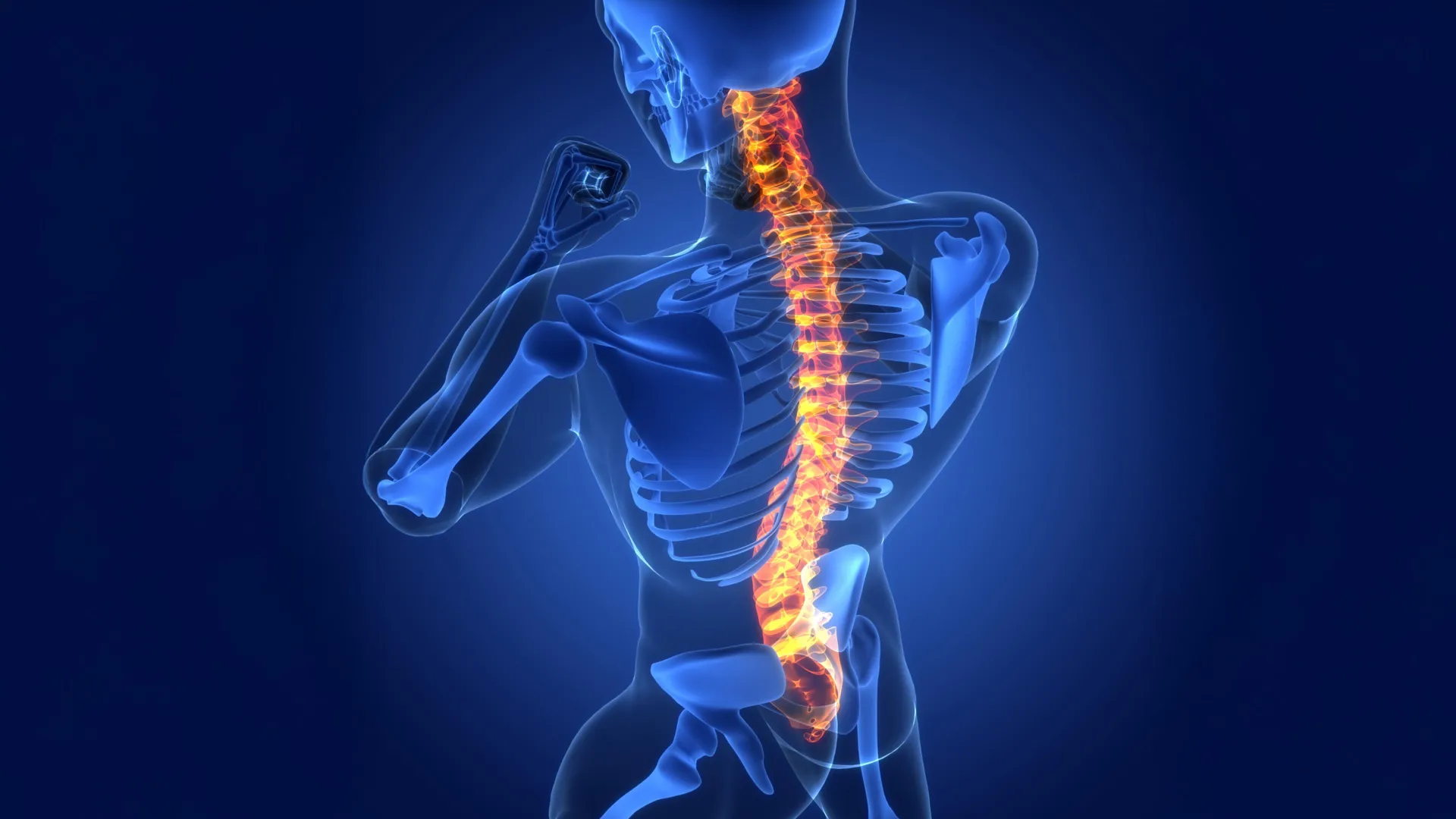
Researchers at Cedars-Sinai have unveiled a groundbreaking biological repair process within the central nervous system that holds significant promise for the development of novel treatments for a spectrum of debilitating conditions, including spinal cord injuries, stroke, and neurodegenerative diseases such as multiple sclerosis. The landmark findings, meticulously detailed in the prestigious scientific journal Nature, illuminate an previously unrecognized and crucial role for astrocytes, the most abundant type of glial support cell in the brain and spinal cord. This discovery challenges long-held assumptions about these cells and opens up new avenues for therapeutic intervention.
"Astrocytes are critical responders to disease and disorders of the central nervous system — the brain and spinal cord," stated neuroscientist Joshua Burda, PhD, assistant professor of Biomedical Sciences and Neurology at Cedars-Sinai and the senior author of the study. "We discovered that astrocytes located far from the site of an injury actually help drive spinal cord repair. Our research also uncovered a mechanism used by these unique astrocytes to signal the immune system to clean up debris resulting from the injury, which is a critical step in the tissue-healing process."
The research team has aptly named these newly identified astrocytes "lesion-remote astrocytes," or LRAs, and has further distinguished several distinct subtypes within this population. For the first time, this study provides a comprehensive explanation of how one specific subtype of LRA can detect damage from a considerable distance and initiate a cascade of responses that actively support tissue recovery. This discovery represents a significant paradigm shift in understanding the intricate cellular choreography that underpins neurological healing.
The Intricate Response to Spinal Cord Injury
The spinal cord, a vital conduit of information extending from the brain down the vertebral column, is composed of distinct regions that facilitate neural communication. The inner core, known as gray matter, is rich in nerve cell bodies and astrocytes. Encasing this is the white matter, a densely packed region of astrocytes and long, myelinated nerve fibers responsible for transmitting signals between the brain and the rest of the body. Astrocytes, in their traditional understanding, are known to maintain a meticulously controlled microenvironment, ensuring the efficient and unimpeded propagation of these crucial neural signals.
When the spinal cord sustains an injury, such as through trauma or disease, these delicate nerve fibers are inevitably torn. This damage can manifest as paralysis, loss of motor control, and profound disruptions in sensory perception, including touch, temperature, and pain. The severed nerve fibers fragment into a complex mixture of cellular debris. While inflammation is a normal and necessary component of healing in most tissues, its manifestation in the spinal cord presents unique challenges. Because nerve fibers can extend over considerable distances, damage and the subsequent inflammatory response can propagate far beyond the initial injury site, potentially exacerbating secondary damage and hindering recovery.
Lesion-Remote Astrocytes: Orchestrating Immune Cleanup
Through rigorous experimentation involving mouse models of spinal cord injury, the Cedars-Sinai research team observed a pivotal role for LRAs in promoting regenerative processes. Crucially, the study also found compelling evidence suggesting that this same reparative mechanism is actively engaged in human spinal cord tissue affected by injury.
A specific subtype of LRA was found to be a prolific producer of a protein known as CCN1. This molecule acts as a potent signaling agent, communicating directly with microglia, the primary immune cells of the central nervous system.
"One function of microglia is to serve as chief garbage collectors in the central nervous system," explained Dr. Burda. "After tissue damage, they ingest pieces of nerve fiber debris – which are very fatty and can cause them to experience a kind of indigestion. Our experiments demonstrated that astrocyte-derived CCN1 signals the microglia to alter their metabolic processes, enabling them to more efficiently digest all that fat."
According to Dr. Burda, this enhanced debris clearance mechanism may offer a biological explanation for why some patients experience a degree of partial, spontaneous recovery following spinal cord injury. The research team’s experiments revealed that when astrocyte-derived CCN1 was experimentally eliminated, the healing process was significantly impaired.
"If we remove astrocyte CCN1, the microglia ingest the debris, but they are unable to properly digest it," Dr. Burda elaborated. "This leads to the accumulation of undigested material, prompting them to recruit more microglia, which also ingest but do not digest. Consequently, large clusters of debris-laden microglia form, intensifying inflammation throughout the spinal cord. Under these conditions, the tissue’s ability to repair itself is severely compromised."
Broader Implications for Neurodegenerative Diseases and Brain Injury
The implications of this discovery extend beyond spinal cord injury. When scientists analyzed spinal cord tissue samples from individuals diagnosed with multiple sclerosis, they observed the identical CCN1-mediated repair process at play. Dr. Burda noted that these fundamental repair principles identified in the spinal cord are likely to be applicable across a broader range of injuries affecting both the brain and the spinal cord.
"The role of astrocytes in central nervous system healing has been remarkably understudied," commented David Underhill, PhD, chair of the Department of Biomedical Sciences at Cedars-Sinai. "This work strongly suggests that lesion-remote astrocytes offer a viable path for limiting chronic inflammation, enhancing functionally meaningful regeneration, and promoting neurological recovery after brain and spinal cord injury and in various disease states."
The potential applications of this research are far-reaching. By understanding and potentially manipulating the CCN1 pathway, future therapeutic strategies could be developed to accelerate and enhance the body’s natural repair mechanisms. This could translate into improved functional outcomes for individuals suffering from conditions that were previously considered intractable.
Future Directions and Therapeutic Avenues
Dr. Burda is actively pursuing the development of strategies aimed at harnessing the CCN1 pathway to optimize spinal cord healing. His research group is also investigating the broader influence of astrocyte CCN1 on inflammatory neurodegenerative diseases and the aging process, suggesting that the implications of this discovery may extend even further.
The identification of lesion-remote astrocytes and their role in immune modulation represents a significant leap forward in neurobiology. This research provides a concrete biological target for the development of new therapies. The potential to enhance the body’s intrinsic repair capabilities, rather than solely relying on supportive care or experimental treatments with limited efficacy, offers a renewed sense of hope for patients and clinicians alike.
Context and Chronology of the Discovery
The journey to this groundbreaking discovery likely involved years of meticulous research, building upon decades of foundational work in neurobiology and glial cell function.
- Early Research on Astrocytes: For many years, astrocytes were primarily viewed as passive structural support cells, crucial for maintaining the blood-brain barrier and providing metabolic support to neurons. Their role in active repair was largely overlooked or underestimated.
- Advancements in Imaging and Molecular Biology: The development of sophisticated imaging techniques and molecular tools in recent decades has allowed researchers to delve deeper into the complex functions of glial cells. This has enabled the observation of cellular responses to injury with unprecedented detail.
- Initial Observations of Remote Cellular Activity: It is plausible that early, less conclusive observations of cellular activity distant from injury sites may have hinted at the existence of LRAs, but a clear mechanism and cellular identity remained elusive.
- The Cedars-Sinai Study: The publication in Nature signifies the culmination of a focused research effort that successfully identified and characterized LRAs, pinpointed the CCN1 signaling pathway, and demonstrated its critical role in debris clearance and immune modulation. This study likely involved:
- In vitro experiments: Studying astrocyte and microglia interactions in controlled laboratory settings.
- In vivo animal models: Utilizing mouse models of spinal cord injury to observe the biological processes in a living organism.
- Human tissue analysis: Examining post-mortem tissue samples from individuals with neurological conditions to validate findings in humans.
- Publication and Peer Review: The rigorous peer-review process of Nature ensures the scientific validity and significance of the findings, marking a pivotal moment in the field.
Supporting Data and Scientific Validation
The findings presented in the Nature publication are supported by a robust body of experimental data. While the full extent of the data is detailed within the scientific paper, key aspects likely include:
- Immunohistochemistry and Microscopy: Advanced imaging techniques would have been used to visualize the distribution and characteristics of LRAs in both healthy and injured spinal cord tissue. This would confirm their presence and specific locations relative to the injury site.
- Gene Expression Analysis: Techniques such as RNA sequencing would have been employed to identify genes upregulated in LRAs, leading to the discovery of CCN1 production.
- Western Blotting and ELISA: These biochemical assays would have quantified the levels of CCN1 protein produced by LRAs and its presence in the surrounding microenvironment.
- Animal Model Studies:
- Behavioral assessments: Evaluating motor and sensory function in mice before and after injury and intervention.
- Histological analysis: Examining tissue sections to assess the extent of damage, inflammation, and evidence of repair in the presence or absence of functional LRAs or CCN1.
- Microglial activity assessment: Quantifying microglial infiltration, activation states, and their ability to engulf and digest debris.
- Human Tissue Analysis: Similar histological and molecular analyses would have been performed on human spinal cord samples to corroborate the findings from animal models.
The study’s conclusion that CCN1 elimination significantly reduces healing, leading to increased debris and inflammation, provides strong correlational and causal evidence for the proposed mechanism. The observation of similar CCN1-mediated repair in human multiple sclerosis tissue further strengthens the translational relevance of these findings.
Potential Reactions and Broader Impact
The scientific community’s reaction to this discovery is anticipated to be overwhelmingly positive, characterized by excitement and a renewed focus on astrocytic biology in the context of neurological repair.
Inferred Statements from Related Parties:
- From the Neuroscience Community: Leading neuroscientists not involved in the study are likely to praise the elegance and significance of the research. They might comment on the potential to revolutionize treatment paradigms for conditions that have historically presented immense challenges. Discussions could emerge about the diversity of astrocyte subtypes and their specialized roles, prompting further investigation into other glial cell populations.
- From Patient Advocacy Groups: Organizations dedicated to supporting individuals with spinal cord injuries, stroke, and multiple sclerosis are likely to express profound optimism. They will highlight the potential for improved quality of life and functional recovery for their constituents, emphasizing the hope this research offers.
- From Pharmaceutical and Biotechnology Companies: This discovery presents a clear and actionable target for drug development. Companies specializing in neurological therapeutics are expected to closely monitor further research and potentially explore licensing or collaborative opportunities to translate these findings into clinical applications.
Fact-Based Analysis of Implications:
The implications of this research are multifaceted and profound:
- Therapeutic Target Identification: The CCN1 pathway offers a specific molecular target for the development of novel pharmacological interventions. Therapies could be designed to upregulate CCN1 production by LRAs or to mimic its signaling effects.
- Reduced Chronic Inflammation: By enhancing the efficient clearance of debris, the LRA-mediated process could help mitigate the chronic inflammation that often perpetuates damage and hinders recovery in the central nervous system.
- Enhanced Regeneration: Improved debris removal may create a more permissive environment for axonal regrowth and functional recovery, potentially leading to more significant improvements in motor and sensory function.
- Broader Applicability: The observed mechanism in both spinal cord injury and multiple sclerosis suggests its potential relevance to a wide array of neurological disorders, including traumatic brain injury, stroke, and other neurodegenerative conditions.
- Rethinking Astrocytes: This study necessitates a reevaluation of the traditional understanding of astrocytes, moving beyond their role as passive support cells to recognizing them as active participants in complex repair processes.
- Precision Medicine: Future treatments could be tailored based on an individual’s specific injury or disease profile, potentially identifying patients who would benefit most from CCN1-targeted therapies.
The collaborative nature of scientific progress is evident in the list of contributing authors and the diverse funding sources acknowledged, including significant support from the U.S. National Institutes of Health (NIH), the Paralyzed Veterans Research Foundation of America, and Wings for Life, among others. This broad base of support underscores the perceived importance and potential impact of this research. The ongoing work by Dr. Burda and his team to develop strategies that harness the CCN1 pathway, coupled with investigations into its role in aging and neurodegenerative diseases, suggests that this discovery is not an endpoint but a crucial stepping stone towards transformative advancements in neurological medicine.
The Cedars-Sinai team’s identification of lesion-remote astrocytes and their critical role in orchestrating immune-mediated debris clearance represents a significant scientific breakthrough. This research not only deepens our understanding of the central nervous system’s intricate repair mechanisms but also provides a tangible pathway toward developing much-needed therapies for a range of devastating neurological conditions. The implications for patients suffering from spinal cord injuries, stroke, and neurodegenerative diseases are substantial, offering a beacon of hope for improved recovery and enhanced quality of life.
