
 By admin
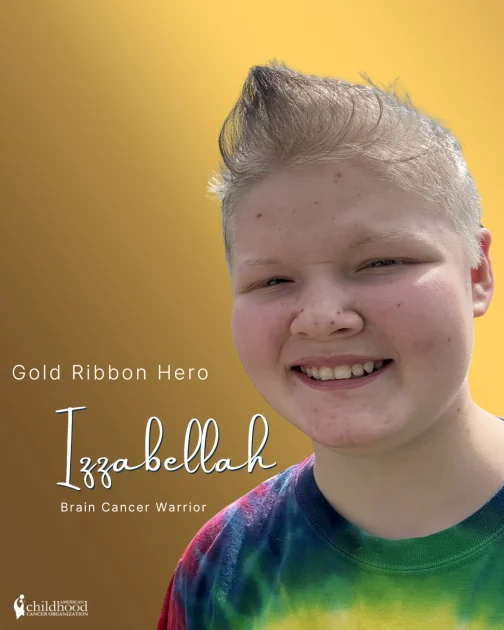
The medical journey of Izzabellah “Bellah” represents a profound narrative of endurance and the complexities inherent in pediatric neuro-oncology. For four months, the adolescent endured a series of escalating headaches, a symptom that is frequently difficult to diagnose in pediatric patients due to its commonality with less severe ailments. However, the persistence of these neurological symptoms eventually led to a diagnostic Magnetic Resonance Imaging (MRI) scan that fundamentally altered the course of her life and that of her family. According to her mother, Natalie, the realization of the severity of the situation was instantaneous upon reviewing the initial imaging. Within an hour of the scan, the family was contacted by medical professionals and directed to a regional medical center, which quickly facilitated an emergency transfer to Riley Children’s Hospital in Indianapolis, a facility renowned for its specialized pediatric oncology and neurosurgery departments.
This transition marked the beginning of an intensive multi-year medical intervention. Upon arrival at Riley Children’s Hospital, neurosurgeons performed an initial procedure to remove a primary tumor located in the brain. While the surgery was a critical first step, subsequent evaluations revealed the presence of additional tumors, complicating the prognosis and necessitating a more aggressive, long-term treatment strategy. The ensuing regimen included 13 months of oral chemotherapy, a second invasive brain surgery, and an eight-week course of localized radiation therapy. Following the radiation, Bellah was required to return to a chemotherapy protocol to manage the remaining oncological threats.
The Clinical Landscape of Pediatric Brain Cancer
The case of Izzabellah Bellah highlights the broader challenges faced by the thousands of children diagnosed with central nervous system (CNS) tumors annually. According to data from the National Cancer Institute and the American Cancer Society, brain and other central nervous system tumors are the most common solid tumors in children and adolescents, accounting for approximately 20 percent of all pediatric cancers. Furthermore, they represent the leading cause of cancer-related deaths among children under the age of 19.
The complexity of Bellah’s treatment—involving multiple surgeries and a combination of oral chemotherapy and radiation—is characteristic of the "multimodal" approach required for many pediatric brain cancers. Unlike adult cancers, which are often linked to environmental factors or lifestyle choices, pediatric brain tumors are frequently the result of DNA changes that occur early in life. The treatment of these tumors is particularly delicate because the pediatric brain is still in a critical state of development. Medical professionals must balance the necessity of eradicating malignant cells with the goal of preserving cognitive and physical function.
Chronology of Treatment and Medical Intervention
The timeline of Bellah’s experience serves as a case study for the protracted nature of pediatric cancer care. The initial diagnostic phase, characterized by four months of worsening headaches, underscores the importance of clinical vigilance. Following the discovery of the tumor, the timeline accelerated rapidly:
- Initial Diagnosis and Emergency Transfer: Within hours of the MRI, Bellah was moved from a regional facility to a specialized pediatric center.
- First Resection Surgery: The primary goal was the stabilization of the patient and the removal of the most immediate neurological threat.
- Discovery of Secondary Tumors: Post-operative imaging and pathology revealed a more systemic challenge within the CNS.
- Oral Chemotherapy (13 Months): This phase aimed at systemic control of the cancer cells, utilizing oral agents that allow for some level of outpatient care but carry significant side effects.
- Second Brain Surgery: Required due to the persistence or progression of the tumors despite the initial chemotherapy phase.
- Radiation Therapy (8 Weeks): A targeted approach to destroy remaining tumor cells, which requires daily sessions and carries risks of long-term neurological "late effects."
- Maintenance Chemotherapy: A return to systemic treatment to ensure the suppression of any remaining microscopic disease.
Throughout this chronology, Bellah was forced to navigate the "late effects" of treatment. In pediatric oncology, this term refers to the chronic health problems that develop months or years after treatment ends. For Bellah, this involved managing a revolving door of specialists to address the secondary physical and neurological impacts of her intensive therapy.
The Psychosocial Impact and Social Isolation
Beyond the physiological toll, the social implications of pediatric cancer are often devastating. Bellah’s journey was marked by a significant loss of social connectivity. As she underwent intensive treatment, the typical milestones of adolescence—attending school, participating in extracurricular activities, and maintaining peer relationships—were replaced by hospital stays and recovery periods.
The phenomenon of social withdrawal and the "loss of friends" mentioned in Bellah’s account is a documented challenge in pediatric oncology. Peers often struggle to relate to the trauma of a cancer diagnosis, and the physical changes associated with treatment (such as hair loss or weight fluctuations) can lead to a sense of alienation for the patient. For Bellah, missing out on the social fabric of her community was a significant hurdle, yet it became a catalyst for her advocacy work.
In response to her isolation, Bellah turned to digital media. By creating short videos and maintaining a blog, she reclaimed her narrative. This form of digital storytelling serves a dual purpose: it allows the patient to process their trauma while providing a source of hope and information for other families navigating similar diagnoses. This proactive approach to communication has been recognized by organizations like the American Childhood Cancer Organization (ACCO) as a vital component of the healing process.
Current Status and Community Contribution
Today, Bellah’s life has transitioned into a phase of "new normalcy." While she continues her education, she has also entered the workforce, serving as an activity aide at a local nursing facility. This professional choice is noteworthy, as it demonstrates a transition from being a recipient of care to a provider of support. Her role in a nursing facility requires empathy, patience, and a commitment to the well-being of others—traits that were undoubtedly forged during her own medical struggles.
Her ability to maintain a work-study balance while continuing to manage the long-term oversight of her health is a testament to the success of modern pediatric oncology, which increasingly focuses not just on "cure" but on "quality of life." Bellah’s resilience is an example of the "warrior" spirit often cited by the ACCO, reflecting the courage required to face a life-threatening illness at a young age.
Broader Implications for Pediatric Oncology Support
The case of Izzabellah Bellah emphasizes the critical role of support organizations and specialized pediatric hospitals. Riley Children’s Hospital, where Bellah received her care, is part of a network of institutions that provide comprehensive care, including child life specialists, social workers, and specialized nursing staff who address the holistic needs of the child.
Furthermore, the involvement of the American Childhood Cancer Organization (ACCO) highlights the necessity of advocacy and funding. The ACCO, the oldest and largest grassroots childhood cancer organization in the United States, focuses on providing educational resources and advocating for increased research funding. Because pediatric cancer research receives a disproportionately small percentage of federal funding compared to adult cancers, the role of private donations and community support is paramount.
The slogan "Kids can’t fight cancer alone" encapsulates the systemic requirement for a robust support network. This includes:
- Medical Research: Developing treatments that are less toxic and more effective for developing bodies.
- Legislative Advocacy: Ensuring that pediatric cancer remains a priority for public health funding.
- Emotional Support: Providing families with the tools to navigate the psychological trauma of a diagnosis.
- Financial Assistance: Helping families manage the astronomical costs of long-term cancer care, which often includes travel, specialized medication, and lost wages for caregiving parents.
Analysis of Resilience in Pediatric Patients
From a journalistic and sociological perspective, Bellah’s story provides insight into the concept of "post-traumatic growth." While the experience of brain cancer is undeniably traumatic, the patient’s subsequent dedication to advocacy and her work in a caregiving role suggests a positive psychological shift. By sharing her journey through videos and blogs, she has transformed a private struggle into a public service.
This resilience is not merely an individual trait but is fostered by the environment provided by medical professionals and family members. Natalie’s immediate recognition of the crisis and the rapid intervention of the medical team at Riley Children’s Hospital provided the framework within which Bellah could fight her illness. The integration of Bellah back into the workforce and school indicates a successful transition from "patient" to "survivor," a goal that remains the ultimate objective of the pediatric oncology community.
In conclusion, Izzabellah Bellah’s experience is a powerful reminder of the ongoing battle against pediatric brain cancer. While her journey has been defined by surgeries, chemotherapy, and social challenges, her current status as a student, worker, and advocate serves as a beacon of hope. Her story underscores the necessity of continued investment in pediatric medical research and the importance of community-based support systems that ensure no child has to face such a formidable adversary in isolation.
