
 By Budi Oetomo Narendra
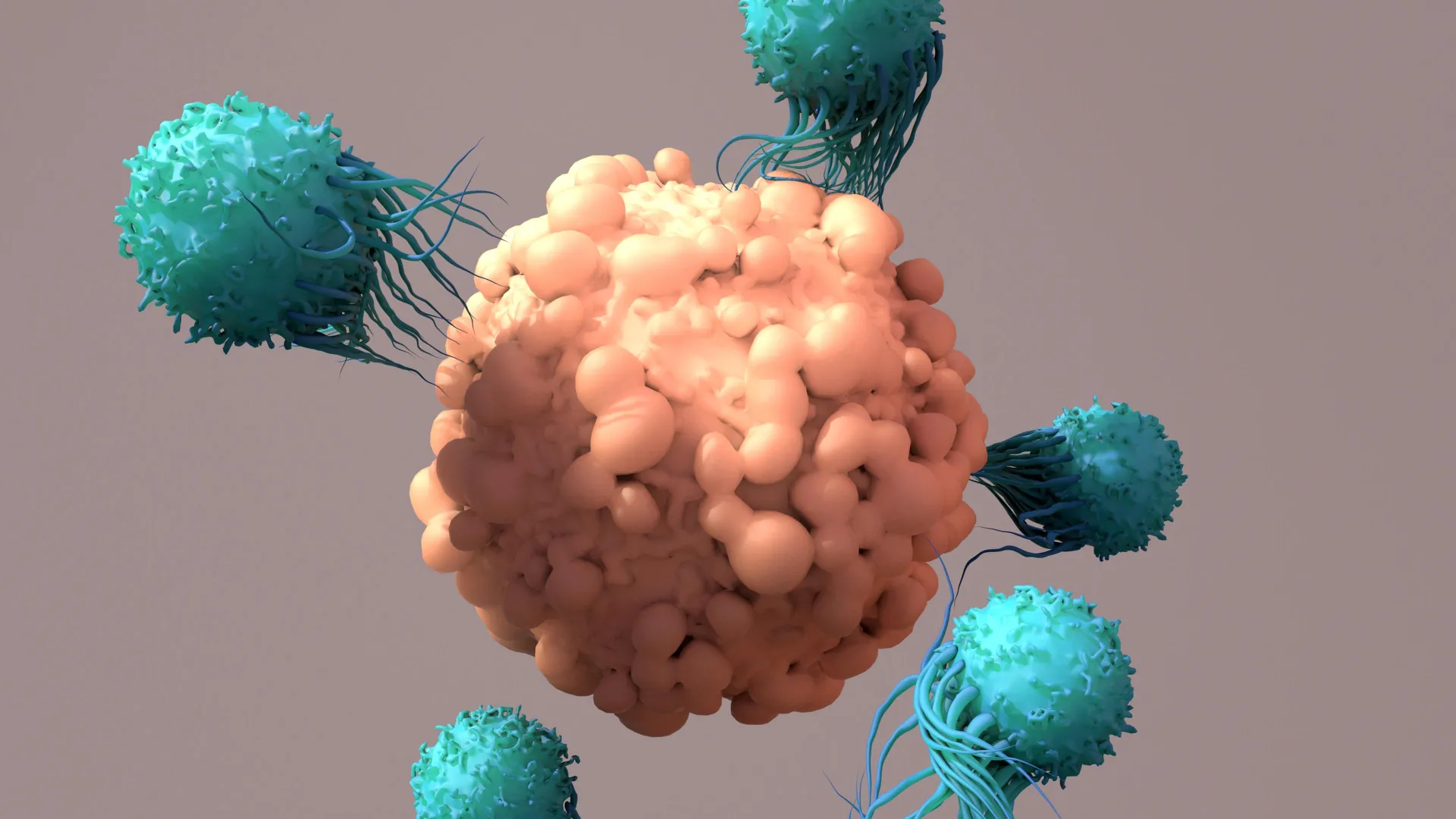
Researchers at the University of California San Francisco (UCSF) have unveiled a transformative breakthrough in CAR-T cell therapy, demonstrating a novel approach that could allow the potent cancer-fighting cells to be genetically reprogrammed directly inside a patient’s body. Published in the prestigious journal Nature, this innovative method holds the potential to dramatically reduce the complexity, exorbitant cost, and critical delays currently associated with standard CAR-T treatments, which have, despite their efficacy, remained largely inaccessible to a global patient population. The development marks a significant leap forward in cell and gene therapy, potentially democratizing access to these life-saving interventions and extending their reach beyond a handful of specialized medical centers.
Current CAR-T Therapy: A Double-Edged Sword
Chimeric Antigen Receptor (CAR-T) cell therapy has, since its first FDA approval in 2017, revolutionized the treatment landscape for certain aggressive blood cancers, including specific types of leukemia and lymphoma. By engineering a patient’s own T cells – a critical component of the immune system – to recognize and attack cancer cells, CAR-T has offered a new lease on life for many patients who had exhausted other treatment options. The mechanism involves equipping T cells with synthetic receptors, known as CARs, which act like highly specific antennae to detect proteins unique to cancer cells, triggering a targeted immune response. Seven CAR-T cell therapies are presently approved by the U.S. Food and Drug Administration, primarily for various forms of blood cancer and multiple myeloma.
However, the existing CAR-T manufacturing process is fraught with challenges that severely limit its widespread application. The standard procedure is an intricate, multi-step ex vivo (outside the body) operation. It begins with apheresis, where a patient’s T cells are collected from their blood. These cells are then shipped to a highly specialized, Good Manufacturing Practice (GMP) certified facility, often thousands of miles away, where they undergo genetic modification. Using viral vectors, the T cells are engineered to express the chimeric antigen receptors (CARs) on their surface. Following successful modification, these cells are expanded to billions in number, subjected to rigorous quality control, and then shipped back to the originating hospital. Finally, they are infused back into the patient, typically after the patient has undergone a course of intensive chemotherapy to deplete their existing immune cells, creating "space" for the newly engineered CAR-T cells to thrive.
This elaborate logistical chain translates into several critical drawbacks. The entire process can take several weeks, a perilous delay for patients with rapidly progressing cancers. Financially, CAR-T therapies are among the most expensive treatments available, with costs frequently ranging from $400,000 to $500,000 per patient, excluding hospital stays and supportive care. This astronomical price tag, combined with the need for highly specialized manufacturing facilities and expert medical teams, renders CAR-T therapy inaccessible to countless patients globally, particularly in developing nations or even in less urbanized areas within developed countries. Furthermore, the mandatory pre-conditioning chemotherapy regimen can be extremely taxing, leading to significant side effects and precluding older or medically frail patients from receiving the therapy.
The UCSF Breakthrough: Reprogramming Within the Body
The UCSF team, led by Justin Eyquem, PhD, an associate professor of medicine, has developed a potential alternative that directly addresses these systemic limitations. Their groundbreaking research, detailed in Nature, demonstrates the first successful instance of inserting a large stretch of DNA into a precise location within human T cells without first removing those cells from the body. This in vivo (inside the body) manufacturing approach could fundamentally transform the delivery of cell and gene therapies.
The core of the UCSF innovation lies in a sophisticated dual-particle delivery system designed to introduce CRISPR-Cas9 gene-editing machinery directly to T cells circulating within the bloodstream. The system comprises two distinct nanoparticles, each meticulously engineered for a specific function:
- CRISPR-Cas9 Delivery Particle: This particle carries the essential gene-editing tools, specifically the CRISPR-Cas9 components responsible for cutting and altering DNA. Crucially, its surface is adorned with antibodies that specifically recognize CD3, a protein exclusively found on the surface of T cells. This highly targeted mechanism ensures that the gene-editing payload is delivered predominantly to T cells, minimizing off-target effects on other cell types.
- CAR Gene Delivery Particle: The second particle is responsible for delivering the therapeutic DNA itself. This DNA contains the genetic instructions for producing the cancer-fighting CAR, along with additional information that directs this new DNA to a precise, pre-selected location within the T cell genome. This target site is strategically chosen because it contains a molecular "on switch" that is active only in T cells, ensuring that the CAR is produced only in the desired immune cells and only when inserted correctly.
A critical aspect of the design was ensuring that these particles could evade immediate destruction by the immune system, allowing them sufficient time to reach and reprogram their target T cells. Dr. Eyquem emphasized the importance of this upfront optimization: "When you manufacture these cells outside the body, you can do a lot of quality control to make sure you only end up with re-engineered T cells. Inside the body, we can’t do that post-manufacturing quality control, so we really needed to optimize the approach upfront to avoid altering any other cells." This meticulous design ensures both specificity and safety, paramount for in vivo genetic engineering.
Remarkable Efficacy and Unexpected Advantages in Preclinical Models
The research team, spearheaded by co-first authors William Nyberg, PhD, and Pierre-Louis Bernard, PhD, both UCSF postdoctoral fellows, rigorously tested their system in mice engrafted with humanized immune systems and aggressive forms of cancer. The results were compelling:
- Aggressive Leukemia: In mice with aggressive leukemia, a single injection of the two-particle treatment led to the disappearance of all detectable cancer in nearly all subjects within two weeks. In some organs, the newly engineered CAR-T cells constituted as much as 40% of the total immune cell population, demonstrating robust and efficient in vivo reprogramming and expansion. The treatment effectively eradicated cancer from both the bone marrow and spleen.
- Multiple Myeloma: The same strategy proved highly effective against multiple myeloma, another challenging blood cancer, further validating the broad applicability of the approach.
- Solid Tumors: Perhaps one of the most exciting findings was the system’s efficacy against a solid sarcoma tumor. Solid tumors have historically presented a formidable challenge for CAR-T therapy due to factors such as the suppressive tumor microenvironment and difficulty for CAR-T cells to infiltrate and persist within dense tumor masses. The success in this model opens promising avenues for expanding CAR-T therapy beyond hematological malignancies.
Beyond the impressive anti-cancer activity, researchers uncovered an unexpected advantage: the T cells engineered directly inside the body appeared to perform superiorly to comparable cells produced in the laboratory using conventional ex vivo methods. Dr. Eyquem explained, "What was especially remarkable was that the cells we’re generating in vivo actually look better than what we make in the lab. We think that when cells are taken out of the body and grown in the lab, they lose some of their ‘stemness’ and proliferative capacity, and that doesn’t happen here." This enhanced "stemness" suggests that the in vivo generated CAR-T cells may have a greater capacity for self-renewal and sustained anti-tumor activity, potentially leading to more durable responses in patients.
Broader Implications and Future Trajectory
The ramifications of this UCSF breakthrough extend far beyond just CAR-T therapy. The ability to precisely insert large DNA sequences into specific genomic locations within circulating T cells, without ex vivo manipulation, represents a paradigm shift for the entire field of cell and gene therapy. This targeted gene editing technique outperformed conventional viral vector methods that often insert DNA at random locations, which can lead to unpredictable outcomes or even activate oncogenes. The precision offered by the UCSF approach could enhance the safety and efficacy of a wide range of future gene therapies, reducing concerns about insertional mutagenesis.
While the preclinical results are exceptionally promising, the technology is not yet ready for human patients. The next critical steps involve scaling up the manufacturing process of the nanoparticles for human use and conducting rigorous clinical trials to ascertain the safety and efficacy of the approach in people. This journey from bench to bedside will involve several phases:
- Preclinical Development: Further optimization, toxicity studies, and extensive validation in additional animal models.
- Investigational New Drug (IND) Application: Submission to regulatory bodies like the FDA to gain approval for human trials.
- Phase 1 Clinical Trials: Initial trials in a small group of human volunteers (often patients with advanced cancer) to assess safety, dosage, and initial signs of efficacy.
- Phase 2 and 3 Clinical Trials: Larger trials to further evaluate efficacy, monitor side effects, and compare the new treatment to existing standards of care.
Recognizing the immense potential, Dr. Eyquem and his collaborators have already co-founded Azalea Therapeutics. This biotechnology startup is specifically tasked with translating the dual-particle platform described in the Nature study from preclinical success to clinical development, aiming to accelerate its path toward patient accessibility.
A Future of Accessible, Affordable, and Rapid Cancer Therapy
If successfully translated to humans, this in vivo CAR-T manufacturing approach could fundamentally reshape the landscape of cancer treatment. The advantages are multi-faceted and profound:
- Dramatic Cost Reduction: Eliminating the need for highly specialized, centralized ex vivo manufacturing facilities, complex logistics, and extensive quality control steps outside the patient’s body could slash the cost of CAR-T therapy, making it more affordable for healthcare systems and, crucially, for patients.
- Elimination of Waiting Times: Patients would no longer face agonizing weeks or months awaiting cell collection, modification, and return. The therapy could potentially be administered in a single, outpatient visit, significantly shortening the critical window between diagnosis and treatment.
- Broader Accessibility: The simplified process could allow community hospitals and regional cancer centers, not just a select few major academic institutions, to offer these life-saving therapies. This decentralization would address the "global access issue" highlighted by Dr. Eyquem, truly democratizing CAR-T cell therapy.
- Reduced Patient Burden: By potentially removing the requirement for intensive preparatory chemotherapy, the in vivo approach could make CAR-T therapy viable for a wider patient population, including older or medically frail individuals who currently cannot tolerate the harsh pre-treatment regimen.
- Enhanced Efficacy: The observed "stemness" advantage of in vivo generated T cells suggests the possibility of more potent and durable anti-cancer responses.
The current global market for CAR-T cell therapies is estimated to be several billion dollars, with projections for substantial growth, driven by new approvals and expanded indications. However, this growth is constantly tempered by the inherent logistical and financial bottlenecks. A breakthrough like the UCSF in vivo method could unlock the full potential of this market, allowing for an exponential increase in patient reach and significantly accelerating market expansion.
"I think this is just the beginning of a big wave of new therapies that will be truly transformational and save a lot of lives," said Justin Eyquem, reflecting on the potential impact of their work. "I’m incredibly excited to be part of it." This sentiment is undoubtedly echoed across the oncology community, patient advocacy groups, and healthcare policy makers who envision a future where advanced, curative therapies are not a privilege but a widely available standard of care. The UCSF team’s innovation represents a powerful stride towards making that future a reality, holding the promise of a world where cutting-edge cancer treatment is within reach for all who need it.
