
 By admin
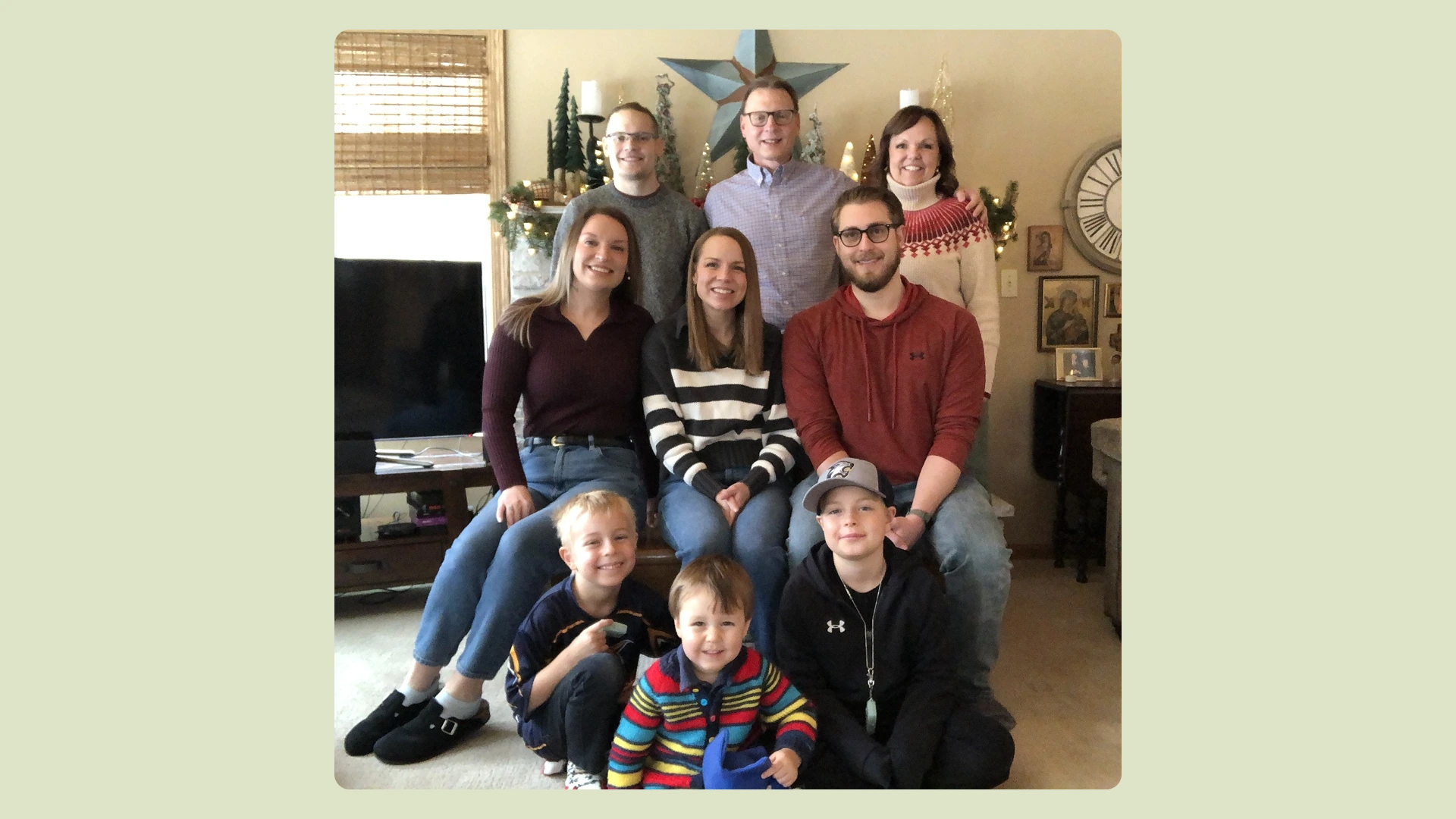
Thirteen years after the passing of Zach Sobiech, a teenager whose battle with osteosarcoma and subsequent musical farewell captured global attention, his mother, Laura Sobiech, continues to navigate the intersection of personal loss and public advocacy. In a recent reflection published through the Children’s Cancer Research Fund (CCRF), Sobiech detailed the enduring nature of grief and the ongoing mission to transform pediatric oncology. Her work with the CCRF Family Programs team serves as a bridge between the lived experience of bereavement and the institutional drive for medical advancement. This milestone provides an opportunity to examine the lasting impact of the Zach Sobiech Osteosarcoma Fund, the current state of pediatric cancer research, and the evolution of family support systems within the medical community.
The Narrative of "Clouds" and the Genesis of Advocacy
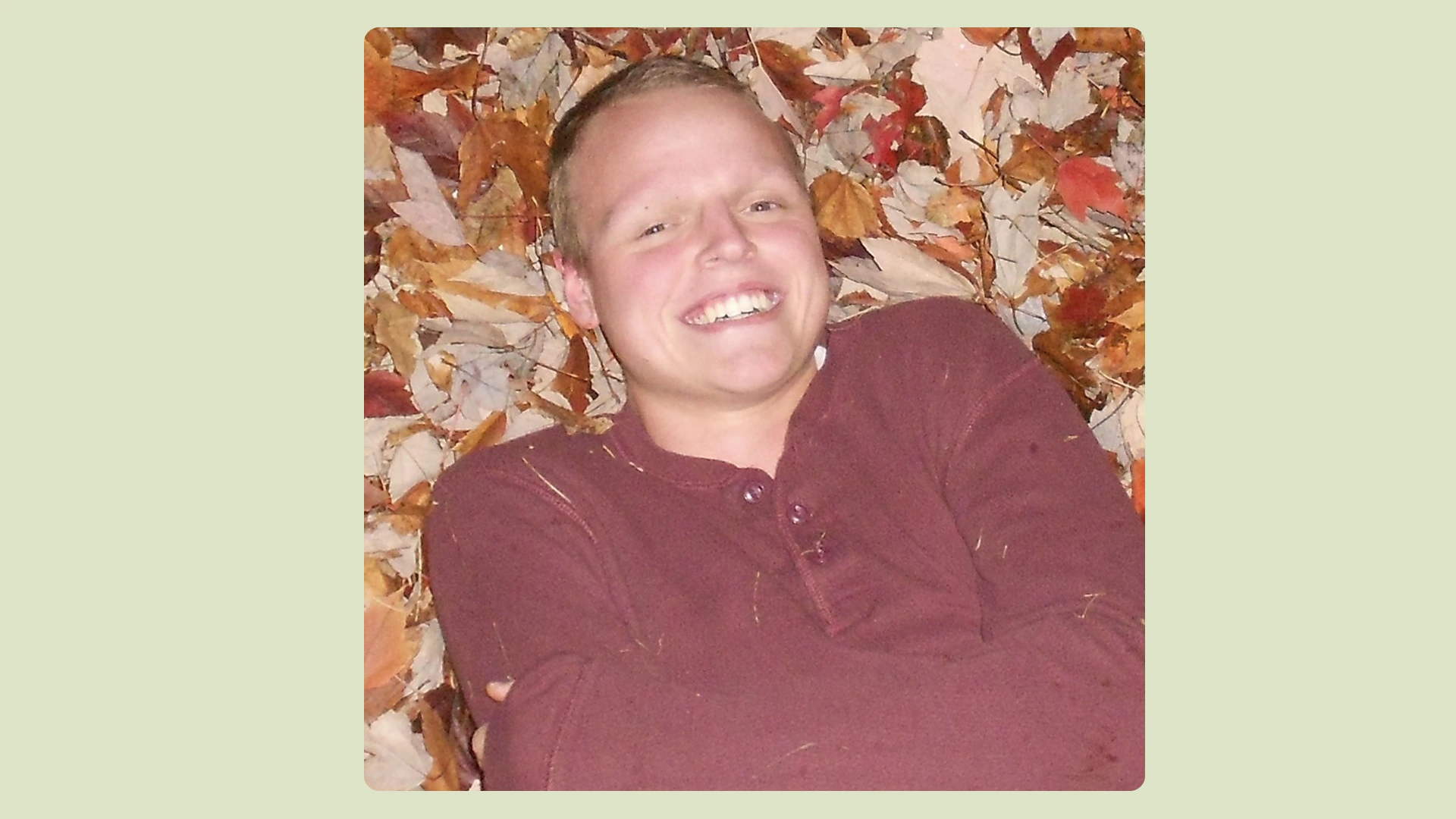
The story of Zach Sobiech began in Lakeland, Minnesota, where he was diagnosed with osteosarcoma, a rare and aggressive form of bone cancer, at the age of 14. Over the course of several years, Zach underwent 24 surgeries and 20 rounds of chemotherapy. In 2012, after being informed that his cancer was terminal and he had only months to live, Zach turned to music as a medium for his final communications.
His song "Clouds," released in late 2012, became a viral sensation, eventually reaching the top of the iTunes charts shortly after his death in May 2013. However, the song was more than a cultural moment; it was a strategic vehicle for philanthropy. Zach and his family directed all royalties and proceeds from the song to the Zach Sobiech Osteosarcoma Fund, housed at the Children’s Cancer Research Fund. This decision established a legacy of "hope through investment," aiming to ensure that future patients would not face the same lack of therapeutic options that Zach encountered.
Laura Sobiech’s recent writings highlight the "messy grace of suffering" and the "quiet absence" that remains in a family after such a loss. By likening the loss of a child to a favorite recipe missing an essential ingredient—specifically, pumpkin pie without nutmeg—she articulates a sentiment shared by thousands of families navigating the aftermath of childhood illness.
A Chronology of Impact: 2009 to the Present
The timeline of the Sobiech legacy illustrates a transition from a local medical crisis to a global research movement:
- 2009: Zach Sobiech is diagnosed with osteosarcoma. The family begins their journey through the pediatric oncology system.
- 2012: Doctors determine the cancer is terminal. Zach writes and releases "Clouds" to say goodbye to his friends and family.
- May 2013: Zach passes away at the age of 18. "Clouds" hits #1 on iTunes, and the Zach Sobiech Osteosarcoma Fund begins to see a massive influx of donations.
- 2014–2019: Laura Sobiech publishes "Fly a Little Higher," a memoir detailing the family’s journey. The fund continues to support researchers at the University of Minnesota, focusing on the genetic drivers of osteosarcoma.
- 2020: The film "Clouds," directed by Justin Baldoni, is released on Disney+, introducing Zach’s story to a new generation and sparking a renewed wave of donations and awareness.
- 2024: Laura Sobiech marks thirteen years since the initial diagnosis and nearly eleven years since Zach’s passing, continuing her professional role at CCRF to support other families in crisis.
Supporting Data: The State of Pediatric Cancer Research
The urgency behind the Sobiech family’s advocacy is underscored by the sobering statistics surrounding pediatric cancer in the United States. According to the National Cancer Institute (NCI) and the American Cancer Society:
- Leading Cause of Death: Cancer remains the leading cause of death by disease for children in the United States.
- Funding Disparity: While the federal government allocates significant resources to cancer research through the NCI, only approximately 4% of that funding is dedicated specifically to childhood cancers. The majority is directed toward adult cancers, such as lung, breast, and prostate cancer.
- The Osteosarcoma Stagnation: For over 30 years, the survival rate for metastatic osteosarcoma has remained largely unchanged. Treatment protocols still rely heavily on aggressive chemotherapy and limb-salvage surgeries or amputations, highlighting a desperate need for targeted therapies.
- Long-term Effects: Approximately 95% of childhood cancer survivors develop significant health-related issues by the age of 45, often as a direct result of the toxic treatments they received as children.
The Zach Sobiech Osteosarcoma Fund has raised over $2.4 million to date. These funds have been instrumental in allowing researchers at the University of Minnesota’s Masonic Cancer Center to conduct genomic sequencing and develop new drug screening methods specifically for bone cancer.
The Role of the Children’s Cancer Research Fund (CCRF)
The Children’s Cancer Research Fund serves as a national non-profit organization dedicated to closing the funding gap in pediatric oncology. Their mission extends beyond the laboratory to include comprehensive family support services, a sector where Laura Sobiech has focused her professional efforts for over a decade.
Family Programs and Psychosocial Support
The Family Programs team at CCRF addresses the "collateral damage" of a cancer diagnosis. This includes:
- Sibling Support: Recognizing that siblings of cancer patients often experience unique trauma and neglect during the treatment process.
- Financial Assistance: Helping families manage the non-medical costs associated with long-term hospitalization, such as travel, lodging, and lost wages.
- Grief Resources: Providing long-term support for bereaved families, acknowledging that the "hole in the heart" described by Sobiech requires ongoing community and validation.
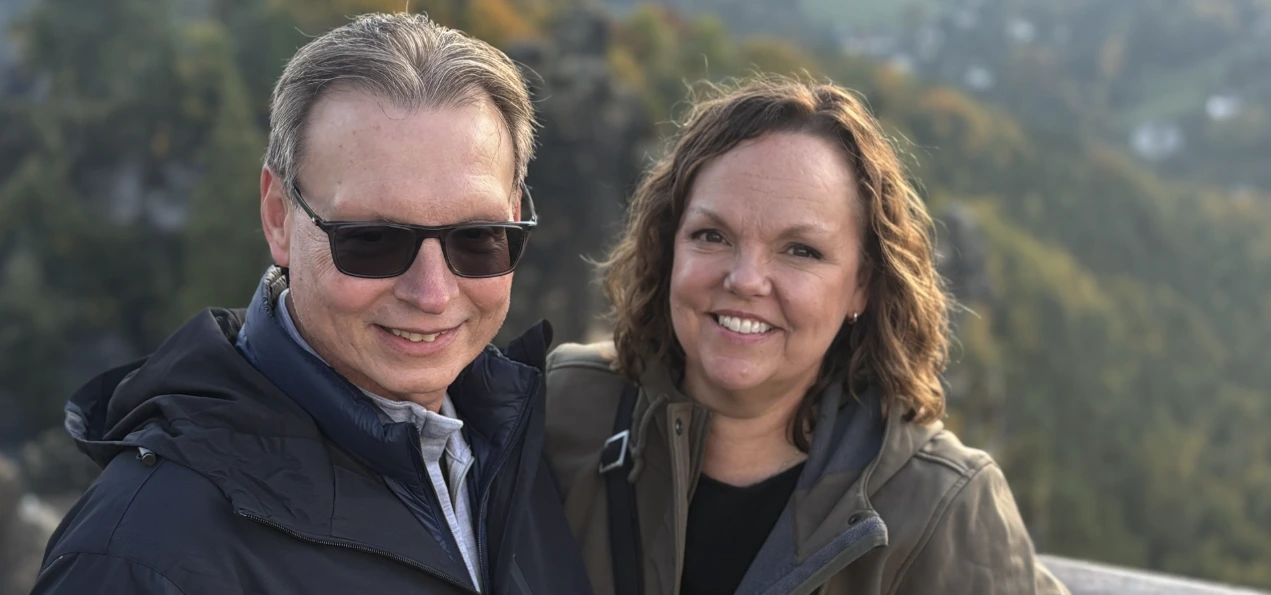
Laura Sobiech’s dual role as a bereaved mother and a CCRF staff member provides her with a unique perspective. She notes that seeing the "strength and joy" in other children sustains her own hope, even when the work becomes emotionally exhausting due to the parallels with her own experience.
Fact-Based Analysis: The Implications of Patient-Led Funds
The success of the Zach Sobiech Osteosarcoma Fund represents a broader shift in how medical research is funded and prioritized. In the absence of massive pharmaceutical investment—often due to the "rare" status of pediatric diseases which offers less profit incentive—private philanthropy and patient-led initiatives have become the primary drivers of innovation.
Targeted Research vs. General Funding
General cancer funding often prioritizes broad applications. In contrast, funds like Sobiech’s are "restricted," meaning they must be used for specific diseases. This has allowed researchers to focus on the unique biology of osteosarcoma, leading to the discovery of new biomarkers that could predict how a patient will respond to specific treatments.
Humanizing the Data
Advocacy like Sobiech’s serves to humanize clinical data. By sharing the "messy grace" of their story, the Sobiech family has kept pediatric cancer in the public consciousness, ensuring that legislators and donors view these statistics as individual lives rather than mere percentages. This visibility is crucial for maintaining the momentum of the "Clouds" fund and similar initiatives.
Broader Impact and the Future of Pediatric Oncology
As the medical community looks toward the future, the legacy of Zach Sobiech provides a blueprint for how personal tragedy can be converted into systemic change. The goal, as articulated by Laura Sobiech, is a future where "the essential ingredients that make up our families remain intact."
Current research trends supported by CCRF and the Sobiech fund include:
- Immunotherapy: Training the body’s immune system to recognize and attack bone cancer cells, potentially replacing the need for toxic chemotherapy.
- Precision Medicine: Tailoring treatments to the genetic makeup of an individual child’s tumor.
- Survivorship Care: Improving the quality of life for those who beat cancer, ensuring they do not suffer from life-long chronic conditions caused by their cure.
The "time of silence" that Sobiech mentions in her reflection suggests that grief is not a process to be finished, but a condition to be lived with. However, the transition of that grief into a professional and philanthropic force has resulted in millions of dollars for research that did not exist prior to Zach’s diagnosis.
Conclusion: The Enduring Recipe of Hope
Thirteen years after the journey began, the Sobiech family’s story remains a cornerstone of the pediatric cancer community. The metaphor of the "pumpkin pie without the nutmeg" serves as a poignant reminder of the permanent changes families undergo, but it also highlights the resilience required to find "newness" and joy in the aftermath.
Through the Children’s Cancer Research Fund, the work continues. The objective remains clear: to move toward a medical landscape where no family has to experience the "quiet absence" of a child. As research progresses and new treatments emerge, the "hope our children inspire" remains the primary catalyst for change in the world of childhood cancer. The legacy of Zach Sobiech, carried forward by his family and the thousands who were moved by his song, continues to ensure that while the recipe of a family may change, the pursuit of a cure remains an unwavering priority.
