
 By Lina carolina
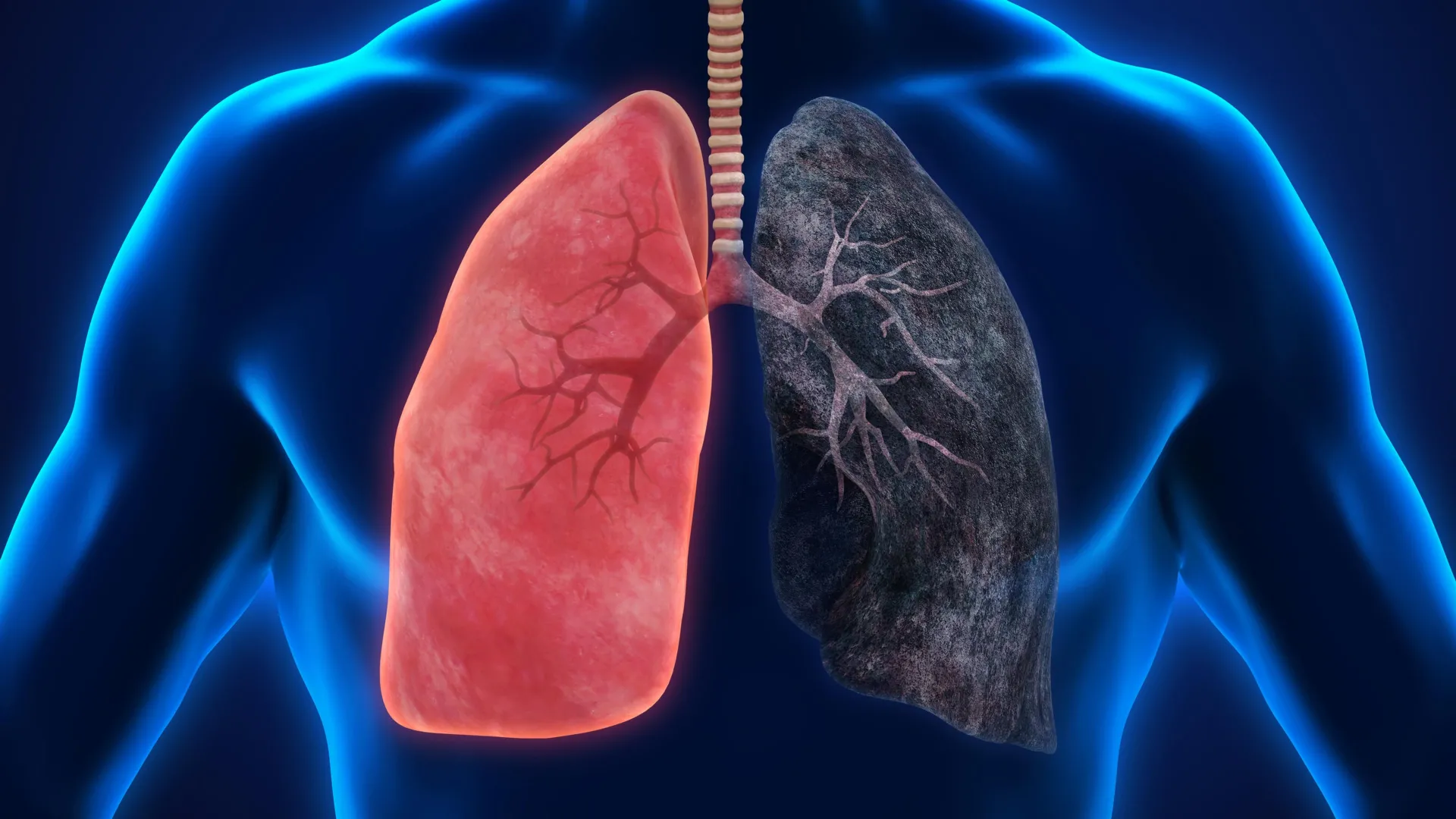
As an increasing number of states across the nation embrace marijuana legalization, a prevailing perception of relative safety has taken root. However, when scrutinized through the lens of cancer, this assumption dissolves into a complex and still-unfolding scientific inquiry. Unlike tobacco, whose devastating link to lung cancer has been definitively established over decades, the precise relationship between marijuana use and cancer risk remains a subject of intensive and ongoing investigation by medical professionals and researchers. Dr. Brooks Udelsman, a distinguished thoracic surgeon affiliated with USC Surgery at Keck Medicine of USC, emphasizes that the scientific community is actively working to delineate these intricate connections.
Unraveling the Link: Marijuana and Cancer Incidence
The core of this evolving understanding lies in deciphering whether the act of smoking marijuana elevates the probability of developing various forms of cancer. Groundbreaking research from Keck Medicine of USC, spearheaded by Dr. Niels Kokot, an otolaryngologist at the USC Caruso Department of Otolaryngology — Head and Neck Surgery, has shed critical light on this question. This pivotal study revealed a statistically significant correlation: individuals who consumed substantial quantities of marijuana appeared to face a heightened risk of developing both small cell lung cancer and non-small cell lung cancer.
Further illuminating this concern, Dr. Kokot and his research team published findings in another significant study indicating that daily marijuana users exhibited a substantially elevated risk of developing head and neck cancers. The data suggests these individuals were between 3.5 and 5 times more likely to be diagnosed with these malignancies compared to their non-marijuana-using counterparts. These cancers encompass a range of critical anatomical structures, including those affecting the oral cavity, pharynx, larynx, oropharynx (comprising the tongue, tonsils, and the posterior wall of the throat), and adjacent salivary glands.
The Elusive Threshold: Defining "Too Much" Marijuana
While the body of evidence linking heavy marijuana smoking to an increased cancer risk continues to accumulate, a crucial piece of the puzzle remains elusive: the precise quantity or frequency of use that initiates this heightened risk. Dr. Udelsman articulates this uncertainty, stating, "What we don’t know right now is the dose relationship. So, if someone smokes marijuana occasionally once a week, once a month or a few times a year, do they still have that same risk? My suspicion is that there is probably minimal risk. All we know right now is that people who smoke a lot of marijuana — to the point that they develop a dependency on it or require hospital care or evaluation for it — do appear to have a higher cancer risk." This highlights a critical gap in current knowledge, emphasizing that the focus of concern is currently on chronic, heavy consumption rather than infrequent, recreational use.
The scope of this investigation extends beyond lung and head and neck cancers. Scientists are actively exploring potential links between heavy marijuana use and other cancer types, including bladder cancer and various gastrointestinal cancers. The parallels with tobacco are particularly pertinent here. "With tobacco, we do see an increased prevalence of bladder cancer. Whether that relationship is also the same for heavy marijuana smoking, we don’t know," Dr. Udelsman notes. "That’s why we’re trying to determine what the risks are so that people can know what risks they’re taking." This underscores the public health imperative to provide clear, evidence-based information to individuals about the potential consequences of their consumption habits.
Exploring Alternative Consumption Methods: Edibles and Cancer Risk
The discourse surrounding marijuana and cancer must also consider the diverse methods of consumption. While smoking has been the primary focus of research, the growing popularity of edibles presents a different set of questions. Current scientific evidence suggests that non-smoking methods, such as the ingestion of edibles, are unlikely to directly contribute to lung cancer risk.
"Probably not," Dr. Udelsman confirms regarding the link between edibles and lung cancer. He elaborates, "The risk is harder to track because there isn’t a lot of data on it yet, but as of now there does not seem to be a relationship between edibles and lung cancer. We don’t yet know if there is a link to other types of cancers, however." This distinction is crucial, as it separates the potential risks associated with the combustion process of smoking from the pharmacological effects of cannabinoids when ingested. However, the absence of a definitive link to lung cancer does not preclude the possibility of other, as yet undiscovered, associations with different cancer types.
The Biological Mechanisms: Why Marijuana Smoke May Pose a Risk
The scientific inquiry delves into the biological mechanisms by which marijuana smoke could potentially increase cancer risk. Dr. Udelsman explains that any substance capable of inducing prolonged inflammation within the body can, over time, elevate the likelihood of developing cancer. Tobacco smoke serves as a stark illustration of this principle, containing over 7,000 chemical compounds, approximately 70 of which are recognized carcinogens. Critically, some of these same harmful chemicals are also present in marijuana smoke, raising immediate concerns.
Furthermore, Dr. Udelsman points to the role of THC (tetrahydrocannabinol), the primary psychoactive compound in marijuana. Research indicates that THC is associated with the conversion of polycyclic aromatic hydrocarbons (PAHs) into more reactive forms. PAHs are known environmental pollutants that can initiate and sustain inflammation and directly damage cellular DNA. "Anytime inflammation and changes to DNA occur, you’re at risk for developing cancer," he states, providing a clear, science-based explanation for the potential oncogenic properties of marijuana smoke.
The Unseen Threat: Secondhand Marijuana Smoke
The implications of secondhand marijuana smoke also warrant careful consideration, though definitive data remains scarce. While not yet conclusively linked to lung cancer, Dr. Udelsman posits that it could potentially pose some risk. The concern stems from the possibility that individuals exposed to secondhand marijuana smoke may inhale inflammatory particles, similar to those found in tobacco smoke, which are believed to contribute to cancer development. The long-term health consequences of passive exposure to marijuana smoke are an area requiring further epidemiological study.
Differentiating Lung Cancers: Small Cell vs. Non-Small Cell
The discussion around lung cancer and marijuana necessitates an understanding of the two primary classifications: small cell lung cancer (SCLC) and non-small cell lung cancer (NSCLC). Historically, SCLC has demonstrated an exceptionally strong association with tobacco smoking. However, Dr. Udelsman indicates that SCLC may also be linked to marijuana smoking. "It’s almost unheard of to get small cell lung cancer without some type of inhalational injury," he observes, implying that the irritants present in inhaled smoke, regardless of the source, could be a contributing factor.
Non-small cell lung cancer also appears with increased frequency among individuals who smoke marijuana. "We also see an increase in non-small cell lung cancer in smokers of both tobacco and marijuana, so both types are increased when compared to nonsmokers," he adds. This observation suggests that the inflammatory and mutagenic processes initiated by smoking marijuana can impact the development of both major lung cancer subtypes, similar to the effects observed with tobacco.
The Emerging Frontier: Vaping and Cancer Risks
The advent of electronic cigarettes and vaping technology introduced a new dimension to substance consumption, initially lauded for its potential to be a safer alternative to traditional smoking. However, medical professionals are now documenting severe inflammatory lung diseases linked to vaping, though not directly to cancer itself. "But we are starting to see some very severe inflammatory diseases — not cancers, but benign diseases — from vaping," Dr. Udelsman reports.
Given that vaping has only become widespread in the last approximately 15 years, researchers have not yet had sufficient time to definitively ascertain whether it increases lung cancer risk. This uncertainty extends to vaping marijuana. "The data on vaping is very new, so we don’t know yet, but I’d worry about anything you’re breathing into your lungs because it infiltrates the cells and air sacs in your lungs, which can cause damage and put you at a higher risk for cancer," Dr. Udelsman cautions. This sentiment reflects a prudent approach, acknowledging the potential for unforeseen long-term consequences of inhaling aerosolized substances into the delicate lung tissues.
The Crucial Distinction: Occasional Use vs. Chronic Dependency
Despite the emerging concerns, Dr. Udelsman maintains a measured perspective on the broader public health implications, expressing that recreational marijuana use is unlikely to precipitate a widespread lung cancer epidemic. His focus remains on the patterns of consumption. "I worry less about occasional use and the slight inflammation that it might cause for a temporary period. Your body probably recovers from that very quickly, with very little damage," he states.
However, his concern intensifies when discussing chronic, heavy exposure. "I’m more worried about chronic, heavy exposure: people who are using marijuana every day, multiple times a day. That’s where I think you can start to build up injury. Those are the people data today shows are at risk for developing cancer, similar to tobacco." This critical distinction between sporadic and habitual use is paramount for accurate risk assessment and public health messaging.
The implications of this research are profound, particularly as state-level cannabis legalization continues to expand, often accompanied by public health campaigns that may inadvertently downplay potential risks. The findings from Keck Medicine of USC serve as a vital reminder that while marijuana’s legal status is evolving, its biological impact on human health, particularly concerning cancer, is still under active scientific scrutiny.
For individuals who identify with heavy marijuana use patterns, a proactive dialogue with a healthcare provider is strongly recommended. A physician can offer personalized assessments of cancer risk, taking into account individual health history and consumption habits. Furthermore, they can advise on the potential need for additional screening or follow-up protocols, ensuring that individuals are informed and empowered to make health-conscious decisions in this evolving landscape of cannabis legality and medical understanding. The ongoing scientific endeavor to fully understand the relationship between marijuana and cancer is crucial for guiding public health policy, clinical practice, and individual well-being.
