
 By George Ongkojoyo
The landscape of modern oncology has been fundamentally reshaped by the advent of immunotherapy, a field that leverages the body’s own immune system to identify and eradicate malignant cells. However, despite the resounding success of these treatments in cancers such as melanoma and non-small cell lung cancer, pancreatic ductal adenocarcinoma (PDAC) has remained a formidable and largely impenetrable fortress. Pancreatic cancer is notorious for its "cold" tumor microenvironment, a biological landscape characterized by a lack of infiltrating immune cells and a dense, fibrous stroma that acts as a physical and chemical shield against therapeutic intervention.
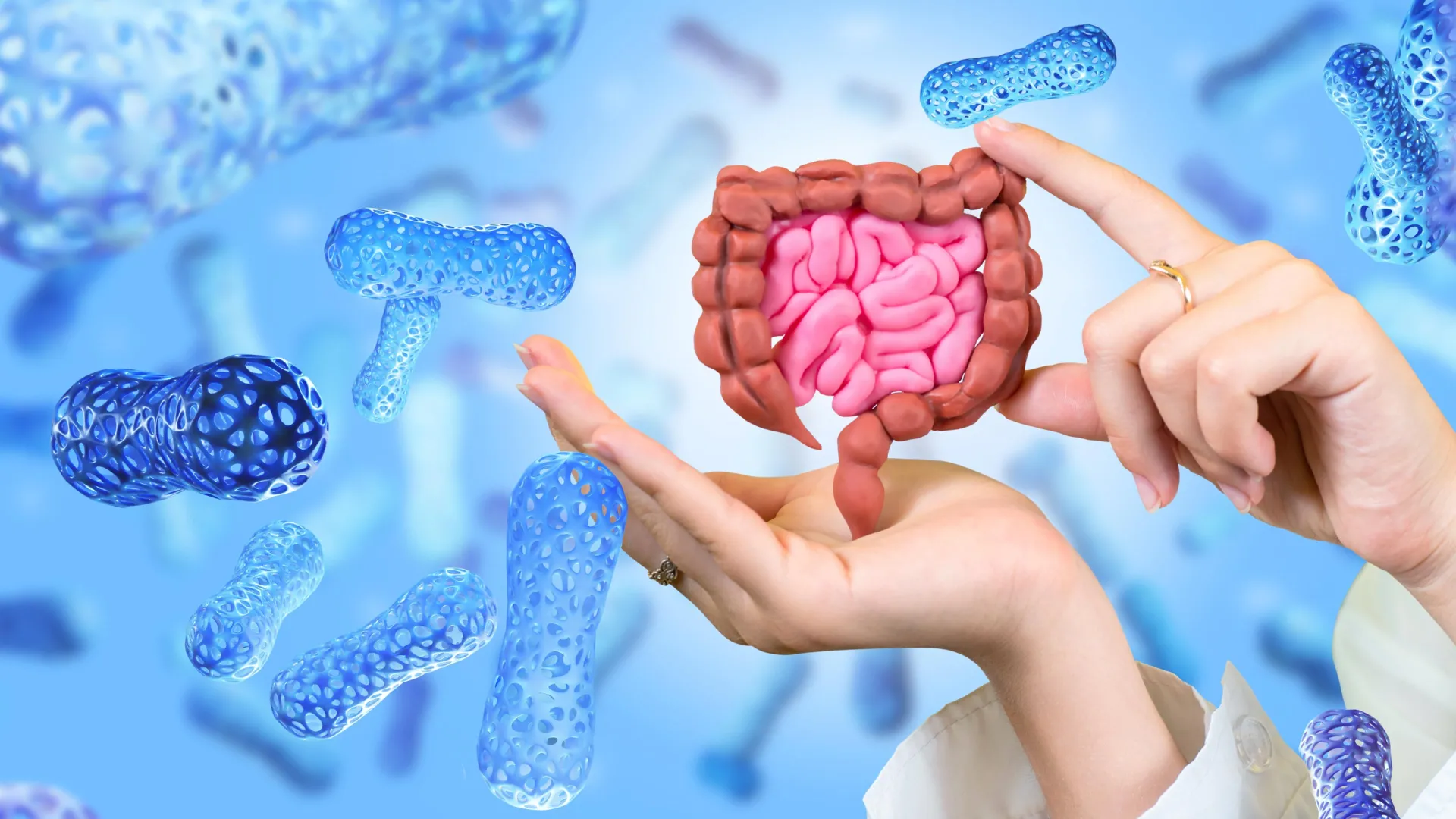
In a landmark study published in the journal Science Advances, a multidisciplinary team of researchers at the University of Chicago has unveiled a sophisticated bioengineering strategy designed to breach these defenses. By repurposing a common, gut-dwelling probiotic bacterium, Bifidobacterium longum, the scientists have created a targeted delivery vehicle capable of infiltrating the heart of pancreatic tumors to release a potent immune-stimulating payload. This engineered strain, dubbed BifidoSumIL-2, represents a significant leap forward in the "bugs as drugs" movement, offering a potential solution to one of the most persistent challenges in cancer research.
The Persistent Challenge of Pancreatic Adenocarcinoma
Pancreatic cancer remains one of the deadliest malignancies worldwide, with a five-year survival rate that currently hovers around 12% to 13%. Unlike other cancers where early detection and targeted therapies have improved outcomes, pancreatic tumors are often diagnosed at an advanced stage. Furthermore, the intrinsic biology of these tumors makes them exceptionally resistant to conventional checkpoint inhibitors, such as those targeting PD-1 or CTLA-4.
The primary reason for this resistance is the "cold" nature of the tumor. In a typical "hot" tumor, the immune system has already recognized the cancer, and T cells are present but suppressed. Immunotherapy simply "releases the brakes." In pancreatic cancer, however, the T cells are often absent from the tumor entirely or are actively excluded by the tumor’s microenvironment. To make immunotherapy work for these patients, scientists must find a way to "turn up the heat"—effectively drawing cancer-fighting T cells into the tumor and activating them in situ.
"A big unmet medical need has been pancreatic cancer, and so that was going to be our mountain to climb," explained Ralph Weichselbaum, MD, the Daniel K. Ludwig Distinguished Service Professor and Chair of Radiation and Cellular Oncology at the University of Chicago. Weichselbaum, a lead author of the study, emphasized that overcoming the immunosuppressive barriers of the pancreatic tumor microenvironment requires more than just systemic drug delivery; it requires a precision strike.
Engineering the Probiotic Delivery System
The researchers turned to synthetic biology to address the delivery problem. They selected Bifidobacterium longum, a non-pathogenic bacterium that is naturally found in the human gastrointestinal tract and is a common ingredient in many commercial probiotics, including yogurt.
The choice of Bifidobacterium was highly strategic. These bacteria are obligate anaerobes, meaning they thrive only in environments with very low or no oxygen. While healthy human tissues are well-oxygenated, solid tumors—especially dense ones like pancreatic cancer—are characterized by significant hypoxia (low oxygen). This biological discrepancy provides a natural targeting mechanism. When introduced into the body, the bacteria are naturally cleared from healthy, oxygen-rich organs by the immune system, but they find a safe haven within the necrotic and hypoxic centers of tumors, where they can survive and replicate.
To transform this bacterium into a therapeutic agent, the team engineered it to produce a modified version of interleukin-2 (IL-2). IL-2 was one of the first cytokines used in cancer immunotherapy, approved by the FDA in the early 1990s. While it is incredibly effective at stimulating T-cell growth, systemic administration of high-dose IL-2 is associated with severe toxicity, including vascular leak syndrome, which can be fatal. Furthermore, standard IL-2 can inadvertently stimulate regulatory T cells (Tregs), which actually suppress the immune response against cancer.
To solve this, the UChicago team utilized "SumIL-2," a re-engineered IL-2 molecule designed to have a higher affinity for the receptors on cancer-fighting CD8+ T cells and a lower affinity for the receptors on suppressive Tregs. By placing the genetic instructions for SumIL-2 inside Bifidobacterium, the researchers created a system where the "drug factory" only operates within the tumor itself.
Data from Preclinical Models: A Multi-Pronged Attack
The study’s findings in animal models provided compelling evidence of the therapy’s efficacy. Upon administration, BifidoSumIL-2 successfully colonized pancreatic tumors in mice, leading to a marked increase in the infiltration of CD8+ T cells—the "soldiers" of the immune system. This shift effectively transformed the "cold" tumors into "hot" ones.
The quantitative data revealed several key outcomes:
- Tumor Growth Inhibition: BifidoSumIL-2 as a monotherapy significantly slowed the progression of pancreatic tumors compared to control groups receiving non-engineered bacteria or systemic IL-2.
- Enhanced Survival: Mice treated with the engineered probiotic showed extended survival rates, with some models demonstrating long-term tumor control.
- Selective Activation: Analysis of the tumor microenvironment confirmed that SumIL-2 was successfully activating effector T cells without the massive expansion of regulatory T cells seen with traditional IL-2 treatments.
Perhaps the most significant finding was the therapy’s synergy with existing treatments. When BifidoSumIL-2 was combined with radiation therapy, chemotherapy (such as gemcitabine), or anti-PD-L1 antibodies, the anti-tumor effects were dramatically amplified.
"This combination potential is one of the study’s most important findings," Weichselbaum noted. "BifidoSumIL-2 not only works by itself—it works with radiotherapy, chemotherapy, and immunotherapy." This suggests that the bacterial therapy could serve as a foundational "primer" that makes other standard-of-care treatments more effective.
The "Bugs as Drugs" Movement and Interdisciplinary Innovation
The development of BifidoSumIL-2 was not the work of a single lab but the result of an intensive interdisciplinary collaboration. The project required the integration of microbiology, synthetic biology, oncology, and immunology.
Mark Mimee, PhD, Assistant Professor of Microbiology at the University of Chicago and a key collaborator on the study, highlighted the technical hurdles of working with non-model organisms. "Bifidobacterium is not the easiest organism to work with," Mimee said. "It’s anaerobic, it grows slowly, and the genetic tools for manipulating it are much more limited compared to model bacteria like E. coli. A lot of the work was just figuring out how to reliably engineer it."
The broader "bugs as drugs" field has seen significant interest over the last decade. Historically, the idea dates back to "Coley’s Toxins" in the late 19th century, when Dr. William Coley observed that some cancer patients went into remission after developing post-surgical infections. Modern science is now refining this crude observation into a precise therapeutic platform. By using synthetic biology to add "logic gates" and specific therapeutic payloads to bacteria, researchers hope to create living medicines that can sense and respond to the tumor environment.
Future Outlook: From Bench to Bedside
While the results in animal models are promising, the transition to human clinical trials involves several critical steps. The research team has outlined a roadmap for future investigation, which includes:
- Safety Profiles: Extensive testing to ensure that the bacteria do not cause systemic infections or unintended immune reactions in humans.
- Delivery Methods: While the current study focused on systemic injection, researchers are exploring whether the bacteria could eventually be administered orally, leveraging the natural migration of Bifidobacterium from the gut to distal tumor sites.
- Combination with New Drugs: The team is particularly interested in how BifidoSumIL-2 might interact with KRAS inhibitors, a new class of drugs targeting the mutation present in over 90% of pancreatic cancers.
- Durability of Response: Understanding how long the immune activation lasts and whether "booster" doses of the bacteria would be required.
The University of Chicago is positioning itself to be a leader in this next generation of cancer care. In April 2027, the university is set to open the AbbVie Foundation Cancer Pavilion. This $815 million, 575,000-square-foot facility will be Chicago’s first freestanding cancer center, designed specifically to bridge the gap between basic laboratory discoveries—like BifidoSumIL-2—and clinical application.
The implications of this research extend beyond pancreatic cancer. The hypoxic nature of solid tumors is a common trait in many aggressive cancers, including brain, breast, and lung tumors. If the BifidoSumIL-2 platform proves successful in humans, it could provide a modular template for treating a wide array of recalcitrant "cold" tumors.
By turning a common probiotic into a Trojan horse for cancer therapy, the researchers at the University of Chicago have provided a glimpse into a future where the microbiome and synthetic biology work in tandem to tackle the most lethal diseases. As the study moves toward the clinical phase, the medical community watches with cautious optimism, hoping that this "mountain" of pancreatic cancer may finally be scalable.
