
 By admin
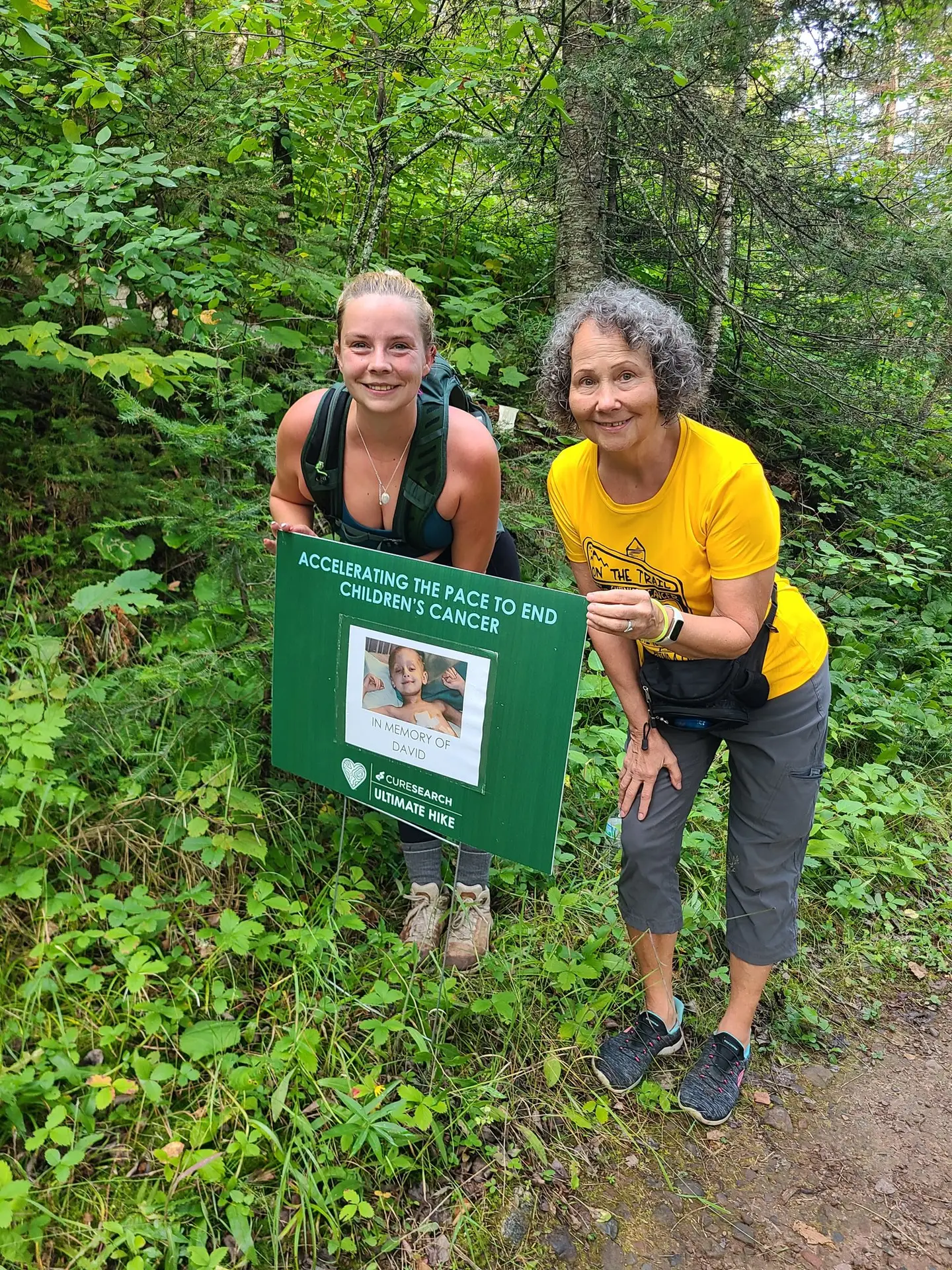
In the landscape of pediatric oncology advocacy, few stories bridge the gap between personal tragedy and collective action as poignantly as the bond between Michele Benyo and Alicia, a former classmate of Benyo’s late son, David. This August, the two women will embark on a 25.5-mile journey along Minnesota’s Superior Hiking Trail as part of the CureSearch Ultimate Hike. The event serves as both a memorial for David Benyo, who succumbed to rhabdomyosarcoma in 2000, and a rigorous fundraising effort to address the systemic underfunding of childhood cancer research. By transforming a decades-old loss into a physical feat of endurance, the participants aim to highlight the ongoing need for specialized pediatric treatments and the enduring impact of childhood cancer on families and communities.
The Diagnostic Journey: A Three-Year Battle with Rhabdomyosarcoma
The medical narrative began in December 1997 when the parents of four-year-old David Benyo discovered a physical abnormality that led to a diagnosis of rhabdomyosarcoma (RMS). RMS is a rare type of cancer that forms in soft tissue—specifically skeletal muscle tissue or sometimes hollow organs such as the bladder or uterus. In David’s case, the primary tumor was described as being the size of a grapefruit, a common characteristic of this aggressive malignancy which often presents as a rapidly growing mass.
For the next two and a half years, David’s life was defined by the rigorous protocols of late-90s pediatric oncology. His initial treatment plan included a combination of intensive chemotherapy, surgical intervention to remove the primary tumor, and multiple blood transfusions to counteract the bone marrow suppression caused by the chemical agents. Despite the grueling nature of the regimen, the initial response was positive. The tumor retreated, and David was granted a period of stability, during which his family participated in a Make-A-Wish trip to Disney World—a milestone often used in pediatric care to provide psychological respite for terminally or chronically ill children.
However, the trajectory of David’s illness took a downward turn shortly after the trip. The cancer returned, metastasizing into his bone marrow. This recurrence necessitated an escalation in treatment, including high-dose chemotherapy and radiation. Notably, David became one of the early recipients of a pediatric stem cell transplant at Minneapolis Children’s Hospital. While the procedure successfully induced a second remission, the malignancy proved resilient, returning for a final time. By early 2000, after exhausting the available medical options and facing the limitations of contemporary pediatric medicine, David and his family opted for palliative care. David passed away in May 2000 at the age of six.
The Evolution of Pediatric Oncology and the Role of Stem Cell Transplants
David’s treatment occurred during a pivotal era in pediatric oncology. In the late 1990s, stem cell transplants—specifically autologous transplants where the patient’s own healthy cells are harvested and re-infused—were becoming more common for high-risk solid tumors like rhabdomyosarcoma. However, the survival rates for recurrent RMS remained, and continue to be, significantly lower than those for localized disease.
According to the American Cancer Society, the five-year survival rate for children with localized rhabdomyosarcoma is approximately 70% to 90%. However, if the cancer has spread to distant parts of the body at the time of diagnosis or recurrence, the survival rate drops to between 20% and 30%. The challenges in treating RMS stem from the biological diversity of the tumors and the tendency of some subtypes, such as alveolar rhabdomyosarcoma, to resist standard chemotherapy. The work of organizations like CureSearch is focused precisely on this gap: finding targeted therapies that can treat resistant strains without the long-term toxicity associated with traditional radiation and high-dose chemical treatments.
A Legacy Preserved: The Intergenerational Bond of Alicia and Michele
While the medical battle ended in 2000, the social and emotional ripples of David’s life continued. Alicia, a kindergarten classmate of David’s at the time of his illness, maintained a lifelong connection with the Benyo family. This relationship underscores a frequently overlooked aspect of pediatric cancer: the impact on the "survivors" of the patient’s peer group. Alicia’s mother had been David’s Sunday school teacher, further intertwining the families’ histories.
For Alicia, the grief of losing a childhood friend manifested as a long-term aversion to the subject of cancer—a common psychological response to early-childhood trauma. However, she remained a presence in Michele Benyo’s life. At her high school graduation, Alicia presented Michele with a locket containing David’s photograph, stating that he was "walking across the stage" with her. This gesture served as a precursor to her current involvement in cancer advocacy.
The motivation for Alicia’s participation in the 2024 Ultimate Hike is twofold. In addition to honoring David’s memory, the hike serves as a memorial for her mother—David’s former teacher—who recently passed away from cancer. This "double loss" has transitioned Alicia from a position of avoidant grief to one of active engagement, lacing up her boots to raise funds for the next generation of pediatric patients.
Statistical Landscape of Childhood Cancer and the Funding Gap
The CureSearch Ultimate Hike is not merely a memorial walk; it is a strategic response to the financial realities of cancer research. Data from the National Cancer Institute (NCI) indicates that while cancer is the leading cause of death by disease among children in the United States, pediatric cancer research receives a disproportionately small fraction of federal funding. Historically, only about 4% of the NCI’s annual budget is directed toward childhood-specific cancers.
This funding disparity places a heavy burden on private non-profits to drive innovation. CureSearch for Children’s Cancer focuses on filling the "valley of death" in drug development—the gap between initial laboratory discovery and the start of clinical trials. By funding Phase I and Phase II clinical trials, the organization helps bring new, less toxic treatments to market faster.
Key statistics driving this advocacy include:
- Long-term Effects: Approximately 60% of childhood cancer survivors experience at least one chronic health condition as a result of their treatment, including heart disease, secondary cancers, and cognitive impairments.
- Incidence: Roughly 15,000 children and adolescents in the U.S. are diagnosed with cancer each year.
- Research Lag: In the last 20 years, only a handful of new drugs have been developed specifically for pediatric use, compared to hundreds for adult cancers.
The CureSearch Ultimate Hike: Mobilizing Philanthropy Through Endurance
The Ultimate Hike is CureSearch’s signature fundraising event, challenging participants to complete a "marathon on a trail"—typically 20 to 30 miles in a single day. The Minnesota event takes place on the Superior Hiking Trail (SHT), a rugged path that follows the rocky ridgeline overlooking Lake Superior.
The 25.5-mile trek requires months of physical training and significant fundraising commitments. Participants are categorized not just as hikers, but as advocates who must share their personal stories to solicit donations. For Michele Benyo and Alicia, the hike represents a physical manifestation of the endurance required by families navigating a cancer diagnosis. The "Ultimate Hike" model has raised millions of dollars since its inception, with proceeds directly supporting the CureSearch Acceleration Fund and the Young Investigator program, which fosters the careers of emerging scientists in the field of pediatric oncology.
The Superior Hiking Trail: A Physical and Symbolic Challenge
The choice of the Superior Hiking Trail for this event is significant. Known for its steep climbs, descents, and technical terrain, the SHT serves as a metaphor for the "rugged" path of cancer treatment. The 25.5-mile section involves traversing old-growth forests and crossing rapid-filled rivers, requiring a level of stamina that mirrors the "fighter" spirit Michele Benyo observed in her son.
David’s self-identification as a "cheetah" during his treatment at age four has become a touchstone for the team. In the context of the hike, this "cheetah" spirit represents the speed and urgency needed in the research community to find cures before more families lose children to the disease.
Impact of Advocacy: Transforming Grief into Scientific Progress
The participation of Michele and Alicia in the Ultimate Hike highlights a shift in how society approaches medical tragedy. Rather than viewing David’s story as a closed chapter, his mother and friend are using it as a catalyst for systemic change. This form of "altruistic mourning" allows survivors to find agency in the face of a disease that often strips patients of control.
As Alicia, now a special needs teacher at the elementary school she once attended with David, prepares for the August trek, the broader implications of her journey become clear. The funds raised by her and Michele will contribute to the clinical trials that were not available to David in 1997. The goal of CureSearch and its hikers is to ensure that the next four-year-old diagnosed with rhabdomyosarcoma has access to targeted therapies that provide a different ending to their story.
The Ultimate Hike stands as a testament to the fact that while some stories do not end with a cure, they can evolve into a legacy of hope and a rigorous pursuit of scientific advancement. For those interested in supporting the cause or joining the trail, registration and donation information are available through the CureSearch official portal, where the community continues to grow, one mile at a time.
