
 By admin
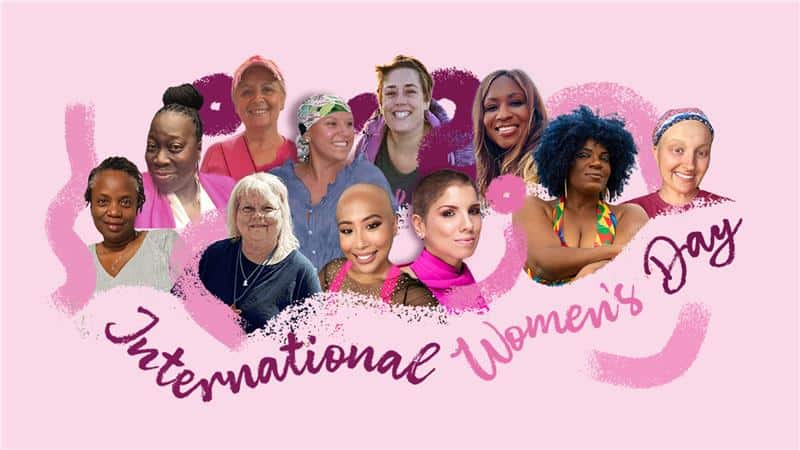
This International Women’s Day, the enduring theme of "Give to Gain" resonates profoundly, underscoring the fundamental truth that societal advancement, particularly in critical areas like public health, is not achieved in isolation. Instead, progress flourishes through collective action, mutual support, and strategic investment in women’s well-being. This philosophy is particularly pertinent to the fight against breast cancer, where the amplification of women’s experiences and unwavering solidarity for those navigating their personal battles become catalysts for hope, connection, and tangible momentum. Giving, in this context, is not a depletion of resources but a deliberate act of multiplication, generating invaluable returns in resilience, knowledge, and collective strength.
At Susan G. Komen, the veracity of this principle is witnessed daily. When a woman bravely shares her story of living with breast cancer, she offers far more than a narrative; she bestows strength upon the newly diagnosed, provides invaluable perspective to caregivers, and injects a vital sense of urgency into the tireless work of researchers and advocates. This reciprocal exchange fosters a powerful ecosystem where every shared experience contributes to a broader understanding, propelling the mission forward and ensuring that no woman faces this journey alone.
International Women’s Day: A Global Imperative for Health Equity
International Women’s Day (IWD), observed annually on March 8th, is a global day celebrating the social, economic, cultural, and political achievements of women. The day also marks a call to action for accelerating women’s equality. Rooted in the early 20th-century labor movements, IWD has evolved into a powerful platform for advocating for women’s rights and highlighting pressing issues that disproportionately affect women worldwide. While the global theme for IWD often varies, organizations like Susan G. Komen adopt specific interpretations that align with their core missions. Komen’s emphasis on "Give to Gain" for IWD foregrounds the critical role of mutual support and shared experiences in advancing women’s health, particularly in the realm of breast cancer.
Breast cancer remains a formidable global health challenge, affecting millions of women annually. According to the World Health Organization (WHO), breast cancer is the most common cancer globally, accounting for 12% of all new cancer cases worldwide. In the United States alone, the American Cancer Society estimates that over 300,000 new cases of invasive breast cancer are diagnosed each year, alongside tens of thousands of cases of non-invasive breast cancer. These statistics underscore the pervasive nature of the disease and the urgent need for continued research, improved access to care, and robust support networks. The "Give to Gain" ethos directly addresses this need by fostering communities where individuals contribute their unique insights and support, thereby strengthening the collective fight against breast cancer.
The Indispensable Role of Patient Narratives in Advocacy and Research
The human stories behind these statistics are the true drivers of change. Patient narratives transform abstract data into relatable experiences, fostering empathy and galvanizing action. For Susan G. Komen, these stories are not merely testimonials; they are critical data points that inform advocacy strategies, shape support programs, and guide research priorities. They reveal the multifarious challenges patients face – from diagnosis and treatment side effects to financial burdens and emotional distress – providing a holistic view that no clinical trial alone can offer.
Over the past year, Komen has highlighted numerous powerful stories that exemplify the "Give to Gain" philosophy. These narratives serve as compelling proof that when experiences are openly shared, or ‘given,’ profound shifts in perspective and an invaluable sense of hope are invariably ‘gained’ by others.
Spotlight on Resilience: Voices from the Breast Cancer Community
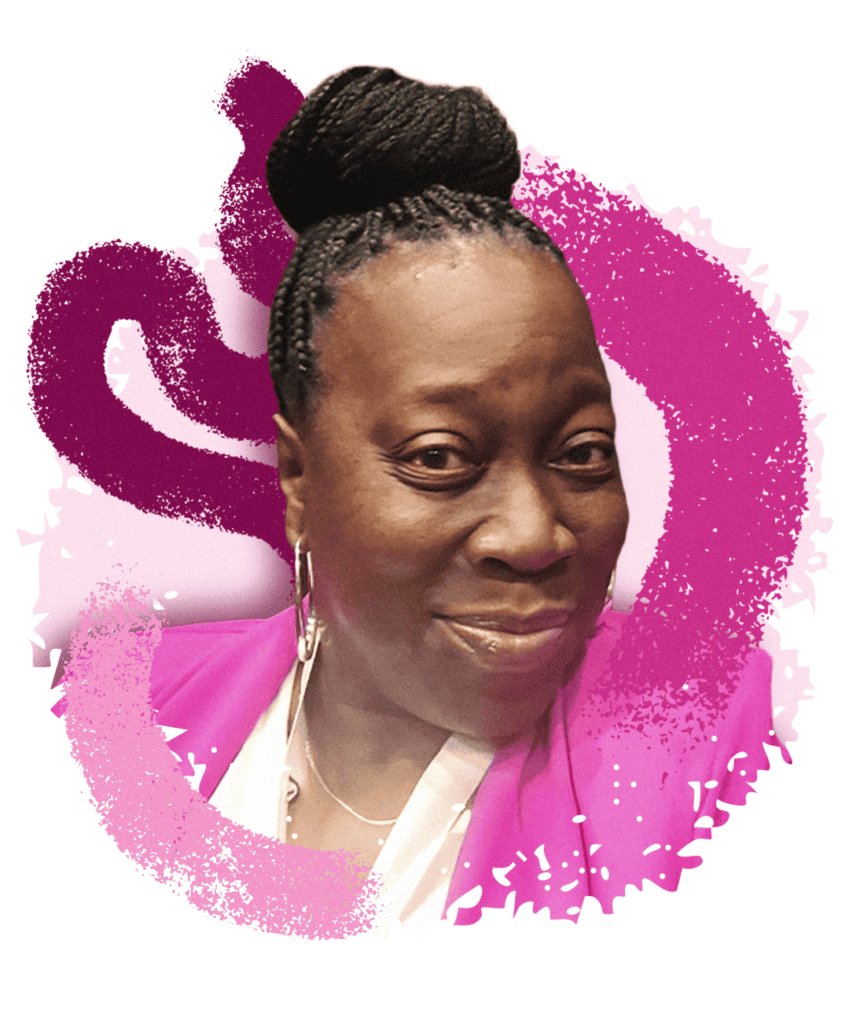
Sabrina Thomas: When the Caregiver Needs Care
Sabrina Thomas’s life was centered around her son, who lives with special needs. This dedication to caregiving meant her own health often took a backseat. However, upon her breast cancer diagnosis in 2023, Sabrina courageously shifted her formidable research and advocacy skills inward. Her journey illuminated a critical, yet often overlooked, aspect of cancer care: the necessity for caregivers to prioritize their own well-being. "I don’t have to be superwoman. At all," Sabrina reflected. "You know, I just need you to be a real person with real emotions and real feelings. And that cancer can’t break me. It actually built me, you know, it’s building me to be a better person, more understanding, more grateful, having more gratitude."
Sabrina’s story underscores the immense pressures faced by informal caregivers. Studies by the National Alliance for Caregiving and AARP consistently show that caregivers often neglect their own health, leading to higher rates of stress, depression, and chronic illness. Her willingness to share this vulnerability offers a powerful message: self-care is not selfish, but essential for sustained strength and resilience, both for the individual and those they care for. Her voice gives permission to countless others to seek support and acknowledge their own needs.
Gaby Natale: Embracing It All
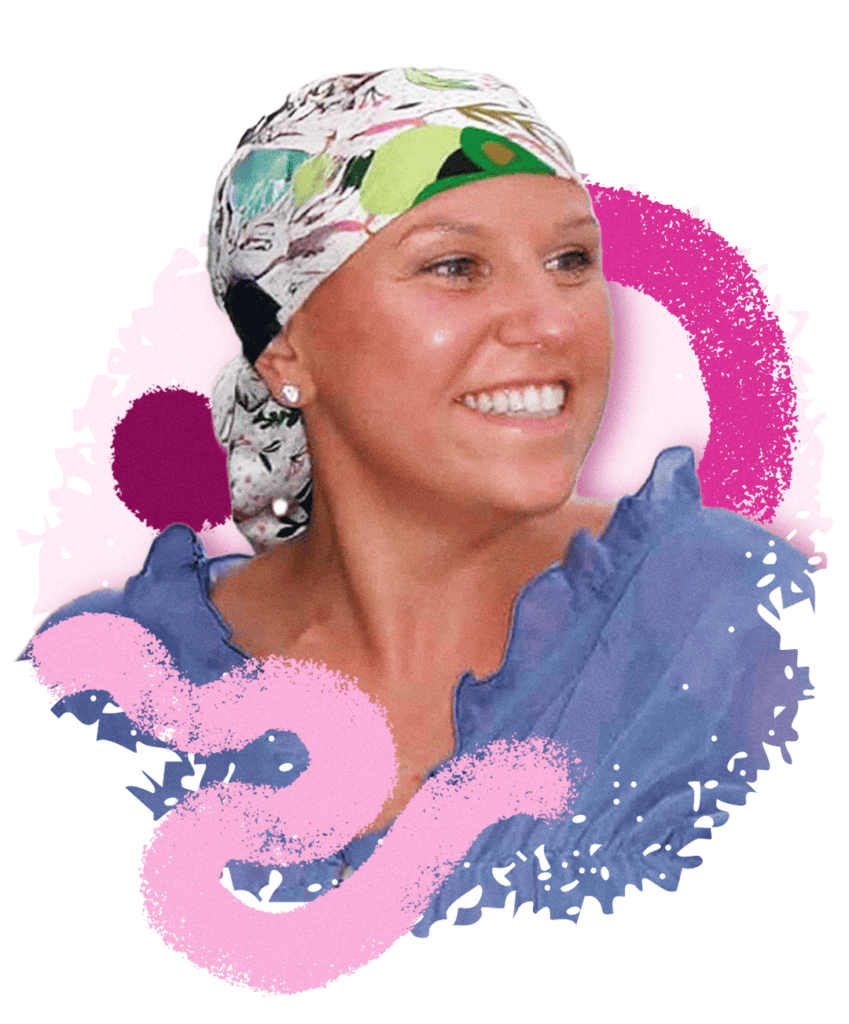
Emmy-award winning entrepreneur and speaker Gaby Natale faced her breast cancer diagnosis with remarkable defiance and creativity. In a poignant act of solidarity and acceptance, she and her husband shaved their heads together. Gaby then embraced wigs, turbans, and headwraps as expressions of her evolving identity, even commissioning a photo shoot to document her transformative new look. Her message resonated deeply: "You can be vulnerable and vibrant. Sick and still yourself. In treatment and still powerful."
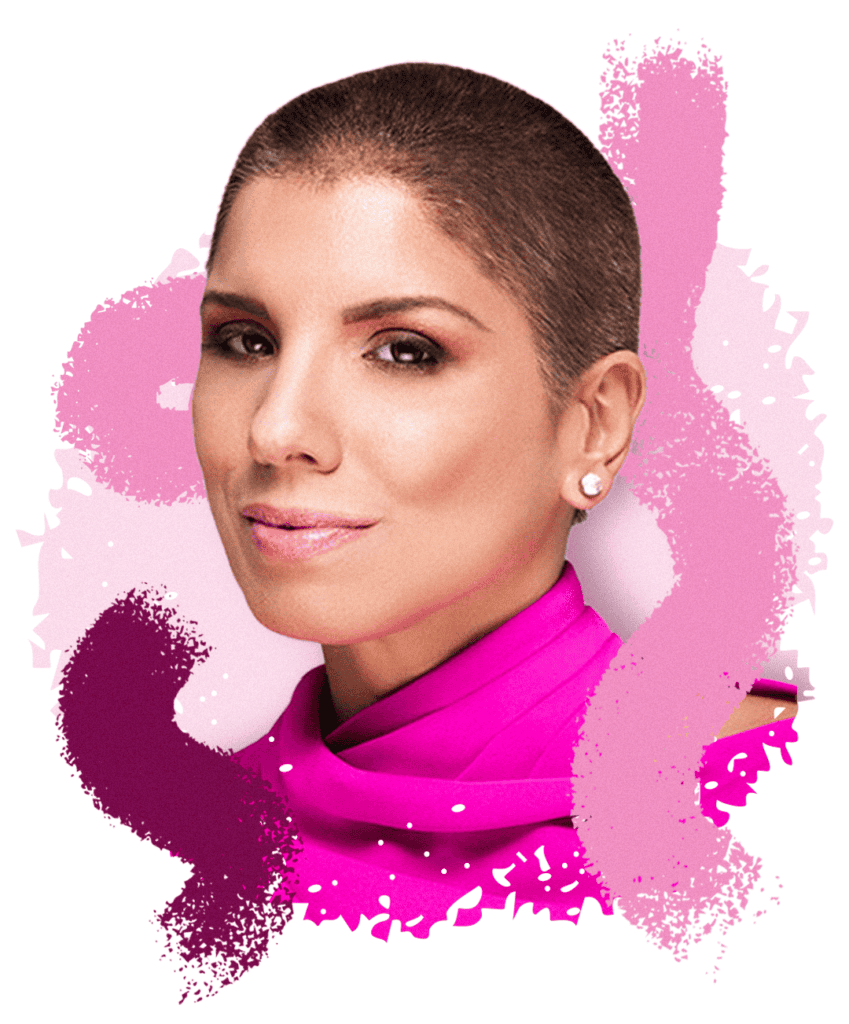
Gaby’s journey speaks to the profound psychological impact of cancer treatments, particularly hair loss, which can be deeply distressing for many women. Her choice to embrace and even celebrate these physical changes challenges conventional beauty standards and empowers others to find strength and self-worth beyond their appearance. Her public stance helps normalize the physical realities of cancer treatment, fostering an environment where vulnerability is seen as a source of power, not weakness.
Monique Stamps: Health Equity Hero
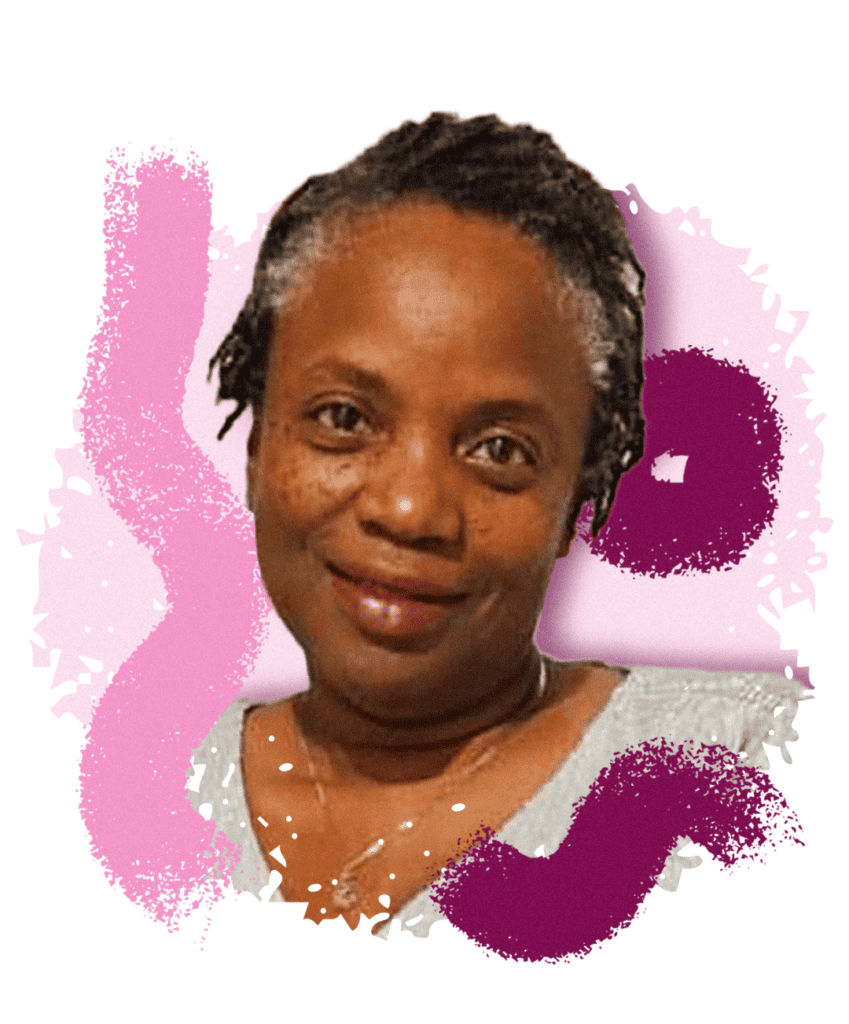
Monique Stamps stands as a tireless advocate for accessible, equitable, and high-quality healthcare, with a particular focus on women with disabilities. She champions equal access to breast and OB/GYN care, pushing for inclusion and equality in healthcare systems often ill-equipped to serve this demographic. "I’m just hoping that things don’t go back," Monique stated, referring to progress made. "But even if they do, the determination and fight that people with disabilities have in us gives me hope. We never stop pushing for change. So that alone gives me hope."
Monique’s activism highlights severe health disparities. Women with disabilities face significant barriers to healthcare, including inaccessible facilities, lack of appropriate diagnostic equipment, and provider bias. These barriers contribute to delayed diagnoses and poorer health outcomes. According to the Centers for Disease Control and Prevention (CDC), women with disabilities are less likely to receive routine preventive screenings, including mammograms. Monique’s voice is critical in demanding systemic changes that ensure all women, regardless of ability, have equitable access to life-saving screenings and treatment.
Joi White: Clarity After Cancer
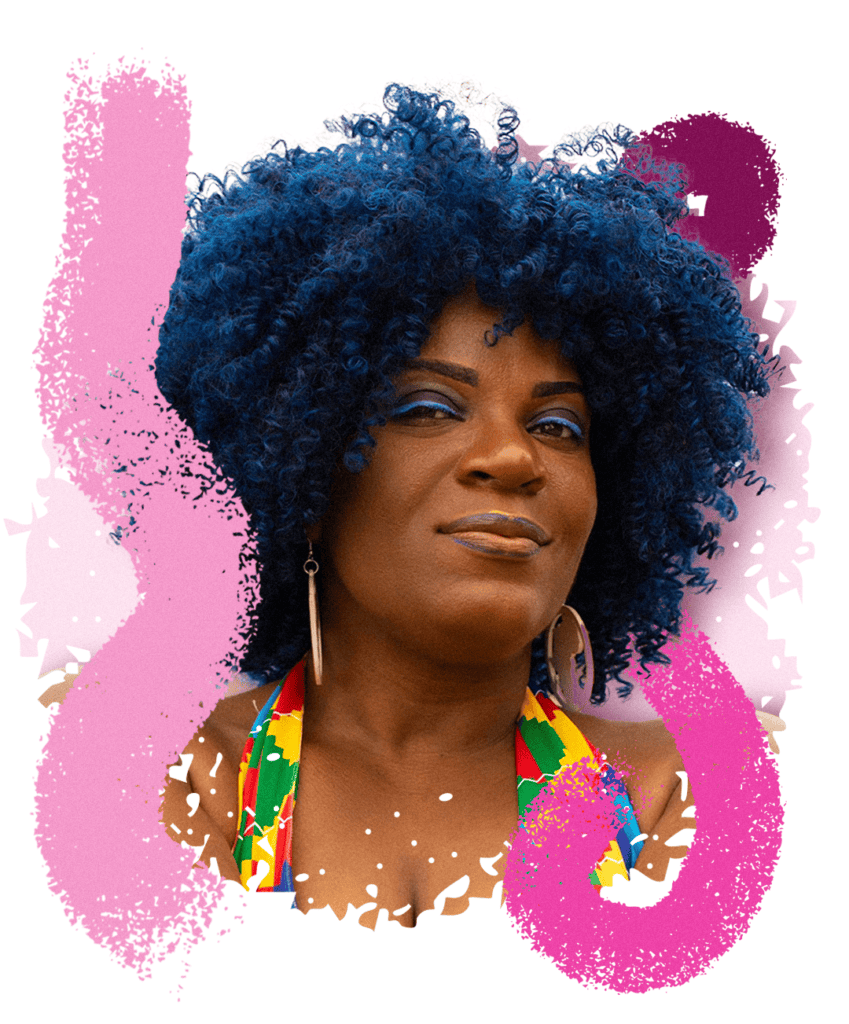
Joi White’s breast cancer journey was fraught with setbacks, including an adverse reaction to radiation therapy and subsequent infections. Yet, through these profound challenges, she found an unexpected gift: clarity. Her experience taught her to prioritize herself and her health, a lesson she now fervently encourages others to adopt. "Breast cancer changed my outlook by giving me clarity. It made me radically intentional. I no longer pour into spaces or people who don’t honor me. Now I protect my peace. I trust my intuition. I show up fully, even if that means resting when I need to."
Joi’s narrative exemplifies the concept of "post-traumatic growth," where individuals find positive psychological change after experiencing adversity. Her journey underscores the importance of self-prioritization and setting boundaries, especially in the demanding aftermath of cancer treatment. This profound shift in perspective, born from struggle, offers a powerful roadmap for others seeking to reclaim their lives and well-being post-diagnosis.
Linda Norman: Moving and Managing MBC
Years after her initial breast cancer diagnosis, Linda Norman received the devastating news of metastatic breast cancer (MBC), meaning her cancer had spread to other parts of her body. Confronted with this challenging prognosis, Linda quickly discovered the transformative power of exercise and physical therapy as keys to improving her quality of life. "Physical therapy kept me motivated to keep moving. It’s hard to be motivated when you feel awful, but exercise is something that is so beneficial for your mind and body."
Metastatic breast cancer, while not curable, is increasingly manageable, with exercise playing a crucial role in symptom management and overall well-being. Research consistently shows that physical activity can reduce fatigue, improve mood, and even extend survival in patients with MBC. Linda’s story is a testament to the resilience of the human spirit and the practical benefits of integrating physical activity into a comprehensive treatment plan for advanced cancer.
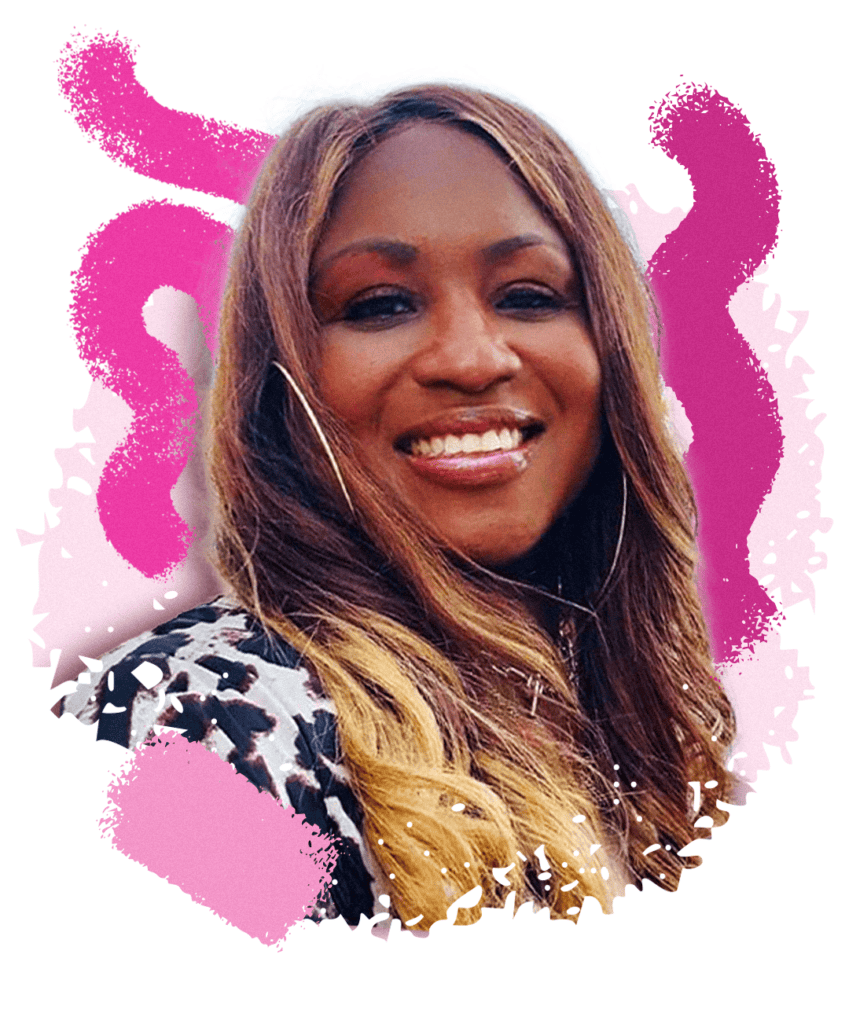
Roxanne Caletena: Focusing on Fitness & Kayla Alexander: Going the Distance
Roxanne Caletena, a young breast cancer survivor, found immense strength, both literally and figuratively, through her commitment to fitness. She regularly attended boxing classes and remarkably completed a half-marathon at both the beginning and end of her treatment. "This journey opened up my vulnerability, and I was amazed to see how many people out there wanted to help me and show their support and love. I am so grateful for that."
Similarly, Kayla Alexander, a group fitness instructor in her 20s, was shocked to receive a breast cancer diagnosis at such a young age. Despite the unexpected turn, she was determined to "go the distance" in her journey, finding herself along the way. "Cancer has made me journal more, speak more freely, be happier each day and appreciate life more. I did lose some friends who could not handle watching me go through what I did, but I gained more amazing friends who I wouldn’t imagine tomorrow without."
These two stories collectively highlight the unique challenges faced by young adults diagnosed with breast cancer. The emotional, social, and physical impacts can be particularly isolating for individuals in their 20s and 30s. Their emphasis on fitness, resilience, and the unexpected community found through adversity provides vital inspiration for other young survivors. The incidence of breast cancer in women under 40, while lower than in older age groups, is a significant concern, often leading to more aggressive forms of the disease. Their experiences underscore the importance of self-advocacy and building supportive networks at any age.
Tina: Empowered by Education
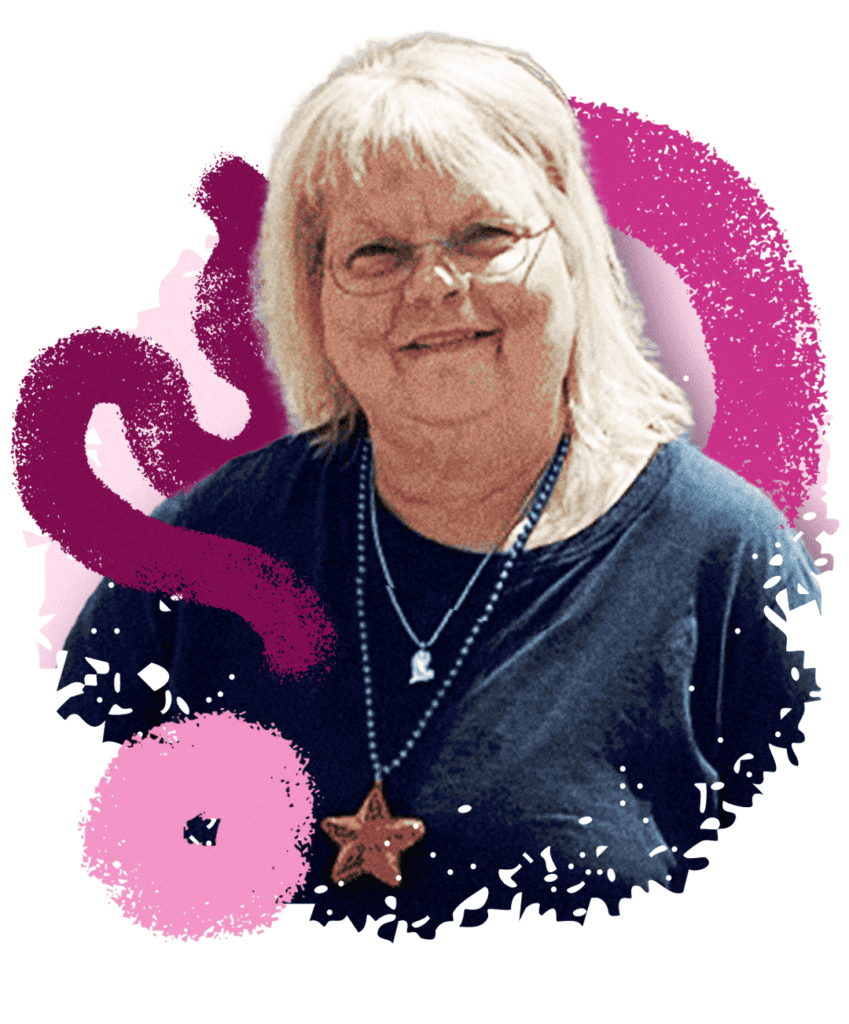
Tina’s personal breast cancer diagnosis in 2020 came two decades after she had closely supported a friend through her own treatment. This prior experience had driven Tina to research her friend’s diagnosis, inadvertently equipping her with a foundational understanding. When her turn came, she continued her diligent research, which helped her acknowledge and accept her body’s changes. She strongly advocates for patient education and participation in clinical trials. "I believe people should be active in their treatment and educate themselves, so they’ll know what to expect."
Tina’s story champions patient empowerment through knowledge. In an increasingly complex healthcare landscape, informed patients are better able to make decisions about their care, understand treatment options, and navigate the healthcare system. The emphasis on clinical trials is also crucial, as these studies are the bedrock of medical advancement, leading to new and improved treatments. Patient participation is essential for the progression of breast cancer research.
Shawna Bramel: Embracing the Emotional
After enduring the heartbreak of a miscarriage, Shawna Bramel was dealt another profound blow: a Stage 2B, triple-negative breast cancer diagnosis. As a medical social worker, she possessed professional expertise in helping patients navigate complex health crises, an expertise she then turned inward. Now a cancer survivor, Shawna cherishes her family more deeply each day. "I put on my social work hat and went into full-force fight mode. I researched everything and familiarized myself with treatment options so I could make informed decisions for myself."
Shawna’s experience underscores the immense emotional and psychological toll that cancer can exact, particularly when compounded by other significant life traumas. Triple-negative breast cancer (TNBC) is known for its aggressive nature and limited targeted treatment options, making a diagnosis particularly challenging. Her ability to leverage her professional skills for self-advocacy highlights the critical role of emotional intelligence and informed decision-making in cancer treatment. Her journey emphasizes the need for comprehensive psychosocial support alongside medical care.
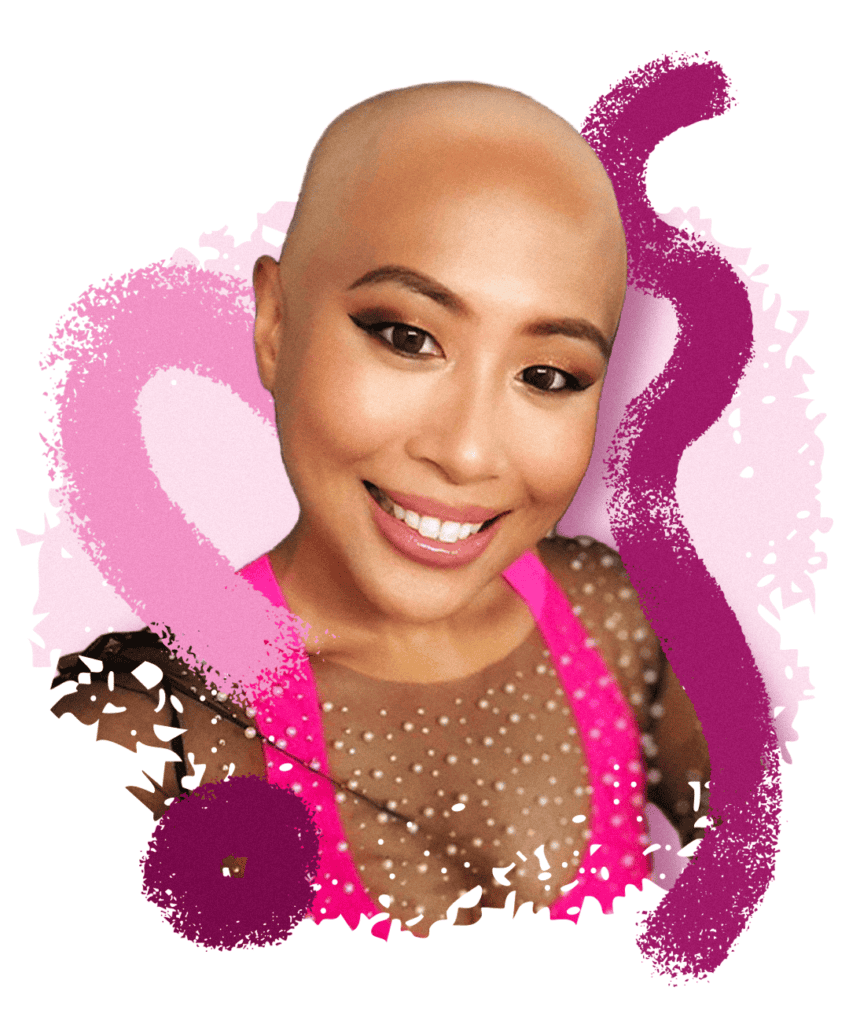
Luana Maddelena: Trust Your Instincts
When Luana Maddelena discovered a lump in her breast, she instinctively knew she needed medical attention, and critically, she sought a second opinion. Her unwavering self-advocacy led her to a breast cancer diagnosis and successful treatment, transforming her into a passionate fundraiser for breast cancer research. "My cancer wasn’t detected by a mammogram; it was detected by me. You have to be in tune with yourself and keep up with your self-checks."
Luana’s story serves as a powerful reminder of the importance of self-breast exams and trusting one’s own body. While mammograms are vital screening tools, they are not infallible, and dense breast tissue can sometimes obscure abnormalities. Her advocacy for self-awareness and seeking multiple medical opinions empowers women to be proactive participants in their health journey, potentially leading to earlier detection and improved outcomes.
Alexis Ruggles: Raising Kids, Raising Awareness
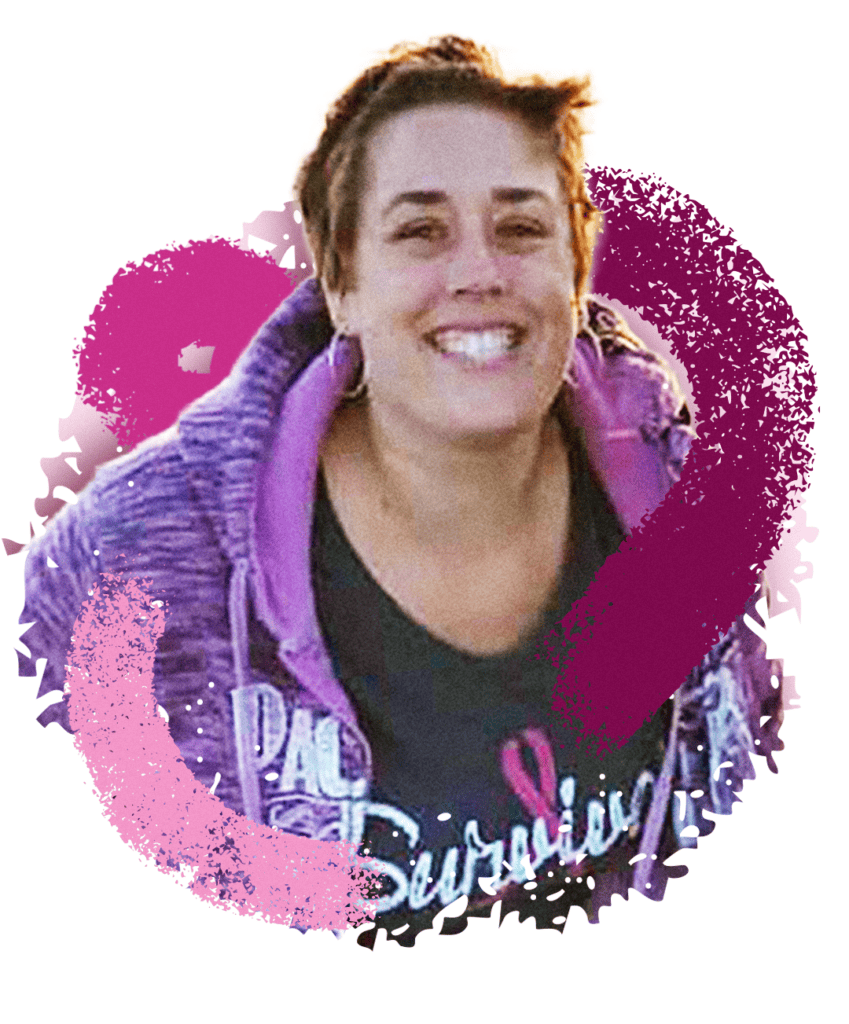
Life rarely slows down for a breast cancer diagnosis, a truth Alexis Ruggles intimately understands. Juggling her fight against Stage 3 triple-positive breast cancer with the demands of a family – including her husband and three children – Alexis prioritized her loved ones while simultaneously spreading awareness within her community. "It brought amazing people into my life – and it excused people that don’t fit anymore. It brought my husband and me closer, my kids learned what strength looks like and we spread awareness about breast cancer in our community."
Alexis’s narrative highlights the profound impact of cancer on family dynamics and the incredible resilience required to manage treatment while maintaining a semblance of normal life. Her decision to use her experience to raise awareness underscores the ripple effect of individual action, transforming personal struggle into community benefit. Her story illustrates how a cancer journey, while harrowing, can also forge stronger bonds and cultivate a deeper appreciation for life and community support.
The Broader Impact: Data, Research, and Komen’s Advocacy
The collective power of these individual stories fuels the broader mission of Susan G. Komen. Beyond direct patient support, Komen is a leading funder of breast cancer research, investing millions annually into groundbreaking studies aimed at understanding the disease, developing new treatments, and ultimately finding cures. Their advocacy efforts extend to policy-making, working to ensure equitable access to care, affordability of treatments, and robust funding for research.
For instance, Komen actively advocates for legislation that improves access to quality screening and diagnostic services, particularly for underserved populations. They also push for policies that support metastatic breast cancer research and ensure patient-centered care. The data gleaned from patient experiences, such as the challenges faced by Monique Stamps, directly informs these advocacy initiatives, making them more targeted and effective.
The "Give to Gain" model is not only about emotional support but also about the tangible benefits that arise from shared data and participation. When patients share their treatment experiences, side effects, and outcomes, this real-world evidence can supplement clinical trial data, providing a more comprehensive understanding of drug effectiveness and patient quality of life. This collaborative approach between patients, advocates, and researchers accelerates progress toward a world without breast cancer.
Official Responses and Organizational Commitment
Susan G. Komen’s leadership consistently articulates the organization’s unwavering commitment to its mission. "Every story shared is a beacon of hope and a call to action," a Komen representative might state, emphasizing the profound impact of patient voices. "On International Women’s Day, we reaffirm our dedication to supporting every woman facing breast cancer, investing in groundbreaking research, and advocating for policies that ensure equitable care for all. The ‘Give to Gain’ principle is embedded in everything we do, recognizing that our collective strength is our greatest asset in this fight."
This commitment translates into tangible programs, including the Komen Patient Care Center, which offers free, personalized support, financial assistance, and resources to breast cancer patients and their families. Their extensive network of community programs provides education, screening, and treatment services to underserved populations, aiming to reduce disparities in breast cancer outcomes.
Conclusion: A Multiplicative Force for Progress
Behind every story highlighted above is a woman who chose courage over silence, vulnerability over isolation. These women ‘gave’ their personal narratives so that countless others could find strength, reassurance, and a sense of belonging. They shared their voices so that another woman, perhaps newly diagnosed or feeling overwhelmed, could feel seen, understood, and less alone. They ‘gave’ their truth, their raw experiences, so that the march of progress against breast cancer could accelerate.
This is the profound, multiplicative power of "giving to gain." It is the enduring power of Susan G. Komen’s mission, fueled by the indomitable spirit of women worldwide. It is a testament to the fact that when individuals unite, share their burdens, and celebrate their triumphs, they create a force capable of transforming lives and shaping a healthier future for all. As we reflect on International Women’s Day, these stories serve as a potent reminder that every act of sharing, every moment of support, contributes to a collective gain that echoes far beyond the individual, creating a legacy of hope and healing.
