
 By Gabriel Paijo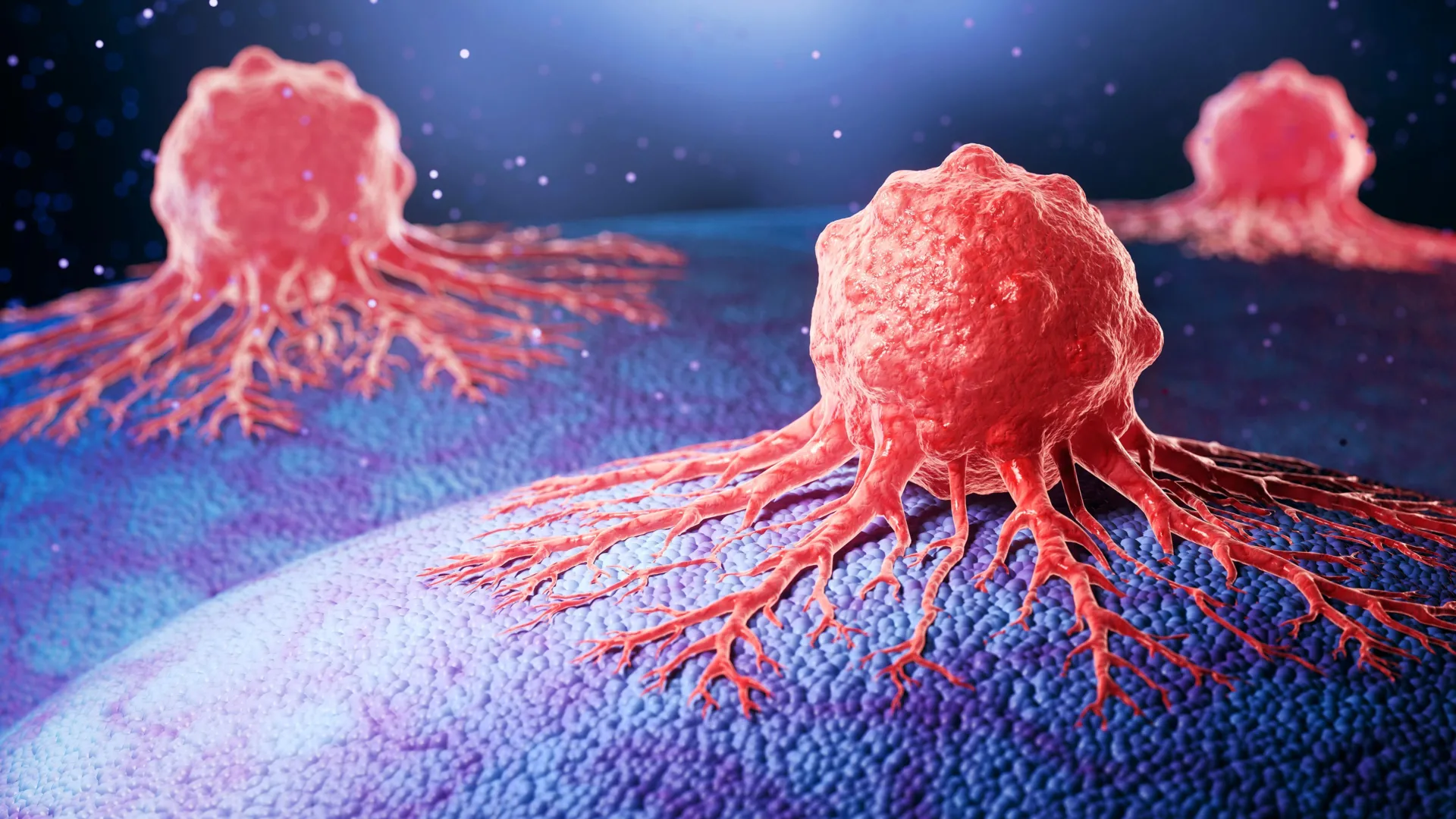
The landscape of oncology is being reshaped by a significant discovery from Brazil, where researchers have identified a specific molecular mechanism that allows pancreatic cancer to spread during its earliest stages. Published in the prestigious journal Molecular and Cellular Endocrinology, the study elucidates how a protein known as periostin, working in tandem with specialized pancreatic stellate cells, facilitates the invasion of cancer cells into nearby nerves. This biological "hijacking" of the nervous system not only explains the aggressive nature of the disease but also provides a potential roadmap for the development of targeted therapies in an area of medicine that has seen little progress in survival rates over the last several decades.
Pancreatic ductal adenocarcinoma (PDAC), which constitutes approximately 90% of all pancreatic cancer diagnoses, remains one of the most lethal malignancies globally. Unlike other forms of cancer where early detection leads to high cure rates, pancreatic cancer is often asymptomatic until it has reached an advanced stage. The Brazilian study, conducted by a multidisciplinary team of scientists, suggests that the tumor’s ability to infiltrate the nervous system—a process called perineural invasion—is a primary driver of its high mortality rate. By understanding the interaction between the tumor and its surrounding environment, known as the stroma, researchers are now looking toward a future where precision medicine can disrupt these pathways before the cancer becomes untreatable.
The Biological Mechanism of Perineural Invasion
At the heart of the research is the discovery that pancreatic tumors do not exist in isolation. Instead, they actively recruit and "reprogram" surrounding healthy cells to assist in their expansion. The study highlights the role of pancreatic stellate cells (PSCs), which are typically dormant in a healthy pancreas. When cancer is present, these cells become activated and begin producing excessive amounts of periostin, a protein involved in tissue remodeling and the maintenance of the extracellular matrix.
The extracellular matrix acts as the architectural framework for organs. Under normal conditions, it provides structural support and biochemical signaling. However, in the presence of pancreatic cancer, periostin alters this matrix, creating a "pathway" or bridge that allows malignant cells to migrate toward and eventually penetrate the nerves. Once the cancer cells latch onto a nerve fiber, they utilize the nervous system as a physical conduit to move away from the primary tumor site.
Dr. Helder Nakaya, a senior researcher at Einstein Israelite Hospital and a professor at the University of São Paulo’s School of Pharmaceutical Sciences, emphasizes that this is not a passive process. The research utilized advanced single-cell transcriptomics to map the activity of thousands of genes within individual cells. This high-resolution data allowed the team to see exactly how the stroma—the connective tissue surrounding the tumor—was being manipulated. Rather than acting as a barrier to the cancer, the stroma was effectively turned into a support system that facilitated the tumor’s growth and eventual metastasis.
Statistical Reality: A Global and National Crisis
The urgency of this research is underscored by the grim statistics associated with pancreatic cancer. Globally, the disease claims nearly as many lives as it diagnoses each year. According to recent health data, approximately 510,000 new cases are reported annually worldwide, with a mortality rate that mirrors this figure. In Brazil, the National Cancer Institute (INCA) estimates 11,000 new cases and roughly 13,000 deaths annually, highlighting a disparity that often stems from late-stage diagnosis and the aggressive nature of the disease.
"Pancreatic cancer is notoriously difficult to treat because of its late presentation and its resistance to conventional therapies," says Pedro Luiz Serrano Uson Junior, an oncologist and one of the study’s primary authors. "Currently, the five-year survival rate for patients sits at a meager 10%. The discovery of the periostin pathway gives us a specific target to investigate, which is essential for improving these outcomes."
The study points out that perineural invasion is present in more than half of all pancreatic cancer cases at the time of diagnosis. However, because this invasion occurs at a microscopic level, it is frequently only discovered during post-operative biopsies. By the time a surgeon removes a tumor, the cancer cells may have already utilized the "nerve highway" to seed themselves in other parts of the body, leading to recurrence and death even after a seemingly successful surgery.
The Fortress Effect: Why Treatments Often Fail
One of the most significant hurdles in treating pancreatic cancer is the "desmoplastic reaction." This is a phenomenon where the tumor induces the growth of dense, fibrous tissue around itself. This fibrous "shell" creates a high-pressure environment that collapses blood vessels and prevents chemotherapy and immunotherapy drugs from reaching the cancerous cells.
The Brazilian study found that periostin and stellate cells are central to this desmoplastic response. By stiffening the tissue and creating an inflammatory microenvironment, the cancer effectively builds a fortress that shields it from the patient’s immune system and medical interventions. This protective barrier explains why many promising drugs that work in a laboratory setting fail to produce results in human clinical trials for pancreatic cancer.
By identifying periostin as a key architect of this fortress, the researchers have opened the door to "stroma-targeting" therapies. If clinicians can find a way to inhibit periostin or deactivate the stellate cells, they may be able to soften the tumor environment, making it more permeable to existing chemotherapy agents like Gemcitabine or Folfirinox.
Research Methodology and the Power of Data
The study was conducted at the Center for Research on Inflammatory Diseases (CRID), a Research, Innovation, and Dissemination Center (RIDC) funded by the São Paulo Research Foundation (FAPESP). The team, led by researcher Carlos Alberto de Carvalho Fraga, adopted an innovative approach by integrating their own laboratory findings with large-scale public genomic databases.
By analyzing 24 specific pancreatic cancer samples with high-resolution tools, the team was able to observe the spatial distribution of cells. This "spatial transcriptomics" allows scientists to see not just which genes are active, but where those cells are located in relation to the tumor and the nerves. This revealed that the highest concentrations of periostin were consistently found at the interface between the tumor and the nervous system, providing clear evidence of the protein’s role in invasion.
"The use of public databases allowed us to validate our findings across a much larger cohort," explains Dr. Nakaya. "We were able to ask questions that the original data collectors hadn’t considered, proving that periostin levels are a reliable marker for cancer aggressiveness across different populations."
Future Implications for Precision Medicine
The ultimate goal of this research is the transition toward precision medicine. Currently, pancreatic cancer treatment is largely standardized, but the Brazilian team believes that future protocols will be dictated by the specific molecular profile of a patient’s tumor.
"We are moving toward an era where we treat the molecular change, not just the organ," says Uson. "If a biopsy shows high levels of periostin or activated stellate cells, we could theoretically administer a targeted antibody to block that pathway before the cancer has a chance to invade the nerves."
Clinical trials are already underway for other types of cancer—such as breast and intestinal cancers—testing antibodies that target periostin. The success of these trials could pave the way for rapid adaptation to pancreatic cancer treatment. Furthermore, because perineural invasion is a common feature in several types of aggressive cancers, the implications of this study reach far beyond the pancreas.
Conclusion and Next Steps
While the discovery of the periostin-stellate cell axis is a major milestone, the researchers caution that much work remains before these findings translate into bedside treatments. The next phase of research will involve laboratory models to test the efficacy of periostin inhibitors in slowing the progression of nerve invasion.
The study serves as a testament to the importance of foundational research into the tumor microenvironment. For decades, the focus of oncology was almost exclusively on the cancer cells themselves. This Brazilian study reinforces a growing consensus in the scientific community: to defeat cancer, we must not only attack the seeds but also change the soil in which they grow.
As the global medical community continues to struggle with the rising incidence of pancreatic cancer, the insights provided by the researchers at CRID and the University of São Paulo offer a rare glimmer of hope. By deconstructing the "hidden support system" of the tumor, science is finally beginning to catch up with one of the most elusive and deadly diseases known to man. In the coming years, the ability to block early-stage invasion could be the difference between a terminal diagnosis and a manageable, treatable condition.
