
 By Gabriel Paijo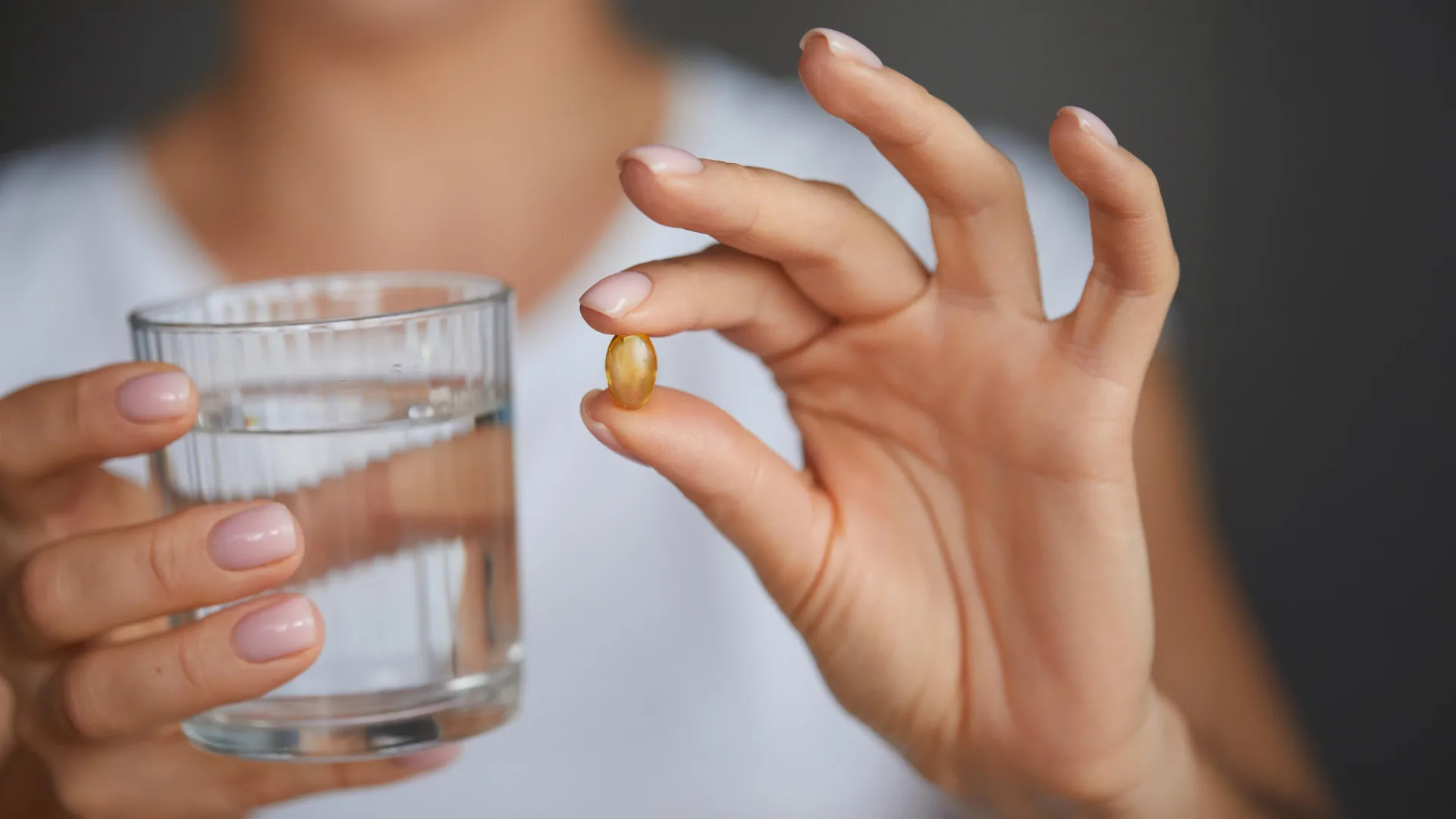
The role of micronutrients in combating respiratory viruses has remained a cornerstone of nutritional science for decades, but few substances have garnered as much intense public and scientific scrutiny as Vitamin D during the global COVID-19 pandemic. A comprehensive new study led by investigators at Mass General Brigham has provided much-needed clarity on this subject, revealing that while high-dose Vitamin D3 supplementation does not appear to reduce the immediate severity of COVID-19 infections or prevent household transmission, it may offer a "promising signal" in the prevention of Long COVID symptoms. The findings, derived from the Vitamin D for COVID-19 (VIVID) Trial, were recently published in The Journal of Nutrition, marking a significant milestone in the ongoing effort to understand the post-acute sequelae of SARS-CoV-2.
The VIVID Trial was designed to address the conflicting data that emerged during the early stages of the pandemic. While observational studies frequently suggested that individuals with higher serum levels of Vitamin D experienced milder cases of COVID-19, these correlations often failed to account for confounding factors such as socio-economic status, baseline health, and outdoor activity levels. By utilizing a randomized, double-blind, placebo-controlled framework—the gold standard of clinical research—the Mass General Brigham team sought to determine if there was a causal link between acute supplementation and improved clinical outcomes.
The Scope and Methodology of the VIVID Trial
The VIVID Trial was a massive undertaking that spanned multiple years and two geographically distinct populations: the United States and Mongolia. This international approach allowed researchers to observe the effects of Vitamin D in regions with varying levels of natural sunlight and baseline nutritional status. The study enrolled a total of 1,747 adults who had recently tested positive for COVID-19, along with 277 of their household contacts who were at high risk of contracting the virus.
The supplementation protocol was rigorous. Participants in the active group received a "loading dose" of 9,600 IU of Vitamin D3 daily for the first two days of the study, followed by a daily maintenance dose of 3,200 IU for the remainder of the four-week period. This dosage is significantly higher than the standard Recommended Dietary Allowance (RDA) of 600 to 800 IU, reflecting the "high-dose" strategy often hypothesized to be necessary for acute immune support. The placebo group received an identical-looking capsule containing no active Vitamin D.
To ensure the integrity of the data, the research team, led by senior author JoAnn Manson, MD, DrPH, and lead authors Davaasambuu Ganmaa and Kaitlyn Cook, employed stratified randomization. This statistical technique balanced the two groups based on critical variables known to influence COVID-19 outcomes, including age, biological sex, body mass index (BMI), race/ethnicity, and vaccination status. This level of control was essential for isolating the specific impact of the supplement from the myriad of other factors that dictate how a patient recovers from a viral infection.
Chronology of the Research and Pandemic Context
The timeline of the VIVID Trial reflects the evolving landscape of the pandemic. The U.S. portion of the study commenced in December 2020, just as the first vaccines were becoming available, and continued through September 2022. This period covered the rise and fall of several major variants, including Alpha, Delta, and the initial Omicron waves. The Mongolian arm of the study took place between September 2021 and April 2022.
On average, participants began their regimen within three days of receiving a positive test result. This rapid intervention was intended to capture the "viral phase" of the illness, where immune modulation is thought to be most effective. By intervening early, the researchers hoped to see a reduction in the inflammatory response that often leads to hospitalization and severe respiratory distress.
Analyzing the Primary Findings: Acute Severity and Transmission
Despite the high hopes of many in the nutritional and medical communities, the primary results of the trial were largely null regarding the acute phase of the illness. Over the four-week observation period, the researchers found no statistically significant difference between the Vitamin D group and the placebo group in terms of healthcare utilization.
Healthcare utilization was defined broadly to include hospitalizations, emergency room visits, and both in-person and virtual clinic consultations. Furthermore, the severity of symptoms reported by patients did not differ meaningfully between the two cohorts. Perhaps most discouraging for those hoping for a preventative miracle, the high-dose Vitamin D3 did not lower the probability of household contacts becoming infected. This suggests that while Vitamin D is essential for general immune function, acute supplementation at the time of exposure does not provide a "shield" against the highly transmissible SARS-CoV-2 virus.
"While we didn’t find that high-dose vitamin D reduced COVID severity or hospitalizations, we observed a promising signal for long COVID that merits additional research," stated Dr. JoAnn Manson, a prominent physician-epidemiologist at Mass General Brigham. Her assessment highlights a shift in focus from the acute crisis of the infection to the chronic burden of its aftermath.
The Long COVID Signal: A Shift in Perspective
The most compelling data to emerge from the VIVID Trial concerned the eight-week follow-up period. When the researchers analyzed participants who strictly adhered to the study protocol—meaning they took their supplements or placebos consistently as directed—a distinct pattern began to emerge. These individuals appeared less likely to report the lingering, often debilitating symptoms known as Long COVID.
Among the participants in the Vitamin D group, 21% reported at least one persistent symptom eight weeks after their initial infection. In contrast, 25% of the placebo group reported such symptoms. While a 4% difference may seem modest, in the context of a global pandemic affecting hundreds of millions of people, such a reduction could translate into millions of fewer cases of chronic illness. The researchers described this finding as "borderline statistically significant," a term used in science to indicate a trend that suggests a real effect but requires a larger sample size to confirm with absolute certainty.
Long COVID remains one of the most challenging aspects of the pandemic for the medical community. Symptoms range from chronic fatigue and "brain fog" to shortness of breath and cardiovascular complications. The possibility that a low-cost, widely available supplement like Vitamin D could mitigate these risks is a significant development for public health policy.
Scientific Analysis and Implications
The lack of impact on acute severity, contrasted with the potential benefit for Long COVID, suggests that Vitamin D’s role in COVID-19 may be more about "regulatory recovery" than "antiviral defense." Vitamin D is known to modulate the renin-angiotensin system and the expression of ACE2—the very receptor the virus uses to enter cells. It also plays a role in dampening the "cytokine storm," an overactive immune response that causes tissue damage.
It is possible that the four-week supplementation period was insufficient to change the course of an active, fast-moving infection but was just enough to stabilize the immune system as it transitioned into the recovery phase. This hypothesis aligns with Manson’s call for further research into whether long-term, sustained Vitamin D levels—rather than just acute "rescue" doses—provide a more robust defense against the chronic inflammation associated with Long COVID.
From a public health perspective, the VIVID Trial reinforces the idea that there are no shortcuts in pandemic management. Supplements cannot replace vaccines or traditional medical interventions for acute illness. However, the trial also validates the continued study of nutrition as a component of "whole-person" recovery.
Expert Reactions and Future Directions
The scientific community has reacted to the VIVID Trial with a mixture of caution and curiosity. Critics of supplement-heavy approaches point to the primary null findings as proof that Vitamin D is not a "magic bullet" for COVID-19. Conversely, proponents of nutritional medicine see the Long COVID signal as a victory, noting that even a slight reduction in chronic morbidity is worth pursuing given the low risk and cost of Vitamin D3.
Dr. Manson and her colleagues are already looking toward the next steps. "Long COVID continues to significantly impact people’s lives," Manson emphasized. "We hope to conduct further research in larger populations on whether long-term vitamin D supplementation reduces the risks and severity of long COVID."
Future studies may focus on specific demographics that are more prone to Vitamin D deficiency, such as the elderly or those with higher skin melanin content, to see if the benefits are more pronounced in those groups. Additionally, researchers may investigate whether starting supplementation before infection (prophylaxis) yields better results than starting after a positive test.
Conclusion
The VIVID Trial stands as one of the most rigorous examinations of Vitamin D in the era of COVID-19. By providing a clear "no" to the question of whether acute high-dose supplementation can stop the virus in its tracks or prevent hospitalizations, it allows the medical community to move past early pandemic myths. However, by providing a "maybe" regarding Long COVID, it opens a vital new door in the study of chronic recovery.
As the world transitions from the acute phase of the pandemic into a period of managing its long-term consequences, the findings from Mass General Brigham offer a glimmer of hope. While Vitamin D may not be the cure for COVID-19, it remains a critical piece of the puzzle in understanding how we might protect the human body from the lingering shadows of the virus. For now, the message for the public is one of balanced caution: maintain healthy Vitamin D levels for general wellness, but continue to rely on proven medical strategies for the prevention and treatment of acute COVID-19.
