
 By admin
 The scenic stretch of Highway 61 between Two Harbors and Duluth, Minnesota, is set to transform into a corridor of resilience and philanthropy as thousands of athletes converge for the annual Grandma’s Marathon weekend. While the event is renowned for its breathtaking views of Lake Superior and its fast, point-to-point course, the 2024 iteration carries a profound significance for members of Team CCRF. Representing the Children’s Cancer Research Fund (CCRF), these runners are not merely chasing personal records; they are leveraging the platform of one of America’s premier distance races to secure the future of pediatric oncology. Among those lacing up for the 26.2-mile journey are Tim Lapping and Tami Swenson, two individuals whose motivations are rooted in deep personal experience and a professional understanding of the critical need for medical advancement.
The Significance of Grandma’s Marathon in the National Racing Circuit
Established in 1977, Grandma’s Marathon has grown from a local race with 150 participants into a world-class event that anchors the Duluth economy and the international running calendar. As the 12th largest marathon in the United States, it attracts nearly 20,000 participants across its various weekend events, including the Garry Bjorklund Half Marathon and the William A. Irvin 5K. The economic impact on the city of Duluth is estimated to exceed $20 million annually, but the social impact—driven by charity partners like Team CCRF—is often measured in the lives changed through the funds raised on the course.
For many athletes, Grandma’s Marathon represents the "Boston Qualifier" of the Midwest, known for its cool lakeside temperatures and net-downhill elevation profile. However, for those running with a mission, the physical challenges of the course serve as a metaphor for the grueling journey faced by families navigating a childhood cancer diagnosis. The partnership between endurance events and medical research organizations has become a cornerstone of modern philanthropy, providing a tangible way for the public to support complex scientific endeavors.
Tim Lapping: From the Clinical Laboratory to the North Shore
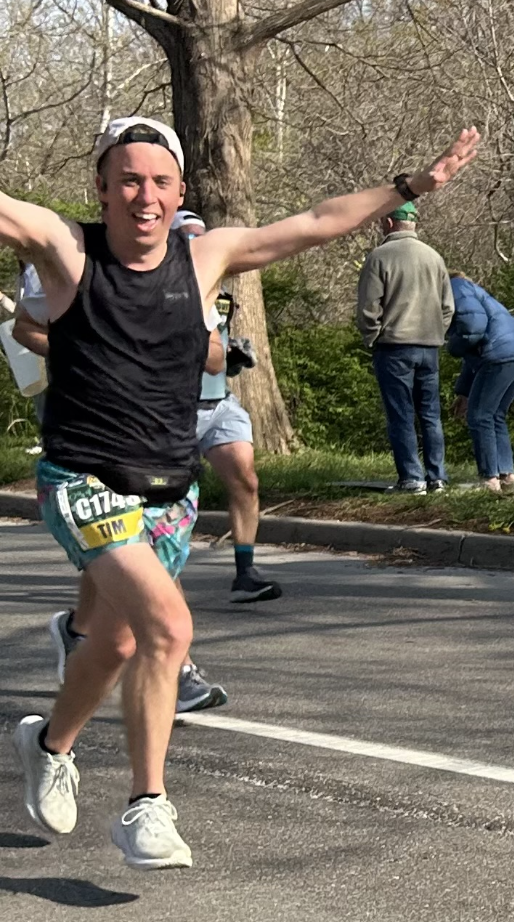
Tim Lapping’s journey to the starting line in Two Harbors is a synthesis of professional dedication and personal relief. Based in Kansas City, Lapping has spent over a decade working within the intricate framework of clinical research. His career has provided him with a front-row seat to the evolution of oncology treatments, specifically through his work on pediatric studies at a local children’s hospital. In this professional capacity, Lapping observed the rigorous process of bringing new therapies from the bench to the bedside, a process that is almost entirely dependent on consistent, high-level funding.
The abstract nature of clinical data became visceral for Lapping when his four-year-old nephew was diagnosed with leukemia. The diagnosis thrust his family into the reality of long-term treatment protocols, chemotherapy, and the uncertainty that defines pediatric cancer. Today, his nephew has been cancer-free for approximately two years, a milestone Lapping attributes directly to the decades of research that preceded the diagnosis.
Lapping’s decision to choose Grandma’s Marathon for his first-ever 26.2-mile race was influenced by the event’s reputation for community support and the natural beauty of Northern Minnesota. His training regimen, which involves four dedicated running days per week, is structured not just to build physical stamina but to serve as a platform for his fundraising efforts. By turning the race into a family excursion with his wife, Sophie, and their sons, Freddie and Beau, Lapping is highlighting the generational importance of supporting cancer research. His perspective underscores a critical reality in the medical field: the treatments that save lives today are the result of investments made years, or even decades, ago.
Tami Swenson: Running in Honor of a Legacy
While Lapping runs to celebrate a recovery, Tami Swenson runs to honor a memory and to prevent future loss. Swenson’s connection to the Children’s Cancer Research Fund is forged in the 15-month battle her daughter, Ada, waged against leukemia. Diagnosed at a young age, Ada’s treatment plan was exhaustive, encompassing traditional chemotherapy, a bone marrow transplant, and participation in two separate clinical trials.
Despite the physical toll of her illness, Ada became a symbol of resilience within the hospital wards, often seen riding her bicycle through the hallways with her "C.C. Bear"—a signature comfort item provided by CCRF—in tow. Ada passed away in 2023 at the age of five, leaving behind a legacy that her mother is now carrying forward through distance running.
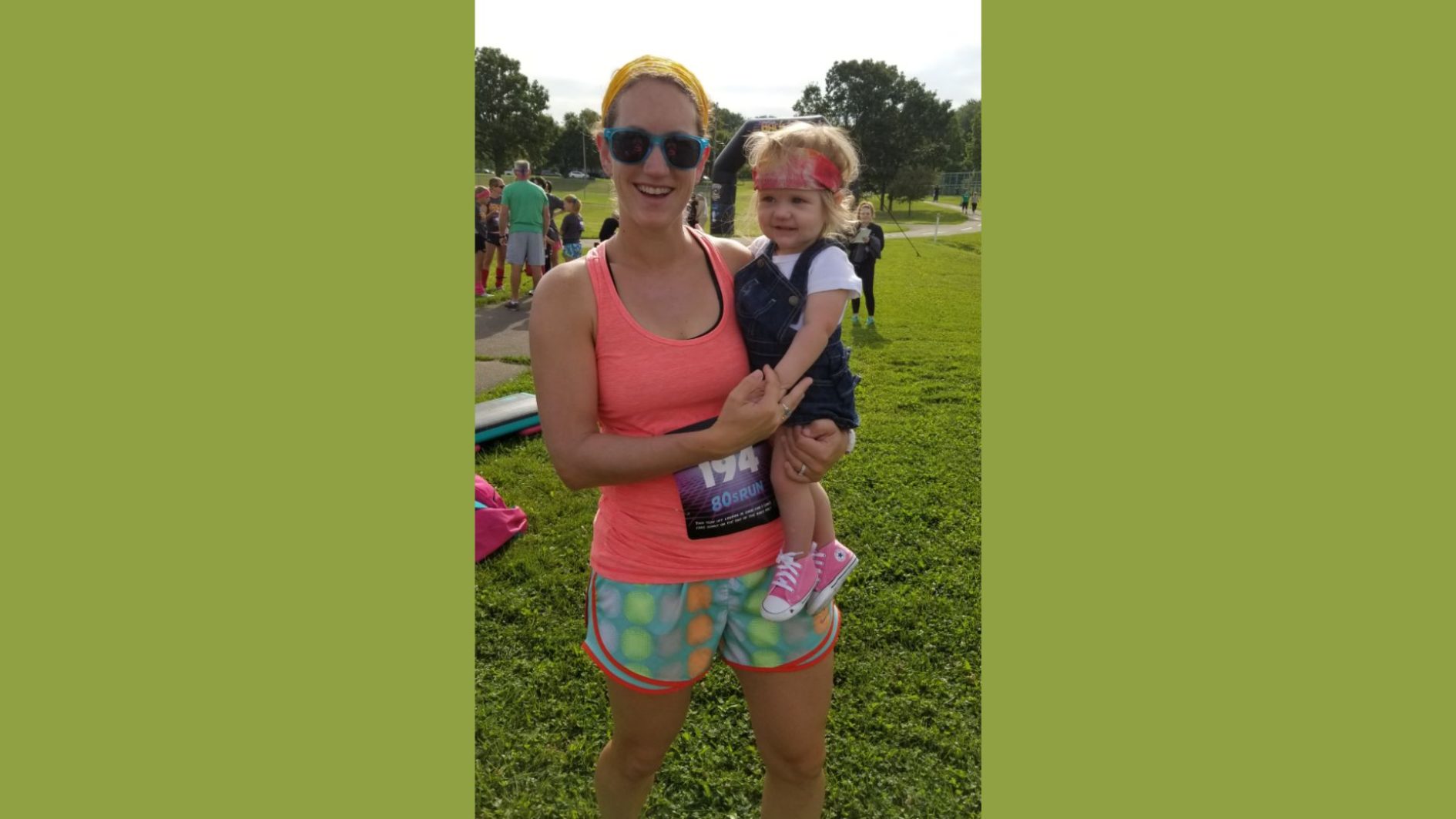
Swenson is a veteran of the marathon circuit, having completed over 15 races across California. However, the 2024 Grandma’s Marathon represents her first foray into the iconic Midwest race. For Swenson, the miles are a form of active grieving and advocacy. The "tough miles" of marathon training, characterized by fatigue and physical strain, provide a space to reflect on the far greater challenges her daughter faced during treatment. Her participation serves as a reminder that while survival rates for certain pediatric cancers have improved, the mortality rate for others remains unacceptably high, necessitating a continued push for innovative research.
The State of Pediatric Cancer Research and the Role of Private Funding
To understand the stakes of Team CCRF’s mission, one must examine the current landscape of oncology funding in the United States. While cancer is the leading cause of death by disease for children in the U.S., pediatric cancer research receives only about 4% of the National Cancer Institute’s (NCI) annual federal budget. This "funding gap" means that many promising avenues of study—particularly for rare or relapsed forms of childhood leukemia and brain tumors—rely heavily on private donations and organizations like CCRF.
Leukemia, the disease that affected both Lapping’s nephew and Swenson’s daughter, remains the most common form of childhood cancer, accounting for nearly 30% of all pediatric diagnoses. While the five-year survival rate for the most common type, Acute Lymphoblastic Leukemia (ALL), has risen to approximately 90%, the treatments themselves are often "hand-me-downs" from adult oncology. These treatments can cause long-term health complications, including secondary cancers, heart damage, and cognitive impairments. CCRF’s focus is not only on increasing survival rates but also on developing "kinder" treatments that minimize these long-term late effects.
The funds raised by Team CCRF at events like Grandma’s Marathon are directed toward several key areas:
- Seed Grants: Providing initial funding for young researchers with "high-risk, high-reward" ideas that are too early-stage for federal grants.
- Clinical Trials: Supporting the infrastructure necessary to give children access to experimental therapies when standard treatments fail.
- Quality of Life Programs: Funding resources that help families navigate the psychological and emotional toll of a diagnosis.
Chronology of the Race Weekend and Team CCRF Involvement
The marathon weekend follows a structured timeline that maximizes both athletic performance and charitable visibility:
- Thursday & Friday: The Essentia Health Fitness Expo at the Duluth Entertainment Convention Center (DECC). Team CCRF members gather to share stories, distribute information, and build a sense of community among runners who are traveling from across the country.
- Friday Evening: The William A. Irvin 5K serves as a warm-up event, where many families of survivors and those running in memoriam participate together.
- Saturday Morning: The main event. The marathon begins at 7:45 AM in Two Harbors. Runners follow the scenic North Shore of Lake Superior, passing through local landmarks like the Lemon Drop and the McQuade Small Craft Harbor.
- The Finish Line: Located in Duluth’s Canal Park, the finish line is where the fundraising efforts culminate. For Team CCRF, the crossing of the finish line is a symbolic victory over the limitations of current medical science.
Analysis: The Impact of Individual Advocacy on Global Research
The participation of runners like Tim Lapping and Tami Swenson illustrates a shift in how medical research is funded in the 21st century. As federal budgets face scrutiny and stagnation, the "democratization of philanthropy" through endurance sports has become vital. A single runner’s campaign may raise a few thousand dollars, but when multiplied by the hundreds of members of Team CCRF, the collective impact can fund entire lab cycles or clinical trial phases.
Furthermore, the visibility provided by Grandma’s Marathon—a race with a massive digital and physical footprint—serves as an educational tool. It brings the reality of childhood cancer into the public consciousness in a way that academic journals cannot. When spectators see Tim Lapping running for his nephew or Tami Swenson running for Ada, the statistics of pediatric cancer are replaced by human faces, driving a more profound and sustained commitment to the cause.
Looking Forward: The Future of Team CCRF
As the race concludes, the work of the Children’s Cancer Research Fund continues. The organization has stated that its goal is to reach a point where no child dies from cancer and where survivors can live long, healthy lives without the shadow of their treatment’s side effects. The "finish line" for CCRF is not at Canal Park, but in the eradication of pediatric disease.
For those inspired by the efforts of Lapping and Swenson, the opportunity to join Team CCRF extends beyond the North Shore of Minnesota. The organization participates in various endurance challenges throughout the year, including 10Ks, half marathons, and full marathons across the United States. Each event serves as a recurring reminder that while the road to a cure is long and uphill, it is a journey that no family should have to run alone. The collective stride of Team CCRF at Grandma’s Marathon is a powerful testament to the endurance of the human spirit and the unwavering belief that through research, a different future is possible for the next generation of children.
