
 By admin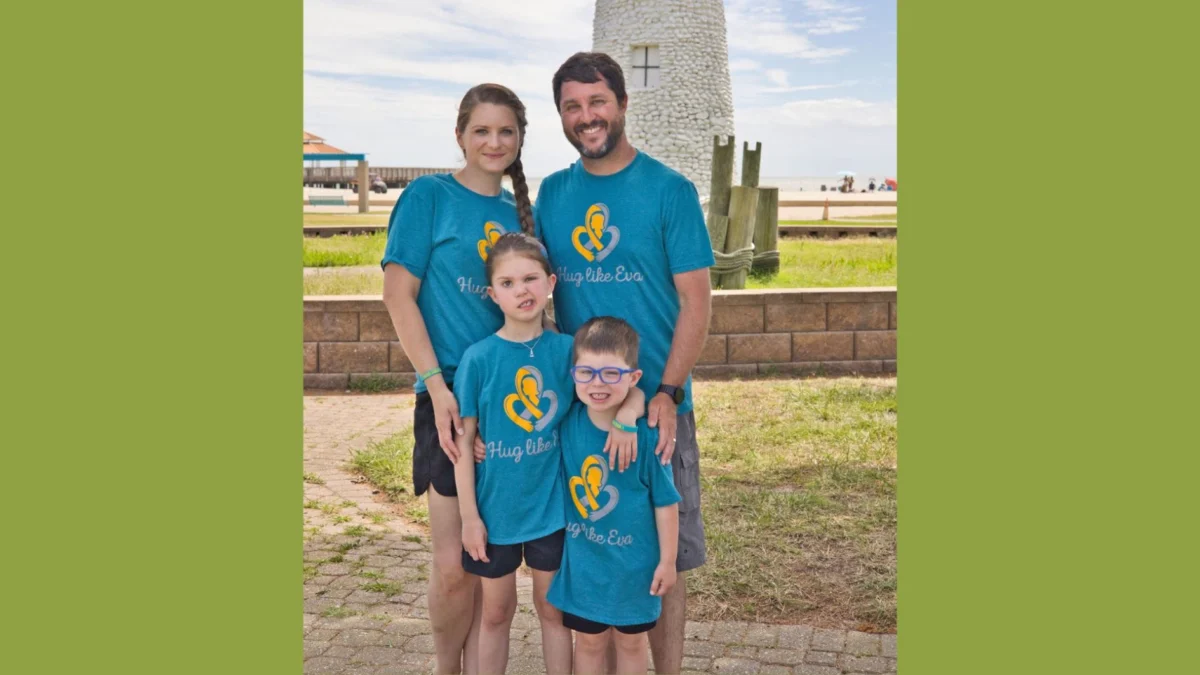
The landscape of pediatric neuro-oncology is witnessing a significant shift as a groundbreaking clinical trial targeting diffuse midline glioma (DMG) and other high-grade, incurable brain tumors commences at Children’s Minnesota. This medical initiative, rooted in two decades of rigorous laboratory research, represents a collaborative effort between the University of Minnesota and Children’s Minnesota, with critical financial backing provided by the Children’s Cancer Research Fund (CCRF). Led by oncologist Chris Moertel, MD, and researcher Michael Olin, PhD, the trial seeks to bypass the biological defenses of aggressive tumors, aiming to extend the lives of young patients and eventually establish a pathway toward a definitive cure.
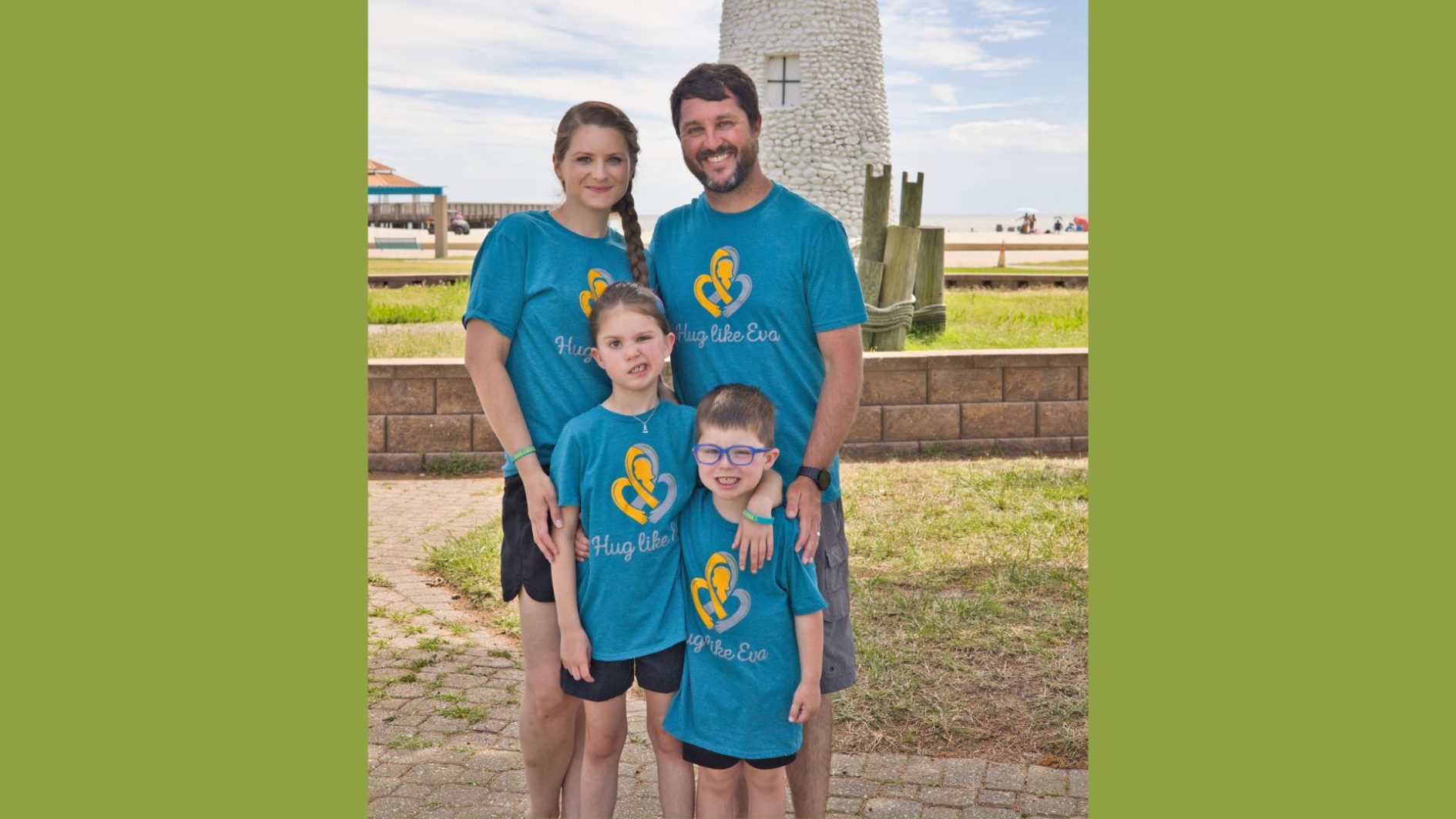
Diffuse midline glioma remains one of the most formidable challenges in pediatric medicine. Historically, these tumors have been classified as incurable, with a prognosis that leaves families with very few options beyond palliative care. The launch of this trial in early 2025 marks a pivotal moment for families like that of eight-year-old Eva, who was among the first to enroll after being diagnosed with the condition earlier this year. For researchers and clinicians, the trial is not merely a scientific endeavor but a mission to provide what parents of terminally ill children value most: time.
The Biological Barrier: Understanding the Shield Mechanism
The primary obstacle in treating DMG and similar high-grade gliomas is the tumor’s ability to evade the human immune system. Traditional treatments, including intensive chemotherapy and localized radiation, often fail to produce long-term remission because the tumors are strategically located in the brain’s midline structures—such as the thalamus or brainstem—and are protected by a complex microenvironment.
Research conducted by Dr. Michael Olin and Dr. Chris Moertel at the University of Minnesota identified a specific protein produced by these tumors that functions as a molecular "shield." This protein effectively masks the tumor from the body’s T-cells, preventing the immune system from identifying and attacking the cancerous growth. Without the ability to penetrate this barrier, even the most advanced immunotherapies remain ineffective.
To counter this, Drs. Olin and Moertel spent nearly twenty years developing a specialized peptide designed to dismantle this protein shield. By breaking down the barrier, the peptide "unmasks" the tumor, theoretically allowing the immune system to recognize the malignancy. The current clinical trial, co-led by Dr. Anne Bendel and Dr. Maggie Skrypek, utilizes this shield-busting molecule in combination with a novel vaccine. This dual-action approach is designed to first expose the tumor and then prime the immune system to launch a targeted assault.
Chronology of a Diagnosis: The Case of Eva
The urgency of this research is best illustrated by the clinical journey of Eva, a young girl whose sudden onset of symptoms in early 2025 highlights the aggressive nature of DMG. In January 2025, during a routine family lunch, Eva’s parents, Lee and Sandra, noticed a slight drooping on one side of her face. While initial emergency room assessments suggested Bell’s palsy—a relatively common and temporary condition—subsequent developments indicated a more systemic issue.
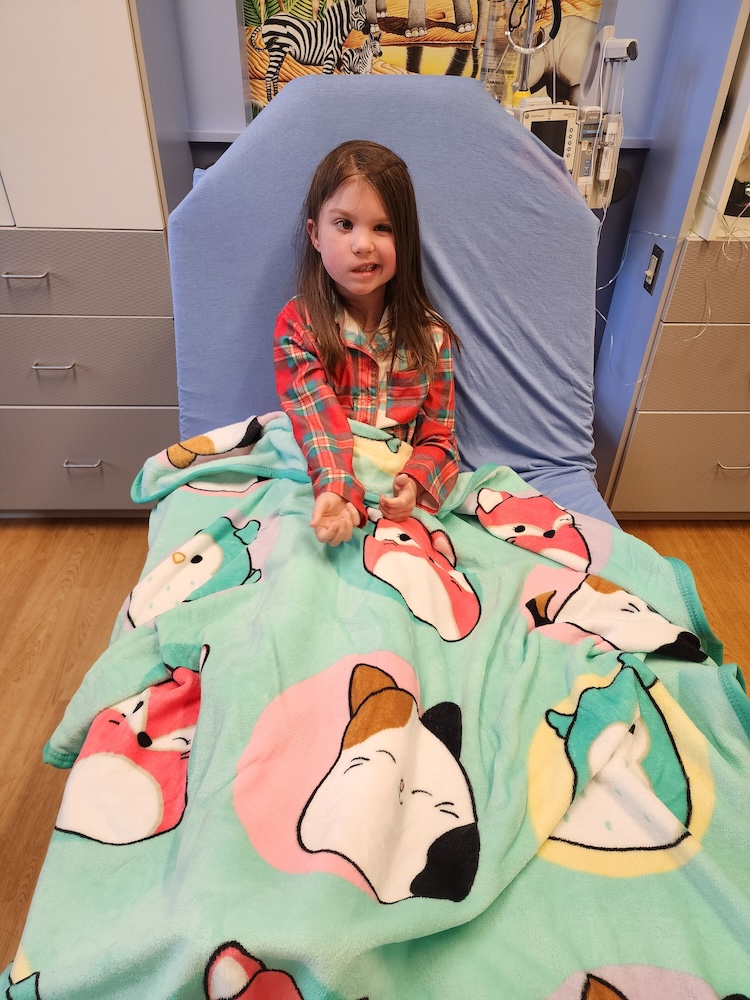
During a follow-up pediatric checkup, clinicians discovered that Eva had lost hearing in one ear. This neurological deficit prompted an immediate referral for an MRI. The imaging revealed a large mass in the midline of her brain, leading to a diagnosis of diffuse midline glioma.
The timeline of DMG is notoriously compressed. Statistically, the majority of children diagnosed with this type of tumor survive between nine and 13 months post-diagnosis. The standard of care has long been limited to radiation, which may shrink the tumor temporarily but rarely prevents its eventual progression. For Eva’s family, the diagnosis shifted their reality from long-term planning to a desperate search for experimental interventions that could offer more than the standard prognosis.
Data and Statistics: The Reality of Pediatric Brain Tumors
Pediatric brain tumors are the leading cause of cancer-related death in children and adolescents in the United States. Among these, diffuse midline gliomas are particularly lethal due to their infiltrative nature, which makes surgical resection nearly impossible without damaging vital brain functions.
According to the National Cancer Institute and various pediatric oncology databases:
- Approximately 300 to 400 children are diagnosed with DMG or similar high-grade gliomas in the U.S. annually.
- The five-year survival rate for DMG remains below 2%, a figure that has seen little improvement over the last three decades compared to the significant strides made in treating pediatric leukemias.
- Most DMG tumors harbor a specific genetic mutation known as H3K27M, which alters the way DNA is packaged in the cell and contributes to the tumor’s resistance to conventional therapies.
The CCRF-funded trial at Children’s Minnesota enters this landscape as a critical attempt to disrupt these statistics. By focusing on immunotherapy rather than cytotoxic drugs, the trial also addresses the "quality of life" data point, which is often overlooked in terminal cases. Traditional treatments can cause severe cognitive impairment, fatigue, and secondary malignancies; however, the peptide-vaccine combination used in this trial aims to minimize these systemic burdens.
Clinical Implementation and Patient Experience
Eva’s enrollment in the trial in May 2025 has provided a window into how this new protocol functions in a real-world setting. Unlike the grueling schedules of inpatient chemotherapy, the trial involves multiple injections administered several times a month. This outpatient-focused approach has allowed Eva to maintain a level of normalcy that is often lost during cancer treatment.
Reports from the clinical team indicate that the treatment has permitted Eva to continue attending school and participating in her passion for dance. This aspect of the trial is a core objective for Dr. Moertel and his colleagues. While the ultimate goal is a cure, the immediate objective is "the gift of time"—specifically, high-quality time where the patient is not incapacitated by the side effects of the treatment itself.
The medical team, including Drs. Bendel and Skrypek, is closely monitoring how the immune systems of the enrolled patients respond to the vaccine once the peptide has neutralized the tumor’s shield. This data is being collected in real-time to allow for the "tweaking" of future iterations of the vaccine, creating a feedback loop between the clinic and the laboratory.
Institutional Collaboration and the Role of Philanthropy
The transition of this research from a laboratory concept to a Phase I/II clinical trial was made possible by a long-term financial commitment from the Children’s Cancer Research Fund. In the world of oncology, the "Valley of Death" is a well-known term describing the gap between laboratory discovery and clinical application, where many promising treatments fail due to a lack of funding for human trials.
CCRF’s decades-long support of the University of Minnesota’s brain tumor program provided the stability necessary for Drs. Olin and Moertel to refine their peptide technology. Furthermore, the partnership with Children’s Minnesota provides the clinical infrastructure required to treat pediatric patients in an environment specifically designed for their unique physiological and psychological needs.
Dr. Anne Bendel emphasized that the trial is a stepping stone. Even if the current iteration does not result in a universal cure, the biological insights gained regarding the immune system’s reaction to the "shield-busting" molecule will inform the next generation of pediatric cancer treatments.
Broader Implications and Future Outlook
The implications of this trial extend beyond the specific diagnosis of DMG. If the peptide-vaccine combination proves successful in breaking down the immune shield of brain tumors, the technology could potentially be applied to other "cold" tumors—cancers that the immune system typically ignores. This could include other types of pediatric solid tumors or even adult glioblastomas, which share similar immunosuppressive characteristics.
For the medical community, the trial represents a shift toward "precision immunotherapy," where the focus is on modifying the tumor microenvironment to make existing immune-based treatments more effective. For families, the trial represents a shift from a "death sentence" to a period of active, hopeful management.
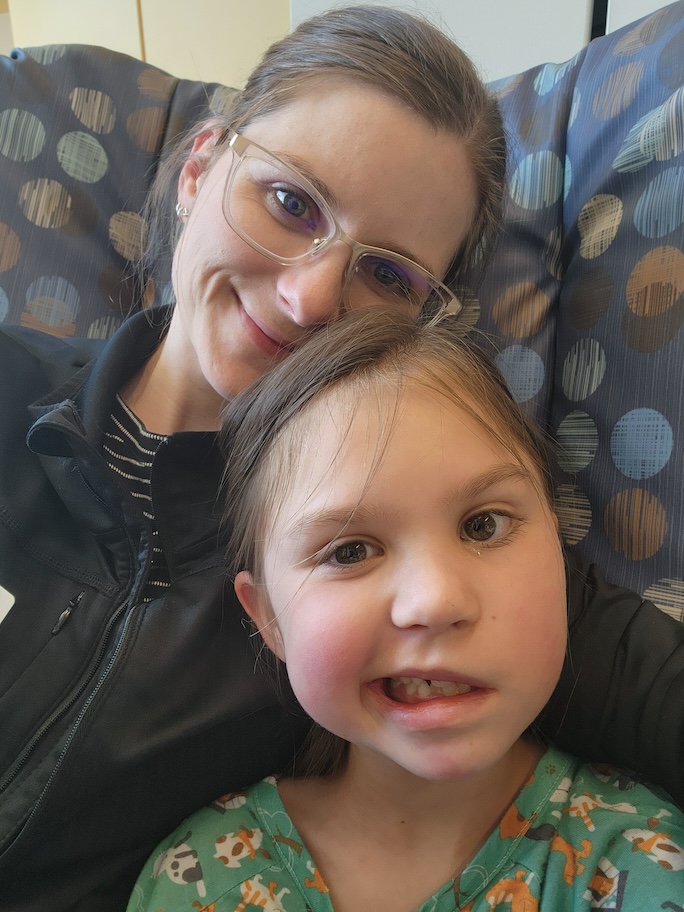
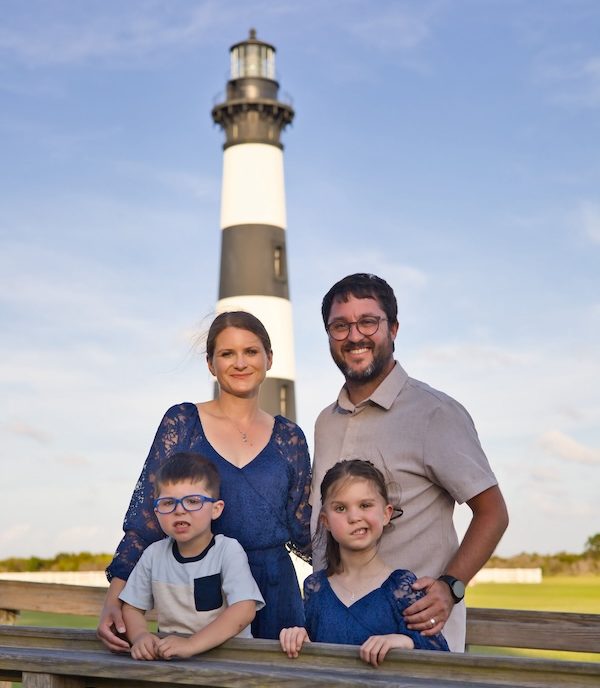
As Eva’s family continues to navigate the complexities of her diagnosis, they remain focused on the dual legacy of her participation: the possibility of more months or years together, and the contribution to a body of knowledge that may one day ensure no other family receives the same devastating prognosis. Sandra, Eva’s mother, noted that while the "cloud" of the diagnosis remains, the trial offers a tangible way to fight back, transforming Eva’s journey into a foundational piece of a future cure.
The results of the clinical trial will be monitored over the coming years, with researchers looking for markers of increased T-cell activity within the tumor sites and, most importantly, an increase in overall survival rates compared to historical controls. In the interim, the trial stands as a testament to the power of persistent research and the essential role of specialized pediatric clinical trials in tackling the most difficult diseases known to medicine.
