
 By admin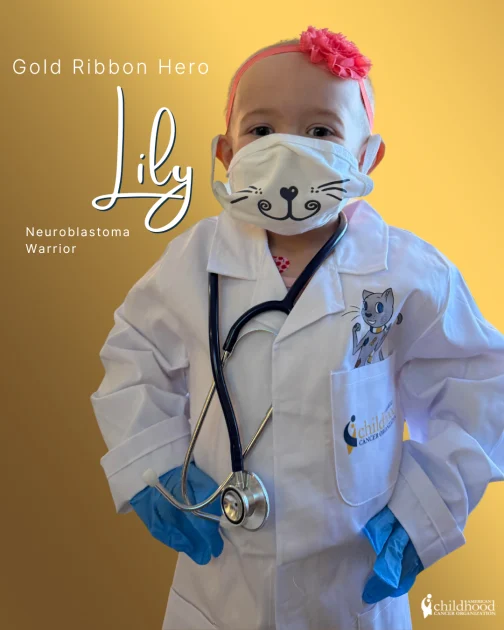
The medical journey of two-year-old Lily, a child twice diagnosed with neuroblastoma, serves as a poignant case study in the complexities of pediatric oncology and the aggressive nature of childhood malignancies. Diagnosed before her second birthday, Lily’s experience underscores the sudden onset and rapid progression characteristic of neuroblastoma, a cancer of the sympathetic nervous system that primarily affects infants and young children. Her clinical trajectory—marked by an initial period of remission followed by a central nervous system (CNS) relapse—highlights the persistent challenges faced by medical professionals in achieving long-term survivorship for high-risk pediatric patients.
Initial Presentation and Diagnostic Discovery
Lily’s medical history began at 18 months of age, a developmental stage where physical changes are rapid and symptoms of illness can often be masked by common childhood ailments. The initial symptoms were non-specific, primarily manifesting as abdominal discomfort. Her family initially suspected constipation, a frequent issue in toddlers; however, when the pain persisted, they sought emergency medical intervention. This decision proved critical, as diagnostic imaging quickly moved the clinical focus from gastrointestinal distress to oncological concern.
Radiological assessments revealed a large mass localized in Lily’s abdomen. In the context of pediatric oncology, such findings often point toward neuroblastoma, which frequently originates in the adrenal glands but can also develop in nerve tissues along the abdomen, chest, or spine. This malignancy accounts for approximately 7% to 10% of all childhood cancers and is responsible for a disproportionate number of pediatric cancer deaths. Following the discovery of the mass, Lily was immediately enrolled in a rigorous multimodal treatment protocol designed to combat high-risk neuroblastoma.
The Multimodal Treatment Regimen
The standard of care for aggressive neuroblastoma is among the most intensive in the field of medicine. Lily’s treatment plan involved a sequential combination of chemotherapy, surgical resection, bone marrow transplantation, radiation therapy, and immunotherapy. This "heavy-hitting" approach is necessary because neuroblastoma cells are notoriously resilient and prone to metastasis.
Chemotherapy serves as the frontline defense, aimed at shrinking the primary tumor and eradicating circulating cancer cells. Following the reduction of the tumor mass, surgeons performed a resection to remove as much of the primary growth as possible. However, because microscopic disease often remains, Lily underwent a bone marrow transplant—specifically an autologous stem cell rescue. This procedure allows doctors to administer lethal doses of chemotherapy to kill any remaining cancer cells, subsequently "rescuing" the patient’s hematopoietic system with their own previously harvested healthy stem cells.
The final phases of her initial treatment included localized radiation to target the original tumor site and immunotherapy. Immunotherapy, particularly the use of monoclonal antibodies that target the GD2 protein on neuroblastoma cells, has significantly improved survival rates in recent years. By September 2025, after nearly a year of intensive intervention, Lily’s clinical team declared her to be in remission.
The Challenge of Relapse and CNS Involvement
The period of remission was short-lived, illustrating the volatile nature of high-risk neuroblastoma. In November 2025, only two months after completing her initial treatment, Lily began experiencing headaches. Her parents, sensitized to the subtle signs of physical distress, acted immediately. Subsequent imaging revealed a devastating development: the cancer had returned, this time manifesting in her brain.
Relapse in the central nervous system represents a significant hurdle in neuroblastoma treatment. The brain is often considered a "sanctuary site" because the blood-brain barrier, which protects the brain from toxins, also prevents many standard chemotherapy agents from reaching therapeutic concentrations within the cranial cavity. A CNS relapse necessitates a shift in strategy, involving neurosurgery to remove the new growth, followed by a re-intensification of systemic therapies. Lily is currently undergoing a second round of chemotherapy, immunotherapy, and targeted radiation to address the recurrence.
Clinical Analysis: Understanding Neuroblastoma
To understand the gravity of Lily’s situation, it is essential to examine the biological underpinnings of neuroblastoma. This cancer arises from immature nerve cells, called neuroblasts, which fail to develop into mature nerve cells or adrenal medullary cells. The disease is highly heterogeneous, meaning it behaves differently in every patient.
In many cases, the severity of the disease is linked to genetic markers, such as the amplification of the MYCN oncogene. Patients with MYCN amplification are categorized as high-risk regardless of their age or the stage of the tumor, as this genetic feature drives rapid tumor growth and resistance to conventional therapies. While the specific genetic profile of Lily’s case remains private medical information, her clinical progression—characterized by an abdominal primary tumor followed by a CNS relapse—is consistent with the most challenging high-risk categories.
Data from the American Cancer Society and the National Cancer Institute indicate that while the five-year survival rate for neuroblastoma has improved to approximately 81%, these figures are skewed by low-risk cases that often resolve with minimal intervention. For high-risk patients, the five-year survival rate remains closer to 50%, and the prognosis for those who experience a relapse is significantly lower.
The Socioeconomic and Emotional Impact on Families
The burden of a pediatric cancer diagnosis extends far beyond the patient. For Lily’s family, the transition from the joy of remission in September to the crisis of relapse in November represents a profound emotional volatility. Her mother describes Lily as "playful, loving, and spicy," a testament to the child’s resilience, yet the logistical and financial strain on the household is immense.
Pediatric cancer treatment requires frequent, often prolonged, hospitalizations, leading to loss of income for parents and a total restructuring of family life. Furthermore, the long-term side effects of such intensive treatments—including potential hearing loss, cardiovascular issues, and secondary malignancies—require lifelong monitoring. Organizations like the American Childhood Cancer Organization (ACCO) emphasize that "kids can’t fight cancer alone," highlighting the need for a robust support system that includes medical professionals, non-profit advocates, and the community at large.
Broader Implications for Pediatric Oncology Research
Lily’s case highlights a critical gap in medical research: the disparity in funding and development between adult and pediatric cancers. Because pediatric cancers are relatively rare compared to adult lung or breast cancers, they are often classified as "orphan diseases," which can result in less investment from pharmaceutical companies.
However, the shift toward "precision medicine" offers hope. Researchers are increasingly looking at the molecular drivers of neuroblastoma to develop targeted therapies that are more effective and less toxic than traditional chemotherapy. The use of liquid biopsies to detect minimal residual disease (MRD) is also being explored as a way to catch relapses like Lily’s even earlier, potentially before symptoms like headaches even begin.
The emergence of "relapse protocols" is another area of active study. When a child relapses, they are often eligible for clinical trials involving novel agents, such as ALK inhibitors or radioactive iodine therapy (MIBG therapy). These advancements are vital for patients who, like Lily, find themselves in a second battle against the same disease.
The Role of Advocacy and Public Support
The American Childhood Cancer Organization plays a pivotal role in bridging the gap between clinical needs and family support. By providing resources, advocating for increased federal research funding, and raising public awareness, these organizations ensure that the stories of individual patients like Lily contribute to a larger movement for change.
The call to action—encouraging donations and public engagement—is rooted in the reality that the current medical toolkit is often insufficient for the most aggressive pediatric cases. Funding is the primary driver of the clinical trials that lead to the "next generation" of treatments, which could eventually make CNS relapses a treatable or preventable occurrence.
Chronology of Events: A Summary of Lily’s Journey
- Early 2024: Lily experiences persistent abdominal pain; initial suspicion of constipation leads to an ER visit.
- Mid-2024: Diagnosis of neuroblastoma following the discovery of an abdominal mass.
- Late 2024 – Mid 2025: Intensive multimodal treatment including chemotherapy, surgery, bone marrow transplant, radiation, and immunotherapy.
- September 2025: Clinical remission is achieved; treatment is successfully completed.
- November 2025: Onset of headaches leads to the discovery of a relapse in the brain; brain surgery is performed.
- Late 2025 – Present: Lily continues a secondary regimen of chemotherapy, immunotherapy, and radiation to combat the recurrence.
Conclusion
The story of Lily is a sobering reminder of the resilience required of the youngest patients and the limitations of current oncological interventions. While her "spicy" and inspiring spirit provides hope to those around her, her medical reality underscores the urgent need for continued research into the mechanisms of cancer relapse and the development of therapies that can cross the blood-brain barrier. As Lily continues her second fight, her journey stands as a call to action for the medical community and the public to prioritize the unique needs of children facing life-threatening malignancies. Through combined efforts in advocacy, funding, and clinical innovation, the goal remains a future where no child must face the same battle twice.
