
 By Lina carolina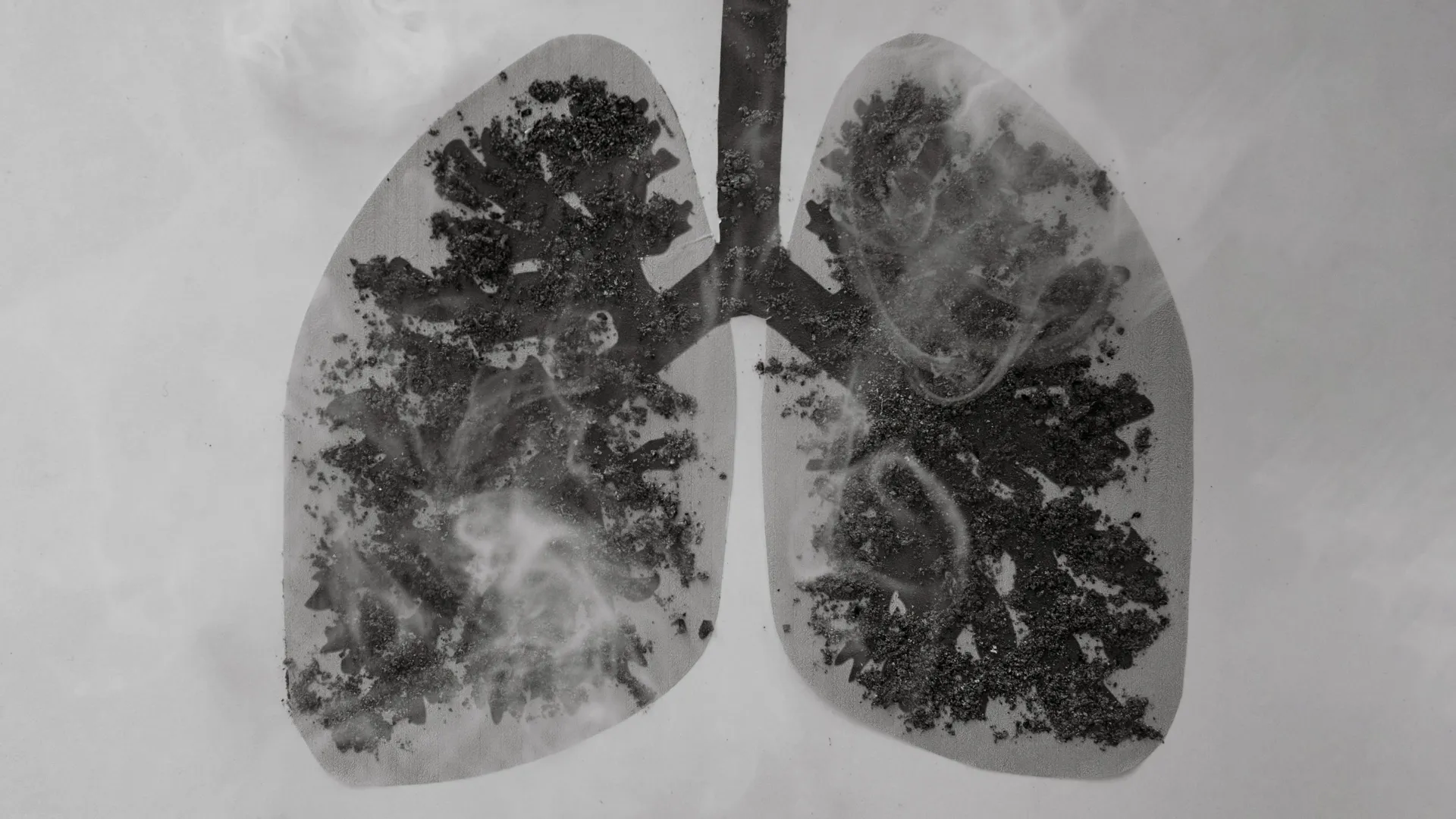
Manchester, UK – New research published on June 10, 2024, in the esteemed journal ERJ Open Research reveals a striking disparity in carbon particle accumulation within lung cells of individuals diagnosed with Chronic Obstructive Pulmonary Disease (COPD) compared to those who are smokers but do not have the debilitating respiratory condition. The study, conducted by a team of scientists at the University of Manchester, highlights that alveolar macrophages, the crucial immune cells of the lungs, exhibit a more than threefold greater burden of soot-like carbon deposits in COPD patients. This finding suggests a potentially significant, previously underappreciated role for environmental pollutants and their interaction with lung defenses in the pathogenesis and progression of COPD.
Carbon particles, ubiquitous in our environment, can infiltrate the delicate ecosystem of the lungs through various means, including the inhalation of cigarette smoke, exposure to diesel exhaust fumes, and breathing in polluted urban air. These microscopic invaders are typically managed by alveolar macrophages, the lung’s frontline defense mechanism. Their primary function is to identify and engulf foreign particles, bacteria, and cellular debris, thereby maintaining lung cleanliness and preventing harmful agents from reaching deeper into the respiratory system. However, the Manchester study indicates that when these vigilant cells are overwhelmed or altered by excessive carbon exposure, their protective capabilities may be compromised, potentially contributing to the chronic inflammation characteristic of COPD.
Unveiling the Carbon Burden: A Microscopic Investigation
The research, spearheaded by Dr. James Baker and Dr. Simon Lea from the University of Manchester, aimed to elucidate the impact of carbon accumulation on alveolar macrophages in the context of COPD. Dr. Baker articulated the complexity of COPD, a multifaceted disease influenced by a confluence of environmental exposures and genetic predispositions. "One factor is exposure to carbon from smoking or breathing polluted air," he stated. "We wanted to study what happens in the lungs of COPD patients when this carbon builds up in alveolar macrophage cells, as this may influence the cells’ ability to protect the lungs."
To conduct their investigation, the researchers meticulously analyzed lung tissue samples obtained from individuals undergoing surgery for suspected lung cancer. Crucially, only samples free from cancerous cells were selected for the study. This rigorous selection process ensured that the observed cellular changes were attributable to the disease itself and not to malignant transformation. The study cohort comprised 28 patients diagnosed with COPD and a control group of 15 individuals who were regular smokers but had not developed COPD. This comparative approach was critical in isolating the specific impact of COPD on carbon accumulation, differentiating it from the general effects of smoking.
Under high-powered microscopy, the researchers focused their attention on the alveolar macrophages. They systematically measured two key parameters: the physical size of these immune cells and the quantifiable amount of carbon particles they contained. The findings were stark. The average quantity of carbon found within the alveolar macrophages of COPD patients was more than three times higher than that observed in the macrophages of smokers without COPD. Furthermore, a consistent correlation emerged: cells laden with carbon particles were invariably larger than those with no visible carbon deposits. This enlargement suggests that the macrophages are actively engulfing and accumulating these particles, potentially to a point of cellular distress or dysfunction.
Correlating Carbon Load with Lung Function
Beyond the sheer quantity of carbon, the study delved into the functional implications of this accumulation. The researchers discovered a significant correlation between the extent of carbon deposits in alveolar macrophages and the severity of lung impairment. Patients exhibiting larger accumulations of carbon particles within their macrophages demonstrated poorer lung function, as assessed by the Forced Expiratory Volume in one second (FEV1%) percentage. FEV1% is a standard clinical metric used to quantify how much air a person can forcibly exhale in one second, serving as a vital indicator of airflow limitation and the overall health of the lungs. This finding implies that a higher carbon burden within these crucial immune cells is not merely an incidental observation but is directly linked to a tangible decline in respiratory capacity.
To further investigate the cellular mechanisms at play, the research team replicated the carbon exposure in a laboratory setting. They exposed healthy macrophages to carbon particles and observed distinct changes. The cells not only swelled in size, mirroring the observations in COPD patients’ lung tissue, but also demonstrated an elevated production of pro-inflammatory proteins. This laboratory evidence strongly suggests that carbon particles can directly trigger an inflammatory response within alveolar macrophages, contributing to the chronic inflammation that is a hallmark of COPD. Inflammation, when persistent, can lead to the progressive damage of lung tissue, including the destruction of alveoli and the narrowing of airways, ultimately resulting in the debilitating symptoms of shortness of breath, chronic cough, and increased mucus production characteristic of COPD.
Beyond Smoking: A Deeper Insight into Carbon’s Role
Dr. Lea emphasized the significance of the comparative analysis, stating, "As we compared cells from COPD patients with cells from smokers, we can see that this build-up of carbon is not a direct result of cigarette smoking. Instead, we show alveolar macrophages in COPD patients contain more carbon and are inherently different in terms of their form and function compared to those in smokers." This assertion is crucial, as it moves beyond the widely acknowledged link between smoking and COPD to suggest that the interaction of carbon particles with the lung’s immune system might be a distinct pathological driver, particularly in individuals predisposed to or already developing COPD.
The study raises a compelling question regarding the origin of these elevated carbon levels in COPD patients’ macrophages. Dr. Lea proposed two potential hypotheses: "It could be that people with COPD are less able to clear the carbon they breathe in. It could also be that people exposed to more particulate matter are accumulating this carbon and developing COPD as a result." This suggests a potential dual role for carbon: either a failure in the lung’s natural clearance mechanisms in individuals with COPD, leading to a backlog of inhaled pollutants, or that chronic exposure to higher levels of particulate matter directly contributes to the development of the disease.
Looking ahead, Dr. Lea expressed the team’s interest in further research: "In future, it would be interesting to study how this carbon builds up and how lung cells respond over a longer period of time." Such longitudinal studies could provide invaluable insights into the temporal dynamics of carbon accumulation and its long-term consequences for lung health.
Expert Commentary and Broader Implications
Professor Fabio Ricciardolo, Chair of the European Respiratory Society’s group on monitoring airway disease, who was not involved in the research, offered his perspective on the study’s findings. He remarked, "This set of experiments suggest that people with COPD accumulate unusually large amounts of carbon in the cells of their lungs. This build-up seems to be altering those cells, potentially causing inflammation in the lungs and leading to worse lung function." Professor Ricciardolo underscored the potential clinical relevance of the discovery, suggesting that the observed carbon accumulation could be a significant factor in the exacerbation of COPD symptoms and the overall decline in respiratory health.
He further elaborated on the implications for public health, stating, "In addition, this research offers some clues about why polluted air might cause or worsen COPD. However, we know that smoking and air pollution are risk factors for COPD and other lung conditions, so we need to reduce levels of pollution in the air we breathe and we need to help people to quit smoking." This call to action highlights the dual imperative of addressing both tobacco use and environmental pollution as critical strategies for mitigating the global burden of COPD.
Context and Timeline of Research
The research, published on June 10, 2024, represents the culmination of work that likely spanned several years, involving sample collection, laboratory analysis, and data interpretation. Lung tissue samples, often acquired during surgical procedures for lung cancer, are a valuable resource for respiratory research. The meticulous process of identifying suitable samples free from malignancy and then isolating and analyzing specific cell types like alveolar macrophages requires considerable time and specialized expertise.
The identification of alveolar macrophages as key players in the accumulation of carbon particles is not entirely novel, as their phagocytic role is well-established. However, this study’s significant contribution lies in its direct, quantitative comparison between COPD patients and smokers without the disease, revealing a distinct difference in the extent of carbon accumulation. This quantitative leap moves the discussion from a general understanding of particle clearance to a specific measurement of burden that correlates with disease severity.
Broader Impact and Public Health Considerations
The implications of this study extend beyond the scientific community, offering tangible insights for public health initiatives and individual risk assessment. COPD is a leading cause of death and disability worldwide, and its prevalence is projected to rise, particularly in low- and middle-income countries. Understanding the multifactorial nature of COPD, including the role of environmental pollutants, is paramount in developing effective prevention and management strategies.
The findings reinforce the well-established advice to avoid smoking. However, they also underscore the increasing importance of addressing air quality. As urbanization continues and industrial emissions persist, exposure to particulate matter remains a significant public health concern. This research provides a mechanistic link between such exposure and the cellular damage that underpins COPD, suggesting that reducing exposure to airborne carbon particles could potentially slow disease progression or even prevent its onset in susceptible individuals.
Future Directions and Research Gaps
While this study offers a crucial piece of the puzzle, several avenues for future research emerge. The mechanisms by which COPD patients’ macrophages exhibit reduced clearance capacity or increased susceptibility to carbon accumulation warrant deeper investigation. Genetic factors, underlying inflammatory profiles, and interactions with other environmental exposures could all play a role. Furthermore, the long-term consequences of this carbon burden on macrophage function and overall lung health require extensive longitudinal study.
The development of novel therapeutic strategies that could enhance macrophage clearance mechanisms or mitigate carbon-induced inflammation in the lungs represents another promising area for future research. Ultimately, by unraveling the complex interplay between environmental factors, cellular responses, and disease pathogenesis, scientists aim to pave the way for more effective interventions and improved outcomes for the millions of people living with COPD globally.
