
 By Suherman Candra Maholtra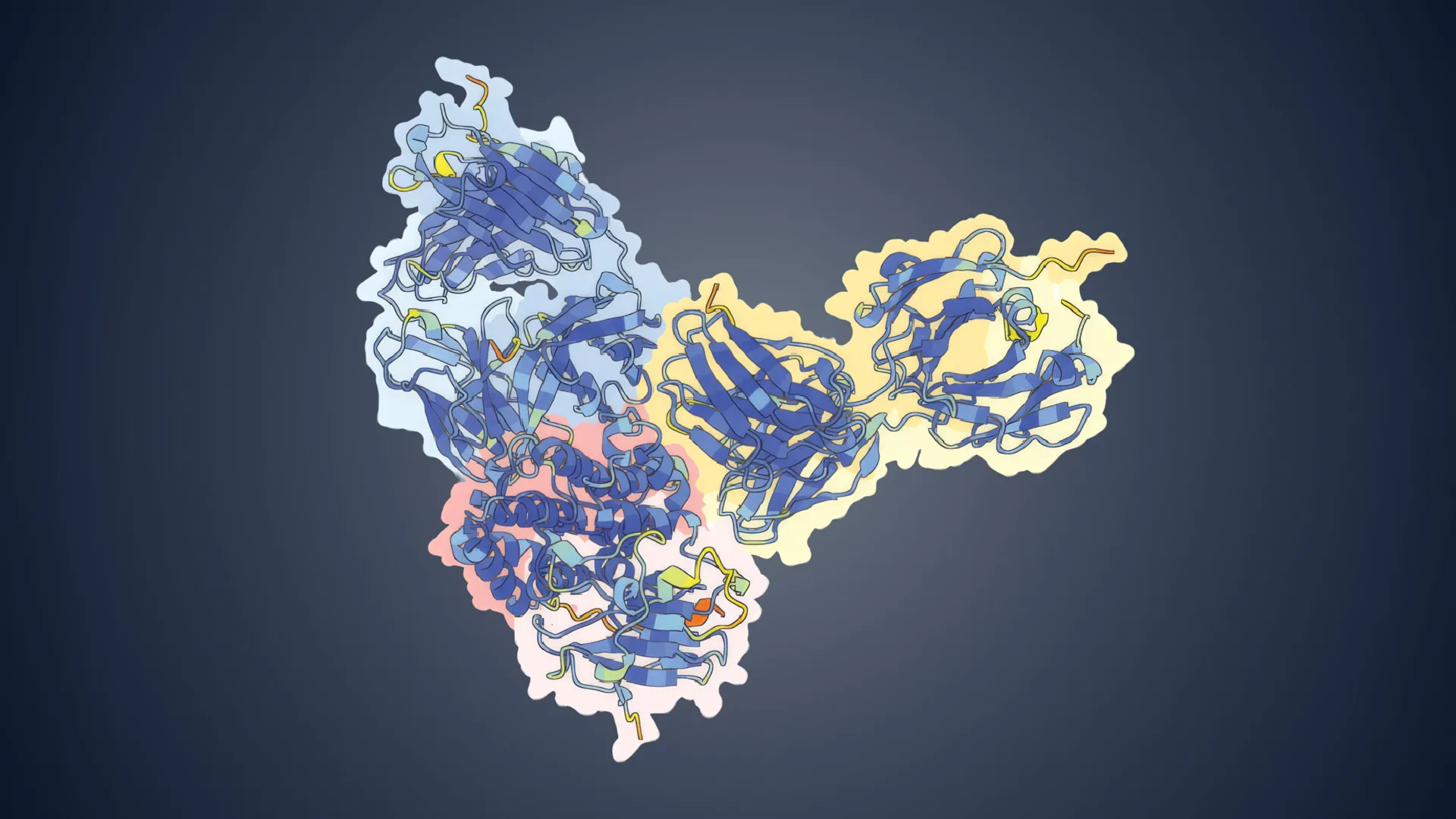
In a landmark study that underscores the transformative power of computational biology, an international consortium of researchers has utilized artificial intelligence to identify a critical viral protein that could revolutionize the prevention and treatment of the monkeypox virus (MPXV). The research, published in the prestigious journal Science Translational Medicine, details how the integration of AI-driven structural prediction and traditional immunology led to the discovery of a previously overlooked target for neutralizing antibodies. This breakthrough offers a potential pathway toward a new generation of vaccines that are safer, easier to manufacture, and more effective than current options, which largely rely on older smallpox vaccine technology.
The study is the result of a high-level collaboration between the University of Texas at Austin and the Fondazione Biotecnopolo di Siena in Italy. By employing the AlphaFold 3 model—an advanced AI system capable of predicting the structures and interactions of biological molecules—the team was able to pinpoint a specific protein on the surface of the mpox virus known as OPG153. This protein has now been identified as a primary target for the human immune system, a discovery that scientists believe could significantly shorten the timeline for developing next-generation therapeutics.
The 2022 Global Emergency and the Limitations of Current Vaccines
The urgency of this research is rooted in the 2022 global mpox outbreak, which saw the virus spread rapidly across more than 110 countries. During this period, more than 150,000 cases were reported, resulting in approximately 500 deaths and causing widespread public health alarm. Mpox, a zoonotic disease caused by an orthopoxvirus, typically presents with fever, exhaustion, and a painful, characteristic rash that can progress to lesions. While many cases are self-limiting, the virus poses a severe threat to specific populations, including children, pregnant women, and individuals with compromised immune systems, such as those living with HIV.
During the height of the outbreak, public health officials relied heavily on the JYNNEOS vaccine, which was originally developed for smallpox. While effective, the JYNNEOS vaccine is a "whole-virus" vaccine, meaning it utilizes a weakened version of the live virus to stimulate an immune response. This manufacturing process is notoriously complex, expensive, and difficult to scale rapidly during a pandemic. Furthermore, because it involves the entire viral structure, the immune system is presented with an array of proteins, many of which are irrelevant to actual neutralization, potentially diluting the efficacy of the response.
Jason McLellan, a professor of molecular biosciences at UT Austin and a co-lead author of the study, emphasized the need for a more streamlined approach. "Unlike a whole-virus vaccine that’s big and complicated to produce, our innovation is just a single protein that’s easy to make," McLellan stated. This shift from whole-virus to protein-based vaccines represents a significant leap in vaccine architecture, similar to the transition seen in other modern immunizations.
A New Methodology: The Rise of Reverse Vaccinology
The research team employed a strategy known as "reverse vaccinology." In traditional vaccine development, scientists start with the pathogen and try to weaken it or break it apart. In reverse vaccinology, the process begins with the survivors. The Italian team, led by Rino Rappuoli and Emanuele Andreano, analyzed the blood of individuals who had either recovered from an mpox infection or had been vaccinated against smallpox.
From these samples, they isolated 12 highly potent antibodies capable of neutralizing the mpox virus. However, isolating the antibodies was only half the battle. To create a vaccine, the researchers needed to know exactly which part of the virus—the antigen—these antibodies were latching onto. Given that the mpox virus displays dozens of different proteins on its surface, identifying the correct target through traditional laboratory "trial and error" would have been an exhaustive, multi-year endeavor.
The AI Intervention: AlphaFold 3 and OPG153
This is where artificial intelligence changed the trajectory of the study. McLellan’s group at UT Austin turned to AlphaFold 3, the latest iteration of the AI model developed by Google DeepMind. AlphaFold 3 is designed to predict how proteins interact with other molecules, including antibodies. The researchers fed the sequences of the 12 patient-derived antibodies and the approximately 35 surface proteins of the mpox virus into the model.
The AI performed millions of virtual "handshakes," testing which protein structure most likely fit the binding sites of the powerful antibodies. The model identified the protein OPG153 with an exceptionally high confidence level. When the researchers took these findings back to the laboratory for physical testing, the AI’s predictions were confirmed: OPG153 was indeed the "Achilles’ heel" of the virus that the most effective human antibodies were targeting.
"It would have taken years to find this target without AI," said McLellan, who also holds the Robert A. Welch Chair in Chemistry. "It was really exciting because no one had ever considered it before for vaccine or antibody development. It had never been shown to be a target of neutralizing antibodies."
Experimental Success and Data Validation
To validate the discovery, the researchers conducted a series of animal trials. They engineered a synthetic version of the OPG153 protein and administered it to mice. The results were definitive: the mice produced a robust immune response, generating high titers of neutralizing antibodies that were specifically tuned to recognize and disable the mpox virus.
This data suggests that OPG153 is not just a target, but a highly effective one. By focusing the immune system’s attention on this single, vital protein, a vaccine could potentially provide stronger and more durable protection than the current broad-spectrum smallpox vaccines. Additionally, because protein-based vaccines can be produced using standard bioreactors and do not require the handling of live infectious agents, they offer a more sustainable and scalable solution for global distribution, particularly in low-resource settings where the virus remains endemic.
Broader Implications for Smallpox and Biosecurity
The implications of this study extend beyond the current mpox threat. Because the monkeypox virus is closely related to the variola virus—the causative agent of smallpox—the discovery of OPG153 has significant ramifications for smallpox preparedness. Although smallpox was eradicated globally in 1980, it remains a "Category A" bioterrorism threat due to its high mortality rate and ease of transmission.
Current smallpox stockpiles rely on the same whole-virus technology used for mpox. A protein-based vaccine derived from the OPG153 research could provide a safer alternative for civilian and military personnel who require smallpox immunization. The ability to quickly design and manufacture highly specific antigens via AI also provides a blueprint for responding to other emerging orthopoxviruses that may jump from animals to humans in the future.
Intellectual Property and Future Development
The commercial and clinical potential of this discovery has already led to significant legal and developmental steps. The University of Texas at Austin has filed a patent application for the use of OPG153 and its various derivatives as a vaccine antigen. Simultaneously, the Fondazione Biotecnopolo di Siena has filed a patent for the specific antibodies identified in the study, which could be developed into monoclonal antibody therapies for patients already suffering from severe mpox infections.
The research was supported in part by the Welch Foundation and involved key contributions from UT Austin researchers Emily Rundlet, Ling Zhou, and Connor Mullins. The next phase of development will involve refining the antigen to maximize its stability and immunogenicity, followed by Phase I clinical trials to assess safety and efficacy in humans.
Analysis: The Shift Toward Computational Immunology
The success of the McLellan and Rappuoli team marks a pivotal moment in the history of vaccinology. We are entering an era where the "wet lab" and the "dry lab" (computational) are inextricably linked. The ability of AI to filter through vast biological datasets to identify a single protein target represents a massive increase in scientific productivity.
For public health, this means that the "100-day goal"—the target set by international health organizations to develop a vaccine for a new pathogen within 100 days of its emergence—is becoming increasingly realistic. By using AI to skip the years of manual protein screening, scientists can move almost immediately from pathogen identification to vaccine design.
As the world continues to monitor the evolution of mpox and other viral threats, the discovery of OPG153 serves as a testament to the power of international collaboration and technological innovation. While the 2022 outbreak was a reminder of our vulnerability to infectious diseases, this new research provides a powerful tool to ensure that the next outbreak can be met with a faster, more precise, and more accessible medical response.
