
 By admin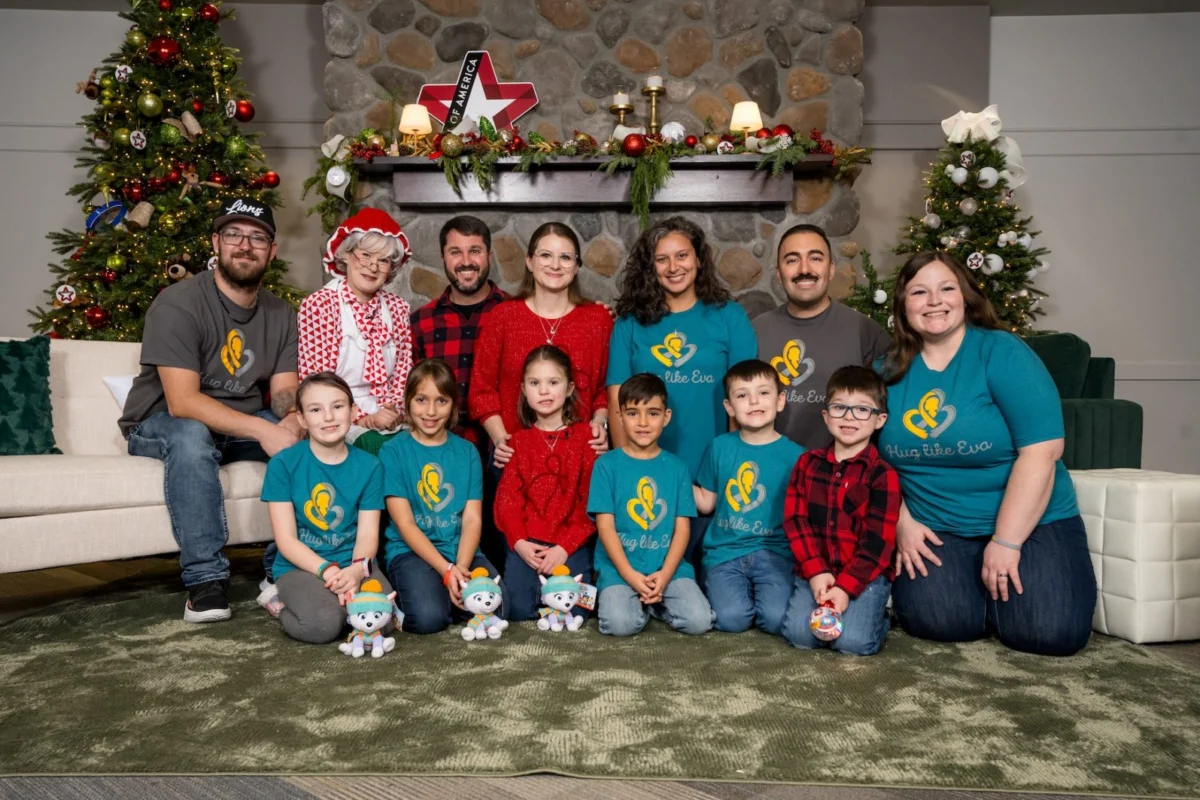
In an era where medical breakthroughs are often measured in incremental steps, the story of eight-year-old Eva from Sioux Falls, South Dakota, represents a convergence of high-stakes science, massive philanthropic investment, and the enduring power of community support. Eva, a young girl whose resilience has become a beacon for her family and medical team, is currently one of fewer than a dozen children worldwide participating in a pioneering clinical trial for diffuse midline glioma (DMG). This rare and aggressive form of pediatric brain cancer has historically been considered one of the most difficult to treat, but a new multi-institutional effort is seeking to change the prognosis for patients across the globe.
The narrative of Eva’s journey is not merely one of medical intervention; it is a testament to the logistical and emotional fortitude required of families facing rare diseases. Every month, Eva and her family undertake a seven-hour roundtrip journey from their home in South Dakota to the Twin Cities in Minnesota. This trek is the physical manifestation of a family’s determination to access the most advanced care available—a trial that is the culmination of more than two decades of research at the University of Minnesota, funded by the Children’s Cancer Research Fund (CCRF).
The Medical Frontier: Understanding Diffuse Midline Glioma
Diffuse midline glioma, previously often categorized under the umbrella of Diffuse Intrinsic Pontine Glioma (DIPG), remains one of the most formidable challenges in pediatric oncology. These tumors are located in the "midline" structures of the brain, such as the pons, thalamus, and spinal cord—areas that control vital functions like breathing, heart rate, and motor control. Because the tumors are diffuse, they do not have well-defined borders, making surgical removal nearly impossible without causing catastrophic damage to the brain.
Historically, the standard of care for DMG has been limited to radiation therapy, which often provides only a temporary reprieve. The blood-brain barrier also presents a significant obstacle, preventing many traditional chemotherapy agents from reaching the tumor in effective concentrations. The clinical trial Eva is participating in represents a shift toward precision medicine and immunotherapy, aiming to bypass these traditional barriers through innovative delivery methods or targeted molecular approaches.
Dr. Anne Bendel, Director of Neuro-oncology Research at Children’s Minnesota and Eva’s primary physician, emphasized the gravity of this research. "For far too long, there hasn’t been an effective way to fight DMG," Dr. Bendel stated. "This clinical trial is a critical step toward changing that reality for kids. Caring for patients like Eva reminds us why research matters—every child deserves a healthy, happy future with the people they love most."
A Chronology of Philanthropic Momentum
The transition from laboratory research to a human clinical trial requires more than just scientific ingenuity; it requires a sustained influx of capital. The timeline for the funding of this specific trial reached a crescendo in October 2024 at the Forbes | SHOOK Top Advisor Summit in Las Vegas.
During this high-profile gathering, major U.S. investment firms and the nation’s leading wealth advisors joined forces with the Children’s Cancer Research Fund to address the funding gap for pediatric brain cancer research. The event successfully raised $1.5 million specifically to support this new clinical trial. This influx of capital was further stabilized by individual philanthropists, including Alexander Monahan, co-founder of OddsJam, whose contribution helped ensure the long-term viability of the project.
The involvement of the financial sector in pediatric cancer research highlights a growing trend in "impact philanthropy," where business leaders leverage their networks to accelerate medical milestones. For the Children’s Cancer Research Fund, this partnership is the result of twenty years of groundwork. Kenna Dooley, Chief Development Officer for CCRF, noted the human element behind the data. "Science is powerful, but people make progress happen," Dooley said. "Researchers, clinicians, donors, and families are all part of this fight. For more than twenty years, supporters have invested in this work so moments like this are possible—a real chance for more days, more childhood, and more joy."
The Logistics of Hope: The Seven-Hour Journey
For families like Eva’s, the clinical trial is not just a scientific hope but a logistical commitment. The geography of specialized pediatric care in the United States often creates "medical deserts" for rare diseases, forcing families in rural or less populated states like South Dakota to travel hundreds of miles for treatment.
The seven-hour roundtrip between Sioux Falls and Minneapolis involves more than just fuel and time; it involves the navigation of work schedules, the disruption of childhood routines, and the constant emotional weight of a life-threatening diagnosis. This travel burden is a common reality for pediatric cancer families, where the best hope for survival often lies in a single hospital halfway across the country. The resilience shown by Eva’s family underscores the necessity of support systems that extend beyond the hospital walls, encompassing both financial aid and community empathy.
A Holiday Reprieve: The Mall of America Surprise
While the clinical trial focuses on the long-term survival of patients, organizations like Mall of America (MOA) have stepped in to address the immediate emotional needs of children undergoing intensive treatment. This holiday season, Mall of America partnered with CCRF and Children’s Minnesota to create a "moment of wonder" for Eva and her family.
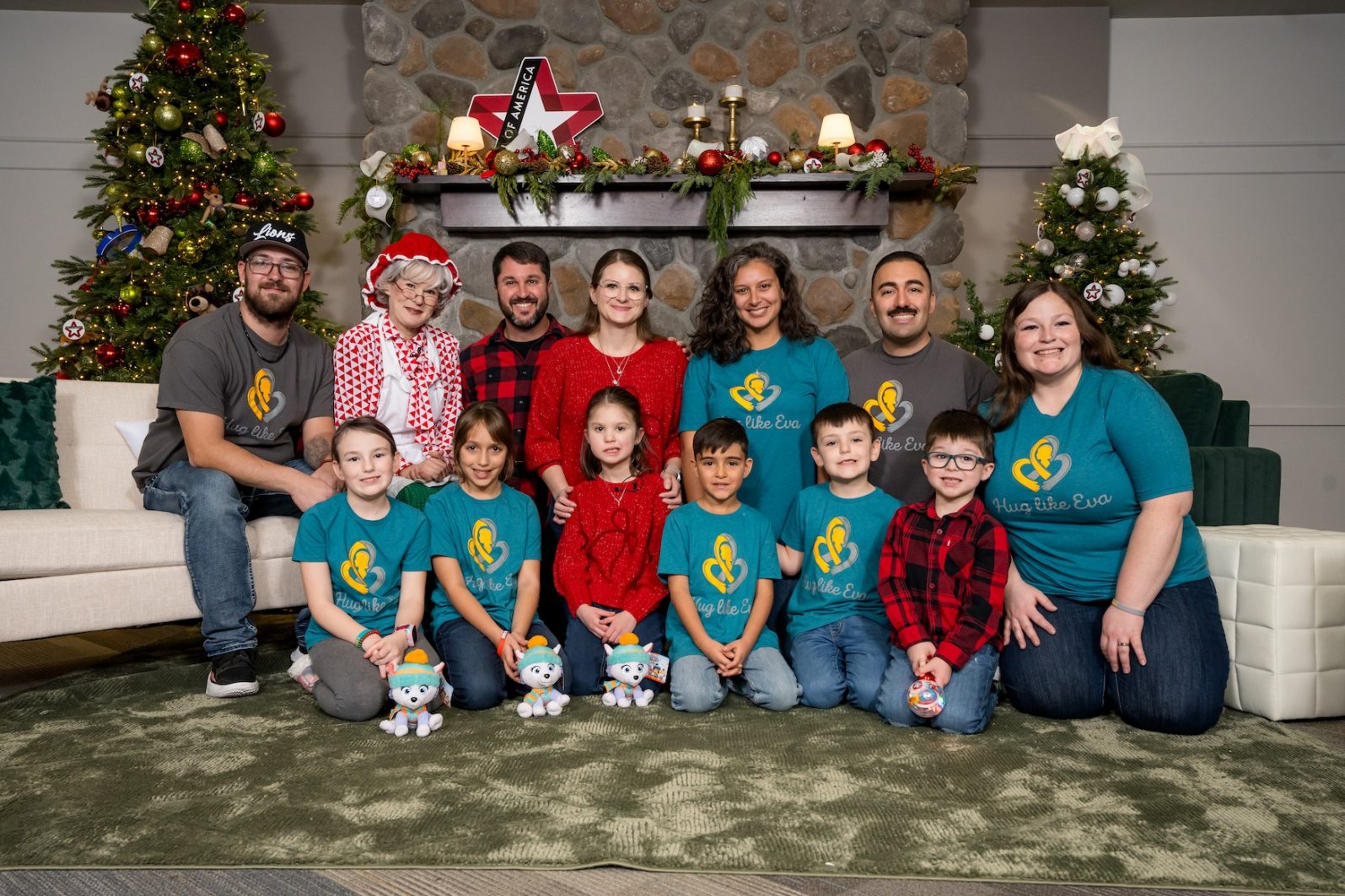
The surprise was meticulously planned to provide a break from the clinical environment of hospitals and the exhaustion of travel. Eva, who believed she was visiting a hotel for a routine swimming trip, was instead greeted by Santa’s elves and led to a custom-designed "Christmas cottage." The space was outfitted with traditional holiday décor, stockings, a movie nook, and festive characters.
The centerpiece of the surprise was the arrival of Eva’s cousins from Virginia and South Dakota. Reunited for the first time in months, the children were given the opportunity to spend the weekend together at the Mall of America, fulfilling a wish Eva had held throughout her treatment.
Jill Renslow, Chief Officer of Marketing and Business Development at Mall of America, highlighted the corporate responsibility aspect of the event. "We believe in creating moments that truly matter, especially for families facing the unimaginable," Renslow said. "Eva’s strength reminds us how powerful community can be. It’s an honor to surround her family with joy and light this holiday season."
Analysis: The Impact of Private Funding on Pediatric Oncology
The $1.5 million raised in Las Vegas and the continued support from donors like Alexander Monahan are critical because of the historical disparity in federal cancer research funding. In the United States, the National Cancer Institute (NCI) allocates only about 4% of its annual budget to pediatric cancer research. This "4% problem" means that rare childhood cancers like DMG are heavily dependent on private foundations and individual donors to move the needle on survival rates.

Without organizations like the Children’s Cancer Research Fund, many trials for rare pediatric diseases would never reach Phase I or Phase II testing. The University of Minnesota’s research, which laid the foundation for Eva’s trial, was sustained over two decades by such private investments. This long-term commitment is essential because pediatric brain tumors are biologically distinct from adult brain tumors, requiring unique therapeutic strategies that cannot simply be "borrowed" from adult oncology.
Furthermore, the collaboration between investment firms and medical researchers demonstrates a shift toward more aggressive, results-oriented philanthropy. By funding specific trials rather than general hospital overhead, donors can see a direct line between their contributions and the treatment of patients like Eva.
Broader Implications and Future Outlook
The success of Eva’s trial—and others like it—could have implications far beyond the dozen children currently enrolled. If the therapy shows efficacy in treating DMG, it could serve as a blueprint for treating other "cold" tumors (tumors that the immune system does not naturally recognize or attack). The data gathered from Eva’s participation contributes to a global body of knowledge that will inform the next generation of neuro-oncology.
However, the path forward remains challenging. Clinical trials for rare diseases face hurdles in patient recruitment, regulatory approval, and the high cost of personalized medicine. The "groundbreaking" nature of this trial suggests it may involve advanced technologies such as CAR T-cell therapy or viral vector delivery, both of which are expensive and labor-intensive to produce.
As Eva continues her monthly travels and her participation in the trial, her story serves as a dual reminder. It is a reminder of the devastating nature of pediatric brain cancer, but more importantly, it is a reminder of the infrastructure of hope that exists when science, wealth, and community spirit align. The $1.5 million raised and the magical weekend at Mall of America are two sides of the same coin: one provides the medicine to save a life, while the other provides the joy that makes that life worth living.
For the medical community in the Twin Cities and the researchers at the University of Minnesota, the goal remains clear: to turn "rare and aggressive" into "treatable and survivable." For Eva, the goal is simpler: more time with her cousins, more swims in the pool, and more holiday mornings filled with the magic of a Christmas cottage. Through the continued synergy of research and generosity, both goals are closer to being realized than ever before.
