
 By Budi Oetomo Narendra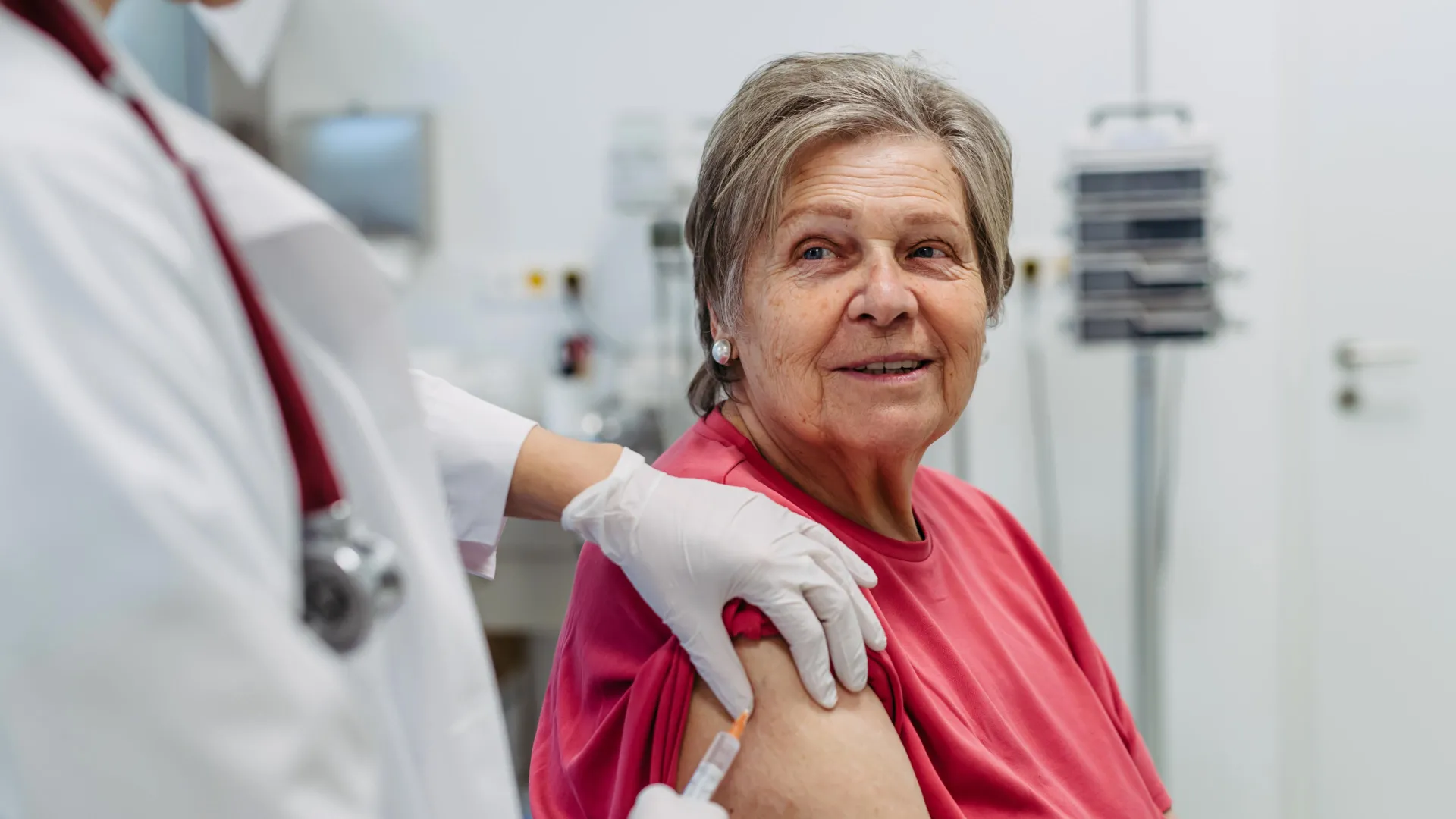
A groundbreaking study conducted by researchers at the USC Leonard Davis School of Gerontology has uncovered a compelling association between receiving a shingles vaccine and a slower rate of biological aging in older adults, suggesting potential health benefits extending far beyond the prevention of a painful rash. This new research, drawing upon data from a nationally representative cohort, indicates that vaccination against herpes zoster, commonly known as shingles, may contribute to a more youthful biological profile, even after accounting for various demographic and health status differences. The findings illuminate a fascinating intersection between immunology and gerontology, positing that vaccines could play a broader role in promoting healthy longevity by modulating systemic biological processes.
Unpacking the Study: Methodology and Key Discoveries
The comprehensive analysis focused on more than 3,800 participants aged 70 and older in 2016, all drawn from the extensive U.S. Health and Retirement Study (HRS). The HRS is a longitudinal panel study that surveys a representative sample of approximately 20,000 Americans over the age of 50, providing invaluable data on health, economic, and social factors. By meticulously controlling for a wide array of variables, including existing health conditions, socioeconomic status, and other demographic factors that could influence aging rates, the USC team sought to isolate the potential impact of shingles vaccination.
The core discovery was stark: individuals who had received the shingles vaccine exhibited significantly slower overall biological aging compared to their unvaccinated counterparts. This wasn’t merely a statistical correlation; the researchers delved into specific biomarkers to understand the mechanisms at play. They evaluated a suite of seven key markers of biological aging, which, while not explicitly detailed in the initial report, typically include indicators reflecting cellular health, metabolic function, and inflammatory status. These often encompass measures such as C-reactive protein (CRP) for inflammation, blood pressure readings, glucose levels, cholesterol profiles, kidney function markers like creatinine, liver function markers, and white blood cell counts. Crucially, these individual measurements were synthesized into a composite "overall biological aging score," providing a holistic picture of each participant’s biological age versus their chronological age. The consistent trend across these multiple dimensions pointed towards a tangible, decelerated aging process in vaccinated individuals.
The Enigma of Biological Versus Chronological Aging
To fully appreciate the significance of these findings, it is essential to distinguish between chronological age and biological age. Chronological age is simply the number of years a person has lived since birth. Biological age, conversely, reflects the functional integrity and health of an individual’s organs and cellular systems. It is a dynamic measure, influenced by genetics, lifestyle, environmental factors, and health interventions. Two individuals of the same chronological age, say 75, can have vastly different biological ages. One might possess the physiological resilience and organ function of a 60-year-old, while the other might exhibit signs of accelerated aging, with systems resembling those of an 85-year-old.
Scientists employ various biomarkers to gauge biological age, moving beyond simple chronological counting. These biomarkers often include epigenetic clocks (which measure patterns of DNA methylation), telomere length (the protective caps on chromosomes that shorten with age), inflammatory markers, and indicators of cellular senescence (the accumulation of "zombie" cells that stop dividing but release harmful substances). The USC study’s focus on an overall biological aging score, derived from multiple markers, provided a robust assessment, confirming that vaccinated participants showed profiles more akin to younger individuals.
Shingles: A Persistent Threat and Its Vaccination History
Shingles, medically known as herpes zoster, is far more than just a painful rash. It is a reactivation of the varicella-zoster virus (VZV), the same virus that causes chickenpox. After a person recovers from chickenpox, VZV does not leave the body; instead, it lies dormant in nerve cells near the spinal cord and brain. Decades later, typically when the immune system weakens due to age, stress, or immunosuppression, the virus can reactivate, traveling along nerve pathways to the skin and causing a characteristic blistering rash. This rash is often accompanied by severe, burning, shooting, or throbbing pain, which can be debilitating.
The risk of developing shingles increases dramatically after age 50, with incidence rates climbing sharply with each successive decade. Immunocompromised individuals, regardless of age, also face a higher risk. A particularly distressing complication is postherpetic neuralgia (PHN), a chronic, often excruciating nerve pain that can persist for months or even years after the rash has cleared. PHN significantly impairs quality of life, leading to sleep disturbances, depression, and social isolation.
The development of shingles vaccines has been a critical public health achievement. The first shingles vaccine, Zostavax (a live attenuated vaccine), was approved by the U.S. Food and Drug Administration (FDA) in 2006. While effective, its efficacy waned over time and was lower in older age groups. A significant advancement came with the approval of Shingrix (a recombinant subunit vaccine) in 2017. Shingrix has demonstrated over 90% efficacy in preventing shingles and PHN across all age groups 50 and older, with sustained protection for at least seven years. The USC study, which focused on individuals aged 70 and older in 2016, would have included participants who received either Zostavax or, potentially, the early adopters of Shingrix, though Zostavax would have been the predominant vaccine available for many years prior to 2016. Regardless of the specific vaccine type, the study’s findings underscore the broad protective capacity of shingles immunization.
The Role of Inflammation in Aging: "Inflammaging"
A critical insight from the USC research pertains to the role of inflammation. Vaccinated participants, on average, exhibited lower levels of inflammation compared to their unvaccinated peers. This finding is particularly significant given the concept of "inflammaging," a term coined by researchers to describe the chronic, low-grade, sterile inflammation that characterizes aging. Unlike acute inflammation, which is a beneficial immune response to injury or infection, inflammaging is persistent and insidious. It is not triggered by a specific pathogen but rather by cumulative cellular damage, senescent cells, mitochondrial dysfunction, and other age-related stressors.
This persistent background inflammation is a major contributor to the pathogenesis of numerous age-related diseases, including cardiovascular disease, type 2 diabetes, neurodegenerative disorders like Alzheimer’s disease, osteoporosis, sarcopenia (age-related muscle loss), and frailty. It acts as a perpetual low-level stressor, eroding cellular and tissue function over time. Research Associate Professor of Gerontology Jung Ki Kim, the study’s first author, articulated this crucial link: "By helping to reduce this background inflammation—possibly by preventing reactivation of the virus that causes shingles, the vaccine may play a role in supporting healthier aging." The hypothesis suggests that by preventing the periodic or persistent immune activation caused by dormant VZV, the vaccine may mitigate a source of inflammatory stress, thereby dampening overall inflammaging and promoting a healthier biological trajectory.
The study also highlighted slower epigenetic and transcriptomic aging in vaccinated individuals. Epigenetic aging refers to changes in gene expression patterns that accumulate over time without altering the underlying DNA sequence. These changes, often measured by "epigenetic clocks," are highly accurate predictors of biological age and mortality. Transcriptomic aging refers to age-related alterations in the set of RNA molecules (the transcriptome) produced by the cells, reflecting changes in gene activity. These findings collectively suggest that the shingles vaccine is influencing fundamental cellular and molecular processes that govern the pace of aging.
Durability of Benefits and Long-Term Implications
One of the most encouraging aspects of the USC study was the examination of the longevity of these observed effects. Researchers analyzed data based on how long ago participants had received their vaccine. Remarkably, those who had been vaccinated four or more years prior to providing a blood sample still demonstrated slower epigenetic, transcriptomic, and overall biological aging compared to unvaccinated individuals. This suggests that the positive influence of the shingles vaccine on biological aging is not fleeting but potentially long-lasting, offering sustained benefits for several years post-immunization.
This long-term effect reinforces the growing understanding that vaccines, while primarily designed to prevent acute infections, may exert "off-target" effects or "non-specific" effects that broadly modulate the immune system and influence overall health. Earlier studies, as noted by Dr. Kim, have already hinted at these broader benefits, linking adult vaccines, including those for shingles and influenza, to lower risks of dementia and other neurodegenerative diseases. This new research provides a compelling biological framework—namely, the reduction of inflammaging and the modulation of cellular aging processes—through which these broader health benefits might be achieved.
Expert Perspectives and Broader Impact
Eileen Crimmins, USC University Professor and AARP Professor of Gerontology, and coauthor of the study, emphasized the significance of these findings: "These findings indicate that shingles vaccination influences key domains linked to the aging process. While further research is needed to replicate and extend these findings, especially using longitudinal and experimental designs, our study adds to a growing body of work suggesting that vaccines may play a role in healthy aging strategies beyond solely preventing acute illness."
The implications of this research are far-reaching. Public health organizations, such as the Centers for Disease Control and Prevention (CDC) and the National Institute on Aging (NIA), which supported this work, may find these findings compelling as they continue to refine vaccination guidelines and promote healthy aging initiatives. If vaccines can indeed slow biological aging, they represent an accessible and cost-effective strategy to improve population health and potentially extend healthy lifespans. This could lead to reduced healthcare burdens associated with age-related chronic diseases and enhanced quality of life for older adults.
Gerontologists and immunologists globally are increasingly interested in interventions that target the hallmarks of aging. The shingles vaccine, already recommended for older adults for its primary purpose of disease prevention, now emerges as a potential "geroprotector"—an agent that helps slow the aging process itself. This opens new avenues for research into how other common adult vaccines might similarly influence biological aging and contribute to overall resilience against age-related decline. Future studies will undoubtedly explore the precise molecular mechanisms underpinning these effects, perhaps delving into specific immune cell populations, cytokine profiles, or gene expression pathways that are altered post-vaccination. Longitudinal studies following vaccinated and unvaccinated cohorts over many years will be crucial to confirm causality and quantify the extent of biological age deceleration.
About the Study and Future Directions
The pivotal study, titled "Association between shingles vaccination and slower biological aging: Evidence from a U.S. population-based cohort study," was officially published in the prestigious Journals of Gerontology, Series A: Biological Sciences and Medical Sciences on January 20, 2026. This research was made possible through the generous support of the National Institute on Aging at the National Institutes of Health (P30 AG017265), with the foundational Health and Retirement Study itself supported by the National Institute on Aging (U01AG009740). The collaboration between these esteemed institutions and the rigorous methodology employed underscore the credibility and importance of these findings.
As the global population ages, understanding and mitigating the biological processes of aging becomes an increasingly urgent priority. The USC Leonard Davis School of Gerontology’s latest research offers a compelling vision: that a vaccine designed to prevent a specific infection might also hold a key to unlocking broader benefits for healthy aging. While more research is undoubtedly needed to fully elucidate these mechanisms and confirm these associations, the prospect of an existing, widely available intervention contributing to a slower biological clock is a powerful and hopeful message for the future of aging well.
