
 By admin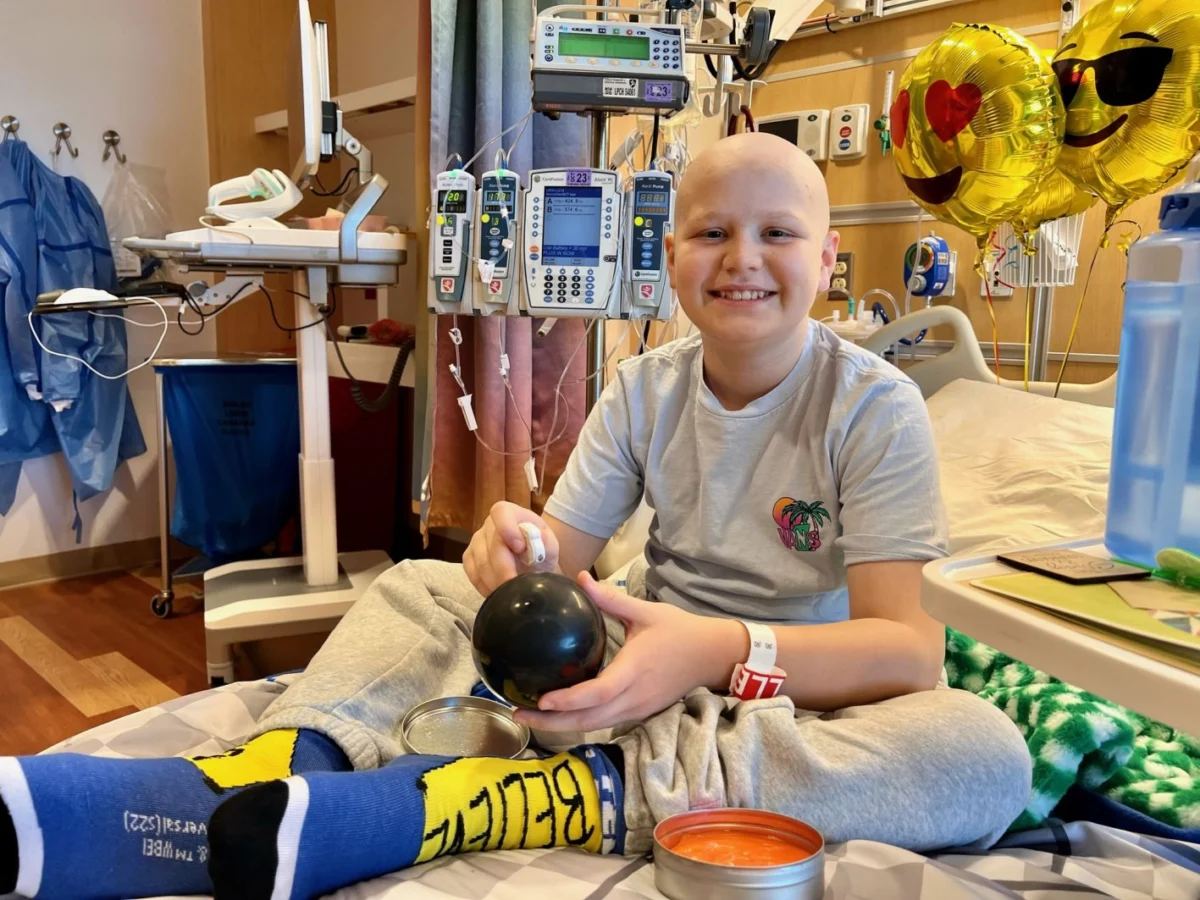
The intersection of a pre-existing chronic condition and a sudden, aggressive malignancy presents one of the most complex challenges in pediatric medicine. For Max, a young patient already navigating the rigors of Type 1 diabetes, the onset of severe abdominal pain was initially dismissed by medical professionals as a routine case of constipation. However, the persistence of his mother, Paige, eventually led to a diagnosis that changed their lives: Burkitt’s lymphoma, an exceptionally rare and fast-growing form of non-Hodgkin lymphoma. This case highlights not only the critical importance of parental advocacy in clinical settings but also the extraordinary resilience required to manage dual life-altering diagnoses simultaneously.
The Critical Role of Parental Advocacy in Diagnosis
The path to Max’s diagnosis was fraught with the clinical pitfalls often associated with pediatric abdominal pain. Over a three-week period, Max and his mother made three separate trips to the emergency room. Each time, despite Max’s history of Type 1 diabetes and his mother’s meticulous tracking of his dietary intake, fiber consumption, and hydration, doctors maintained that the issue was gastrointestinal stagnation.
Paige’s refusal to accept the "constipation" narrative was rooted in data. As the parent of a diabetic child, she was accustomed to monitoring every metabolic variable. When clinicians suggested more fiber and water, she was able to provide immediate evidence that his intake already far exceeded recommended levels. This insistence eventually forced a shift in the diagnostic approach. Only after Paige refused to leave the emergency room did the medical team order an MRI. The imaging revealed a significant tumor, shifting the clinical focus from a routine digestive issue to an oncological emergency.
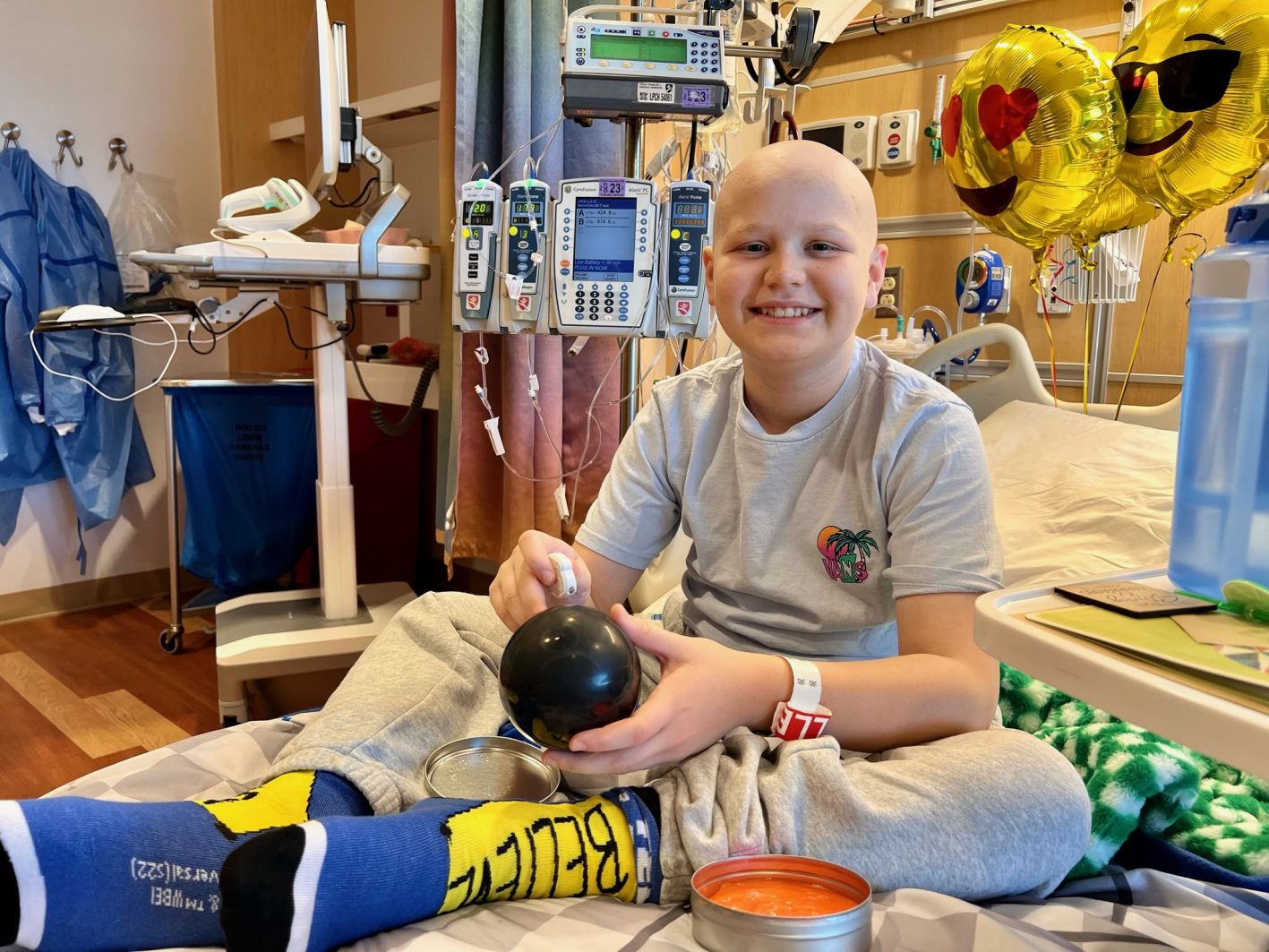
Medical experts note that Burkitt’s lymphoma is characterized by a "doubling time" of approximately 24 to 48 hours, making it one of the fastest-growing tumors known to science. In such cases, a delay of even a few days in diagnosis can drastically alter the prognosis. Paige’s advocacy likely prevented a catastrophic progression of the disease.
Understanding Burkitt’s Lymphoma: An Aggressive Pathological Profile
Burkitt’s lymphoma is a high-grade B-cell neoplasm that primarily affects children and young adults. It is classified into three clinical variants: endemic, sporadic, and immunodeficiency-associated. In the United States, the sporadic form typically manifests as abdominal masses, often leading to symptoms that can be mistaken for appendicitis or, as in Max’s case, severe constipation.
While the diagnosis of such an aggressive cancer is inherently terrifying, the biological characteristics that make it grow quickly also make it highly susceptible to modern medical intervention. Chemotherapy targets rapidly dividing cells; because Burkitt’s cells divide at an almost unparalleled rate, they are often eradicated effectively by intensive treatment protocols. This paradox—that the most aggressive cancers are sometimes the most treatable—became the foundation of Max’s mental approach to his recovery.
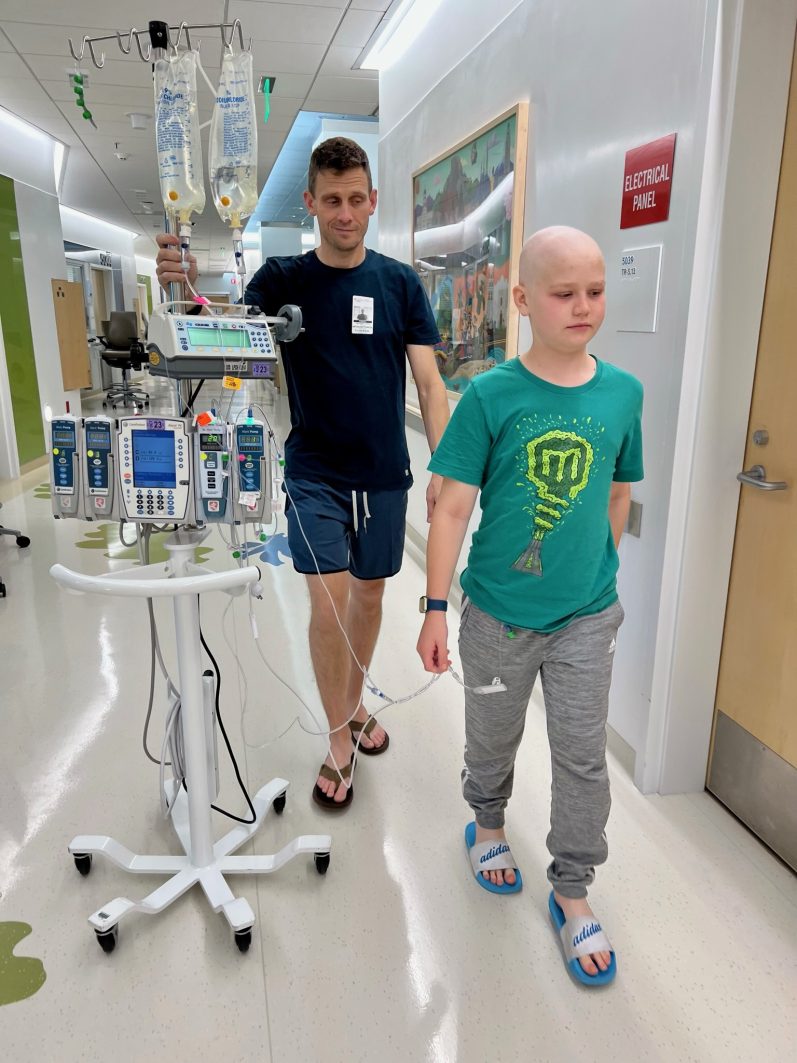
Upon diagnosis, Max’s treatment plan was immediate and intensive. The protocol required a bone marrow biopsy to determine if the cancer had spread to the hematologic system, multiple lumbar punctures to check for central nervous system involvement, the surgical placement of a chemo-port, and the immediate commencement of high-dose chemotherapy.
The Metabolic Conflict: Managing Type 1 Diabetes During Cancer Treatment
The complexity of Max’s case was compounded by his pre-existing Type 1 diabetes (T1D). Managing T1D requires a delicate balance of insulin administration, carbohydrate counting, and physical activity. However, the standard treatments for Burkitt’s lymphoma introduce variables that disrupt this balance entirely.
A primary challenge was the use of corticosteroids, such as dexamethasone or prednisone, which are staple components of lymphoma treatment. Steroids are known to cause extreme insulin resistance and significant spikes in blood glucose levels. For a patient without diabetes, the body compensates; for Max, it meant his insulin requirements fluctuated wildly. Furthermore, chemotherapy-induced nausea and changes in appetite made predicting carbohydrate intake nearly impossible.
The clinical risk of poorly managed blood sugar during cancer treatment is high. Elevated glucose levels (hyperglycemia) can impair the immune system’s ability to fight off the infections that frequently occur when chemotherapy suppresses white blood cell counts. This created a high-stakes environment where Max’s parents had to manage his "minute-to-minute" metabolic health while the medical team focused on the malignancy.
A notable systemic issue identified during Max’s stay was the lack of integration between personal diabetes technology and hospital charting systems. Despite Max using a continuous glucose monitor (CGM) and an insulin pump—technologies designed to provide real-time data—hospital protocols often required nurses to manually enter data from handwritten logs provided by the parents. This highlights a broader need for technological interoperability in pediatric wards to reduce the burden on families managing multiple conditions.
A Chronology of Resilience: Mental and Physical Strategies
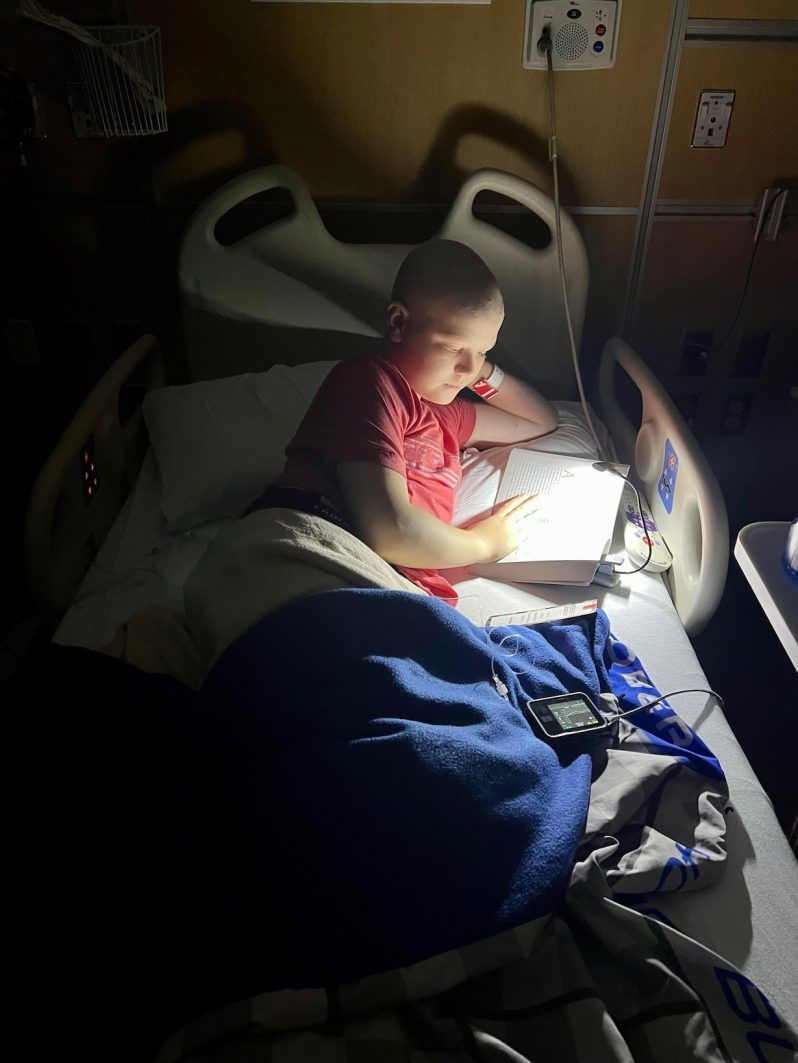
Max’s approach to his treatment was defined by a self-imposed mandate to be "more resilient than the cancer." This resilience manifested in several specific behavioral choices that departed from the standard patient experience:
- Conscious Participation in Painful Procedures: In a move that surprised his medical team, Max frequently chose to remain awake during lumbar punctures. While younger children are typically placed under general anesthesia for these invasive spinal procedures, Max preferred the feeling of control over the disorientation that follows anesthesia.
- Combating Muscle Atrophy through Virtual Reality: Prolonged hospitalization often leads to muscle wasting. To counter this, Max utilized a Meta Quest virtual reality headset to play "Gorilla Tag," a physically demanding game that requires significant upper-body movement. This "exergaming" allowed him to maintain physical activity within the confines of a small hospital room.
- Sensory Management during PET/CT Scans: One of the most difficult aspects of Max’s journey was the PET/CT imaging process. These scans require the patient to remain perfectly still in a confined, heated space for hours. Max’s father, Zac, described the auditory environment of the machine as being akin to the loud, rhythmic clanging found in the opening of Pink Floyd’s song "Money." Max utilized visualization and positive mantras—such as "This isn’t permanent"—to endure the claustrophobia and the noise.
The Impact of Clinical Research and Historical Data
Max’s survival is a testament to the evolution of pediatric oncology. Just decades ago, the survival rate for aggressive non-Hodgkin lymphomas in children was significantly lower. The current high success rate is the direct result of clinical trials and the participation of previous generations of patients.
The protocols used to treat Max—involving cycles of intensive multi-agent chemotherapy—were refined through years of data collection. This history was not lost on the family. Paige noted the importance of recognizing the "milestones" that are now possible because of medical advancement, from the first day of freshman year to birthdays that once seemed uncertain.
The scientific community continues to study the long-term effects of these treatments. While the primary goal is the eradication of the tumor, secondary concerns include the risk of "late effects," such as secondary cancers or cardiac issues caused by certain chemotherapy agents. Max’s ongoing health will involve long-term monitoring to ensure that the very treatments that saved his life do not cause complications later in adulthood.
Future Aspirations and Broader Implications
Max has transitioned from a patient to an advocate and aspiring scientist. His experiences in the hospital have fueled a desire to pursue a career in biology, with a specific focus on researching cures for diseases. This ambition reflects a common trend among pediatric "survivors," who often channel their medical trauma into a drive for scientific or humanitarian contribution.
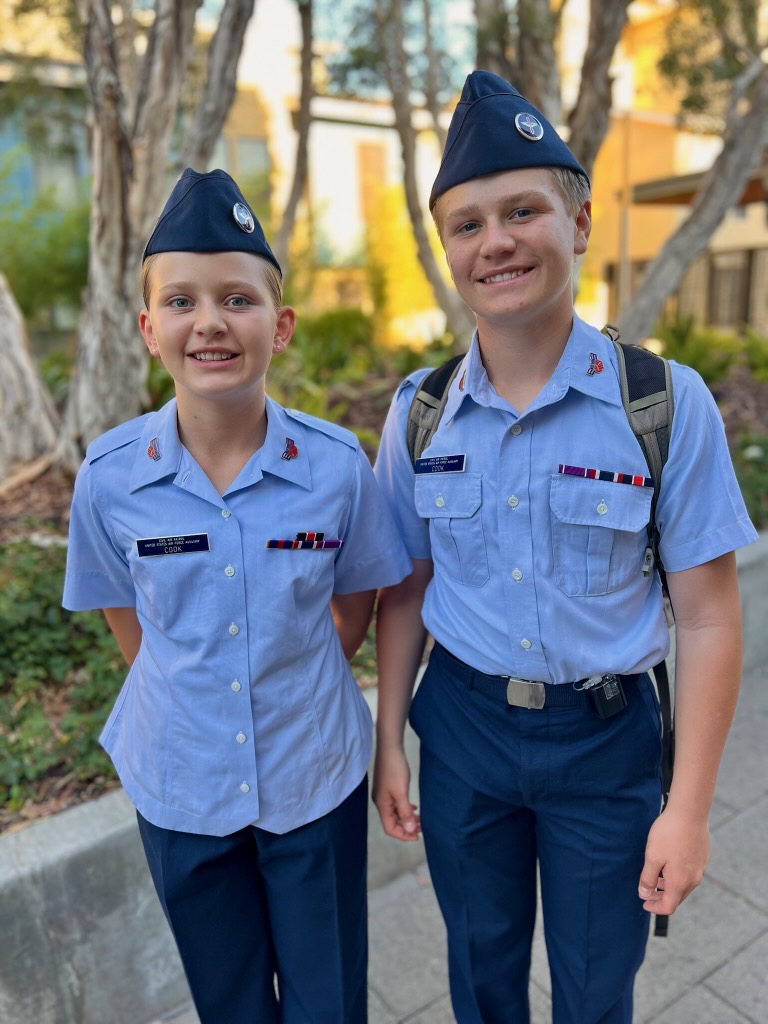
Max’s post-treatment life has been marked by a return to high-intensity activities. Inspired by the book The Boys on the Boat, he and his sister took up rowing, a sport that requires the very stamina and synchronization he practiced during his recovery. Additionally, his participation in the Civil Air Patrol European Encampment in Germany demonstrates a full restoration of physical and leadership capabilities.
The broader implications of Max’s story for the medical community are twofold. First, there is a clear directive for emergency department physicians to weigh parental intuition more heavily, especially when the parent can provide data-backed contradictions to a preliminary diagnosis. Second, the case underscores the need for "whole-patient" care in hospitals—where the management of chronic conditions like diabetes is seamlessly integrated into the treatment of acute crises like cancer.
Max’s message to other children facing similar diagnoses is one of psychological fortitude. He maintains that a positive mindset is not merely a comfort but a tool that can affect the overall experience of treatment. As he moves forward into his high school years, Max stands as a living example of how the combination of parental persistence, medical research, and individual willpower can overcome even the most aggressive of pathologies.
