
 By admin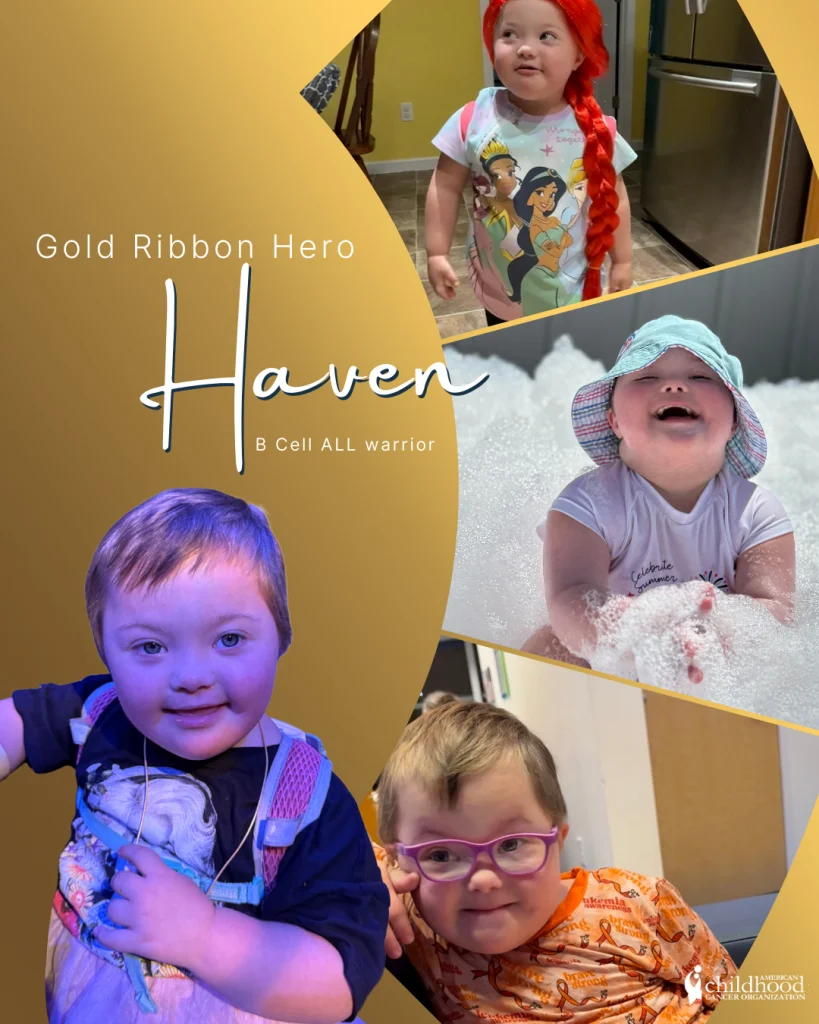
The intersection of pediatric oncology and pre-existing genetic conditions presents a complex challenge for medical professionals and families alike, a reality recently highlighted by the story of Haven, a four-year-old diagnosed with B-cell Acute Lymphoblastic Leukemia (ALL). Haven, who also lives with Down syndrome, recently transitioned from a period of intensive clinical intervention to serving as an ambassador for childhood cancer awareness at the Grand Ole Opry in Nashville, Tennessee. Her journey, which began just days before her fourth birthday, underscores the critical importance of parental advocacy, specialized medical protocols for high-risk populations, and the role of community support in navigating the long-term implications of a pediatric cancer diagnosis.
The Onset of Symptoms and the Path to Diagnosis
The clinical progression of Haven’s condition began with non-specific symptoms that initially mirrored common childhood ailments. Approximately three weeks prior to her official diagnosis, Haven began exhibiting signs of what was suspected to be a viral infection, followed by gastrointestinal distress consistent with a stomach bug. However, as the third week progressed, her condition deteriorated significantly. Her parents, Skyler and her husband, noted a marked change in Haven’s physical appearance and energy levels; she became exceptionally pale and lethargic, signs that suggested a more systemic underlying issue rather than a self-limiting virus.
Because Haven has a history of hypothyroidism—a condition common in children with Down syndrome—her parents initially sought answers through her established medical network. They requested that a routine appointment with her endocrinologist be moved forward, hoping that a thyroid imbalance might explain her sudden decline in vitality. During this period, Skyler Wells expressed the profound frustration often felt by parents of children with complex needs, noting that the family felt their concerns regarding Haven’s fundamental change in demeanor were not being fully recognized by initial observers.
The diagnostic breakthrough occurred following an extensive panel of blood tests ordered by the endocrinologist. While the results did indicate a thyroid elevation, the hematological markers revealed a much more urgent crisis. Within hours of the blood draw, the family received a directive to report immediately to the hematology and oncology department for an indefinite stay. This moment marked the end of Haven’s fourth-birthday preparations and the beginning of a rigorous medical odyssey, starting with a port placement surgery to facilitate the delivery of chemotherapy.
Clinical Context: B-Cell ALL and Down Syndrome
Haven’s diagnosis of B-cell Acute Lymphoblastic Leukemia is particularly significant within the context of her Down syndrome (Trisomy 21). B-cell ALL is a type of cancer in which the bone marrow produces too many immature lymphocytes, a type of white blood cell. It is the most common form of pediatric cancer, representing approximately 80% of all leukemia cases in children. While the overall five-year survival rate for pediatric ALL has risen to approximately 90% due to advancements in multi-agent chemotherapy, the presence of Down syndrome introduces specific variables into the treatment plan.
Epidemiological data indicates that children with Down syndrome have a significantly higher risk of developing leukemia compared to the general population. Specifically, they are roughly 20 times more likely to develop ALL. Furthermore, the biological nature of the disease and the body’s reaction to treatment can differ. Children with Down syndrome often experience higher rates of chemotherapy-induced toxicities, particularly gastrointestinal complications and infections. This necessitated a highly monitored, three-week initial hospitalization for Haven to ensure that her body could tolerate the induction phase of treatment while being separated from her father and two siblings, Mason and Hadley.
The emotional impact of this diagnosis on the family unit was profound. Skyler Wells noted that while the initial diagnosis of Down syndrome at birth was a significant life event, the news of a cancer diagnosis felt like an unprecedented blow. The family struggled with the typical cycle of parental guilt and the search for causality, despite the fact that pediatric leukemia is generally a result of random genetic mutations rather than environmental or lifestyle factors.
The Treatment Chronology and Achievement of Remission
Haven’s treatment followed the standard of care for pediatric B-cell ALL, which typically involves several phases: induction, consolidation, and maintenance. The primary goal of the induction phase is to achieve complete remission, defined as the absence of detectable leukemia cells in the bone marrow and the return of normal blood cell production.
Throughout the first six months of her journey, Haven underwent various rounds of chemotherapy and medical procedures. The physical toll of these treatments was exacerbated by the logistical and emotional strain of hospital life. For a four-year-old, the disruption of routine and the physical isolation from siblings can be as taxing as the clinical side effects. However, at the six-month milestone, Haven’s medical team confirmed that she had reached the status of remission.
While "remission" is a milestone of immense relief for families, in the context of ALL, it marks the beginning of a long-term maintenance phase rather than the end of treatment. Maintenance therapy for ALL can last two to three years to ensure that any residual, undetectable leukemic cells are eradicated, preventing a relapse. For Haven, reaching this stage allowed for a gradual reintegration into community life and provided the opportunity to use her story as a platform for broader advocacy.
Community Advocacy and the Grand Ole Opry Chili Cook-Off
In recognition of her resilience and as part of a broader effort to raise funds for childhood cancer research, Haven was selected as an ambassador for the American Childhood Cancer Organization (ACCO) during their partnership with the Grand Ole Opry in Nashville. This event, the annual Grand Ole Opry Chili Cook-Off, serves as a significant fundraiser and awareness vehicle during Childhood Cancer Awareness Month.
The event allowed Haven and her family to step out of the clinical environment and into a celebratory space. As an ambassador, Haven participated in the employee chili cook-off, received a private tour of the historic Opry facilities, and attended a live performance. Such events serve a dual purpose: they provide families with positive experiences to counter the trauma of treatment, and they humanize the statistics of pediatric cancer for the general public.
The partnership between the ACCO and the Grand Ole Opry highlights the importance of corporate and cultural institutions in supporting medical causes. The funds raised during these events are often directed toward the development of "Gold Ribbon" resources—educational materials and support tools designed to help families navigate the complexities of a cancer diagnosis. For Haven’s family, the transition from being recipients of care to ambassadors of a cause represents a significant step in the healing process.
Statistical Overview and Broader Implications
The story of Haven is a singular entry in a broader national health crisis. Each year in the United States, an estimated 15,780 children aged 0 to 19 are diagnosed with cancer. Leukemia remains the most common diagnosis, accounting for nearly one out of every three pediatric cases. While survival rates have improved, the long-term effects of treatment remain a concern. Survivors of pediatric cancer often face "late effects," which can include secondary cancers, cardiovascular issues, and cognitive delays, particularly in patients who already have developmental or genetic predispositions.
The case of Haven also highlights the disparities in research funding. Despite being the leading cause of death by disease in children in the United States, pediatric cancer research receives a disproportionately small fraction of federal funding compared to adult cancers. Advocacy organizations like the ACCO argue that more targeted research is needed to develop treatments that are less toxic, especially for high-risk groups such as children with Down syndrome.
Conclusion and Future Outlook
As of late 2024, Haven remains in remission, continuing her journey through the maintenance phase of her treatment. Her story serves as a testament to the efficacy of modern pediatric oncology and the vital role of parental vigilance. The Wells family’s experience illustrates the suddenness with which a life can be upended by a diagnosis and the necessity of a robust support system to weather the ensuing storm.
By serving as an ambassador at the Grand Ole Opry, Haven has helped shine a light on the specific challenges faced by the "warriors" of B-cell ALL. Her journey from the lethargy of those early, undiagnosed weeks to the stage of the Opry symbolizes the hope inherent in modern medical advancement. However, the medical community continues to emphasize that the work is far from over. Ongoing advocacy, increased research into the genetic links between Down syndrome and leukemia, and continued community support for families in the midst of treatment remain essential components in the fight against childhood cancer. Haven’s story is not just one of survival, but of the ongoing effort to ensure that every child diagnosed with leukemia has the opportunity to reach their next birthday and beyond.
