
 By Budi Oetomo Narendra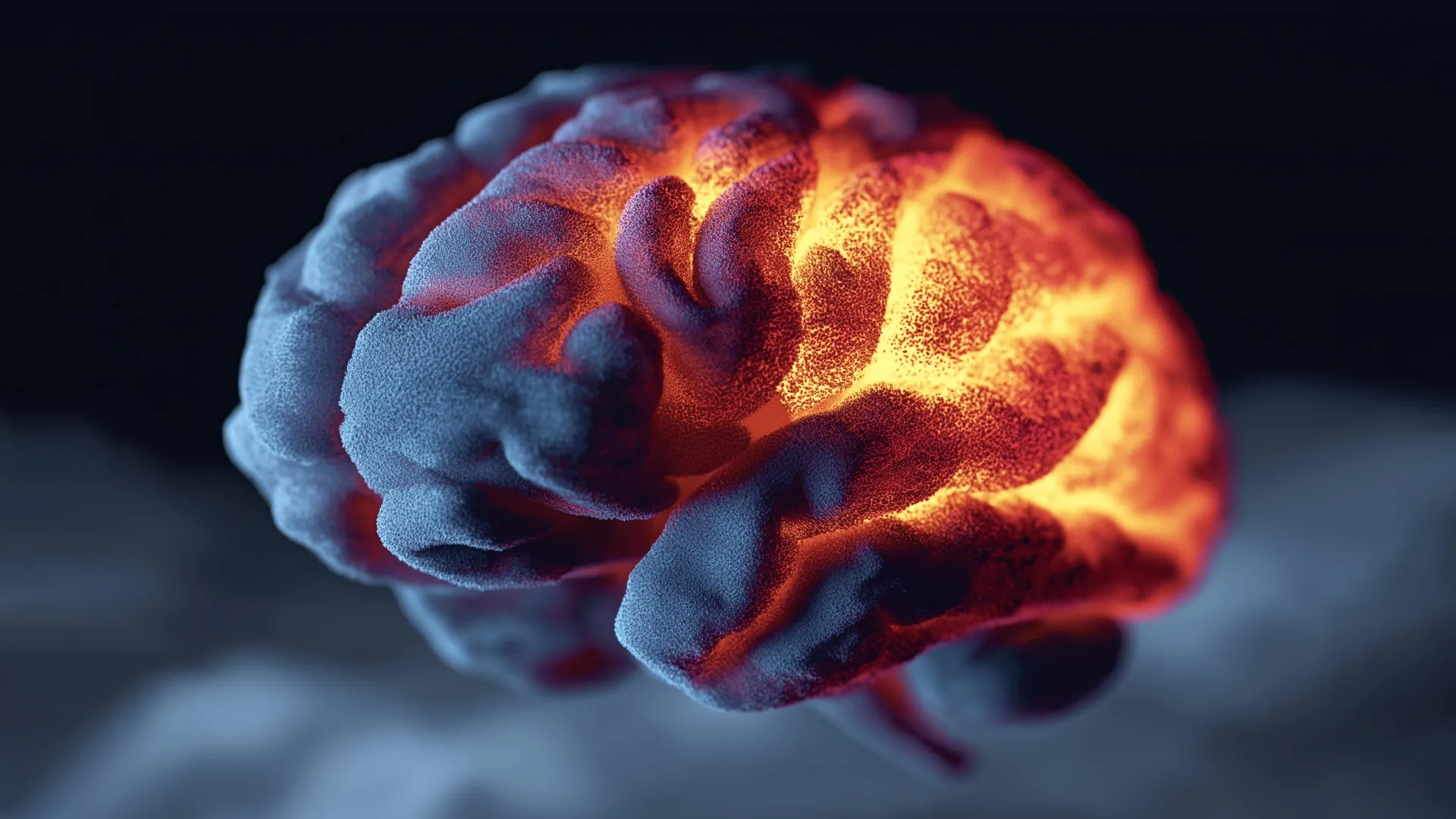
Researchers at Oregon Health & Science University (OHSU) have identified a crucial new treatment target for anti-NMDA receptor encephalitis, a severe and often devastating autoimmune brain disorder. This significant discovery, detailed in the journal Science Advances, pinpoints the exact locations on a vital brain receptor where harmful autoantibodies attach, offering a precise pathway for developing more effective and less invasive therapies. Beyond therapeutic implications, the findings also suggest the potential for developing a blood test capable of detecting the disease earlier, thereby enabling prompt intervention and potentially mitigating long-term neurological damage.
Understanding Anti-NMDA Receptor Encephalitis: A "Brain on Fire" Phenomenon
The disorder gained public recognition through the bestselling memoir and subsequent 2016 film "Brain on Fire," which chronicled the author’s harrowing experience with the condition. While widely publicized, anti-NMDA receptor encephalitis remains a rare illness, affecting approximately one in one million people annually, primarily young adults in their 20s and 30s. Its insidious onset often leads to initial misdiagnosis, as symptoms frequently mimic psychiatric conditions.
At its core, the disease is characterized by the immune system’s misguided attack on N-methyl-D-aspartate (NMDA) receptors in the brain. These receptors are neurotransmitter-gated ion channels that play a fundamental role in synaptic plasticity, critical for learning, memory formation, and higher cognitive functions. When the immune system mistakenly targets these receptors, driven by anti-NMDA receptor autoantibodies, the consequences can be profound. Patients often experience a dramatic spectrum of symptoms, including acute psychiatric changes (paranoia, hallucinations, delusions), profound memory loss, speech dysfunction, seizures, abnormal movements, and autonomic instability. In severe cases, the condition can lead to coma or death if left untreated. The neurological and cognitive sequelae can be long-lasting, even with successful treatment, underscoring the urgent need for more targeted and efficient interventions.
A Brief History of a Recently Identified Disease
The understanding of anti-NMDA receptor encephalitis is relatively nascent. The disease was first definitively characterized in 2007 by a team led by Dr. Josep Dalmau, then at the University of Pennsylvania. Prior to this discovery, many patients presenting with its complex array of neurological and psychiatric symptoms were often diagnosed with idiopathic psychosis or other severe but poorly understood neurological conditions. The identification of specific autoantibodies targeting the NMDA receptor marked a paradigm shift, transforming a previously enigmatic syndrome into a recognized autoimmune disorder with a clear immunological basis. This breakthrough paved the way for diagnostic antibody testing and a more systematic approach to treatment, although the current therapeutic landscape still relies heavily on broad immunosuppression.
Pinpointing the Autoantibody Binding Sites: The OHSU Breakthrough
The new study, spearheaded by lead author Junhoe Kim, Ph.D., a postdoctoral fellow at the OHSU Vollum Institute, and senior author Eric Gouaux, Ph.D., a senior scientist at the Vollum and an investigator with the Howard Hughes Medical Institute, represents a significant leap forward. The research team embarked on an ambitious quest to identify the precise locations on the NMDA receptor where the damaging autoantibodies attach.
Their methodology involved a rigorous comparative analysis. Dr. Kim first isolated anti-NMDA receptor autoantibodies from a specially engineered mouse model of the disease. Crucially, these findings were then cross-referenced with detailed images of the same types of antibodies collected from human patients diagnosed with the disorder. This dual-pronged approach provided robust validation for their observations. "We have really solid evidence because the autoantibody binding sites that Junhoe identified overlap with those from people," affirmed Dr. Gouaux, emphasizing the translational relevance of their animal model findings to human pathology.
The team leveraged state-of-the-art imaging technology at the Pacific Northwest Cryo-EM Center, located on OHSU’s South Waterfront campus. This facility, one of only three national centers dedicated to cryo-electron microscopy (cryo-EM) in the United States, is jointly operated by OHSU and the Pacific Northwest National Laboratory, with support from the National Institutes of Health. Cryo-EM allows scientists to visualize biological molecules at near-atomic resolution, providing unprecedented structural detail. This advanced imaging capability was instrumental in precisely mapping the interaction points between the autoantibodies and the NMDA receptor.
Their meticulous analysis yielded a highly compelling result: nearly all of the harmful autoantibodies concentrated on a single, distinct region of the NMDA receptor, specifically on the GluN1 subunit. This finding is particularly exciting because, as Dr. Gouaux noted, "Nearly all of the antibodies bound to a single domain of the receptor that happens to be the part of the receptor that’s simplest to target. It’s a super exciting result, actually." This "hot spot" represents a highly accessible and therefore "drug-able" target, a critical factor for pharmaceutical development. Dr. Kim elaborated on the significance of this precision, explaining that while earlier research had narrowed down the general region of antibody binding, "we collected the entire native autoimmune antibody panel from a mouse model with the disease, and we elucidated where specifically they bind onto the receptor."
Toward More Precise Treatments: Moving Beyond Broad Immunosuppression
The implications of this discovery for treatment strategies are profound. Current treatments for anti-NMDA receptor encephalitis primarily rely on broad immunosuppression, employing agents such as corticosteroids, intravenous immunoglobulins (IVIg), plasmapheresis, and B-cell depleting therapies like rituximab. While these approaches can be life-saving, they are not universally effective, often carry significant side effects, and can leave patients vulnerable to infections and potential relapses. Moreover, the recovery process can be protracted, with many patients requiring extensive rehabilitation and experiencing long-term cognitive deficits.
According to co-author Gary Westbrook, M.D., a neurologist and senior scientist at the Vollum Institute, the identification of these specific binding sites offers a transformative opportunity. "More specific approaches are definitely needed," he stated. This new knowledge empowers pharmaceutical companies to design highly targeted drugs, such as monoclonal antibodies or small molecule inhibitors, that specifically block the detrimental interaction between the autoantibodies and the NMDA receptor. Such precision therapies could potentially halt or even reverse disease progression with fewer off-target effects, thereby improving patient outcomes and quality of life. The ability to selectively interfere with the pathological mechanism, rather than broadly suppressing the entire immune system, represents a significant step forward in the paradigm of autoimmune disease treatment. This could lead to faster recovery times, reduced hospital stays, and a lower incidence of long-term complications.
The Promise of Early Diagnosis: A Future Blood Test
Beyond therapeutics, the research opens a new avenue for diagnostic innovation. Understanding the precise molecular interaction at the heart of the disease could facilitate the development of more sensitive and specific blood tests. Currently, diagnosing anti-NMDA receptor encephalitis can be challenging and time-consuming, often involving lumbar punctures to detect antibodies in cerebrospinal fluid. Diagnostic delays are common, as the early psychiatric symptoms can be mistaken for primary mental health disorders, leading to critical lost time.
An accurate and accessible blood test could revolutionize early detection. Patients could be diagnosed sooner, allowing them to begin targeted treatment before extensive neurological damage occurs. Early intervention is a cornerstone of managing many neurological conditions, and for anti-NMDA receptor encephalitis, it could mean the difference between a full recovery and severe, irreversible cognitive impairment. This would not only improve individual patient prognoses but also reduce the substantial healthcare burden associated with prolonged hospitalizations, intensive care, and long-term rehabilitative support for those diagnosed late.
Broader Impact and Future Directions
This OHSU discovery holds significance beyond anti-NMDA receptor encephalitis. The methodology of precisely mapping autoantibody binding sites using advanced structural biology techniques could serve as a blueprint for investigating other autoimmune encephalitides and neurological disorders where autoantibodies play a pathogenic role. The insights gained here could accelerate research into a wider array of immune-mediated conditions affecting the central nervous system.
The research team is now focused on translating these findings into tangible clinical applications. This involves further in vivo studies to validate potential drug candidates that specifically target the identified "hot spot." Collaboration with pharmaceutical industry partners will be crucial to shepherd these early discoveries through the rigorous drug development pipeline, from preclinical testing to human clinical trials. The economic implications are also noteworthy; autoimmune diseases collectively represent a substantial global healthcare burden, costing billions annually in direct medical expenses and lost productivity. The development of more effective treatments for rare but severe conditions like anti-NMDA receptor encephalitis could lead to significant cost savings in the long run by reducing chronic care needs.
From the perspective of patient advocacy groups, this research offers a renewed sense of hope. The prospect of therapies that are both more effective and less debilitating than current treatments promises a brighter future for patients and their families, reducing the physical and emotional toll of this devastating illness.
Acknowledgements and Ethical Standards
The comprehensive study was made possible through the generous support of several key organizations, including the National Research Foundation of Korea (award RS202400334731), the National Institute of Mental Health, and the National Institute of Neurological Disorders and Stroke (both part of the National Institutes of Health, under award numbers F32MH115595, R01NS117371, and R01NS038631). Additional funding was provided by the Howard Hughes Medical Institute and Jennifer and Bernard LaCroute. The authors explicitly state that the content of the article reflects their views and does not necessarily represent the official views of the NIH.
Furthermore, all animal research conducted at OHSU adhered to the highest ethical standards, undergoing rigorous review and approval by the university’s Institutional Animal Care and Use Committee (IACUC). The IACUC’s mandate is to ensure the welfare of animal subjects, the safety of research personnel, and to critically evaluate all proposed animal studies to confirm their scientific merit and justify the use of live animals. In addition to Kim, Gouaux, and Westbrook, the dedicated research team included Farzad Jalali-Yazdi, Ph.D., and Brian Jones, Ph.D., of OHSU.
In conclusion, the precise identification of autoantibody binding sites on the NMDA receptor by the OHSU team marks a pivotal moment in the fight against anti-NMDA receptor encephalitis. This breakthrough not only paves the way for the development of highly specific and potentially curative therapies but also offers the tantalizing possibility of earlier, more accurate diagnosis. As researchers continue to unravel the complexities of autoimmune neurological disorders, this discovery stands as a testament to the power of advanced scientific inquiry in transforming patient care and offering hope for those affected by these challenging conditions.
