
 By Suherman Candra Maholtra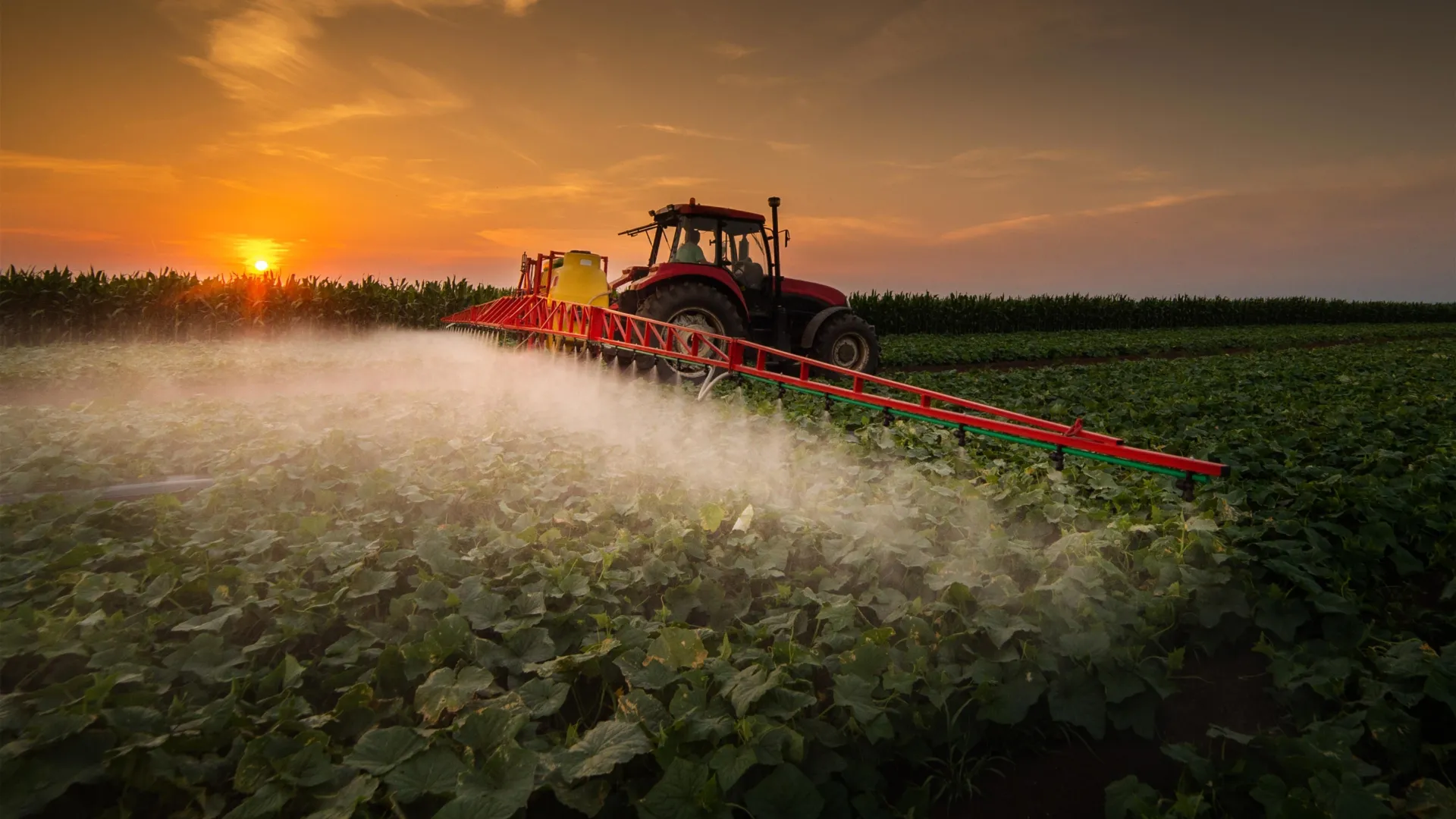
New research led by scientists at the Penn State Cancer Institute has identified a significant correlation between agricultural environments and an increased risk of melanoma, the most lethal form of skin cancer. The study, published on Nov. 14 in the journal JCO Clinical Cancer Informatics, reveals that residents in Pennsylvania counties characterized by high levels of cultivated cropland and intensive herbicide use face notably higher diagnosis rates than those in other regions of the state. Most strikingly, the research found that adults over the age of 50 living in a specific 15-county cluster in South Central Pennsylvania were 57% more likely to be diagnosed with melanoma compared to the rest of the state’s population.
The findings challenge the traditional public health narrative that melanoma risk is almost exclusively tied to recreational sun exposure and ultraviolet (UV) radiation. While UV exposure remains a primary factor, the Penn State team’s analysis suggests that environmental and occupational factors associated with large-scale farming may be contributing to a higher disease burden in rural and semi-rural communities. The study encompasses data collected between 2017 and 2021, providing a modern snapshot of how land use and chemical applications may be intersecting with human biology.
Geographic Disparities in Melanoma Incidence
The research team, led by Charlene Lam, associate professor of dermatology at Penn State Health, and senior author Eugene Lengerich, emeritus professor of public health sciences, utilized cancer registry data to map the incidence of melanoma across Pennsylvania’s 67 counties. The data highlighted a concentrated "hotspot" in the South Central region, an area known for its robust agricultural output and extensive acreage of corn, soybeans, and other grains.
This 57% increase in risk among the 50-plus demographic in these 15 counties persisted even after researchers adjusted for various confounding variables. Dr. Lam noted that the elevated case numbers were not confined to isolated rural pockets but appeared in both rural and urbanized counties within the agricultural belt. This suggests that the risk factors are regional rather than strictly occupational, affecting a broad cross-section of the population regardless of their direct involvement in farming activities.
The researchers pointed out that while melanoma is frequently associated with "beach-going" lifestyles and sunbathing, the Pennsylvania data indicates that the "agricultural landscape" itself may serve as a risk environment. This paradigm shift suggests that the proximity to treated fields and the resulting environmental exposure pathways require closer scrutiny from public health officials and oncologists.
The Role of Cultivated Land and Herbicide Application
A core component of the study involved quantifying the relationship between land use and cancer rates. The researchers discovered two consistent associations that remained significant even after adjusting for socioeconomic status and the average ultraviolet radiation levels in different parts of the state.
First, the amount of cultivated acreage per county was directly tied to melanoma rates. According to the statistical analysis, a 10% increase in the proportion of a county’s land dedicated to cultivated crops was associated with a 14% rise in melanoma cases. Cultivated land refers to acreage used for crops that generally require regular soil disturbance and chemical inputs, as opposed to permanent pasture or forest land.
Second, the study identified a specific link to herbicide use. A 9% increase in the amount of land treated with herbicides corresponded to a 13% increase in melanoma incidence. This correlation is particularly noteworthy because herbicides are among the most widely used agricultural chemicals in Pennsylvania. While the study did not isolate specific chemical brands or active ingredients, it highlighted the broad category of herbicides as a significant environmental variable.
Biological Mechanisms: Photosensitivity and Oxidative Stress
The link between agricultural chemicals and skin cancer is supported by existing toxicological theories. Eugene Lengerich explained that pesticides and herbicides are engineered to disrupt or alter biological systems in plants and pests. These same mechanisms can have unintended effects on human physiology.
One primary concern is the phenomenon of chemically induced photosensitivity. Certain herbicides are known to make human skin more sensitive to the damaging effects of UV radiation. When these chemicals are present in the body or on the skin, a person may suffer more significant DNA damage from the same amount of sunlight than someone who has not been exposed to the chemicals.
Additionally, exposure to these substances can trigger oxidative stress—a state where the body has an imbalance of free radicals and antioxidants. Oxidative stress is a well-documented precursor to DNA damage and the eventual development of cancerous cells. Earlier research cited in the Penn State study has also indicated that certain agricultural chemicals can interfere with the human immune response, potentially hindering the body’s ability to detect and destroy early-stage melanoma cells before they become invasive.
Community-Wide Exposure and Chemical Drift
One of the most significant implications of the Penn State research is the finding that melanoma risk extends beyond the farmers who handle these chemicals. Dr. Lam emphasized that "entire communities living near agriculture" may be at risk, including individuals who have never worked in a field.
Exposure to agricultural herbicides often occurs through environmental "drift." This happens when chemicals are sprayed on crops and subsequently carried by air currents into neighboring residential areas. Furthermore, these substances can settle into household dust, enter local water sources through runoff, or remain as residues on surfaces.
This suggests that the 57% higher risk observed in South Central Pennsylvania is likely the result of chronic, low-level environmental exposure over decades. For residents over age 50, this cumulative exposure, combined with the natural effects of aging and historical sun exposure, creates a "perfect storm" for melanoma development.
Contextualizing the Findings: A Global Perspective
The Penn State study does not exist in a vacuum. Similar trends have been observed in other major agricultural regions globally. Research conducted in the farming communities of Utah showed comparable spikes in skin cancer rates that could not be fully explained by altitude or outdoor recreation. Internationally, studies in Poland and Italy have also identified higher-than-expected melanoma clusters in regions with intensive pesticide and herbicide applications.
In Pennsylvania, the state’s unique geography—blending the Appalachian Mountains with fertile river valleys—creates a diverse environment where agricultural and residential zones are often inextricably linked. The South Central region, encompassing counties like Lancaster, York, and Adams, represents some of the most productive farmland in the United States, making it a critical area for studying the intersection of environment and health.
Methodology and Limitations
Benjamin Marks, the paper’s first author and a medical and public health student at the Penn State College of Medicine, urged a cautious interpretation of the data. He clarified that the study shows a statistical "association" rather than a definitive "cause-and-effect" proof.
"Think of this as a signal, not a verdict," Marks stated. The study utilized a population-level ecological design, which is excellent for identifying broad trends and geographic hotspots but cannot pinpoint the exact cause of cancer in an individual. Factors such as genetic predisposition, individual behavioral habits (such as historical tanning bed use), and varying levels of access to healthcare and early screening could also influence the data.
However, the strength of the signal—the 57% increased risk—is high enough that researchers believe it warrants immediate attention and further, more granular investigation.
The ‘One Health’ Approach and Future Research
The research team advocates for a "One Health" approach to address these findings. This interdisciplinary framework recognizes that human health is deeply interconnected with the health of animals and the shared environment.
"Cancer prevention can’t happen in isolation," Lengerich said. He argued that if agricultural practices are contributing to cancer risk, the solution must involve a coalition of dermatologists, oncologists, farmers, environmental scientists, and policymakers. This might include developing safer application methods for herbicides, creating buffer zones between crops and residential areas, or even shifting toward different agricultural technologies that reduce chemical dependency.
The next phase of the Penn State research is already underway. Dr. Lam is leading field studies within the affected 15-county area to gather more specific data. These studies will look at individual farming practices, specific chemicals used, and the direct pathways through which residents might be coming into contact with these substances. By moving from county-level data to individual-level data, the researchers hope to provide more definitive answers.
Public Health Recommendations and Implications
While the scientific community continues to investigate the environmental drivers of melanoma, health officials are using these findings to reinforce the importance of early detection and protection in agricultural regions.
Residents in high-risk counties are encouraged to:
- Perform Regular Skin Checks: Self-examinations and professional dermatological screenings are vital, especially for those over 50.
- Enhance Sun Protection: Given that herbicides may increase photosensitivity, using high-SPF sunscreen and wearing UV-protective clothing is even more critical in agricultural areas.
- Be Aware of Environmental Factors: Awareness of local spraying schedules and taking precautions to minimize dust and runoff exposure in the home can serve as a secondary layer of protection.
From a policy perspective, the study may prompt a re-evaluation of how herbicide safety is assessed. Current regulatory frameworks often focus on the acute toxicity to the applicator, but the Penn State data suggests that the long-term, community-wide impact on chronic diseases like cancer must be a larger part of the conversation.
The study was supported by the MPH Capstone Program and the Medical Student Research Project at the Penn State College of Medicine, along with the Algin B. Garrett Professorship. As the research progresses, it stands to transform how Pennsylvania and the broader scientific community view the environmental determinants of skin cancer, moving toward a more holistic understanding of the risks inherent in the modern agricultural landscape.
