
 By Budi Oetomo Narendra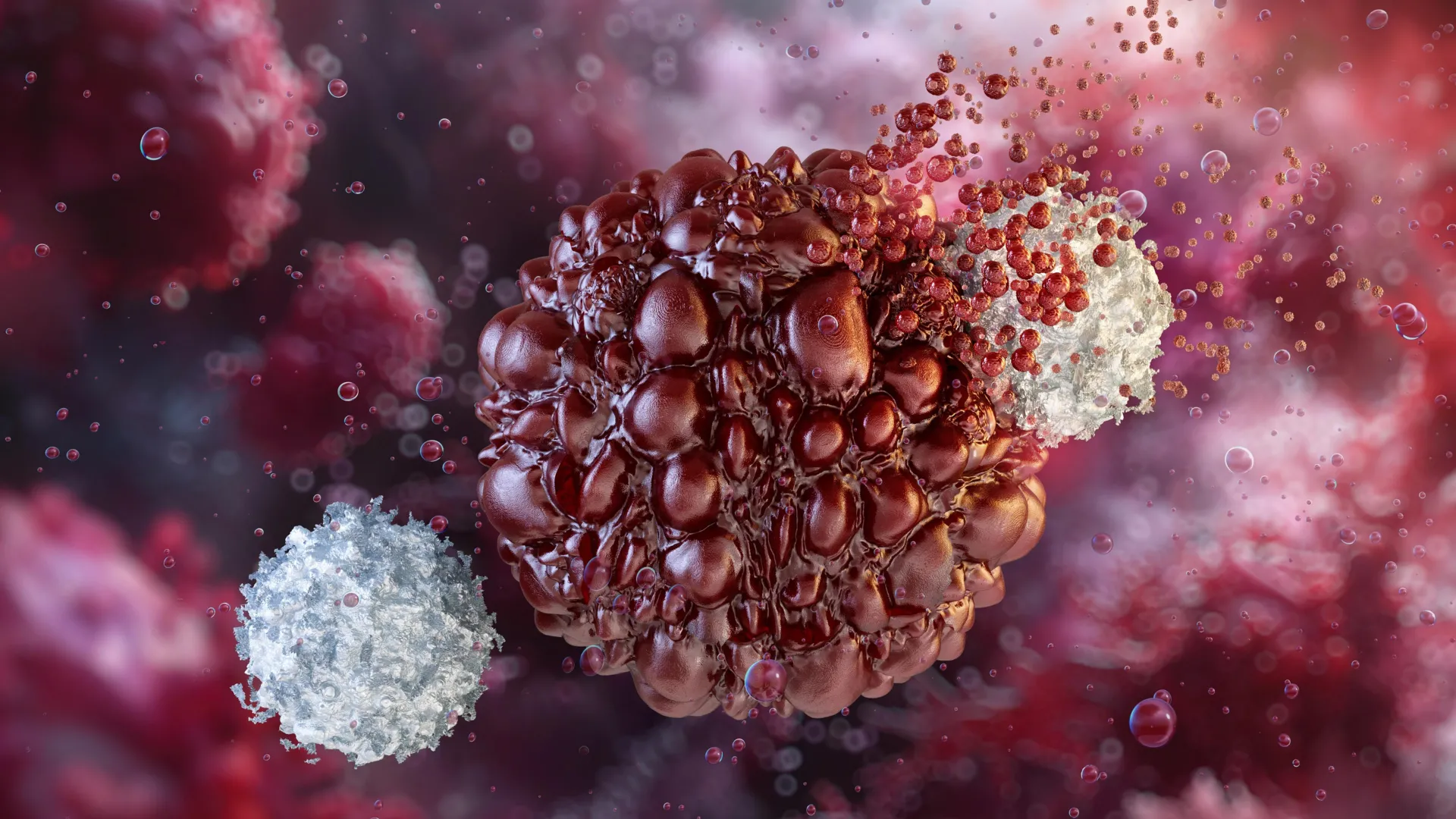
This groundbreaking research, spearheaded by a team led by Professor WANG Jinyong at the Institute of Zoology of the Chinese Academy of Sciences, marks a significant advancement in the burgeoning field of adoptive cell therapies. Published in the prestigious journal Nature Biomedical Engineering, the study details a novel methodology that leverages hematopoietic stem and progenitor cells (HSPCs) from cord blood to generate induced natural killer (iNK) cells and chimeric antigen receptor-engineered iNK (CAR-iNK) cells with unprecedented efficiency and reduced cost. This breakthrough holds profound implications for making cutting-cell cancer treatments more accessible and scalable globally.
The Evolving Landscape of Cancer Immunotherapy
Cancer immunotherapy has revolutionized oncology by harnessing the body’s own immune system to combat malignancies. Among the various strategies, adoptive cell therapies, which involve collecting and modifying a patient’s immune cells before reinfusing them, have shown remarkable success, particularly with CAR T-cell therapy. However, CAR T-cell therapies, while life-saving for many patients with hematological cancers, often come with significant challenges including high manufacturing costs, lengthy production times, potential for severe side effects like cytokine release syndrome (CRS) and neurotoxicity, and limitations in treating solid tumors.
Natural killer (NK) cells represent a highly promising alternative or complementary approach in this therapeutic landscape. NK cells are a type of cytotoxic lymphocyte crucial to the innate immune system, serving as the body’s first line of defense against viral infections and cancerous cells. Unlike T cells, NK cells do not require prior sensitization to recognize and kill abnormal cells, operating through a sophisticated array of activating and inhibitory receptors that allow them to distinguish healthy cells from diseased ones. Their natural ability to detect and destroy malignant cells without requiring specific antigen presentation makes them an attractive tool for cancer treatment. Furthermore, NK cells are generally considered safer than T cells for allogeneic (donor-derived) applications, exhibiting a lower propensity for causing graft-versus-host disease (GvHD) and often milder inflammatory responses.
In CAR-NK therapy, scientists engineer NK cells with a synthetic receptor, known as a chimeric antigen receptor (CAR). This lab-designed CAR enables the NK cells to specifically recognize and bind to a particular marker expressed on the surface of cancer cells, thereby directing a highly precise and potent attack. For instance, a CAR targeting the CD19 protein is commonly used in B-cell malignancies, similar to its application in CAR T-cell therapy.
Current Hurdles in CAR-NK Production
Despite the inherent advantages of NK cells, the widespread clinical application of CAR-NK therapy has been hampered by several manufacturing challenges. Traditional CAR-NK approaches typically rely on mature NK cells harvested from sources such as peripheral blood or umbilical cord blood. While these sources provide readily available NK cells, the process of isolating, expanding, and genetically modifying them presents significant obstacles:
- Variability: Mature NK cells, especially from peripheral blood, can exhibit considerable variability in their functional capacity and expansion potential from donor to donor, making standardized production difficult.
- Limited Genetic Modification Efficiency: Mature NK cells are notoriously difficult to genetically engineer with CARs. Their quiescent state and resistance to viral transduction often lead to low CAR expression rates, necessitating high doses of viral vectors.
- High Production Costs: The inefficiencies in genetic modification, coupled with the need for specialized culture conditions and extensive purification steps, contribute to exorbitant production costs, which can reach hundreds of thousands of dollars per patient dose. The cost of viral vectors alone constitutes a substantial portion of these expenses.
- Lengthy Preparation Times: The entire process, from cell collection to final product release, can take several weeks, delaying critical treatment for patients with aggressive cancers.
- Limited Scalability: Obtaining sufficient numbers of high-quality, uniformly functional mature NK cells for large-scale clinical trials or commercial production remains a significant hurdle. Each donor typically yields a finite number of cells, complicating the development of an "off-the-shelf" product.
These limitations underscore the urgent need for more efficient, cost-effective, and scalable methods for generating clinical-grade CAR-NK cells.
A Novel Strategy from Beijing: Leveraging Hematopoietic Stem Cells
Recognizing these critical limitations, Professor WANG Jinyong’s team at the Institute of Zoology of the Chinese Academy of Sciences embarked on developing a fundamentally different approach. Instead of attempting to modify mature NK cells, which are inherently resistant to genetic manipulation, the researchers opted to start with a more plastic and proliferative cell source: CD34+ hematopoietic stem and progenitor cells (HSPCs). These early-stage stem cells, sourced from umbilical cord blood, possess the remarkable ability to differentiate into all types of blood cells, including various immune cells like NK cells.
The decision to utilize CD34+ HSPCs from cord blood is strategic. Cord blood is an ethically sound and relatively abundant source of young, "naïve" stem cells that have not yet been exposed to many environmental factors or viral infections, potentially leading to more potent and consistent therapeutic products. It also presents fewer ethical complexities than embryonic stem cells and offers a more consistent supply than adult bone marrow.
Earlier attempts to generate NK cells from cord blood-derived CD34+ HSPCs faced their own challenges, primarily low efficiency in differentiation and immature functional capacity of the resulting NK cells. To overcome these persistent obstacles, Wang’s team ingeniously shifted the genetic engineering step much earlier in the developmental process, performing CAR transduction directly at the CD34+ HSPC stage. This novel strategy integrated three key elements: efficient CAR transduction into the progenitor cells, robust expansion of these engineered progenitor cells, and a precisely guided commitment towards the NK cell lineage. The culmination of this research was the successful generation of induced NK (iNK) cells and CAR-engineered iNK (CAR-iNK) cells, as detailed in their publication in Nature Biomedical Engineering.
Pioneering a Three-Stage System for High-Yield Production
The core of Wang’s team’s breakthrough lies in their innovative three-stage system, meticulously designed to optimize cell expansion, lineage commitment, and maturation:
-
Stage 1: Exponential Expansion of CD34+ HSPCs (Days 0-14):
The process begins with the expansion of CD34+ HSPCs. If CAR engineering is desired, the CAR gene is introduced into these HSPCs at this initial stage. The cells are co-cultured with irradiated AFT024 feeder cells, which are known to provide a supportive microenvironment rich in growth factors essential for stem cell proliferation. This initial phase is characterized by an astonishing rate of multiplication. Within just 14 days, the CD34+ HSPCs expanded approximately 800- to 1,000-fold. To put this into perspective, if one started with a mere 10,000 CD34+ HSPCs (a relatively small number obtainable from a cord blood unit), this stage would yield 8 million to 10 million cells. This exponential expansion of the progenitor pool, before differentiation, is a critical factor in achieving the high final NK cell yields. The early genetic modification also ensures that all subsequent differentiated NK cells will uniformly express the CAR. -
Stage 2: Guided Commitment to NK Lineage via Artificial Hematopoietic Organoid Aggregates (Days 14-28 approximately):
Following the initial expansion, the progenitor cells are transitioned to a different culture system. Here, they are co-cultured with OP9 feeder cells, which are instrumental in guiding the cells towards the hematopoietic lineage and, specifically, the NK cell fate. This stage is marked by the formation of "artificial hematopoietic organoid aggregates." These three-dimensional structures mimic the microenvironment of a hematopoietic niche within the body, providing crucial cell-cell interactions and soluble factors that promote efficient NK lineage commitment and development. The creation of such an optimized developmental niche is paramount for ensuring that a high percentage of the expanded progenitor cells commit to becoming NK cells rather than other blood cell types. This is where the "guided commitment" aspect of their strategy truly shines, addressing the previous struggles with low efficiency in NK cell differentiation. -
Stage 3: Maturation and Further Multiplication (Days 28-42 approximately):
In the final stage, the cells that have successfully committed to the NK cell lineage are allowed to mature and undergo further expansion. This phase focuses on driving the functional maturation of the nascent NK cells, ensuring they develop the full complement of receptors and cytotoxic machinery necessary for effective tumor killing. The process culminates in the production of highly pure iNK or CAR-iNK cells. A crucial indicator of their functional readiness is the expression of endogenous CD16, a key activating receptor on NK cells that mediates antibody-dependent cell-mediated cytotoxicity (ADCC), a vital mechanism for targeting antibody-coated cancer cells. The purity and functional marker expression of these lab-generated NK cells are comparable to, or even superior to, NK cells derived from conventional methods.
Unprecedented Efficiency and Cost Reduction: A Game Changer
The results of this meticulously designed three-stage system are nothing short of transformative for the field of cell therapy manufacturing:
-
Massive Cell Output from a Single Stem Cell: The team demonstrated that a single CD34+ HSPC could remarkably generate as many as 14 million iNK cells or 7.6 million CAR-iNK cells. This incredible proliferative capacity from a single progenitor cell is a monumental leap. To contextualize this, a typical therapeutic dose of CAR-NK cells for a patient might range from 100 million (10^8) to 1 billion (10^9) cells. The researchers conservatively estimate that merely one-fifth of a typical cord blood unit, which usually contains millions of CD34+ HSPCs, could theoretically yield enough cells for thousands or even tens of thousands of treatment doses. For instance, if a cord blood unit contains 1 million CD34+ HSPCs, one-fifth would be 200,000 HSPCs. At 7.6 million CAR-iNK cells per HSPC, this fraction alone could produce over 1.5 trillion CAR-iNK cells (200,000 * 7.6 million). If a single dose requires 100 million cells, this translates to over 15,000 potential patient doses from just a fraction of one cord blood unit. This level of scalability fundamentally changes the economic and logistical feasibility of CAR-NK therapies.
-
Drastic Reduction in Viral Vector Use: Another major bottleneck and cost driver in CAR-cell therapy is the reliance on viral vectors (like lentiviruses or retroviruses) for gene delivery. These vectors are expensive to produce, require stringent quality control, and contribute significantly to the overall manufacturing complexity. Wang’s team achieved a dramatic reduction in the amount of viral vector needed for CAR engineering. Compared with the quantity typically required to modify mature NK cells, this novel method used only about ~1/140,000 (by Day 42 of culture) to ~1/600,000 (by Day 49) as much viral vector. This astronomical reduction translates into massive cost savings. For example, if a unit of viral vector costs $1000, reducing its usage by a factor of 140,000 means the viral vector cost per dose could drop from potentially tens of thousands of dollars to mere cents or dollars. This efficiency gain not only lowers the financial barrier but also streamlines the manufacturing process by reducing the amount of raw material handling and associated quality control. The key to this efficiency lies in transducing the highly proliferative HSPCs, where the CAR gene can be replicated and passed down to millions of daughter cells during the subsequent expansion and differentiation phases.
According to the researchers, this new approach not only dramatically improves the efficiency of producing iNK and CAR-iNK cells but also significantly lowers the cost of CAR engineering, making these advanced therapies potentially more affordable and accessible to a wider patient population.
Robust Preclinical Efficacy: A Strong Signal for Future Therapies
Beyond demonstrating unparalleled manufacturing efficiency, the team also rigorously tested the therapeutic potential of their lab-generated cells. In comprehensive laboratory testing, both iNK and CAR-iNK cells exhibited powerful tumor-killing ability, confirming their functional competence.
To evaluate their efficacy in a more clinically relevant setting, the researchers utilized advanced preclinical models of human B-cell acute lymphoblastic leukemia (B-ALL). B-ALL is an aggressive blood cancer, and CD19 is a well-established target for immunotherapy in this disease. The study employed two types of mouse models:
- Cell Line-Derived Xenograft (CDX) Models: In these models, human leukemia cell lines are injected into immunocompromised mice, allowing researchers to study tumor growth and the effects of therapy.
- Patient-Derived Xenograft (PDX) Models: These models are considered more representative of human disease as they involve transplanting actual tumor cells from human patients directly into mice. This preserves the heterogeneity and microenvironment of the original tumor, offering a more accurate prediction of clinical response.
In both CDX and PDX mouse models of human B-ALL, the CD19 CAR-iNK cells demonstrated remarkable therapeutic activity. They effectively reduced tumor growth and, critically, extended the survival of the treated animals compared to control groups. These robust preclinical results provide a strong validation of the functional potency of the engineered CAR-iNK cells and offer compelling evidence for their potential translation into human clinical trials.
Expert Perspectives and Broader Implications
The findings from Professor WANG Jinyong’s team represent a pivotal moment in the development of off-the-shelf, allogeneic CAR-NK cell therapies. The ability to generate such a vast quantity of functionally potent NK cells from a single, readily available source like cord blood, while drastically cutting production costs and time, addresses some of the most pressing challenges in the field.
While Prof. Wang Jinyong’s direct statements were not provided in the original text, one can infer his team’s perspective. They likely view this as a significant step towards democratizing access to advanced cell therapies. "Our strategy overcomes critical hurdles in CAR-NK manufacturing, paving the way for scalable, cost-effective production that could bring these life-saving treatments to a much larger patient population," a hypothetical statement from Prof. Wang might emphasize. "By genetically modifying hematopoietic stem cells early, we’ve unlocked an unprecedented capacity for proliferation and differentiation, translating into a product that is both potent and economically viable."
The broader scientific community is expected to react with considerable enthusiasm. This research provides a clear roadmap for other groups working on similar challenges, potentially accelerating the development of various induced pluripotent stem cell (iPSC)-derived or HSPC-derived immune cell therapies. The implications extend beyond B-ALL, suggesting the potential to engineer iNK cells with CARs targeting other cancer-specific markers, opening avenues for treating a wider range of solid and liquid tumors.
The work was supported by substantial funding from key national bodies, including the Ministry of Science and Technology of the People’s Republic of China and the National Natural Science Foundation of China, alongside other funding sources. This institutional backing underscores the strategic importance placed on advanced biomedical research within China and its commitment to fostering innovation in healthcare.
Looking Ahead: Clinical Translation and Future Research
The success in preclinical models sets the stage for future clinical translation. The next critical steps will involve moving these CAR-iNK cells into human clinical trials to assess their safety, tolerability, and efficacy in patients with B-ALL and potentially other hematological malignancies. Researchers will need to demonstrate consistent efficacy and a favorable safety profile compared to existing therapies.
Furthermore, this innovative platform opens several exciting avenues for future research:
- Expansion to Other CAR Targets: Investigating the applicability of this strategy to engineer iNK cells with CARs targeting antigens found on other cancers, including solid tumors.
- Enhancing NK Cell Persistence and Function: Exploring additional genetic modifications to further improve the in vivo persistence, homing, and anti-tumor activity of CAR-iNK cells.
- Off-the-Shelf Potential: The ability to generate massive numbers of doses from a single cord blood unit makes the concept of an "off-the-shelf" allogeneic CAR-NK product highly feasible, allowing for immediate treatment without the delays associated with patient-specific manufacturing.
- Understanding Mechanisms: Deeper investigations into the precise molecular mechanisms governing the highly efficient differentiation and functional maturation of iNK cells from HSPCs will further refine the process.
In conclusion, the strategy developed by Professor WANG Jinyong’s team represents a monumental leap forward in the manufacturing of CAR-NK cell therapies. By providing a scalable, cost-effective, and highly efficient method for producing potent iNK and CAR-iNK cells, this research brings the promise of advanced cancer immunotherapy closer to a reality for millions of patients worldwide, potentially reshaping the landscape of cancer treatment in the coming decade.
