
 By admin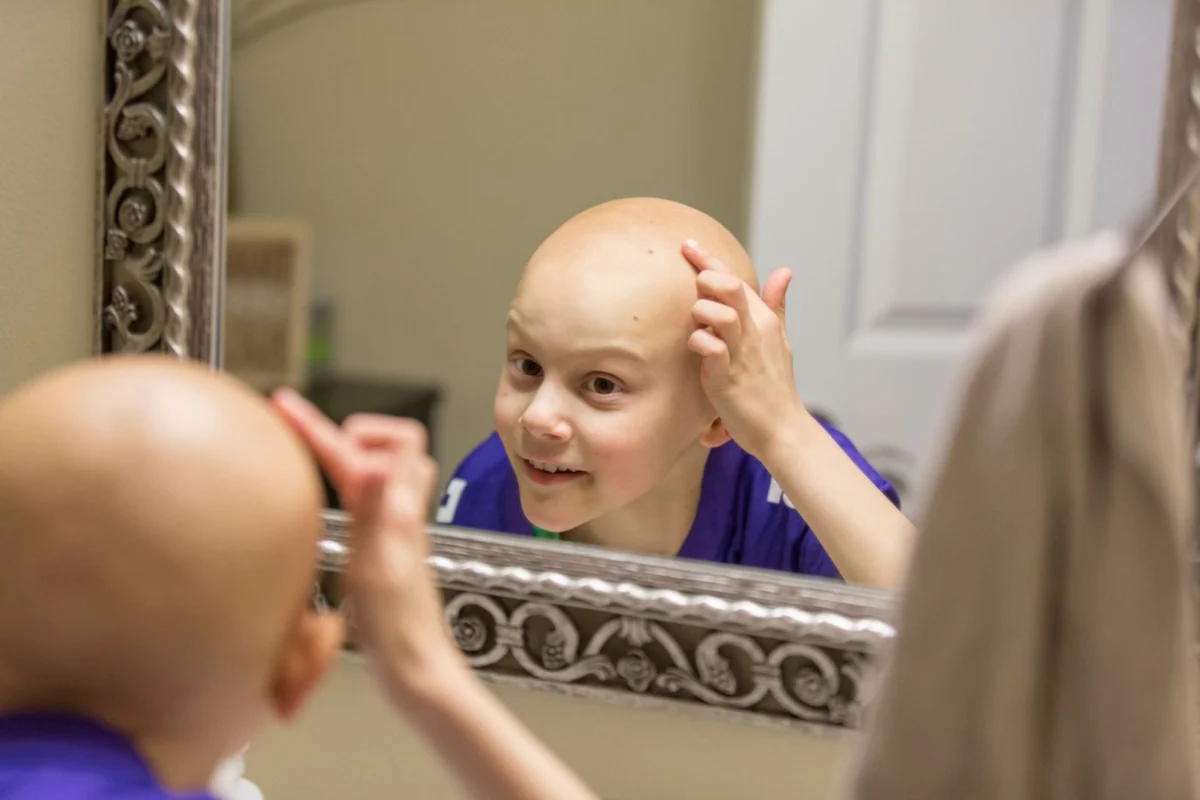
The landscape of pediatric oncology is currently witnessing a pivotal shift as researchers delve into the complexities of Ewing sarcoma, a rare and aggressive form of bone and soft tissue cancer that primarily affects children and young adults. Dr. Logan Spector, a prominent researcher from the University of Minnesota, frequently characterizes Ewing sarcoma as a "spotted zebra." This metaphor underscores the disease’s unique and unpredictable nature; unlike more common malignancies, Ewing sarcoma exhibits inconsistent behavior across different stages of development and can manifest with striking heterogeneity even within a single patient’s body. This elusive quality has long made it a formidable challenge for the medical community, yet a new wave of research, bolstered by strategic philanthropic and federal funding, is beginning to decode its biological mysteries.
The pursuit of more effective, less toxic treatments is being spearheaded by a dedicated network of scientists whose work is increasingly reliant on early-stage intervention from organizations like the Children’s Cancer Research Fund (CCRF). By providing the initial "seed" funding necessary to prove novel concepts, CCRF has enabled researchers like Dr. Spector to secure substantial multi-million-dollar grants from the National Institutes of Health (NIH). This progression from private support to federal backing represents a critical pathway in the scientific community, allowing for the long-term, large-scale studies required to move laboratory discoveries into clinical settings.
The Biological Complexity of Ewing Sarcoma
Ewing sarcoma is the second most common bone cancer in children, yet it remains relatively rare, with approximately 200 to 250 new cases diagnosed annually in the United States. The disease is characterized by a specific genetic "translocation," where pieces of two different chromosomes swap places, creating a fusion gene known as EWS-FLI1. This fusion gene acts as a powerful oncogene, essentially "reprogramming" cells to grow uncontrollably and resist the body’s natural defense mechanisms.
Dr. Spector and his team are currently focused on unraveling the key mechanisms that allow these tumors to evade detection. Their research suggests that the "spotted zebra" nature of the cancer is not merely a visual or diagnostic curiosity but a fundamental survival strategy of the tumor. Because the cancer cells can change their appearance and behavior, they often become resistant to standardized chemotherapy regimens. Understanding the plasticity of these cells—how they shift from one state to another—is the primary focus of the multi-million-dollar NIH-funded project currently underway at the University of Minnesota.
Pioneering Immunotherapy and Humanized Models
While traditional treatments like chemotherapy and radiation remain the standard of care, the future of Ewing sarcoma treatment lies in the realm of immunotherapy. In 2018, Dr. Kelly Bailey, a physician-scientist at the University of Pittsburgh, received an Emerging Scientist Award from CCRF. Dr. Bailey describes this grant as a "career launching point," a sentiment echoed by many in the field who find that federal agencies are often hesitant to fund unproven ideas from younger investigators.
Dr. Bailey’s research addresses a significant hurdle in cancer research: the inadequacy of traditional animal models. Standard laboratory mice do not possess human immune systems, making it difficult to predict how a human patient’s body will react to new immunotherapies. To bridge this gap, Dr. Bailey developed a sophisticated "humanized" mouse model. By equipping these models with human immune components, she can observe the intricate dance between Ewing sarcoma cells and the human immune system in real-time.
A primary focus of her current investigation is the NF-kB signaling pathway. In many cancers, NF-kB acts as a pro-survival signal, helping tumor cells withstand the damage caused by chemotherapy. Dr. Bailey is investigating how varying levels of the EWS-FLI1 fusion oncoprotein affect this signaling. Her ultimate goal is to identify "logical combinations"—specific pairings of DNA-damaging agents and immunotherapy—that can strip away the tumor’s defenses. If successful, this approach would allow the patient’s own immune system to "see" and destroy the cancer cells that survive initial rounds of chemotherapy.
A Decade of Survival: The Case of Griffin
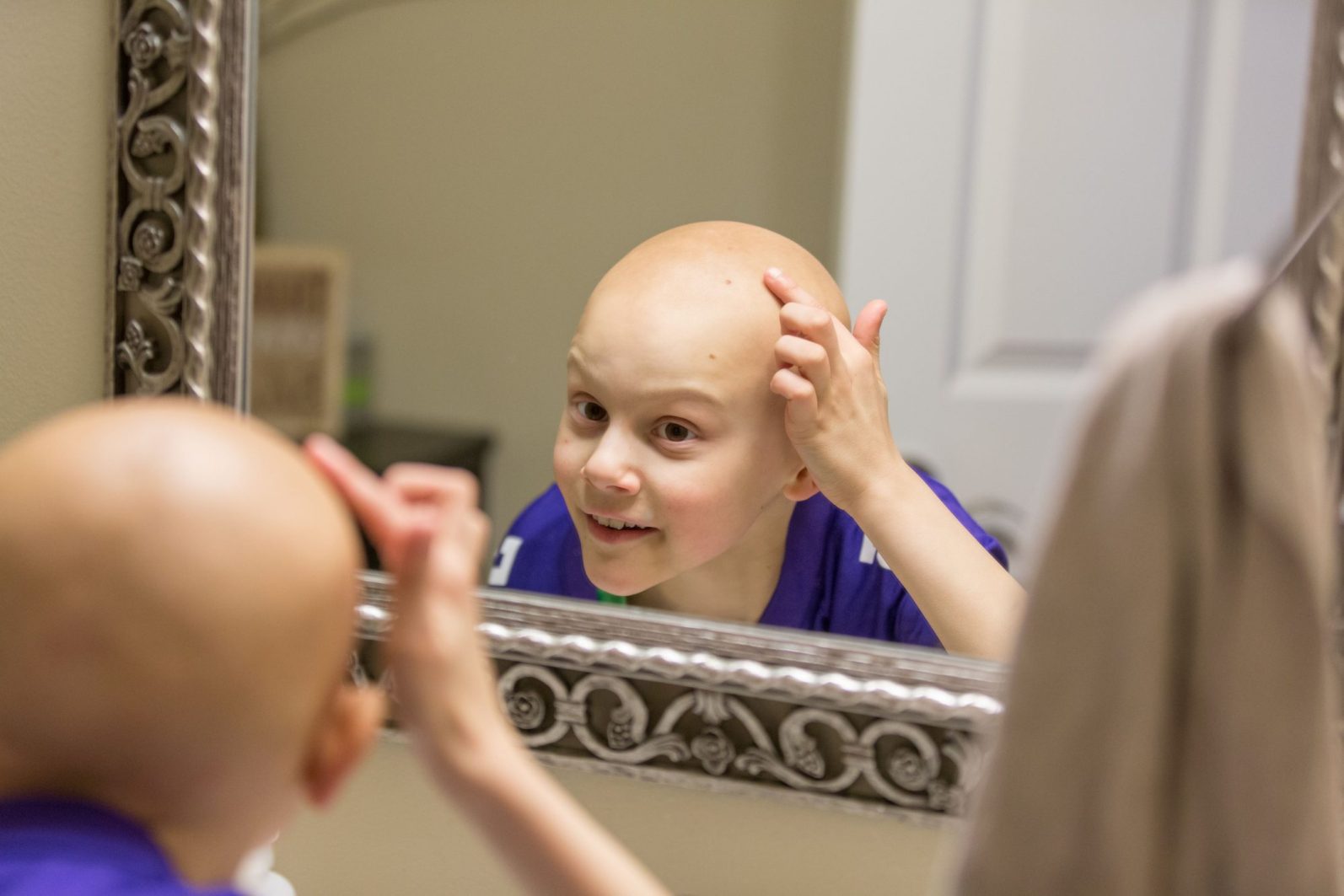
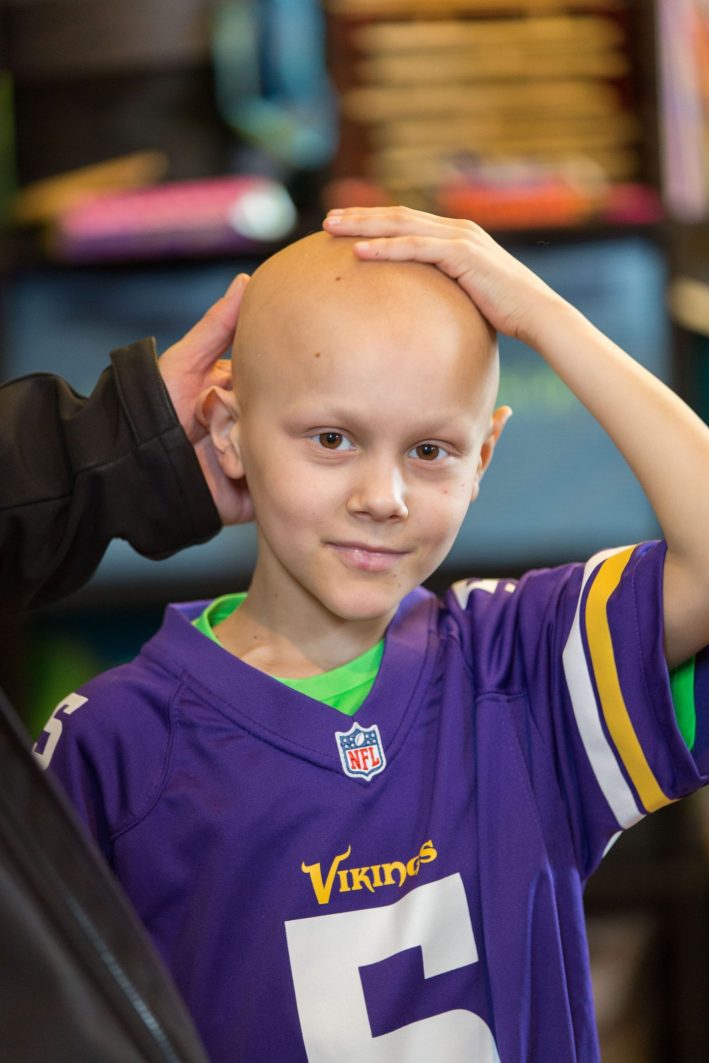
The urgency of this research is best illustrated by the lives of those who have faced the disease. Griffin, now an 18-year-old high school senior and a standout multi-sport athlete, serves as a testament to the progress made over the last decade, as well as the work that remains. Ten years ago, Griffin was diagnosed with a baseball-sized tumor in his pelvis. The diagnosis of Ewing sarcoma thrust his family into a grueling medical journey that involved a "cocktail" of six different chemotherapy drugs, including an experimental trial therapy.
Griffin’s mother, Jill, recalls the "beast" of a cancer they faced and the confidence they felt knowing that the researchers working behind the microscope were the same physicians treating her son. This integration of research and clinical care is a hallmark of top-tier pediatric oncology programs, ensuring that the latest scientific insights are applied directly to patient care.
However, the "cure" for Ewing sarcoma often comes with a high price. While Griffin is now cancer-free and leading his school’s football and baseball teams as a captain, the specter of his treatment lingers. The intensive chemotherapy required to save his life carries long-term risks, including potential heart damage, kidney failure, and the development of secondary cancers later in life. "We aren’t living in fear, but we are aware of these potential complications," Jill noted. "It doesn’t ever go away for us." Griffin’s ability to recently celebrate his 18th birthday by getting a tattoo—a milestone his mother once feared he would never reach—highlights the triumph of survival, but also the need for "kinder" treatments that do not leave survivors with lifelong health burdens.
The Critical Role of Early-Career Funding
The trajectory of pediatric cancer research is heavily dependent on the "pipeline" of new scientists entering the field. Dr. Bailey and her colleagues have raised alarms regarding the current funding environment. While federal grants from the NIH and the National Cancer Institute (NCI) are essential, they are becoming increasingly difficult to secure, especially for early-career researchers who lack decades of data.
Without "bridge funding" from private organizations, many promising projects risk losing momentum. Dr. Bailey emphasizes that the period between a scientist’s initial training and their establishment as an independent investigator is a "critical window." If funding dries up during this time, researchers may be forced to abandon lifesaving projects or exit the field of pediatric oncology entirely in favor of more stable, better-funded areas of adult medicine.
"As a physician-scientist, you only really have 20-30 years to really delve in," Dr. Bailey explained. "You’re always looking behind you to pass the baton. The early career time is a critical period for establishing yourself and getting a consistent funding stream going." The "baton pass" she describes is essential for maintaining the institutional knowledge and scientific momentum required to eventually cure rare diseases like Ewing sarcoma.
Implications for the Future of Pediatric Oncology
The implications of the current research extend beyond Ewing sarcoma. The methodologies being developed—such as the humanized mouse models and the study of fusion oncoproteins—have the potential to inform treatments for other translocation-driven cancers, including various types of leukemia and other pediatric sarcomas.
Furthermore, the shift toward "precision medicine" and immunotherapy offers hope for reducing the long-term toxicity of cancer treatment. By targeting the specific genetic drivers of a tumor rather than using broad-spectrum poisons, doctors hope to achieve higher cure rates with fewer side effects. For the 200 children diagnosed with Ewing sarcoma this year, the work performed by Spector, Bailey, and others represents a lifeline.
The success of these efforts, however, remains inextricably linked to public and private support. As federal budgets face scrutiny and potential cuts, the role of community-driven organizations like the Children’s Cancer Research Fund becomes even more vital. These organizations provide the "risk capital" that allows scientists to pursue high-reward, innovative ideas that traditional government agencies might deem too speculative.
In the decade since Griffin’s diagnosis, the scientific community has moved from simply trying to kill cancer cells to understanding the very language they use to hide from the immune system. The "spotted zebra" is slowly being cornered, but as researchers like Dr. Bailey point out, the hunt requires a sustained, generational commitment to funding, innovation, and the training of the next generation of scientific leaders. The goal is no longer just survival, but a future where survivors like Griffin can live long, healthy lives free from the shadow of their treatment.
