
 By George Ongkojoyo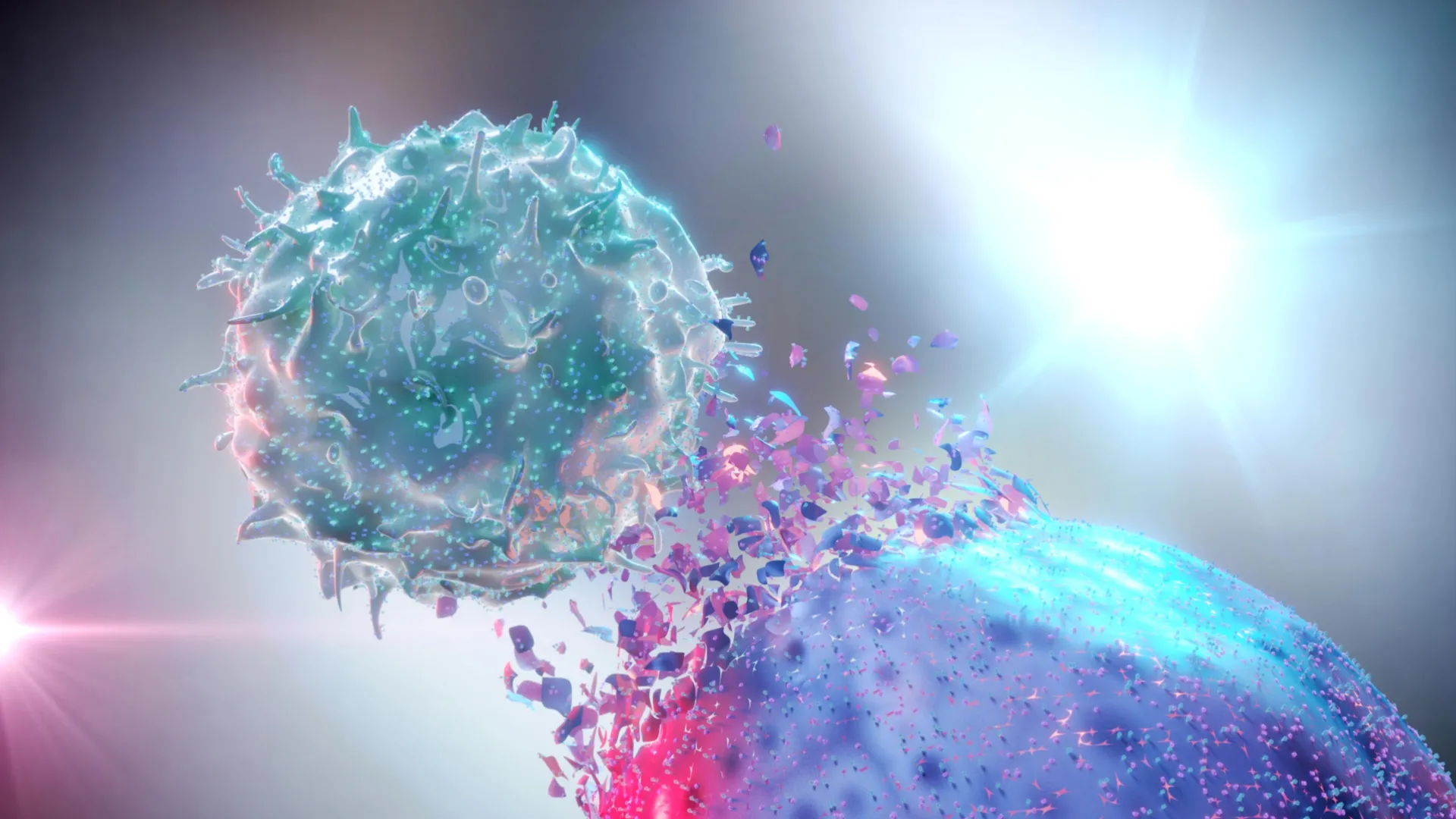
In a landmark study that bridges the gap between radiation oncology and systemic immunotherapy, researchers from the Johns Hopkins Kimmel Cancer Center, the Bloomberg~Kimmel Institute for Cancer Immunotherapy, and the Netherlands Cancer Institute have identified a critical mechanism for overcoming treatment resistance in non-small cell lung cancer (NSCLC). The study, published on July 22 in the journal Nature Cancer, reveals that localized radiation therapy can fundamentally alter the molecular landscape of tumors, rendering previously resistant "cold" cancers susceptible to the body’s immune defenses. By inducing a systemic anti-tumor immune response, the combination of radiation and immunotherapy has shown the potential to significantly improve clinical outcomes for patients who traditionally do not respond to standard immune-based treatments.
The Challenge of Immunotherapy Resistance in Lung Cancer
Non-small cell lung cancer remains one of the most prevalent and lethal forms of cancer worldwide. While the advent of immunotherapy—specifically immune checkpoint inhibitors like those targeting the PD-1/PD-L1 pathway—has revolutionized the treatment of advanced NSCLC, it is not a universal solution. A significant portion of patients exhibit "primary resistance," meaning their tumors do not respond to these drugs from the outset.
These resistant tumors are often categorized as immunologically "cold." Unlike "hot" tumors, which are characterized by high levels of inflammation and an abundance of T cells ready to attack the cancer, cold tumors effectively hide from the immune system. They often feature a low tumor mutational burden (TMB), an absence of PD-L1 protein expression, or specific genetic mutations, such as those in the Wnt signaling pathway, which actively exclude immune cells from the tumor microenvironment. For these patients, the promise of immunotherapy has remained largely unfulfilled until now.
The Science of the Abscopal Effect
The central premise of the new research revolves around a rare but powerful phenomenon known as the abscopal effect. Historically, radiation therapy was viewed strictly as a localized treatment intended to kill cancer cells within a specific target area by damaging their DNA. However, clinicians have occasionally observed a curious occurrence: when a primary tumor is irradiated, distant metastatic tumors—those never touched by the radiation beams—also begin to shrink.
The researchers hypothesized that this effect is mediated by the immune system. When radiation kills tumor cells, those cells rupture and release neoantigens (mutated proteins) and other molecular signals into the local environment. This release acts as an "alarm" for the immune system. Dendritic cells and other immune "sentinels" pick up these signals, travel to the lymph nodes, and "train" T cells to recognize the specific molecular footprint of the cancer. Once primed, these T cells circulate throughout the body, seeking out and attacking cancer cells at distant sites.
By combining radiation with immunotherapy, the investigators sought to amplify this effect, using the radiation to "prime" the immune system and the immunotherapy to "release the brakes," allowing the newly activated T cells to sustain their attack.
Methodology: A Multiomic Deep Dive
To investigate this phenomenon, the research team conducted a comprehensive analysis involving a Phase II clinical trial. The study was a collaborative effort led by senior author Valsamo "Elsa" Anagnostou, M.D., Ph.D., of Johns Hopkins, in partnership with Willemijn Theelen and Paul Baas at the Netherlands Cancer Institute.
The study cohort consisted of 72 patients with NSCLC. These patients were divided into two groups: a control group receiving the PD-1 inhibitor pembrolizumab (standard immunotherapy) alone, and an experimental group receiving a short course of radiation therapy followed by pembrolizumab.
The researchers utilized a "multiomic" approach, which is an integrated analysis of various biological data sets. This included:
- Genomics: Analyzing the DNA mutations within the tumors.
- Transcriptomics: Studying the RNA to see which genes were being expressed or "turned on."
- Cell Assays: Directly observing the behavior and expansion of T cells.
In total, 293 blood and tumor samples were collected at various intervals: at the start of the study (baseline) and again three to six weeks after treatment began. Crucially, the researchers did not just look at the tumors that were irradiated; they specifically analyzed samples from distant, non-irradiated tumor sites to see if the treatment had a systemic, body-wide impact.
Findings: "Warming Up" Cold Tumors
The results of the multiomic analysis provided clear evidence of a molecular shift. In patients who received the combination therapy, the researchers observed a dramatic "reshaping" of the tumor microenvironment at distant sites.
"Our findings highlight how radiation can bolster the systemic anti-tumor immune response in lung cancers unlikely to respond to immunotherapy alone," said Justin Huang, the study’s lead author and recipient of the 2025 Paul Ehrlich Research Award. Huang noted that the "cold" tumors began to "warm up," transitioning from an immunologically dormant state to an inflamed state characterized by a robust influx of T cells.
The data showed that radiation therapy led to the expansion of both new and pre-existing T cells. By using functional tests in cell cultures, the team—including Kellie Smith, Ph.D., an associate professor of oncology—confirmed that these T cells were specifically recognizing mutation-associated neoantigens from the patients’ own tumors. This confirmed that the immune response was not a random occurrence but a targeted reaction triggered by the radiation treatment.
Furthermore, the study identified that even tumors with features of high resistance, such as those with Wnt pathway mutations or low PD-L1 expression, showed improved clinical responses when radiation was added to the regimen. Patients whose tumors "warmed up" following radiation therapy experienced significantly better long-term survival outcomes compared to those who did not receive radiation.
Chronology of the Research and Clinical Milestones
The path to these findings involved several years of clinical observation and laboratory work:
- Trial Initiation: The Phase II clinical trial began at the Netherlands Cancer Institute, focusing on the efficacy of pembrolizumab post-radiation.
- Sample Collection: Over several years, investigators collected serial biopsies and blood draws from patients across different stages of treatment.
- Collaborative Analysis: The samples were transferred to the Johns Hopkins Bloomberg~Kimmel Institute, where the multiomic sequencing and T-cell assays were performed.
- Data Integration: Throughout 2023, the team integrated the genomic and transcriptomic data with the clinical survival data of the patients.
- Recent Presentations: On April 28, 2024, at the American Association for Cancer Research (AACR) annual meeting, the team presented related work on using circulating tumor DNA (ctDNA) to monitor these immune responses in real-time.
- Formal Publication: The full study detailing the molecular mechanisms was published in Nature Cancer on July 22, 2024.
Expert Reactions and Clinical Significance
The oncology community has responded to the study with cautious optimism, viewing it as a potential shift in the standard of care for refractory lung cancer.
Dr. Elsa Anagnostou emphasized the versatility of these findings. "For a fraction of lung cancers where we aren’t expecting therapy responses, radiation may be particularly effective to help circumvent primary resistance to immunotherapy; this could potentially be applicable to acquired resistance, too," she stated. This suggests that even if a patient’s cancer initially responds to immunotherapy but later develops resistance, radiation could be used as a "reset" button to re-engage the immune system.
Medical oncologists not involved in the study have noted that these findings provide a biological rationale for "consolidative" radiation—using radiation not just to shrink a bulky tumor but to enhance the effectiveness of systemic drugs. The ability to predict which patients will experience the abscopal effect through biomarkers like ctDNA and T-cell expansion could eventually allow for more personalized treatment plans.
Broader Impact and Future Directions
The implications of this research extend beyond non-small cell lung cancer. The "cold-to-hot" transition facilitated by radiation therapy is a biological principle that could theoretically be applied to other immunologically "quiet" cancers, such as prostate cancer, pancreatic cancer, or certain types of breast cancer.
The study also underscores the importance of "precision oncology analytics." By understanding the molecular footprint of a tumor, doctors can determine whether a patient needs the "extra boost" provided by radiation or if they can rely on immunotherapy alone. This helps avoid the side effects of unnecessary radiation for those who wouldn’t benefit, while ensuring that those with resistant tumors receive the most aggressive and effective combination possible.
Moving forward, the research team is focusing on refining the use of circulating tumor DNA (ctDNA) as a non-invasive "liquid biopsy." This would allow clinicians to track how a tumor is responding to the radiation-immunotherapy combination through a simple blood test, rather than requiring invasive tissue biopsies of distant metastatic sites.
As the National Institutes of Health and the Bloomberg~Kimmel Institute continue to fund this line of inquiry, the goal is to move these findings into larger, Phase III clinical trials. If the results hold, the combination of radiation and immunotherapy could become a first-line defense for patients whose genetic markers suggest they would otherwise fail standard treatment.
The collaboration between Johns Hopkins and the Netherlands Cancer Institute serves as a model for international scientific cooperation. By pooling resources and expertise, the investigators have provided a molecular map of how to turn the tide against some of the most difficult-to-treat forms of cancer, offering new hope to patients who previously had few options left.
