
 By admin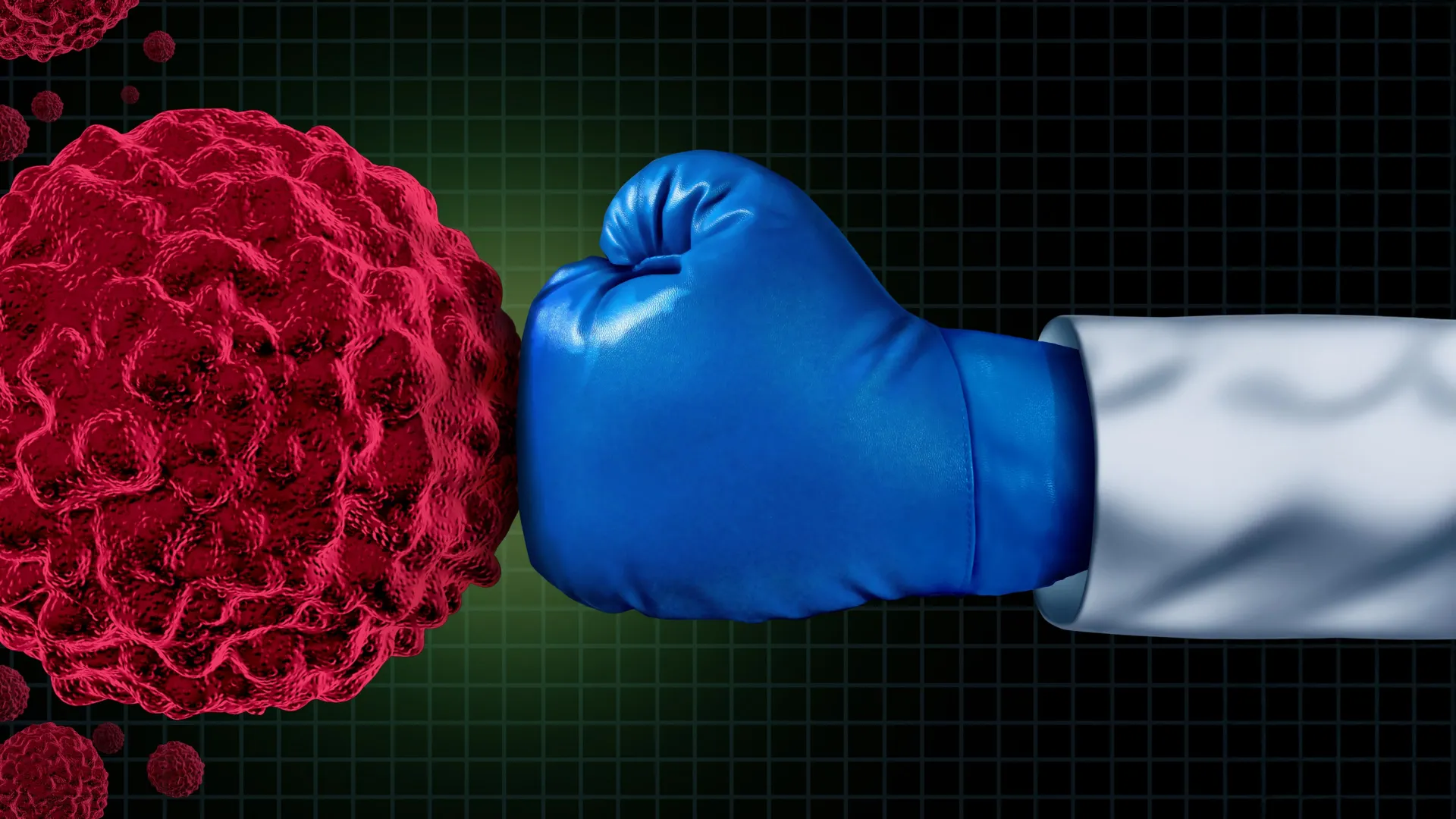
Northwestern Medicine scientists have unveiled a groundbreaking discovery that sheds light on why pancreatic cancer remains notoriously resistant to immune-based therapies. Their research, published in the esteemed journal Cancer Research, details how these aggressive tumors employ a sophisticated sugar-based disguise to evade detection by the body’s own immune system. Crucially, the team has also developed a promising experimental antibody designed to dismantle this deceptive shield, potentially reawakening the immune system to mount a potent attack against cancer cells.
The Elusive Nature of Pancreatic Cancer
Pancreatic cancer stands as one of the most formidable adversaries in oncology. Its aggressive nature, tendency to be diagnosed at advanced stages, and limited therapeutic options contribute to a grim five-year survival rate, hovering around a mere 13%. For years, researchers have grappled with its recalcitrance to treatment, particularly its poor response to immunotherapies, which have revolutionized the treatment of many other cancers. This persistent challenge has underscored the urgent need to unravel the intricate mechanisms by which pancreatic tumors thwart immune surveillance.
"Pancreatic cancer is a particularly cruel disease, characterized by its late diagnosis and resistance to therapies that are effective against other cancers," stated Dr. Sarah Chen, an oncologist specializing in gastrointestinal cancers at a leading research hospital, who was not involved in the study. "Understanding these evasion tactics is absolutely critical if we are to develop treatments that offer real hope to patients."
Unmasking the Sugar-Coated Deception
The Northwestern team, led by senior author Dr. Mohamed Abdel-Mohsen, an associate professor of medicine at Northwestern University Feinberg School of Medicine, embarked on a six-year journey to pinpoint the root cause of this immune evasion. Their meticulous investigation revealed that pancreatic tumors exploit a protective mechanism normally employed by healthy cells. In a healthy state, cells present a sugar molecule known as sialic acid on their surface. This sugar acts as a biological "do not disturb" sign for the immune system, signaling that the cell is not a threat and should be left alone.
However, pancreatic cancer cells have ingeniously co-opted this natural defense. The researchers discovered that these malignant cells adorn a specific surface protein, integrin αvβ3, with the same sialic acid sugar. This sugar-coated integrin then binds to a receptor on immune cells called Siglec-10. This interaction triggers a powerful inhibitory signal within the immune cell, effectively telling it to stand down and ignore the disguised cancer cell.
"It’s a classic ‘wolf-in-sheep’s-clothing’ maneuver," explained Dr. Abdel-Mohsen. "The tumor essentially coats itself in a sugar-based camouflage, mimicking the ‘self’ signal of healthy cells, thereby rendering it invisible to the immune system’s defenders."
A Six-Year Quest for a Solution
The discovery of this novel immune evasion strategy was not an overnight revelation. The six-year research timeline highlights the complexity of the problem and the rigorous scientific process involved. This period encompassed not only the identification of the sugar-protein interaction but also the intricate development of potential therapeutic interventions.
The initial stages likely involved extensive molecular biology techniques to identify the key players – the specific sugar, the protein it binds to, and the immune receptor. This would have been followed by cell culture experiments and sophisticated imaging techniques to visualize these interactions. The subsequent challenge was to devise a way to disrupt this "sugar-coat."
Engineering an Antibody to Restore Immune Vigilance
With a clear understanding of the tumor’s deceptive strategy, the Northwestern team turned their attention to developing a targeted therapeutic. They engineered a specific type of laboratory-produced antibody, known as a monoclonal antibody, designed to precisely block the interaction between the sugar-coated integrin on cancer cells and the Siglec-10 receptor on immune cells.
The development of such an antibody is a testament to the precision required in modern drug discovery. "When you make an antibody, you test what are called hybridomas, cells that produce antibodies," Dr. Abdel-Mohsen elaborated. "We screened thousands before finding the one that worked. This is a labor-intensive process that requires immense dedication and expertise."
Preclinical Success: A Glimmer of Hope
The efficacy of this experimental antibody was put to the test in preclinical studies, involving both laboratory experiments and animal models. The results were highly encouraging. In these studies, the antibody successfully disrupted the sugar-based camouflage, allowing immune cells, particularly macrophages, to recognize and engulf the cancer cells. This renewed immune activity led to a significant slowing of tumor growth in the treated mice compared to their untreated counterparts.
"Seeing it work in these models was a major breakthrough," Dr. Abdel-Mohsen remarked, underscoring the profound impact of these findings. The study demonstrated that by interfering with this specific sugar-mediated immune suppression, it is possible to restore anti-tumor immune responses, a crucial step towards developing effective treatments for pancreatic cancer.
The Road Ahead: From Lab to Clinic
The promising preclinical results have propelled the research team towards the next critical phase: clinical translation. Plans are already underway to refine the antibody for human use and initiate early-stage clinical trials. These trials will focus on assessing the safety and optimal dosage of the antibody in human patients.
Furthermore, the researchers are keen to explore the therapeutic potential of this antibody in combination with existing treatments. "There’s a strong scientific rationale to believe combination therapy will allow us to reach our ultimate goal: a full remission," Dr. Abdel-Mohsen stated with conviction. "We don’t want only a 40% tumor reduction or slowing down. We want to remove the cancer altogether."
The development of a diagnostic test to identify patients whose tumors rely on this sugar-based pathway is also a key priority. This personalized medicine approach would ensure that the therapy is administered to those most likely to benefit, maximizing its effectiveness and minimizing potential side effects.
If progress continues as anticipated, Dr. Abdel-Mohsen estimates that this novel treatment could become available to patients within approximately five years. This timeline, while still demanding, represents a tangible prospect for a new therapeutic avenue in a disease with such limited options.
Broader Implications and the Emerging Field of Glyco-Immunology
The implications of this research may extend beyond pancreatic cancer. The Northwestern team is actively investigating whether similar sugar-coating mechanisms are employed by other challenging cancers, such as glioblastoma, and even in non-cancerous diseases where immune system dysfunction plays a role.
This work is deeply rooted in the burgeoning field of glyco-immunology, which explores the intricate relationship between carbohydrates and immune responses. Dr. Abdel-Mohsen’s laboratory is at the forefront of this interdisciplinary research, aiming to translate fundamental insights into tangible clinical applications.
"We’re just scratching the surface of this field," Dr. Abdel-Mohsen noted. "Here at Northwestern, we’re positioned to turn these sugar-based insights into real treatments for cancer, infectious diseases, and aging-related conditions." This holistic approach underscores the potential of glyco-immunology to address a wide spectrum of human health challenges.
A Collaborative Effort and Future Directions
The research leading to this significant discovery was supported by various Northwestern University initiatives and national grants, including the Northwestern University’s Center for Human Immunobiology Pilot Award and substantial funding from the National Institutes of Health (NIH). These grants, including R01AG092241, R01AI165079, R01AA029859, R01DK123733, R01AI189353, R01NS117458, and the NIH-funded BEAT-HIV Martin Delaney Collaboratory to Cure HIV-1 Infection (1UM1AI126620), highlight the collaborative nature of advanced scientific research and the significant investment required to achieve breakthroughs.
Dr. Abdel-Mohsen’s affiliation with the Robert H. Lurie Comprehensive Cancer Center of Northwestern University further emphasizes the institution’s commitment to cutting-edge cancer research and patient care. The paper’s title, "Targeting Interactions Between Siglec-10 and αvβ3 Integrin Enhances Macrophage-Mediated Phagocytosis of Pancreatic Cancer," precisely encapsulates the core finding and therapeutic strategy.
As the scientific community eagerly awaits the progression of this research into human trials, the discovery offers a beacon of hope for patients battling pancreatic cancer, a disease that has long defied conventional treatment strategies. The unraveling of its sugar-coated camouflage represents a pivotal moment, promising to rearm the immune system and potentially redefine the future of cancer therapy.
