
 By Gabriel Paijo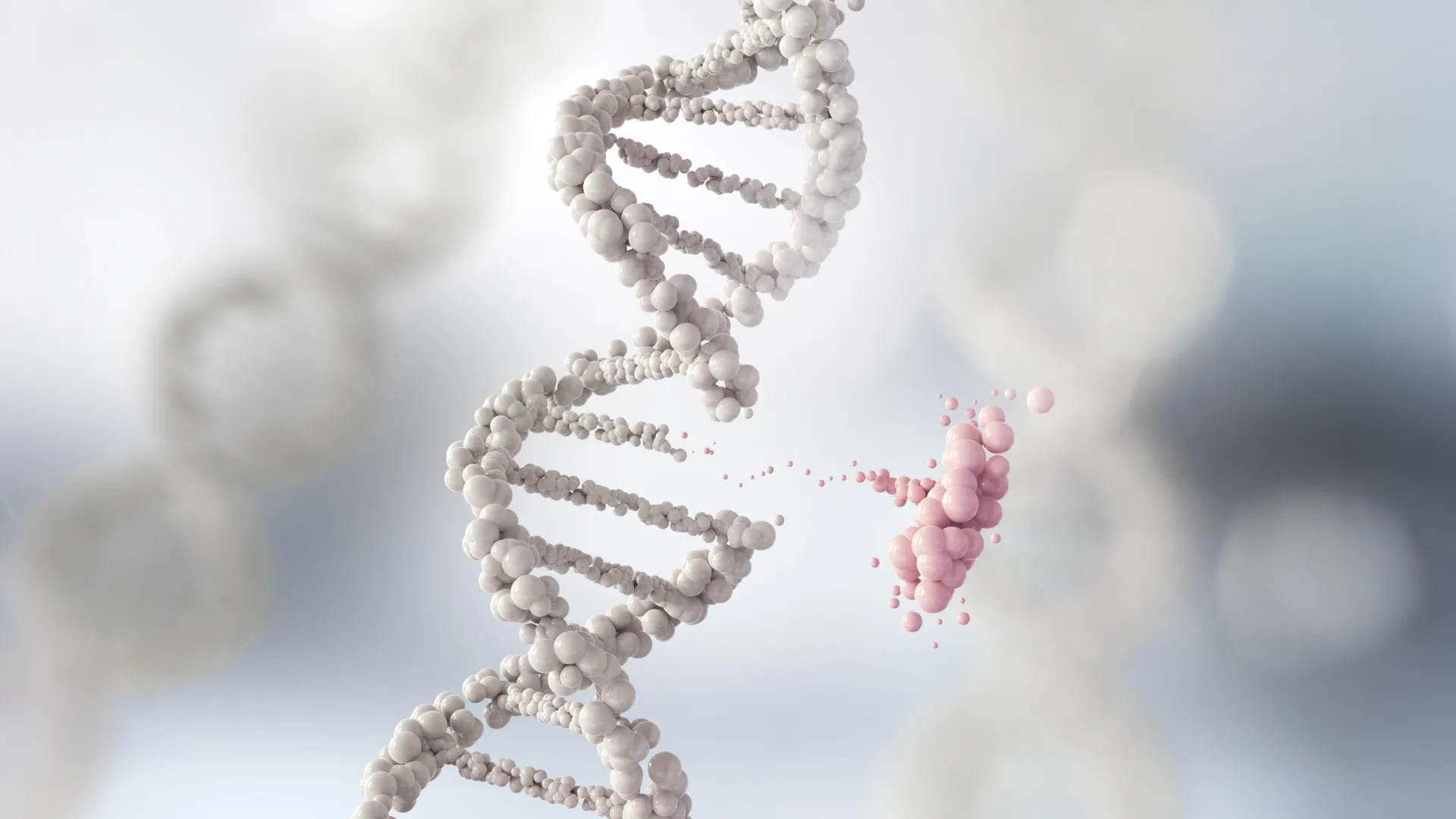
Scientists at ChristianaCare’s Gene Editing Institute have reached a pivotal milestone in oncology by demonstrating that the precision application of CRISPR technology can effectively disable the NRF2 gene, thereby restoring the efficacy of chemotherapy in treatment-resistant lung cancer cells. The study, published on November 14 in the peer-reviewed journal Molecular Therapy Oncology, details how the strategic "knockout" of this specific genetic regulator allows standard-of-care drugs to once again identify and destroy malignant tumors. By neutralizing the NRF2 gene, the research team successfully hindered tumor growth and re-sensitized cancer cells to common therapeutic agents, offering a potential lifeline to patients who have exhausted traditional treatment options.
The implications of this discovery are profound, particularly for patients diagnosed with lung squamous cell carcinoma, a subset of non-small cell lung cancer (NSCLC) notorious for its aggressive nature and propensity for developing drug resistance. The research represents the culmination of more than a decade of specialized study at the Gene Editing Institute, moving the needle from theoretical laboratory concepts to validated animal models. With clinical trials on the horizon, this genetic intervention could redefine the standard of care for several forms of solid tumors beyond just lung cancer.
The Role of NRF2: A Shield for Malignant Cells
At the heart of the study is the NRF2 gene, or Nuclear factor erythroid 2-related factor 2. Under normal physiological conditions, NRF2 serves as a vital transcription factor that protects healthy cells from oxidative stress and toxic damage. It acts as a master regulator, triggering the production of antioxidants and detoxification enzymes. However, in the context of oncology, cancer cells frequently hijack this protective mechanism to ensure their own survival.
When the NRF2 gene becomes overactive—often due to specific mutations such as the R34G mutation identified by the ChristianaCare team—it creates a nearly impenetrable shield around the tumor. This "shield" allows the cancer cells to effectively neutralize chemotherapy drugs like carboplatin and paclitaxel before they can inflict damage. Consequently, while the patient undergoes the rigors of chemotherapy, the tumor continues to proliferate, leading to treatment failure and poor clinical outcomes.
The researchers at the Gene Editing Institute focused specifically on the R34G mutation, which is frequently observed in lung squamous cell carcinoma. By utilizing CRISPR/Cas9—a molecular tool often described as "genetic scissors"—the team was able to precisely target and disable the mutated NRF2 gene. Once the gene was "knocked out," the internal defenses of the cancer cells collapsed, rendering them vulnerable to the very drugs they had previously ignored.
Ten Years of Rigorous Scientific Inquiry
The findings published in Molecular Therapy Oncology are not an overnight success but the result of a ten-year chronological journey of investigation. Led by Kelly Banas, Ph.D., associate director of research at the Gene Editing Institute, and Eric Kmiec, Ph.D., the institute’s executive director, the research followed a strict developmental pipeline.
The initial phase involved identifying the specific genetic drivers of resistance in human lung cancer cell lines. Over several years, the team isolated the NRF2 pathway as the primary culprit. Following successful in vitro (test tube) experiments, the research transitioned to complex animal models designed to replicate the architecture and behavior of human tumors. These models provided the "compelling evidence" cited by the authors, showing that the CRISPR intervention worked consistently across different biological environments.
"We’ve seen compelling evidence at every stage of research," said Dr. Banas. "From the first cell cultures to the most recent animal studies, the data consistently shows that removing NRF2 eliminates the resistance barrier. This provides a strong foundation for taking the next step toward clinical trials in human patients."
Statistical Context: The Urgent Need for Innovation
The urgency of this research is underscored by the current landscape of lung cancer statistics in the United States. According to data from the American Cancer Society, more than 190,000 individuals are expected to be diagnosed with lung cancer in 2025. Lung squamous cell carcinoma, the focus of this study, accounts for approximately 20% to 30% of all lung cancer cases.
Despite advancements in immunotherapy and targeted biologics, the five-year survival rate for lung cancer remains lower than that of many other common cancers, largely due to late-stage diagnosis and the rapid onset of drug resistance. For many patients, chemotherapy remains the primary line of defense, yet its effectiveness is often short-lived. The ability to "reset" the tumor’s sensitivity to these drugs could significantly extend life expectancy and improve the quality of life for tens of thousands of patients annually.
A Novel Delivery System: Precision and Safety
One of the most significant technical hurdles in gene editing is the delivery of the CRISPR components to the target site without causing unintended damage to healthy tissue. To address this, the ChristianaCare team utilized lipid nanoparticles (LNPs) as the delivery vehicle.
LNPs are a non-viral delivery system that gained global prominence for their role in mRNA COVID-19 vaccines. In this study, LNPs were used to transport the CRISPR/Cas9 machinery directly into the lung tumors. The researchers noted that this method was highly efficient and offered a superior safety profile compared to viral delivery methods, which can sometimes trigger immune responses or integrate into the genome in unpredictable ways.
Genetic sequencing conducted after the treatment confirmed the high precision of the intervention. The edits were localized to the mutated NRF2 gene, with minimal "off-target" effects. This level of specificity is crucial for gaining regulatory approval for human trials, as it minimizes the risk of secondary complications. Dr. Banas compared the therapy to "an arrow that hits only the bullseye," emphasizing that the precision of the CRISPR-LNP combination is what makes it a viable candidate for clinical application.
The 20% Threshold: A Practical Breakthrough
Perhaps the most surprising and optimistic finding of the study was that total genetic eradication is not required to achieve a clinical benefit. The researchers discovered that editing only 20% to 40% of the cells within a tumor was sufficient to significantly enhance the overall response to chemotherapy and reduce the total tumor mass.
In the world of clinical oncology, reaching every single cell in a solid tumor is considered nearly impossible due to the complex physical structure of the tumor microenvironment. The revelation that a partial edit can trigger a widespread therapeutic effect is a major breakthrough. It suggests that even if the CRISPR delivery system does not permeate every millimeter of a tumor, the resulting "weakening" of the NRF2 shield is enough to allow chemotherapy to finish the job.
This finding has significant implications for the design of future clinical trials. It lowers the bar for "technical perfection" while maintaining high expectations for "clinical efficacy," making the treatment more feasible for administration in a hospital setting.
Broader Implications for Treatment-Resistant Cancers
While the primary focus of the study was lung squamous cell carcinoma, the researchers are quick to point out that the NRF2 pathway is not unique to lung cancer. Overactivity of the NRF2 gene has been identified as a major driver of chemotherapy resistance in a wide array of solid tumors, including:
- Liver Cancer: Often resistant to systemic therapies, liver tumors frequently show elevated NRF2 levels.
- Esophageal Cancer: A disease with a historically poor prognosis where drug resistance develops rapidly.
- Head and Neck Cancers: These tumors often recur after initial treatment due to the protective effects of the NRF2 pathway.
By proving that CRISPR can successfully modulate this pathway in lung cancer, the Gene Editing Institute has essentially created a blueprint for treating other resistant malignancies. "Instead of developing entirely new drugs, which can take decades and billions of dollars, we are using gene editing to make existing ones effective again," noted Dr. Eric Kmiec. This paradigm shift—refurbishing existing treatments rather than replacing them—could lead to more cost-effective and faster-to-market solutions for cancer care.
Future Outlook and Clinical Integration
The transition from the laboratory to the clinic is the next major hurdle for the ChristianaCare team. The success of the animal models and the safety of the LNP delivery system have set the stage for Phase I clinical trials. These trials will focus on establishing the safety and dosage of the CRISPR-NRF2 intervention in human subjects.
If successful, the treatment would likely be administered as a "neoadjuvant" or "adjunct" therapy. In this scenario, a patient would receive the CRISPR-LNP injection directly into the tumor (or via systemic delivery) shortly before or alongside their scheduled chemotherapy sessions. This one-two punch would first lower the tumor’s defenses and then strike with the chemotherapy, potentially allowing for lower doses of toxic drugs and reducing side effects for the patient.
"We’re hopeful that in clinical trials and beyond, this is what will allow chemotherapy to improve outcomes for patients and could enable them to remain healthier during the entirety of their treatment regimen," Dr. Banas stated.
The research community has reacted with cautious optimism. Independent oncologists have noted that while gene editing in humans remains a complex frontier, the ChristianaCare study provides a robust data set that addresses many of the previous concerns regarding delivery and off-target effects. As the Gene Editing Institute prepares for the next phase of its mission, the focus remains on the thousands of patients for whom "standard treatment" has stopped working, offering a new hope grounded in the precision of the genetic code.
