
 By admin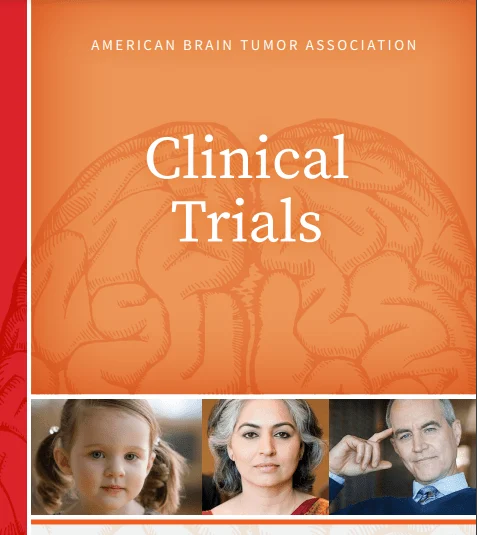
The landscape of brain tumor treatment is constantly evolving, with clinical trials emerging as a critical avenue for patients seeking access to cutting-edge therapies and contributing to the advancement of medical knowledge. These trials represent a vital component of the care continuum for individuals diagnosed with brain tumors, offering hope and potential solutions at various stages of their journey, from initial diagnosis and active treatment to managing recurrence. Participation in these studies not only provides patients with opportunities to receive novel interventions that may not yet be widely available but also empowers researchers with invaluable data to refine and develop future treatment strategies. However, the process of identifying and qualifying for a suitable clinical trial can often feel daunting, particularly for individuals already navigating the complexities of a brain tumor diagnosis and its associated treatments. This article delves into the intricacies of brain tumor clinical trials, offering guidance, resources, and context for patients and their caregivers.
Understanding the Role of Clinical Trials in Brain Tumor Treatment
Clinical trials are research studies involving human volunteers designed to answer specific questions about new treatments, new ways to use known treatments, or new ways to prevent diseases. For brain tumor patients, these trials can explore a wide range of therapeutic modalities, including new chemotherapy drugs, targeted therapies that focus on specific genetic mutations within the tumor, immunotherapies designed to harness the body’s own immune system to fight cancer, and innovative surgical or radiation techniques.
The rationale behind conducting clinical trials is rooted in the scientific method. Before a new treatment can be approved for general use, it must undergo rigorous testing to establish its safety and efficacy. Clinical trials are structured in phases, each with a distinct purpose:
- Phase 1 Trials: These are typically the first human studies of a new treatment. The primary goal is to evaluate the safety of the treatment, determine a safe dosage range, and identify side effects. A small number of patients, often those with advanced disease for whom standard treatments have not been effective, participate in Phase 1 trials.
- Phase 2 Trials: Once a treatment has shown promise and a safe dosage has been established in Phase 1, Phase 2 trials are initiated. The focus shifts to evaluating the effectiveness of the treatment against a specific type of cancer and further assessing its safety. These trials involve a larger group of patients.
- Phase 3 Trials: These trials compare the new treatment to the current standard treatment or a placebo. They are designed to confirm the efficacy of the new treatment, monitor side effects, and collect information that will allow the new treatment to be used safely. Phase 3 trials involve a large number of patients and are often conducted at multiple centers.
- Phase 4 Trials: These studies are conducted after a treatment has been approved and is available on the market. They gather additional information about the drug’s risks, benefits, and optimal use in various populations and over longer periods.
The participation of brain tumor patients in these trials is crucial. Their involvement directly contributes to the understanding of how different tumors respond to novel interventions, the identification of potential biomarkers that predict treatment response, and the development of personalized medicine approaches tailored to the unique genetic makeup of an individual’s tumor.
The Patient’s Perspective: Accessing and Navigating Trials
For many patients and their families, the prospect of participating in a clinical trial can be both hopeful and overwhelming. The sheer volume of information, the complex medical terminology, and the logistical considerations can create significant barriers. A recent discussion during an American Brain Tumor Association (ABTA) webinar highlighted a crucial first step for patients seeking to explore this option: obtaining a comprehensive clinical summary from their treating physician.
This detailed document is more than just a medical record; it is a foundational tool for clinical trial enrollment. It should meticulously detail the patient’s specific tumor type, including its grade and location, as well as a complete history of all previous treatments received, such as surgeries, radiation therapies, and chemotherapy regimens. Crucially, it must include the results of any molecular or genetic testing performed on the tumor. This information, often referred to as tumor profiling or genomic sequencing, is increasingly vital for identifying patients who may be eligible for trials targeting specific genetic mutations or molecular pathways. Furthermore, the summary should list all current medications the patient is taking to avoid potential drug interactions and include the treating physician’s contact information for direct communication with clinical trial teams.
Having this comprehensive summary readily available significantly streamlines the process for clinical trial coordinators and investigators. It allows them to quickly assess whether a patient’s medical profile aligns with the eligibility criteria for a particular study, thereby expediting the qualification process and reducing the burden on both the patient and the research team.
Addressing Common Concerns and Barriers to Participation
Despite the significant potential benefits, a considerable number of eligible patients do not participate in clinical trials. Several factors contribute to this phenomenon, including a lack of awareness about available options, concerns regarding patient safety, and misconceptions about being treated as a "guinea pig."
It is imperative to underscore that clinical trials are subject to stringent ethical and regulatory oversight. Institutional Review Boards (IRBs) meticulously review all trial protocols to ensure patient safety and the ethical conduct of research. Patient well-being is consistently prioritized, with researchers obligated to monitor participants closely for any adverse events and to provide prompt medical attention. The notion of patients being exploited or treated without care is a myth; instead, they are active collaborators in the scientific endeavor.
Beyond safety concerns, practical considerations often present significant hurdles. These can include the geographical distance to trial sites, the need to take time off work, the costs associated with travel and lodging, and strict eligibility criteria that may exclude individuals with certain co-existing medical conditions or prior treatment histories. However, the landscape of clinical trial participation is adapting to address these challenges. Many research institutions are increasingly offering telemedicine consultations for initial assessments and follow-up appointments, reducing the need for frequent in-person visits. Local laboratory services can be utilized for sample collection, and some programs provide financial assistance to help offset the costs of travel, accommodation, and lost wages. These advancements are making participation more accessible and manageable for a wider range of patients.
Resources for Finding and Understanding Clinical Trials
Navigating the complex world of clinical trials can feel like a solitary endeavor, but numerous organizations offer invaluable support and resources to empower patients and caregivers. The American Brain Tumor Association (ABTA) stands as a leading provider of such assistance.
ABTA Clinical Trial Finder
The ABTA’s online Clinical Trial Finder is a powerful, user-friendly tool designed to demystify the process of locating relevant studies. Patients and caregivers can input specific criteria, such as their diagnosis, geographical location, and desired eligibility parameters, to generate a list of potentially suitable trials. A key feature of this resource is its commitment to simplifying complex medical language. Instead of presenting dense, technical descriptions, the ABTA aims to provide clear, understandable explanations of trial objectives, treatment protocols, and eligibility requirements, making the information more accessible to a lay audience.
ABTA Clinical Trials Brochure
Complementing the online finder, the ABTA also offers a free downloadable brochure titled "Clinical Trials for Patients and Caregivers." This comprehensive guide provides a foundational understanding of clinical trials, their importance, and what to expect when participating. Available in both English and Spanish, this resource further breaks down the process into manageable steps and addresses common questions and concerns.
Brain Tumor Network Navigation Services
For individuals seeking personalized, one-on-one support, the Brain Tumor Network offers free Clinical Trials Navigation Services for adult patients and caregivers across the United States. Their team of experienced navigators can provide in-depth assistance with reviewing treatment options, including an exploration of relevant clinical trials. These navigators act as guides, helping patients understand the implications of different treatment pathways and assisting them in formulating their next steps in care planning. This personalized approach can be particularly beneficial for those feeling overwhelmed by the decision-making process.
The Importance of Proactive Engagement and Informed Decision-Making
The decision to participate in a clinical trial is a deeply personal one, requiring careful consideration and open communication with the healthcare team. It is not a step to be taken lightly, but neither should it be dismissed out of hand due to fear or misinformation.
The process of exploring clinical trials can be simplified by adopting a proactive approach:
- Engage Your Healthcare Team: The first and most critical step is to have an open and honest conversation with your oncologist or neuro-oncologist about the possibility of clinical trial participation. They are your primary resource for understanding your disease, its prognosis, and the potential benefits and risks of various treatment options, including trials.
- Gather Your Medical Information: As previously emphasized, compiling a comprehensive clinical summary is essential. This ensures you have all the necessary data readily available for discussions with your doctor and for submitting to clinical trial coordinators.
- Utilize Trusted Resources: Leverage the resources provided by organizations like the ABTA and the Brain Tumor Network. Watching webinars, reading brochures, and speaking with navigators can provide you with the knowledge and confidence to make informed decisions. The ABTA Clinical Trials Webinar, for instance, offers valuable insights and expert perspectives on the subject.
By taking these steps, patients and caregivers can move from a position of uncertainty to one of informed empowerment. Understanding the role of clinical trials, addressing common concerns, and utilizing available resources are crucial components of navigating the complex but potentially life-changing landscape of brain tumor research. Ultimately, the goal is to equip patients with the knowledge and support they need to make the best possible decisions for their individual care journeys. The ongoing commitment of researchers, clinicians, and patient advocacy groups is vital in ensuring that clinical trials continue to offer hope and drive progress in the fight against brain tumors.
