
 By admin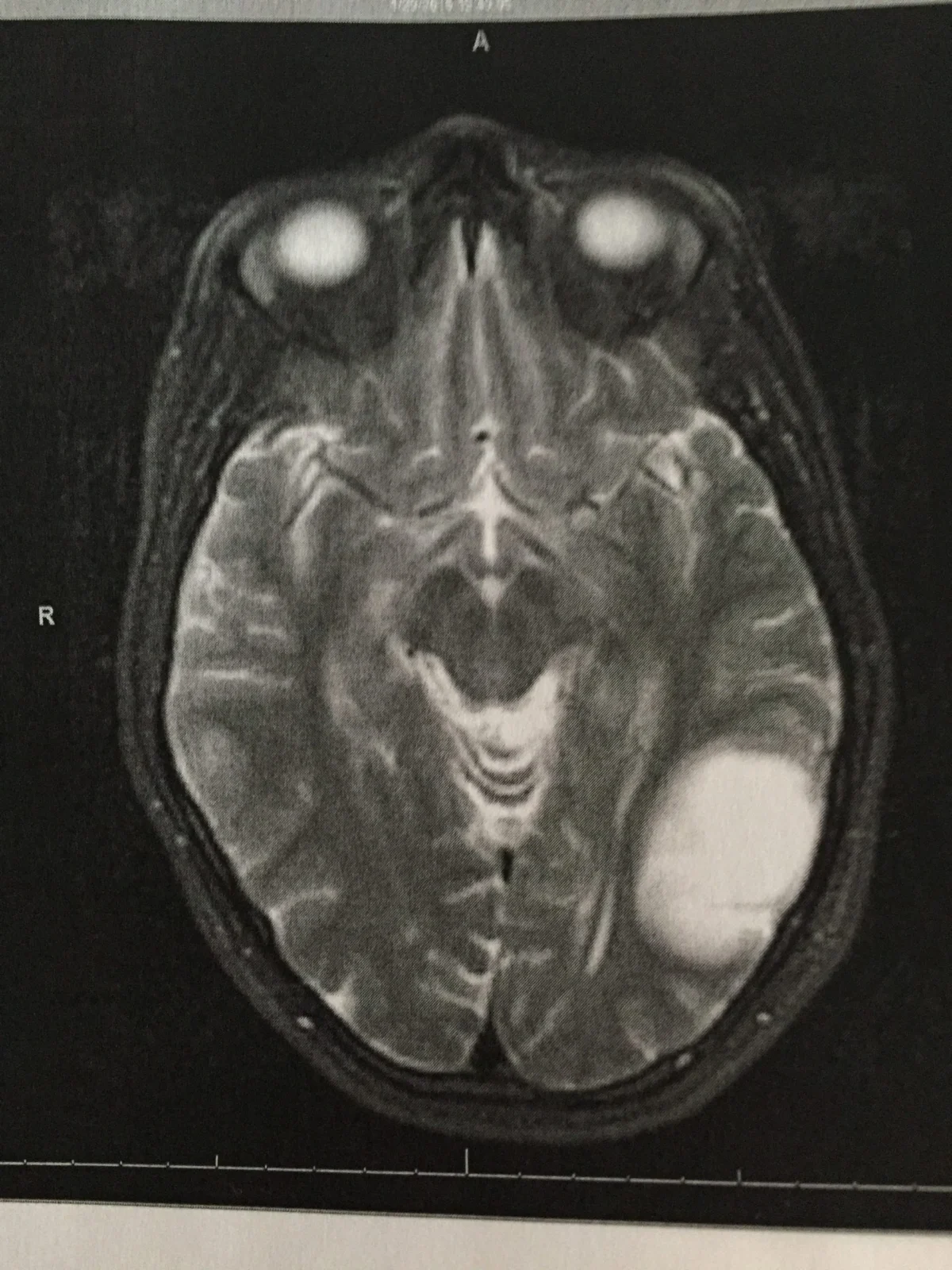
Holly sat in a daze under the stark fluorescent lights of the same hospital where, just three months prior, she had welcomed her youngest child into the world. The sterile environment, once a place of profound joy, now held a chilling echo of fear. Beside her, her mother clutched a chair, their shared anxiety palpable as they awaited the results of Holly’s CT scan. This waiting room, a stark contrast to the nursery just weeks before, had become the epicenter of their new reality.
The turn of events had been swift and devastating. On January 29, 2016, a seemingly ordinary day had taken a dramatic turn. While bathing her two young children – a three-month-old infant and a one-year-old toddler – Holly experienced a sudden and alarming difficulty in speaking and forming coherent thoughts. These disorienting symptoms, a terrifying departure from her normal self, prompted her mother to drive her to the local hospital. Her husband, Matt, a police officer, was on the night shift, leaving Holly to navigate this sudden medical crisis with the immediate support of her mother.
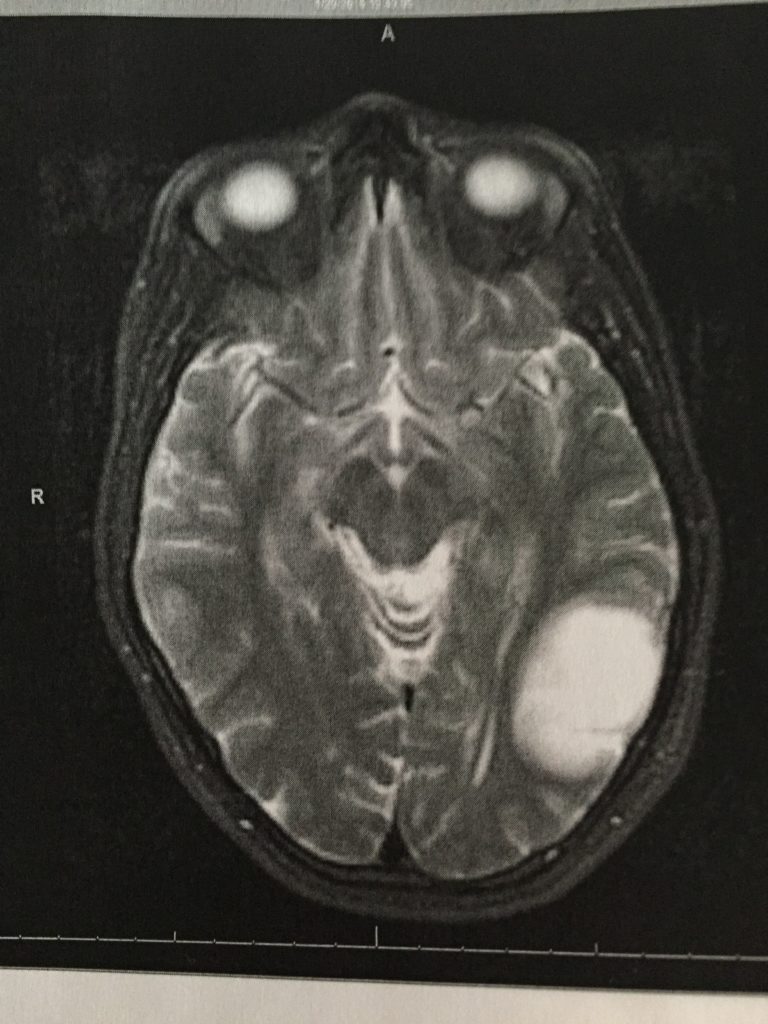
The medical team, recognizing the potential severity of Holly’s symptoms, acted with urgency. She was immediately taken for testing, where the devastating truth was revealed: a tumor had been discovered on the left side of her brain. Within a period that felt both instantaneous and interminable, Holly’s life had dramatically shifted from the joys of new motherhood to the grim prognosis of a Grade 3 anaplastic astrocytoma. The emotional whiplash left her reeling, a state of shock from which it was difficult to emerge.
"When I originally had the diagnosis and saw the tumor, I thought there is no way I can live with this," Holly recounted, her voice still tinged with the memory of that profound despair. "I have a 3-month-old, and I’m never going to see him turn one. I had this precious little baby that I couldn’t nurse anymore, and I couldn’t have any more babies. I had so much going on mentally that I couldn’t even think about anything else." This raw expression of her internal struggle highlights the immense personal toll of the diagnosis, particularly for a new mother whose world revolved around the well-being of her young children. The fear of not being present for their milestones, the inability to fulfill the fundamental nurturing role, and the perceived loss of future family possibilities compounded the medical challenge.
Despite the overwhelming emotional burden, Holly, bolstered by the unwavering support of her family and friends, embarked on a rigorous treatment plan. This involved surgery to remove as much of the tumor as possible, followed by a year of chemotherapy administered orally, and finally, 30 rounds of radiation therapy. Each step was a testament to her resilience and determination to fight for her future and that of her children.
Race for Hope: A Beacon of Support and Progress
It was in the aftermath of Holly’s surgery that Matt discovered Race for Hope-DC, an annual fundraising event dedicated to supporting brain tumor research and patient advocacy. Recognizing the potential for this event to not only raise crucial funds but also to provide a sense of community and purpose, they established "Team Holly Grace." Their initial foray into fundraising proved remarkably successful, with the team raising over $34,000 in their first year and earning the prestigious honor of the top fundraising team in 2016.
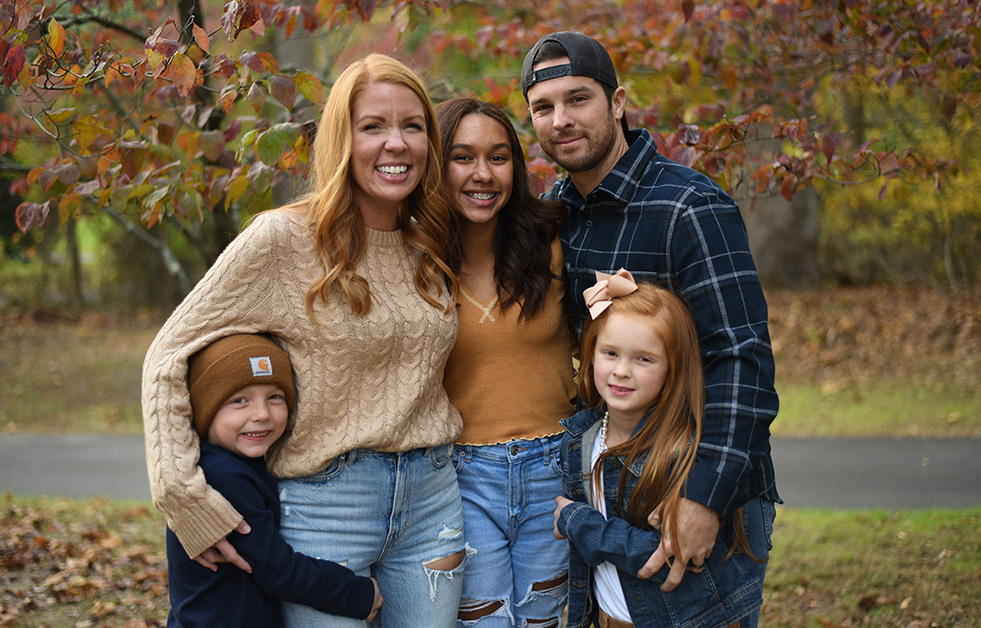
"In the beginning, Race For Hope gave me something to look forward to," Holly explained, reflecting on the initial impact of the event. "It was just a big celebration and a lot of fun. It was something that our family really needed at that time, so fresh into a diagnosis." The event transcended mere financial contribution; it offered a vital psychological anchor. In the face of uncertainty and fear, the camaraderie and shared purpose of Race for Hope provided a much-needed sense of hope and normalcy. The collective effort of participants, united by a common cause, created an atmosphere of optimism that was instrumental in Holly’s recovery journey.
Since its inception, Team Holly Grace has amassed an impressive total of over $175,000, directly contributing to the advancement of cutting-edge brain tumor research and the development of innovative treatment strategies. This sustained commitment underscores the family’s dedication to finding a cure and improving outcomes for future patients.
"This has been pure grassroots fundraising over the last six years," Matt elaborated, highlighting the organic and deeply personal nature of their efforts. "Just friends and family busting our butts to support scientific research for brain tumors and push for better palliative care." This description paints a vivid picture of a community rallying together, driven by personal connection and a shared desire to make a tangible difference. The emphasis on "palliative care" also signifies a broader understanding of the disease, acknowledging the importance of improving the quality of life for patients throughout their treatment journey.
The significance of Race for Hope extends beyond its financial impact for the Gibbons family; it has become a deeply personal and meaningful endeavor. Their daughter, Zoey, articulated this sentiment with profound clarity: "This event means more than words can describe to my family and me," she stated. "It gave my mom what I think she truly needed: hope. Hope that she could push through – no matter how brain cancer had affected her or our family – with a purpose and a goal to help not only her own future but the future of others diagnosed with a brain tumor." Zoey’s words encapsulate the transformative power of the event, highlighting its role in fostering resilience, purpose, and a collective vision for a brighter future.
Advocacy: Amplifying Voices for Change
The persistent threat of Holly’s tumor recurring weighed heavily on Matt. Beyond fundraising, he felt compelled to engage in more direct action to influence the landscape of brain tumor research and policy. He recognized that participating in "Head to the Hill," the National Brain Tumor Society’s (NBTS) signature advocacy event, would provide him with a powerful platform to advocate for critical changes in public policy.
"My focus was funding research because the recurrence rate for brain tumors is so high," Matt explained, underscoring the urgency of his advocacy. "That second time around, there are fewer options medically. Now is our time to really apply pressure." This statement reflects a strategic understanding of the challenges faced by brain tumor patients and a proactive approach to addressing systemic issues. The high recurrence rates necessitate continuous investment in research to discover more effective treatments and potentially, a cure.
Initially, Matt found it challenging to share his deeply personal story with strangers during the 2017 Head to the Hill training. However, he drew strength and comfort from the shared experiences and understanding of fellow advocates. The rigorous training provided him with the necessary skills and confidence to effectively communicate his message to congressional staff and policymakers.
"The next day was still emotional, but also kind of therapeutic to talk about it," Matt shared, reflecting on the congressional meetings. "It was rewarding to get through to the staffer or member about how important the cause is and that there’s real people, real faces behind every story. Watching a member or staffer get emotional hearing a story makes you feel like you’re getting through, and the funding will be there." This testament to the power of personal narrative emphasizes the human element in policy-making. By connecting with lawmakers on an emotional level, advocates can illuminate the urgent need for increased funding and support for brain tumor research and patient care.
The impact of Matt’s advocacy, and that of thousands of other NBTS advocates across the country, is significant. These dedicated individuals work tirelessly at local, state, and national levels, influencing policy and driving meaningful change in the fight against brain tumors. Their collective voice amplifies the concerns of patients and families, ensuring that brain tumor research and support remain a priority for lawmakers.
A Family United: A Legacy of Hope and Perseverance
Moments like Holly’s triumphant celebration with family and friends at the 2022 Race for Hope-DC finish line encapsulate the profound love and unwavering support that has empowered her to navigate her brain tumor experience. These moments are not just personal victories; they represent the tangible outcomes of sustained effort in fundraising for critical research and the acceleration of breakthroughs in treatments.
Holly’s aspirations are a powerful testament to her enduring spirit: "I want to see my son get married. I want to see my daughter get married. I want to see our oldest daughter graduate college," she stated with heartfelt conviction. "From the second I was diagnosed, that’s been my biggest fear. I find it so important to try to find a cure." These deeply personal hopes underscore the driving force behind their continued commitment. The desire to witness future family milestones fuels their passion for advocacy and research, transforming their personal tragedy into a catalyst for collective progress.
Whether they are participating in the energizing atmosphere of Race for Hope-DC or engaging in impassioned appeals to members of Congress, Matt and Holly remain steadfast and unrelenting in their quest to conquer and cure brain tumors. Their journey, marked by immense personal challenge, has transformed into a powerful force for change, inspiring hope and driving progress in the ongoing battle against this devastating disease. Their story is a powerful reminder that even in the face of overwhelming adversity, hope, advocacy, and community can forge a path towards a brighter future for all affected by brain tumors.
