
 By Budi Oetomo Narendra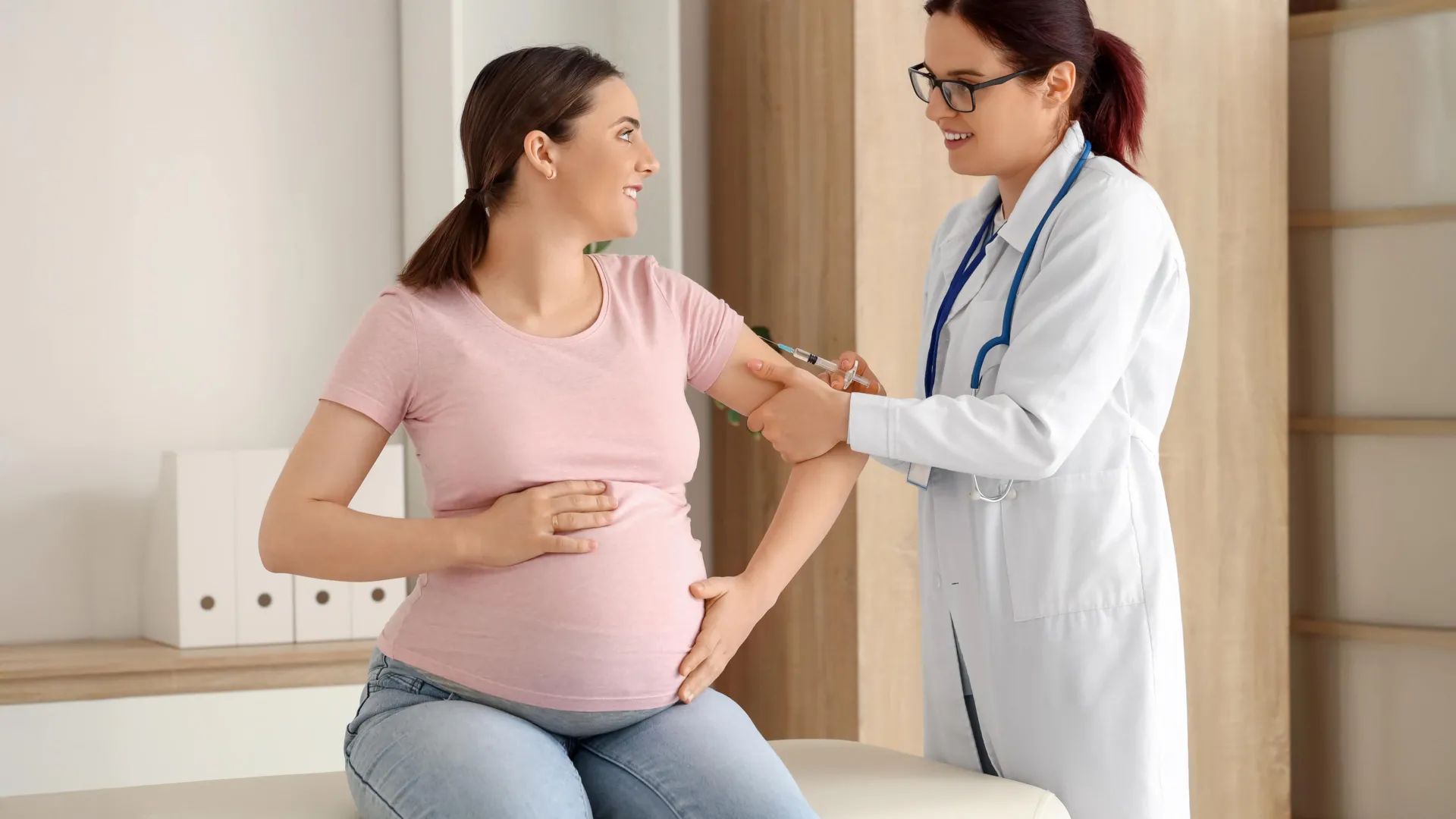
Research presented at the Society for Maternal-Fetal Medicine (SMFM) 2026 Pregnancy Meeting has definitively concluded that receiving an mRNA COVID-19 vaccine shortly before or at any point during pregnancy is not associated with autism or other developmental disorders in children. These findings provide critical new data on the long-term health trajectories of children whose mothers opted for vaccination around the time of conception and gestation, reinforcing existing public health recommendations and addressing lingering parental concerns.
The Context of COVID-19 Vaccination in Pregnancy
The emergence of the SARS-CoV-2 virus in late 2019 rapidly escalated into a global pandemic, prompting an unprecedented scientific effort to develop vaccines. Among the most innovative and effective were the messenger ribonucleic acid (mRNA) vaccines, which demonstrated remarkable efficacy in preventing severe disease, hospitalization, and death. However, like many new medical interventions, their application in specific populations, particularly pregnant individuals, raised questions due to historical caution and the exclusion of pregnant people from initial clinical trials.
Early in the pandemic, pregnant individuals were identified as a vulnerable group, facing increased risks of severe COVID-19 outcomes, including higher rates of intensive care unit admission, mechanical ventilation, and even death, compared to non-pregnant individuals of reproductive age. Furthermore, COVID-19 infection during pregnancy was linked to adverse obstetric outcomes such as preterm birth, stillbirth, and preeclampsia. These risks underscored the urgent need for safe and effective preventative measures for this population.
In the United States, two primary types of COVID-19 vaccines became widely available and recommended: the mRNA vaccines (e.g., Pfizer-BioNTech and Moderna) and a protein subunit vaccine (e.g., Novavax). As real-world data accumulated, major health organizations, including the Centers for Disease Control and Prevention (CDC), the American College of Obstetricians and Gynecologists (ACOG), and the World Health Organization (WHO), progressively endorsed the safety and efficacy of COVID-19 vaccination during all stages of pregnancy. This consensus was built upon extensive observational studies demonstrating no increased risks of miscarriage, preterm birth, or other adverse maternal or neonatal outcomes following vaccination. Yet, the long-term neurodevelopmental outcomes of children exposed to mRNA vaccines in utero or periconceptionally remained an area of ongoing investigation, largely due to the time required for such studies to mature.
Landmark Study Illuminates Long-Term Outcomes
The investigation, spearheaded by researchers within the esteemed Maternal-Fetal Medicine Units Network, directly addressed this crucial knowledge gap. This network, renowned for its rigorous multi-center clinical trials and observational studies in maternal and fetal health, undertook a prospective, observational study between May 2024 and March 2025. The study meticulously evaluated 434 children, aged between 18 months and 30 months, for any signs of autism spectrum disorder (ASD) or other developmental concerns.
The cohort was carefully divided into two equally sized groups: 217 children born to mothers who had received at least one dose of an mRNA COVID-19 vaccine either during pregnancy or within 30 days prior to conception, and a control group of 217 children whose mothers did not receive an mRNA vaccine during or immediately before pregnancy. This design allowed for a direct comparison of neurodevelopmental trajectories between exposed and unexposed groups.
Dr. George R. Saade, MD, a senior researcher on the study and Professor and Chair of Obstetrics and Gynecology, and Associate Dean for Women’s Health, at Macon & Joan Brock Virginia Health Sciences at Old Dominion University in Norfolk, VA, emphasized the study’s core finding. "Neurodevelopment outcomes in children born to mothers who received the COVID-19 vaccine during or shortly before pregnancy did not differ from those born to mothers who did not receive the vaccine," Dr. Saade stated. This unequivocal declaration provides robust evidence against any causal link between maternal mRNA vaccination and childhood neurodevelopmental issues.
Methodological Rigor and Comparative Analysis
To ensure the highest degree of accuracy and minimize confounding variables, the research team implemented stringent matching criteria for the study participants. Vaccinated mothers were precisely paired with unvaccinated mothers based on several critical factors: the location of delivery (hospital, birth center, etc.), the exact date of delivery, insurance status, and race. This meticulous matching aimed to create two groups that were as similar as possible in demographic and socioeconomic characteristics, thereby isolating the effect of vaccination.
Furthermore, certain pregnancies were deliberately excluded from both groups to enhance the homogeneity and interpretability of the data. These exclusions included pregnancies that concluded before 37 weeks (preterm births), those involving multiple gestations (twins, triplets, etc.), or those resulting in a child diagnosed with a major congenital malformation. By focusing on singleton, full-term pregnancies without significant structural anomalies, the researchers aimed to remove known factors that could independently influence neurodevelopmental outcomes, thereby strengthening the causal inference regarding vaccine exposure.
When the children reached the age range of 1.5 to 2.5 years, a critical period for early childhood development screening, researchers employed a comprehensive battery of assessment tools. The primary screening instrument was the Ages and Stages Questionnaire Version 3 (ASQ-3), a widely validated and standardized parent-completed screening tool. The ASQ-3 measures developmental progress across five key domains: communication, gross motor skills, fine motor skills, problem-solving, and personal-social interaction. It is designed to identify children who may be at risk for developmental delays, prompting further evaluation.
To further corroborate and expand upon the ASQ-3 findings, the research team also reviewed results from the Child Behavior Checklist (CBCL), the Modified Checklist for Autism in Toddlers (M-CHAT), and the Early Childhood Behavior Questionnaire (ECBQ). The CBCL is a comprehensive tool assessing a broad range of behavioral and emotional problems; the M-CHAT is a targeted screening tool specifically designed to identify young children at risk for autism spectrum disorder; and the ECBQ evaluates temperament dimensions in toddlers. The use of multiple, complementary assessment tools provided a holistic view of the children’s developmental and behavioral patterns, enhancing the robustness of the study’s conclusions.
Broader Implications and Expert Endorsement
The findings of this multi-center study carry significant weight for public health messaging and parental confidence. For years, vaccine hesitancy, sometimes fueled by misinformation linking vaccines to autism, has posed a challenge to public health efforts. While previous extensive research has unequivocally debunked the link between childhood immunizations (like the MMR vaccine) and autism, the novelty of mRNA technology and the speed of its deployment during the pandemic naturally led to questions regarding long-term effects. This new study provides crucial reassurance specifically for the mRNA COVID-19 vaccines administered during pregnancy.
Dr. Brenna L. Hughes, MD, MSc, Edwin Crowell Hamblen Distinguished Professor of Reproductive Biology and Family Planning and Interim Chair of the Department of Obstetrics and Gynecology at Duke University in Raleigh, NC, underscored the study’s importance. "This study, conducted through a rigorous scientific process in an NIH clinical trials network, demonstrates reassuring findings regarding the long-term health of children whose mothers received COVID-19 vaccination during pregnancy," Dr. Hughes remarked. Her statement highlights the credibility of the research, being conducted within a National Institutes of Health (NIH) clinical trials network, which adheres to high standards of scientific integrity and methodology.
The prevalence of autism spectrum disorder (ASD) in the United States is currently estimated at 1 in 36 children aged 8 years, according to the CDC’s Autism and Developmental Disabilities Monitoring (ADDM) Network. ASD is a complex neurodevelopmental condition with a multifactorial etiology, involving both genetic and environmental factors. The absence of any observed difference in developmental outcomes between the vaccinated and unvaccinated groups in this study further solidifies the scientific consensus that vaccines do not cause autism.
This research reinforces the recommendations from leading health organizations globally, encouraging pregnant individuals to receive COVID-19 vaccination to protect both maternal and infant health. The benefits of vaccination during pregnancy extend beyond protecting the mother from severe illness; maternal antibodies developed in response to the vaccine can be transferred to the fetus through the placenta, offering passive immunity to the newborn against COVID-19 in their first months of life, a period when they are particularly vulnerable.
Funding and Future Directions
The study was made possible through funding from the Eunice Kennedy Shriver National Institute of Child Health and Human Development (NICHD), a component of the National Institutes of Health. This funding source underscores the public health importance and scientific rigor expected of the research. The authors, while presenting their conclusions, noted that these findings are their own and do not necessarily reflect the official views of the National Institutes of Health, a standard disclaimer ensuring academic independence.
The oral abstract #8, titled "Association between SARS-CoV-2 vaccine in pregnancy and child neurodevelopment at 18-30 months," is slated for publication in the February 2026 issue of PREGNANCY, the official peer-reviewed medical journal of the Society for Maternal-Fetal Medicine. Publication in a prestigious, peer-reviewed journal ensures that the findings have undergone critical scrutiny by other experts in the field, further validating their scientific merit and adding them to the growing body of evidence supporting the safety of mRNA COVID-19 vaccines in pregnancy.
While this study provides substantial reassurance, the scientific community recognizes the ongoing need for long-term surveillance and research. Continued monitoring of developmental milestones and health outcomes in vaccinated and unvaccinated cohorts will further refine our understanding and provide even greater granularity of data over extended periods. However, for now, parents can take considerable comfort in these robust findings, which definitively dispel concerns about a link between maternal mRNA COVID-19 vaccination and neurodevelopmental disorders in their children. This research marks a significant step forward in building trust and informed decision-making regarding vaccination during pregnancy, empowering parents with evidence-based information for their family’s health.
