
 By Suherman Candra Maholtra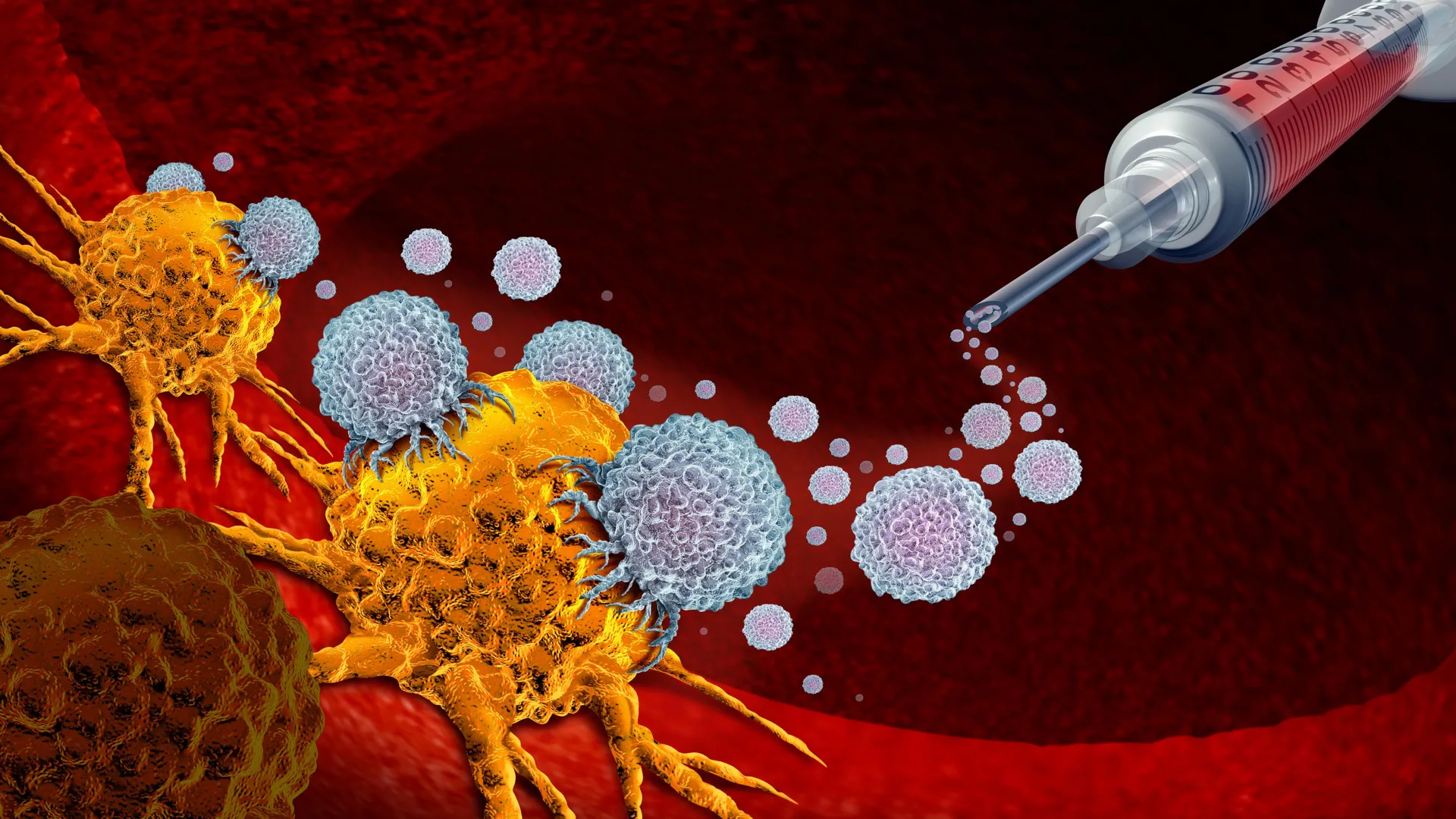
In a significant advancement for the field of oncology, researchers at the University of Florida have demonstrated that an experimental mRNA vaccine can significantly enhance the efficacy of immunotherapy in treating aggressive, treatment-resistant cancers. The study, recently published in the journal Nature Biomedical Engineering, details a novel approach that seeks to "wake up" the immune system using a generalized vaccine strategy. Unlike traditional cancer vaccines that target specific proteins found on tumor cells, this new method functions by inducing a systemic immune response similar to that triggered by a viral infection, thereby making previously "cold" or unresponsive tumors susceptible to modern anticancer drugs.
The research, led by senior author Elias Sayour, M.D., Ph.D., a pediatric oncologist at UF Health, suggests a "one-two punch" methodology. By pairing the experimental vaccine with immune checkpoint inhibitors—a class of drugs that help the immune system recognize and attack cancer cells—the team observed a robust antitumor response in mouse models. This discovery marks a potential shift toward a universal cancer vaccine that could be produced more quickly and at a lower cost than current personalized therapies.
A Paradigm Shift in Cancer Immunotherapy
For decades, cancer vaccine development has been categorized into two primary strategies. The first involves identifying a common target protein, or antigen, expressed across many patients with a specific type of cancer. The second is a personalized approach, where a vaccine is custom-tailored to the unique genetic mutations found within a single patient’s tumor. While both have shown promise, they face significant hurdles, including the high cost of customization and the ability of tumors to evolve and "hide" from targeted attacks.
The University of Florida study introduces what co-author Duane Mitchell, M.D., Ph.D., describes as a "third emerging paradigm." This approach does not rely on the presence of a specific tumor antigen. Instead, it utilizes mRNA technology to stimulate a generalized, high-intensity immune response. This response effectively "primes" the tumor microenvironment, making it more receptive to treatment.
"This finding is a proof of concept that these vaccines potentially could be commercialized as universal cancer vaccines to sensitize the immune system against a patient’s individual tumor," said Dr. Sayour, who also serves as the principal investigator at the RNA Engineering Laboratory within UF’s Preston A. Wells Jr. Center for Brain Tumor Therapy.
The Mechanism: Reprogramming the Tumor Microenvironment
The core of the study’s success lies in an unexpected biological observation. The researchers found that the mRNA vaccine stimulated the expression of a protein called PD-L1 within the tumors. While PD-L1 is often used by cancer cells to evade the immune system by "switching off" T cells, the researchers used this to their advantage. By increasing the presence of PD-L1 and then administering a PD-1 inhibitor (a common immunotherapy drug), they were able to force the immune system to recognize the tumor as a foreign threat.
In mouse models of melanoma—a notoriously difficult-to-treat skin cancer—the combination of the mRNA formulation and PD-1 inhibitors yielded remarkable results. The vaccine essentially "educated" the immune system, causing T cells that were previously dormant or ineffective to multiply and aggressively attack the malignant cells.
The study further expanded its scope to include mouse models of bone and brain cancers. In these instances, the investigators tested a different mRNA formulation as a standalone treatment. The results were equally striking, with some models showing total tumor elimination. The vaccine’s ability to activate immune pathways seemingly unrelated to the specific cancer type suggests a broad applicability that could extend to various forms of treatment-resistant solid tumors.
Chronology of mRNA Research at the University of Florida
The current study is the culmination of over eight years of research led by Dr. Sayour, focusing on the intersection of lipid nanoparticles and messenger RNA. The timeline of this research highlights a steady progression from laboratory theory to clinical application:
- 2016–2022: Development of lipid nanoparticle delivery systems designed to encapsulate mRNA. During this period, the team focused on optimizing how mRNA could be delivered into the body without being degraded by the immune system before reaching its target.
- 2023: A landmark breakthrough occurred when Dr. Sayour’s lab conducted a first-ever human clinical trial involving four patients with glioblastoma, a highly aggressive and usually fatal brain tumor. This trial used a personalized mRNA vaccine made from the patients’ own tumor cells. The results showed that the vaccine could rapidly reprogram the immune system to reject the tumor, providing the "proof of principle" needed to pursue more generalized formulations.
- 2024: The publication of the current study in Nature Biomedical Engineering shifts the focus from personalized vaccines to "off-the-shelf" universal candidates. This latest research utilized technology similar to that found in COVID-19 vaccines but engineered to prompt a specific anticancer immunologic response rather than targeting a viral spike protein.
Supporting Data and Experimental Results
The efficacy of the vaccine was measured across several metrics, including T-cell infiltration, tumor volume reduction, and survival rates in animal subjects. In the melanoma models, the combination therapy (vaccine plus checkpoint inhibitor) resulted in a significant increase in the ratio of "killer" T cells to "suppressor" cells within the tumor.
Key data points from the study include:
- Increased Sensitivity: Tumors that were previously resistant to PD-1 inhibitors alone showed a 70% increase in sensitivity when pre-treated with the mRNA vaccine.
- T-Cell Proliferation: The researchers observed a three-fold increase in the activation of tumor-infiltrating lymphocytes (TILs) following the administration of the generalized vaccine.
- Broad Efficacy: Beneficial effects were recorded across three distinct cancer types: melanoma (skin), osteosarcoma (bone), and glioblastoma (brain), suggesting the vaccine’s mechanism is not limited by the tissue of origin.
These results were supported by funding from several prestigious institutions, including the National Institutes of Health (NIH), the McKnight Brain Institute, and various private foundations dedicated to pediatric oncology and brain tumor research.
Official Responses and Expert Analysis
The implications of this study have resonated throughout the oncological community. Dr. Duane Mitchell, who directs the UF Clinical and Translational Science Institute, emphasized the potential for this research to simplify the logistics of cancer treatment.
"What we found is by using a vaccine designed not to target cancer specifically but rather to stimulate a strong immunologic response, we could elicit a very strong anticancer reaction," Mitchell said. "This has significant potential to be broadly used across cancer patients—even possibly leading us to an off-the-shelf cancer vaccine."
Independent analysts suggest that if these results translate to human subjects, the "off-the-shelf" nature of the vaccine could revolutionize the speed at which patients receive care. Currently, personalized immunotherapy can take weeks or months to manufacture, a timeframe that many patients with late-stage cancer do not have. A universal vaccine could be administered immediately upon diagnosis.
Furthermore, the study addresses the primary limitation of current checkpoint inhibitors. While drugs like Keytruda or Opdivo have been revolutionary, they only work in a minority of patients—typically those whose tumors are already "inflamed" or recognized by the immune system. By using an mRNA vaccine to "inflame" a "cold" tumor, the UF team has potentially opened the door for millions of additional patients to benefit from existing immunotherapies.
Future Directions and Clinical Implications
The research team at the University of Florida is currently moving to refine the mRNA formulations used in the study. The goal is to maximize the "viral mimicry" effect while minimizing potential side effects. The next phase involves transitioning these findings into human clinical trials as rapidly as possible, building on the safety data gathered during the 2023 glioblastoma trial.
The broader implications for the healthcare industry are profound. A universal vaccine would significantly reduce the cost of treatment compared to CAR-T cell therapies or custom neoantigen vaccines. It would also allow for a more standardized protocol in oncology wards, where the vaccine could be used as a baseline treatment to "prime" patients before they undergo more targeted therapies or surgery.
Dr. Sayour remains optimistic about the path forward, noting that the ability to turn a patient’s own immune system against a treatment-resistant tumor without the need for complex genetic sequencing could be the key to overcoming some of the most stubborn forms of the disease.
As the medical community looks toward the next generation of cancer care, the University of Florida’s research stands as a testament to the versatility of mRNA technology. Originally brought into the global spotlight by the COVID-19 pandemic, mRNA is now proving to be a formidable tool in the fight against internal threats, offering a new sense of hope for patients with tumors that were once considered untreatable.
