
 By Gabriel Paijo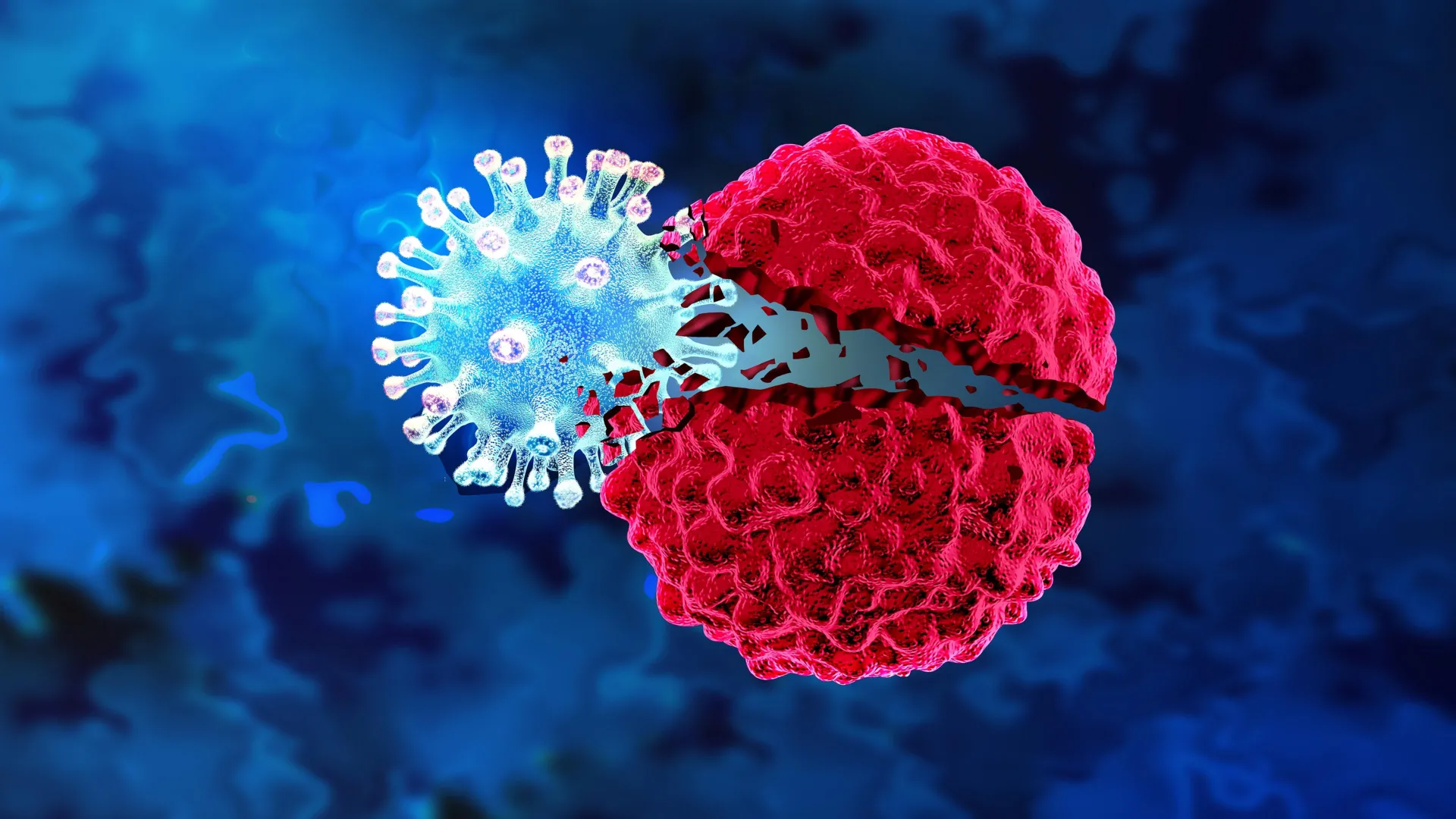
In a landmark study published in the journal Nature Biomedical Engineering, researchers at Columbia Engineering have unveiled a pioneering cancer treatment strategy that synchronizes the unique strengths of bacteria and viruses. This innovative approach, developed by the Synthetic Biological Systems Lab, effectively utilizes a "Trojan Horse" method to bypass the human immune system, delivering a potent viral payload directly into the heart of malignant tumors. By engineering a cooperative relationship between two different kingdoms of life—prokaryotes (bacteria) and viruses—the team has created a delivery mechanism that overcomes the primary obstacles currently hindering oncolytic virotherapy and bacterial cancer treatments.
The platform, designated as CAPPSID (Coordinated Activity of Prokaryote and Picornavirus for Safe Intracellular Delivery), represents a significant leap forward in the field of synthetic biology. Led by Tal Danino, an associate professor of biomedical engineering at Columbia, and in collaboration with Nobel laureate Charles M. Rice of The Rockefeller University, the research demonstrates how engineered microbes can be programmed to work in tandem to achieve therapeutic outcomes that neither could accomplish in isolation.
The Challenge of Traditional Oncolytic Virotherapy
For decades, scientists have explored the potential of oncolytic viruses—viruses that naturally or through genetic modification infect and kill cancer cells. While these viruses are highly effective at lysing (bursting) malignant cells and stimulating an immune response, they face a formidable barrier: the patient’s own immune system.
Most humans have been exposed to various viruses throughout their lives, either through natural infection or vaccination. Consequently, the bloodstream is often populated with neutralizing antibodies. When a therapeutic virus is injected into a patient, these antibodies often recognize and destroy the virus before it can reach the target tumor. This "neutralization" has been a primary reason why many promising viral therapies fail in clinical trials. Furthermore, delivering viruses systemically often requires high doses that can lead to off-target toxicities or severe inflammatory responses.
The Columbia team addressed this fundamental flaw by utilizing bacteria as a protective transport vehicle. "The bacteria act as an invisibility cloak, hiding the virus from circulating antibodies and ferrying the virus to where it is needed," explained Zakary S. Singer, a co-lead author of the study and a former postdoctoral researcher in the Danino lab.
Engineering the CAPPSID System: A Biological Synergy
The CAPPSID system utilizes a specifically modified strain of Salmonella typhimurium. Bacteria such as Salmonella have a natural "homing" instinct for tumors. Solid tumors often contain necrotic, hypoxic (low-oxygen) regions that are nutrient-rich but poorly reached by the blood supply. These environments, which are hostile to many traditional drugs and immune cells, are ideal breeding grounds for certain anaerobic or facultative anaerobic bacteria.
In the CAPPSID framework, the researchers programmed the Salmonella to carry a viral genome—specifically, the RNA of a picornavirus. The process follows a meticulously engineered sequence:
- Homing: The engineered bacteria are administered and naturally migrate toward the tumor microenvironment, congregating in the dense interior of the mass.
- Invasion: The bacteria penetrate the membranes of the cancer cells.
- Lysis and Release: Once inside the intracellular environment of the tumor, the bacteria are programmed to "self-destruct" or lyse. This release mechanism is triggered by specific density-dependent or environmental cues.
- Viral Activation: Upon bacterial lysis, the viral RNA is released directly into the cytoplasm of the cancer cell. The cell’s own machinery then begins to translate this RNA, producing functional viral particles.
- Propagation: These newly formed viruses then infect neighboring cancer cells, creating a localized wave of destruction within the tumor while sparing healthy tissue.
This multi-step process ensures that the virus is never exposed to the external immune environment of the host’s blood, effectively "smuggling" the treatment past the body’s defenses.
Rigorous Safety Mechanisms and Biocontainment
One of the most critical aspects of any live-microbe therapy is safety. The prospect of releasing a replicating virus into a patient carries the inherent risk of the virus spreading to healthy organs. To mitigate this, the Columbia and Rockefeller team implemented a sophisticated genetic "lock and key" mechanism.
The researchers engineered the virus to be dependent on a specific protease—an enzyme that breaks down proteins—which is only produced by the engineered bacteria. Without this protease, the viral particles cannot mature or become infectious. Because the bacteria are designed to remain localized within the tumor environment, the virus is effectively tethered to the tumor.
"Spreadable viral particles could only form in the vicinity of bacteria, which are needed to provide special machinery essential for viral maturation," Singer noted. This synthetic dependency ensures that even if a viral particle were to escape the tumor and enter the bloodstream, it would be unable to replicate or infect healthy cells in other parts of the body, as the necessary bacterial protease would be absent.
Experimental Validation and Supporting Data
The efficacy of the CAPPSID platform was validated through extensive testing in murine (mouse) models of cancer. The researchers focused on colorectal and breast cancer models, which are notoriously difficult to treat once they form solid masses.
Data from the study indicated that the CAPPSID system achieved significantly higher tumor suppression rates compared to treatments using bacteria or viruses alone. In the experimental groups, mice treated with the coordinated system showed:
- Reduced Tumor Volume: A marked decrease in the growth rate of primary tumors compared to control groups receiving a saline solution or single-microbe therapies.
- Enhanced Survival: An increase in overall survival rates, with several subjects showing complete tumor regression.
- Immune System Activation: Analysis of the tumor microenvironment showed an influx of T-cells and other immune effectors, suggesting that the viral lysis of cancer cells "unmasked" the tumor, allowing the host’s immune system to recognize and attack the remaining malignant cells.
The researchers also confirmed the "invisibility cloak" theory by testing the system in mice with pre-existing immunity to the virus. While conventional viral delivery failed in these mice, the CAPPSID system remained effective, proving that the bacterial housing successfully shielded the viral payload from neutralizing antibodies.
Historical Context: From Coley’s Toxins to Synthetic Biology
The use of bacteria to treat cancer is not an entirely new concept, but the CAPPSID platform represents its most advanced evolution. In the late 19th century, Dr. William Coley, often called the "Father of Immunotherapy," observed that some cancer patients experienced regression after developing post-surgical bacterial infections. He began treating patients with "Coley’s Toxins," a mixture of killed bacteria, with varying degrees of success.
However, the lack of precision and the risk of systemic infection led the medical community to favor radiation and chemotherapy throughout the 20th century. It is only with the advent of modern genetic engineering and synthetic biology that scientists have been able to "program" microbes with the precision required for clinical safety.
"This is probably our most technically advanced and novel platform to date," said Tal Danino. The work builds upon years of research in his lab, which has previously explored using bacteria to deliver nanobodies and other therapeutic proteins. The integration of a replicating virus, however, adds a layer of "self-amplification" that protein-based deliveries lack.
Institutional Collaboration and Future Clinical Path
The success of the project is attributed to the cross-disciplinary collaboration between Columbia’s engineering expertise and the virological prowess of The Rockefeller University. Charles M. Rice, who received the Nobel Prize in Physiology or Medicine in 2020 for his work on the Hepatitis C virus, provided the essential virological framework needed to manipulate the picornavirus genome for this therapeutic application.
The implications of this research extend far beyond the specific models tested. The team has already filed a patent application (WO2024254419A2) for the technology. Jonathan Pabón, a co-lead author and MD/PhD candidate at Columbia, emphasized the clinical vision: "As a physician-scientist, my goal is to bring living medicines into the clinic. Efforts toward clinical translation are currently underway to translate our technology out of the lab."
The research team is now working on expanding the "toolkit" of the CAPPSID system. This includes:
- Diverse Payloads: Engineering the system to deliver different types of viruses or therapeutic genes tailored to specific cancer types.
- Strain Optimization: Utilizing bacterial strains that have already passed Phase I and Phase II safety trials in humans to accelerate the regulatory approval process.
- Combination Therapies: Investigating how CAPPSID can be used alongside existing checkpoint inhibitors and chemotherapies to provide a multi-pronged attack on metastatic disease.
Broader Implications for Oncology and Medicine
The development of CAPPSID signals a shift in oncology toward "living medicines"—therapies that can sense, move, and respond to the complex environment of the human body. Unlike static chemical compounds, engineered microbes can navigate biological barriers and execute complex tasks, such as the localized production of medicine.
Industry analysts suggest that if CAPPSID successfully transitions to human trials, it could revolutionize the treatment of "cold" tumors—tumors that do not naturally elicit an immune response and are therefore resistant to current immunotherapies. By turning the tumor into a "virus factory," the CAPPSID system essentially forces the immune system to take notice, potentially turning incurable cases into manageable or curable ones.
As the scientific community moves toward more personalized and precise interventions, the cooperation between different biological entities—prokaryote and virus—offers a blueprint for the future of medicine. The study by Columbia Engineering provides a robust proof-of-concept that the most effective way to defeat a complex disease like cancer may be to build an equally complex, coordinated team of biological allies.
