
 By admin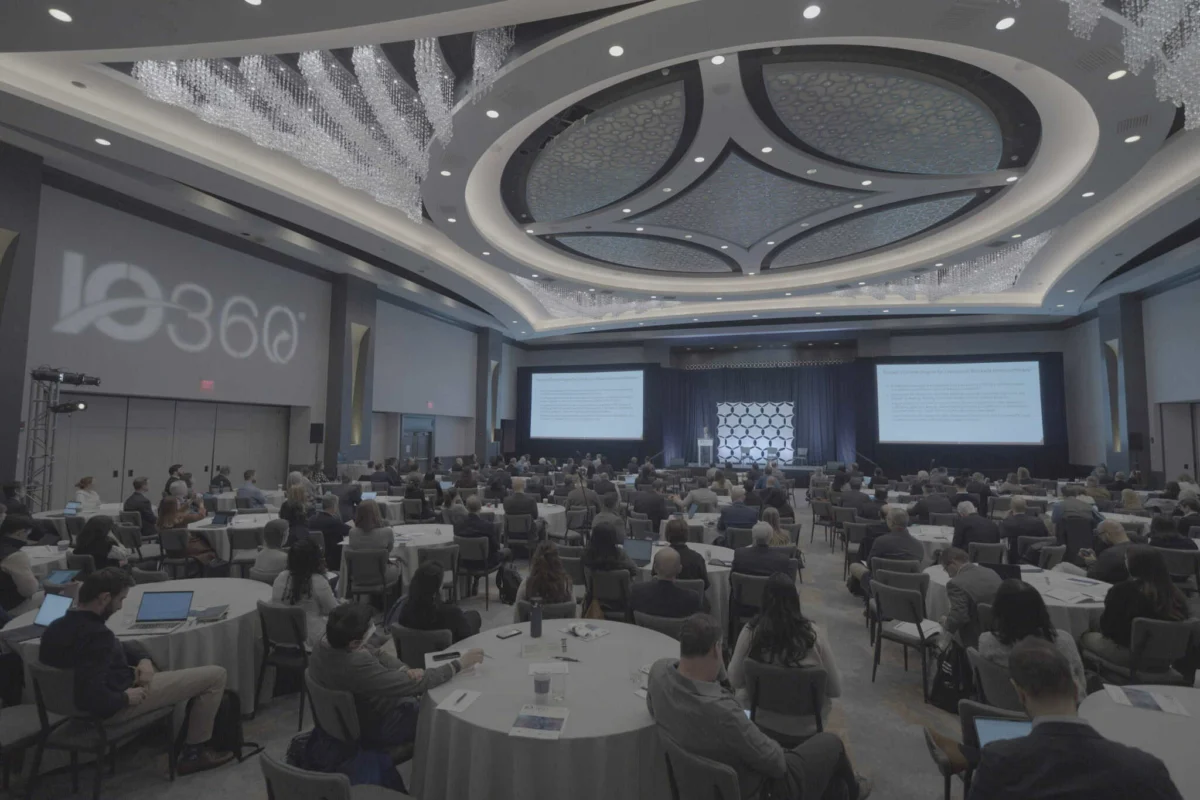
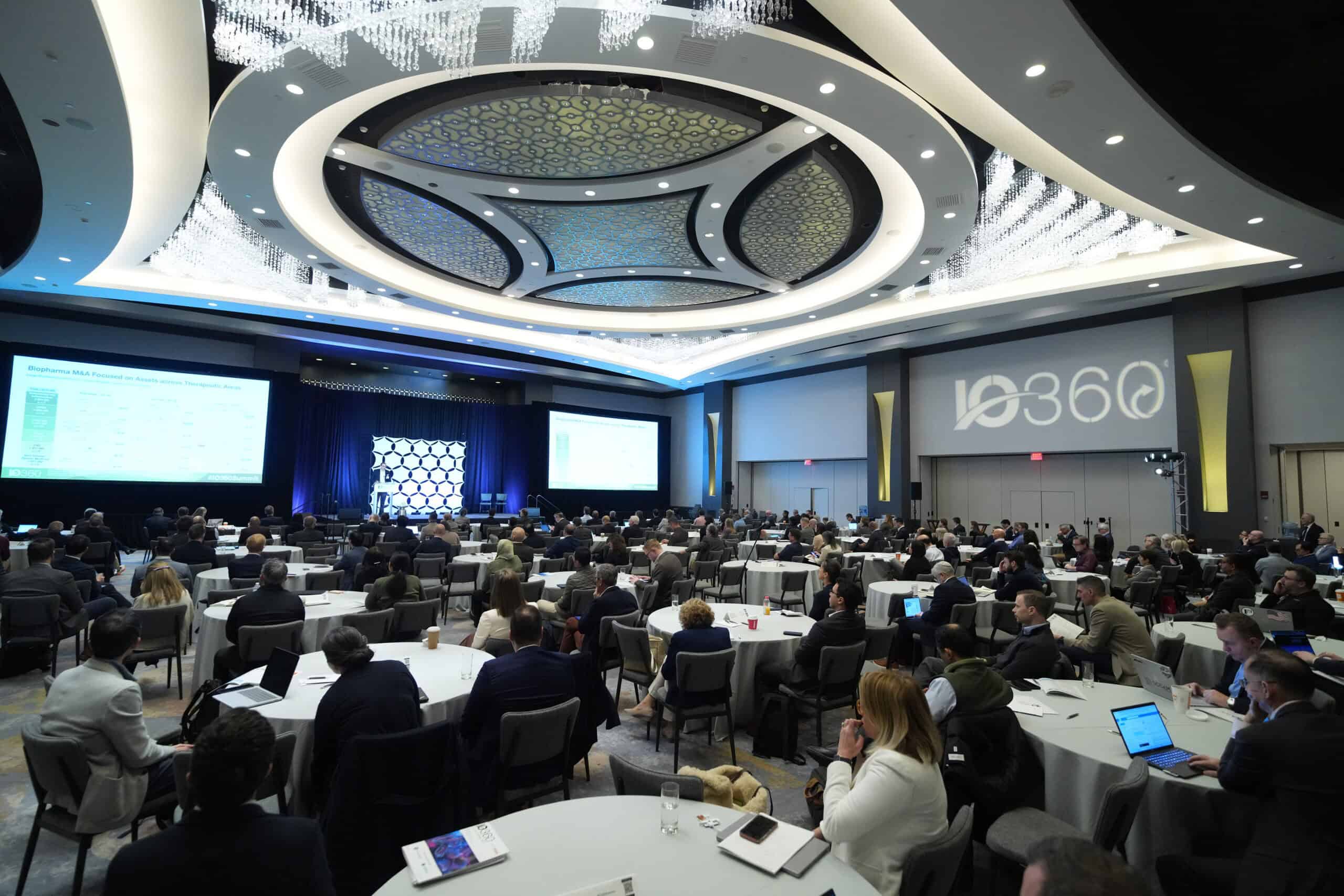
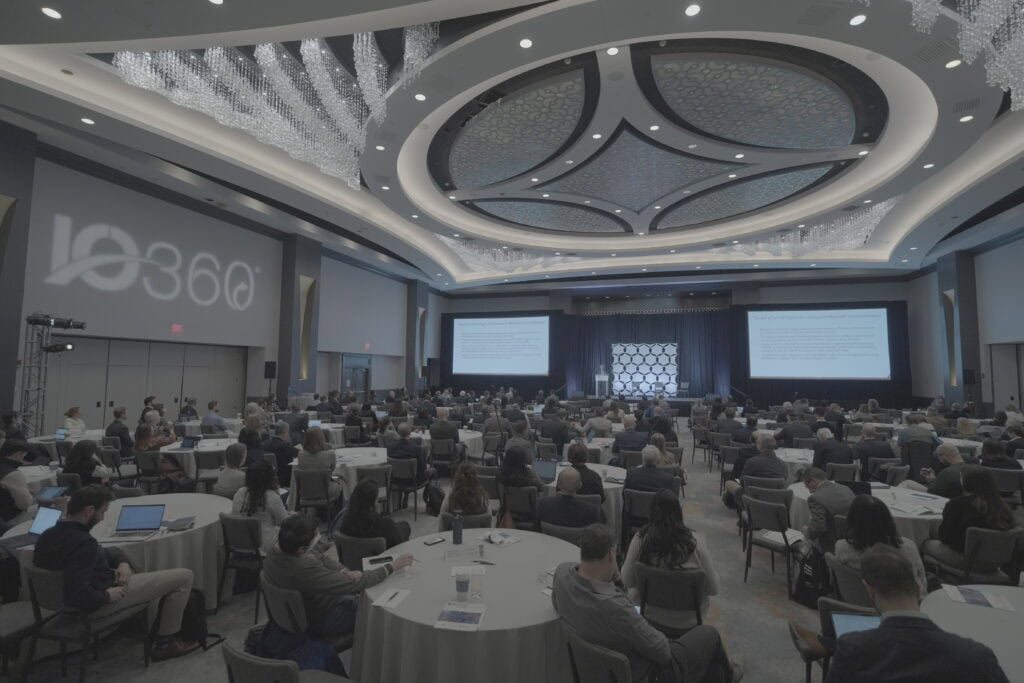
The recent IO360° Summit in Boston served as a pivotal convergence point for hundreds of leading researchers, clinicians, patient advocates, and biotech innovators, all united by a singular focus: to accelerate the fight against cancer through advanced immunotherapy. This three-day event, held in February, showcased the remarkable progress in harnessing the body’s own immune system to combat malignancies, presenting a compelling vision for a future where cancer diagnoses increasingly shift from terminal prognoses to scenarios of long-term survival and even cure. Discussions spanned a wide array of transformative developments, from unprecedented decade-long survival data and revolutionary next-generation therapeutic modalities to the integration of artificial intelligence in drug discovery, collectively illustrating the profound evolution of the field and its promising trajectory.
The Dawn of a New Era: Immunotherapy’s Historical Trajectory
Immunotherapy, once a fringe concept in oncology, has decisively emerged as the fourth pillar of cancer treatment, alongside surgery, chemotherapy, and radiation. Its ascent began with a deeper understanding of how cancer evades the immune system, particularly through checkpoint pathways. Early breakthroughs, like the discovery of CTLA-4 and PD-1 pathways, revolutionized treatment for previously intractable cancers, most notably melanoma. The IO360° Summit, an annual gathering renowned for its forward-looking perspective on immuno-oncology, provides a critical platform for disseminating these cutting-edge discoveries and fostering collaborations that drive the field forward. Established years ago to bridge the gap between basic research and clinical application, the summit has become an essential forum for evaluating emerging data, discussing clinical trial designs, and addressing the logistical and ethical challenges of bringing complex therapies to patients. This year’s event underscored a palpable sense of optimism, rooted in concrete clinical evidence that reflects decades of dedicated research and significant investment. The choice of Boston, a global hub for biomedical research and biotechnology, further amplified the summit’s reach and significance, drawing expertise from around the world.
Melanoma’s Decade of Transformation: Long-Term Survival Becomes Reality
A highlight of the summit was the presentation of Dr. Jedd Wolchok, a distinguished figure from Weill Cornell Medicine and a member of the Cancer Research Institute’s (CRI) Scientific Advisory Council. Dr. Wolchok, who was deservingly honored with the IO360° Lifetime Achievement Award for his seminal contributions to immuno-oncology, unveiled groundbreaking 10-year follow-up data from the landmark CheckMate-067 melanoma trial. These results provided irrefutable evidence of immunotherapy’s capacity to deliver durable, long-term remission for a significant subset of patients with advanced melanoma, a cancer historically associated with a devastating prognosis.
The CheckMate-067 trial, which evaluated the efficacy of nivolumab (a PD-1 inhibitor), ipilimumab (a CTLA-4 inhibitor), and their combination, showed striking differences in overall survival rates over a decade. Patients treated with the combination of nivolumab plus ipilimumab achieved an overall survival rate of 43%. This compared favorably to nivolumab alone, which yielded a 37% survival rate, and ipilimumab alone, with a 19% survival rate. The stark contrast with historical outcomes could not be overstated: merely 15 years ago, patients with advanced melanoma faced a median survival of less than one year, with most succumbing to the disease within six to eight months. Dr. Wolchok emphasized the profound shift, stating, "These data represent a monumental victory in oncology. What was once a near-certain death sentence for many has, through persistent research and clinical innovation, become a condition where long-term survival is a tangible reality for a meaningful portion of our patients. It’s a testament to the power of activating the body’s own defenses."
The human impact of these statistics was vividly brought to life during a powerful patient panel featuring Brendan Connors, a stage 4 melanoma survivor. His story resonated deeply with attendees, illustrating the real-world implications of these therapeutic advances for young individuals diagnosed with advanced cancer, offering hope where little existed before. Connors’ presence underscored that these aren’t just numbers; they represent lives reclaimed and futures restored. This long-term data provides critical validation for clinicians, reinforcing confidence in these treatment strategies and potentially influencing treatment guidelines for other cancer types responsive to checkpoint inhibition.
Revolutionizing Cell Therapies: Faster, Cheaper, More Accessible
While CAR T-cell therapy has been a game-changer for certain blood cancers like acute lymphoblastic leukemia and lymphomas, its widespread application has been hampered by significant logistical and economic hurdles. Traditional CAR T-cell therapy involves a complex, multi-week process: immune cells are extracted from the patient (apheresis), genetically engineered in a specialized laboratory to recognize and attack cancer cells, expanded to sufficient numbers, and then re-infused. This ex vivo process is not only time-consuming but also exorbitantly expensive, often exceeding $400,000 per treatment, making it inaccessible for many patients and posing a considerable burden on healthcare systems. Patients also face delays while their cells are being manufactured, which can be critical in rapidly progressing cancers.
The summit highlighted promising innovations aimed at streamlining and democratizing cell therapies. AstraZeneca presented a novel approach utilizing specially designed viruses to reprogram immune cells directly inside the patient’s body—an in vivo CAR T-cell strategy. This bypasses the need for ex vivo manufacturing, potentially cutting down costs and delivery times dramatically. In a small, early-phase cohort of four multiple myeloma patients, all individuals responded to the treatment, with two achieving complete remissions. Crucially, these rapid responses were observed within days, a dramatic improvement over the weeks required for traditional CAR T-cell manufacturing. This ‘off-the-shelf’ or ‘in-body’ manufacturing has the potential to drastically reduce costs, improve accessibility, and expand the applicability of cell therapies. A spokesperson for AstraZeneca noted, "Our goal is to move beyond the logistical complexities of traditional cell therapy manufacturing. By enabling the body to produce its own cancer-fighting cells on demand, we envision a future where these powerful treatments are more readily available to a broader patient population, not just those in specialized centers."
Further expanding the therapeutic landscape, BobcatBio introduced another innovative strategy focusing on hyperactivating the body’s natural tumor-fighting cells, macrophages, rather than genetically engineering T-cells. This approach bypasses the genetic modification step entirely, simplifying the process and potentially reducing immune-related toxicities. The treatment, designed to be frozen for repeat dosing, aims to be effective regardless of a tumor’s specific genetic mutations, opening avenues for application across a wide spectrum of solid tumors and blood cancers. The flexibility and potential universality of such a therapy could mark a significant stride towards more inclusive and adaptable cancer treatments, offering a promising alternative for patients who may not be eligible for traditional CAR T.

Redefining Treatment Paradigms: When Surgery Becomes a Choice
Perhaps one of the most astonishing presentations came from Dr. Andrea Cercek of Memorial Sloan Kettering Cancer Center, who shared data that could fundamentally alter the treatment paradigm for a specific subset of cancers. In a study involving 103 patients with early-stage cancers characterized by a mismatch repair deficiency (dMMR), immunotherapy alone achieved remarkable results. dMMR refers to a genetic characteristic where cells fail to correctly repair errors that occur during DNA replication. This leads to an accumulation of numerous mutations within tumor cells, making them highly visible and particularly vulnerable to immune checkpoint inhibitors. After just six months of immunotherapy, an astounding 82% of these patients saw their tumors completely disappear, achieving a clinical complete response.
These compelling outcomes were so profound that approximately 80% of the patients opted to forgo surgery entirely. This is especially transformative for rectal cancer patients, where conventional surgery often involves extensive procedures that can lead to permanent colostomy bags, significantly impacting quality of life, body image, and daily routines. The ability to avoid such life-altering procedures through immunotherapy alone represents a paradigm shift that could redefine patient care. Dr. Cercek’s team also identified a crucial predictive biomarker: patients whose circulating tumor DNA (ctDNA)—fragments of cancer cells found in the bloodstream—disappeared rapidly after treatment initiation were highly likely to achieve complete responses. This allows for personalized treatment intensification or de-escalation based on early molecular indicators, optimizing patient outcomes while minimizing unnecessary interventions. Recognizing its immense potential, the U.S. FDA granted this treatment approach breakthrough designation in late 2024, signaling an accelerated path to broader clinical availability. The implications for patient well-being, both physical and psychological, are immense, offering a less invasive yet highly effective alternative for suitable candidates.
Conquering Aggressive Cancers: Breakthroughs in Small-Cell Lung Cancer

Small-cell lung cancer (SCLC) remains one of the deadliest forms of the disease, notorious for its aggressive nature, rapid progression, and high rates of recurrence despite initial responses to chemotherapy. For decades, therapeutic progress in SCLC had been painstakingly slow, with survival rates seeing only marginal improvements. The IO360° Summit brought welcome news with a breakthrough from the IMforte trial. Researchers demonstrated that continuing treatment with a combination of two drugs, lurbinectedin and atezolizumab, after initial chemotherapy could significantly prolong disease control.
Atezolizumab is a PD-L1 immune checkpoint inhibitor, while lurbinectedin is a selective inhibitor of oncogenic transcription. Patients receiving this combination lived nearly three months longer (13.2 months vs. 10.6 months) and experienced more than double the time before their cancer progressed (5.4 months vs. 2.1 months) compared to those receiving atezolizumab alone. This marked the first study of its kind to show improvements in both overall survival (OS) and progression-free survival (PFS) with manageable side effects in this challenging patient population. The FDA’s subsequent approval of this approach as a new standard of care offers a vital new option for SCLC patients, extending lives and improving the quality of life during treatment. "In a disease where every month counts, especially for patients with such an aggressive and historically difficult-to-treat cancer, these results represent a meaningful step forward," commented a leading SCLC specialist during the summit. "It gives patients and clinicians a new beacon of hope and a more effective strategy to combat this relentless cancer, underscoring the value of combination immunotherapies."
Beyond Direct Attack: Modulating the Tumor Microenvironment
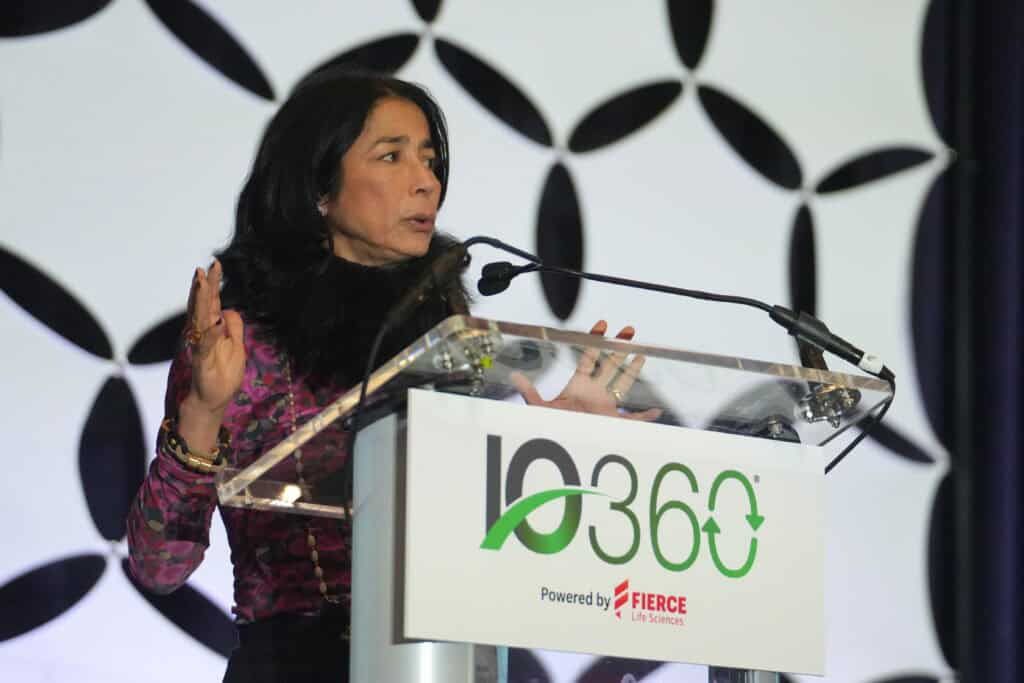
Beyond directly targeting cancer cells or activating T-cells, researchers are increasingly exploring the complex ecosystem surrounding tumors—the tumor microenvironment (TME)—as a crucial therapeutic target. Dr. Miriam Merad from the Icahn School of Medicine at Mount Sinai presented intriguing research into this area. Her team discovered an unexpected ally in the fight against lung cancer: allergy medicine. Tumors are adept at creating an immunosuppressive TME, often by releasing chemical messengers like interleukin-4 (IL-4), which effectively shuts down the immune system’s ability to recognize and destroy cancer cells.
By blocking IL-4 with dupilumab, a monoclonal antibody drug commonly used for allergies and asthma, in combination with immunotherapy, one patient whose lung cancer had become resistant to conventional treatments experienced a dramatic response, with nearly all their tumors vanishing. While highly preliminary and requiring rigorous validation in larger studies, this "n of one" case offers an encouraging signal for drug repurposing and a novel strategy to overcome resistance mechanisms by altering the TME. Dr. Merad also shared pioneering work on engineered immune cells designed to dismantle the protective physical and chemical barriers that tumors construct to hide from immune surveillance. This research, focusing on macrophages and other stromal components of the TME, has shown dramatic success in preclinical models of lung and ovarian cancer, indicating a promising avenue for making ‘cold’ tumors (those not infiltrated by immune cells) more susceptible to existing immunotherapies. "The tumor microenvironment is a formidable fortress that cancer builds to shield itself," Dr. Merad explained. "By understanding its architecture and vulnerabilities, we can develop smart strategies to breach its defenses and unleash the full potential of the immune system."
The Digital Frontier: Artificial Intelligence Accelerates Discovery
The summit also dedicated significant attention to the burgeoning role of artificial intelligence (AI) in accelerating cancer research and drug development. During a lively panel discussion moderated by Dr. Samik Upadhaya, the Cancer Research Institute’s Director of Scientific Affairs, experts from the University of Pennsylvania Perelman School of Medicine and Immunai explored AI’s transformative potential in the realm of cell therapies. The consensus was clear: AI is an incredibly powerful tool for analyzing massive, multi-modal datasets—from genomic and proteomic profiles to imaging data, single-cell sequencing, and vast clinical trial outcomes—to identify promising cancer targets, predict patient responses, and optimize therapeutic strategies with unprecedented speed.
However, the experts emphasized that AI is not on the verge of replacing human scientists. The primary bottleneck isn’t computing power or algorithmic sophistication, but rather the availability of high-quality, standardized, and diverse biological data. "AI is only as good as the data it’s trained on," Dr. Upadhaya highlighted. "Garbage in, garbage out. The challenge isn’t the intelligence of the machine, but the quality and interoperability of the biological datasets we feed it." To address this critical gap, Dr. Upadhaya showcased CRI’s Discovery Engine, a pioneering initiative designed to build a shared, AI-ready biological dataset at the pre-clinical level. This collaborative platform aims to provide researchers across the globe with a common, robust foundation for training their AI models
