
 By Suherman Candra Maholtra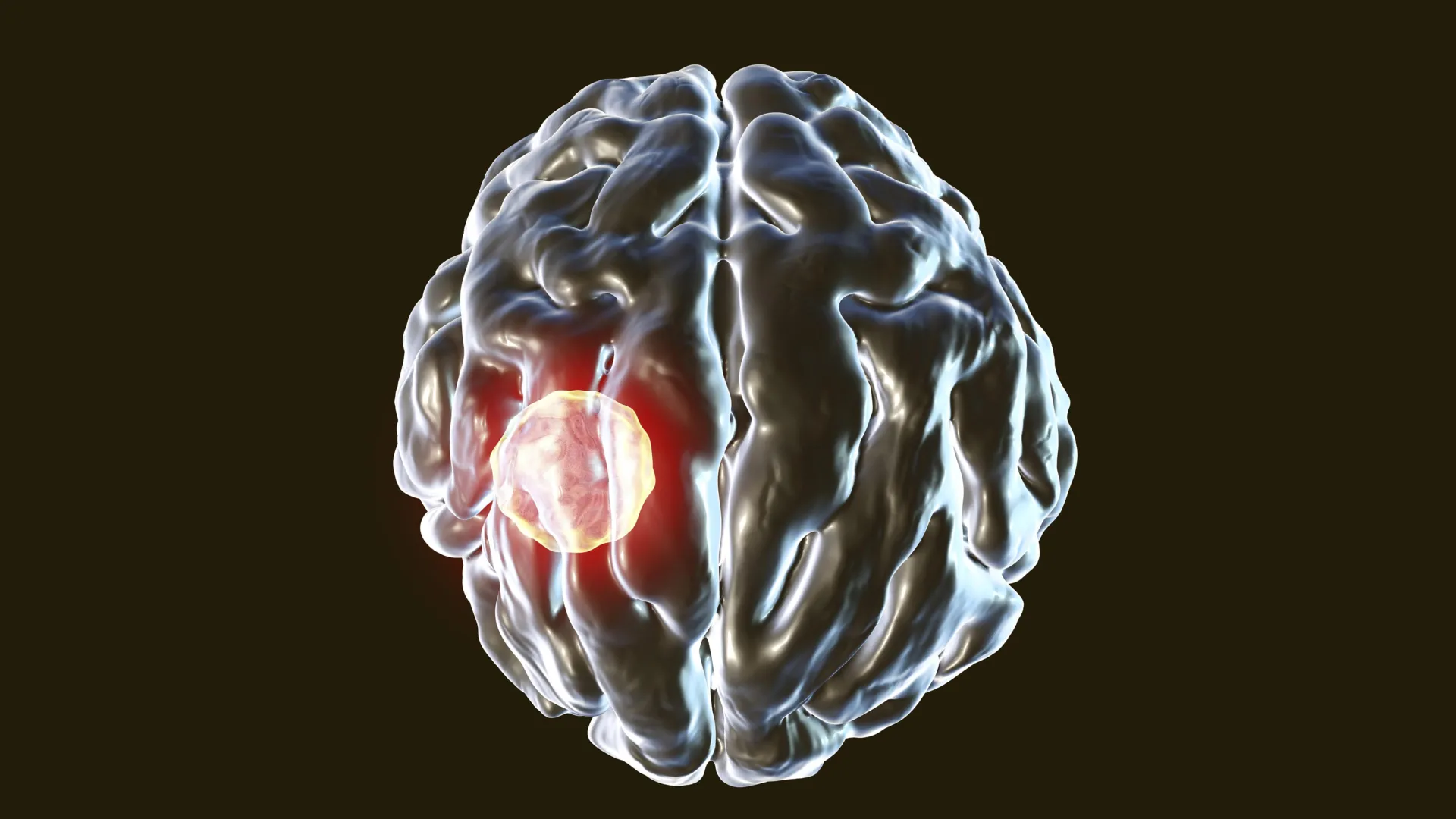
In a groundbreaking study that redefines our understanding of how the human body defends itself against persistent neurological threats, researchers at the University of Virginia (UVA) School of Medicine have identified a critical "self-destruct" mechanism within immune cells that prevents a common parasite from overwhelming the brain. The study, led by Tajie Harris, PhD, and published in the journal Science Advances, focuses on Toxoplasma gondii, a parasite believed to reside in the brains of approximately one-third of the global population. While the parasite often remains dormant, the research reveals that the body’s primary defense force—CD8+ T cells—can themselves become targets of infection, triggering a biological "fail-safe" that protects the host at the cost of the individual immune cell.
The Hidden Threat of Toxoplasma Gondii
Toxoplasma gondii is an obligate intracellular protozoan parasite capable of infecting virtually all warm-blooded animals, including humans. Its lifecycle is uniquely tied to felines, the only definitive hosts in which the parasite can reproduce sexually. However, human exposure is widespread, occurring primarily through the ingestion of undercooked contaminated meat, exposure to infected cat feces, or the consumption of unwashed fruits and vegetables.
Once inside a human host, the parasite enters a rapid replication phase. While the immune system typically mounts a robust response to contain the initial spread, Toxoplasma gondii is notoriously adept at evasion. It eventually transitions into a latent stage, forming cysts within various tissues, most notably the brain and muscular system. For the vast majority of healthy individuals, this chronic infection is asymptomatic, held in check by a vigilant immune system. However, for those with compromised immune systems—such as patients with HIV/AIDS, individuals undergoing chemotherapy, or organ transplant recipients—the parasite can reactivate, leading to toxoplasmosis. This condition can cause severe neurological damage, seizures, blindness, and can be fatal if left untreated.
A Discovery at the BIG Center: The Role of CD8+ T Cells
The research team at UVA’s Center for Brain Immunology and Glia (BIG Center) sought to investigate the specific interactions between the parasite and CD8+ T cells. Often referred to as "killer T cells," these specialized white blood cells are the assassins of the adaptive immune system. Their primary role is to identify and destroy cells that have been hijacked by viruses or parasites.
Conventional immunological wisdom suggested that T cells combat Toxoplasma gondii by secreting signaling proteins (cytokines) like interferon-gamma, which activate other cells to kill the parasite, or by directly lysing infected host cells. However, Dr. Harris and her team uncovered a more complex and perilous dynamic: the T cells themselves are susceptible to infection by the very parasite they are tasked with hunting.
"We know that T cells are really important for combatting Toxoplasma gondii, and we thought we knew all the reasons why," explained Dr. Harris, who serves as the director of the BIG Center. "We found that these very T cells can get infected, and, if they do, they can opt to die. Toxoplasma parasites need to live inside cells, so the host cell dying is game over for the parasite."
Chronology of the Research and Experimental Methodology
The discovery followed a rigorous chronological progression of laboratory experimentation and data analysis. The UVA team began by observing the behavior of CD8+ T cells in the presence of Toxoplasma gondii within controlled environments. They noted a curious phenomenon: a subset of T cells appeared to vanish shortly after encountering the parasite, rather than continuing their surveillance.
To investigate this, the researchers turned to murine models (mice) to simulate the infection’s progression in a living system. They specifically focused on the role of an enzyme known as caspase-8. In the field of molecular biology, caspase-8 is recognized as a "pro-apoptotic" enzyme—a molecular trigger that initiates programmed cell death, or apoptosis.
The timeline of the study involved two distinct groups of mice:
- A Control Group: Mice with fully functional CD8+ T cells producing caspase-8.
- An Experimental Group: Mice genetically engineered to lack caspase-8 specifically within their T cells.
Over several weeks, both groups were exposed to Toxoplasma gondii. While both groups initially mounted a strong immune response, the outcomes diverged sharply as the infection reached the brain.
Supporting Data: The Fatal Absence of Caspase-8
The data gathered from the UVA experiments provided striking evidence of the enzyme’s importance. In the control group, the mice remained largely healthy, with the parasite levels in their brains kept at a manageable, latent level. Their CD8+ T cells successfully used caspase-8 to trigger "cell suicide" upon infection, effectively trapping and neutralizing the parasite before it could replicate and spread further within the brain tissue.
In contrast, the mice lacking caspase-8 in their T cells experienced a catastrophic failure of immune control. Despite having a high number of T cells present, these cells were unable to self-destruct when infected. Instead, the T cells became "Trojan Horses," providing a safe harbor for the parasite to thrive and replicate.
Quantitative analysis of the brain tissue showed:
- Parasite Load: The mice without caspase-8 exhibited significantly higher concentrations of Toxoplasma gondii in the brain compared to the control group.
- Cellular Infection Rates: Microscopic examination revealed that CD8+ T cells in the experimental group were far more likely to be riddled with parasites.
- Mortality Rates: While the control mice survived the chronic phase of the infection, the mice lacking the caspase-8 enzyme became severely ill and ultimately succumbed to the infection.
"Prior to our study, we had no idea that caspase-8 was so important for protecting the brain from Toxoplasma," Dr. Harris noted. The findings suggest that the enzyme acts as a critical checkpoint, ensuring that the immune system’s "soldiers" do not become "breeding grounds" for the enemy.
Institutional Response and Collaborative Efforts
The research was a collaborative effort involving a diverse team from UVA’s Department of Neuroscience and the BIG Center. Co-authors included Lydia A. Sibley, Maureen N. Cowan, Abigail G. Kelly, and several other prominent researchers. The study was supported by extensive funding from the National Institutes of Health (NIH), as well as internal grants from the University of Virginia, including the Shannon Fellowship and the Strategic Investment Fund.
The scientific community has reacted to the findings with significant interest, as the study highlights a rare example of a pathogen successfully infecting T cells. "We scoured the scientific literature to find examples of pathogens infecting T cells. We found very few examples," said Dr. Harris. "Now, we think we know why. Caspase-8 leads to T cell death. The only pathogens that can live in CD8+ T cells have developed ways to mess with caspase-8 function."
This insight places Toxoplasma gondii in a small, elite category of pathogens—including certain strains of HIV and potentially some intracellular bacteria—that have evolved complex mechanisms to bypass the T cell’s internal security systems.
Broader Implications and Future Directions
The implications of this research extend far beyond the study of a single parasite. By identifying the role of caspase-8 in T cell-mediated protection, the UVA team has opened new avenues for therapeutic intervention.
1. Treatment for Immunocompromised Patients
For patients whose immune systems are weakened, the risk of toxoplasmosis is a constant threat. Understanding the molecular pathways that allow T cells to control the infection provides a blueprint for new drugs. If researchers can develop therapies that mimic or enhance the action of caspase-8, they may be able to help vulnerable patients keep the parasite in its dormant state, preventing life-threatening brain inflammation.
2. Insights into Neuro-Immunology
The study reinforces the growing understanding that the brain is not as "immunologically privileged" as once thought. The interaction between T cells and the brain is constant and dynamic. The BIG Center at UVA is at the forefront of this field, exploring how immune responses influence everything from Alzheimer’s disease to multiple sclerosis. The discovery of the caspase-8 "fail-safe" adds a new layer to our knowledge of how the brain maintains homeostasis in the face of chronic infection.
3. Evolutionary Biology of Pathogens
The research provides a fascinating look at the "arms race" between hosts and pathogens. It suggests that Toxoplasma gondii has evolved specifically to exploit the very cells meant to destroy it, while the host has evolved a radical "scorched earth" policy—cell suicide—to counter this exploitation. This discovery may lead to the identification of similar mechanisms in other intracellular infections, such as malaria or tuberculosis.
Conclusion
The work of Dr. Tajie Harris and her team at UVA Health represents a significant milestone in parasitology and immunology. By uncovering the "self-destruct" defense mechanism of CD8+ T cells, they have solved a long-standing mystery of how the body manages a lifelong infection in one of its most sensitive organs. As the global scientific community continues to grapple with the complexities of brain health and infectious disease, the UVA study serves as a reminder of the extraordinary, and sometimes sacrificial, lengths to which the human body will go to preserve its survival. The findings published in Science Advances not only provide clarity on the nature of Toxoplasma gondii but also offer a glimmer of hope for future medical breakthroughs that could protect the most vulnerable among us from the "parasite in the brain."
