
 By Budi Oetomo Narendra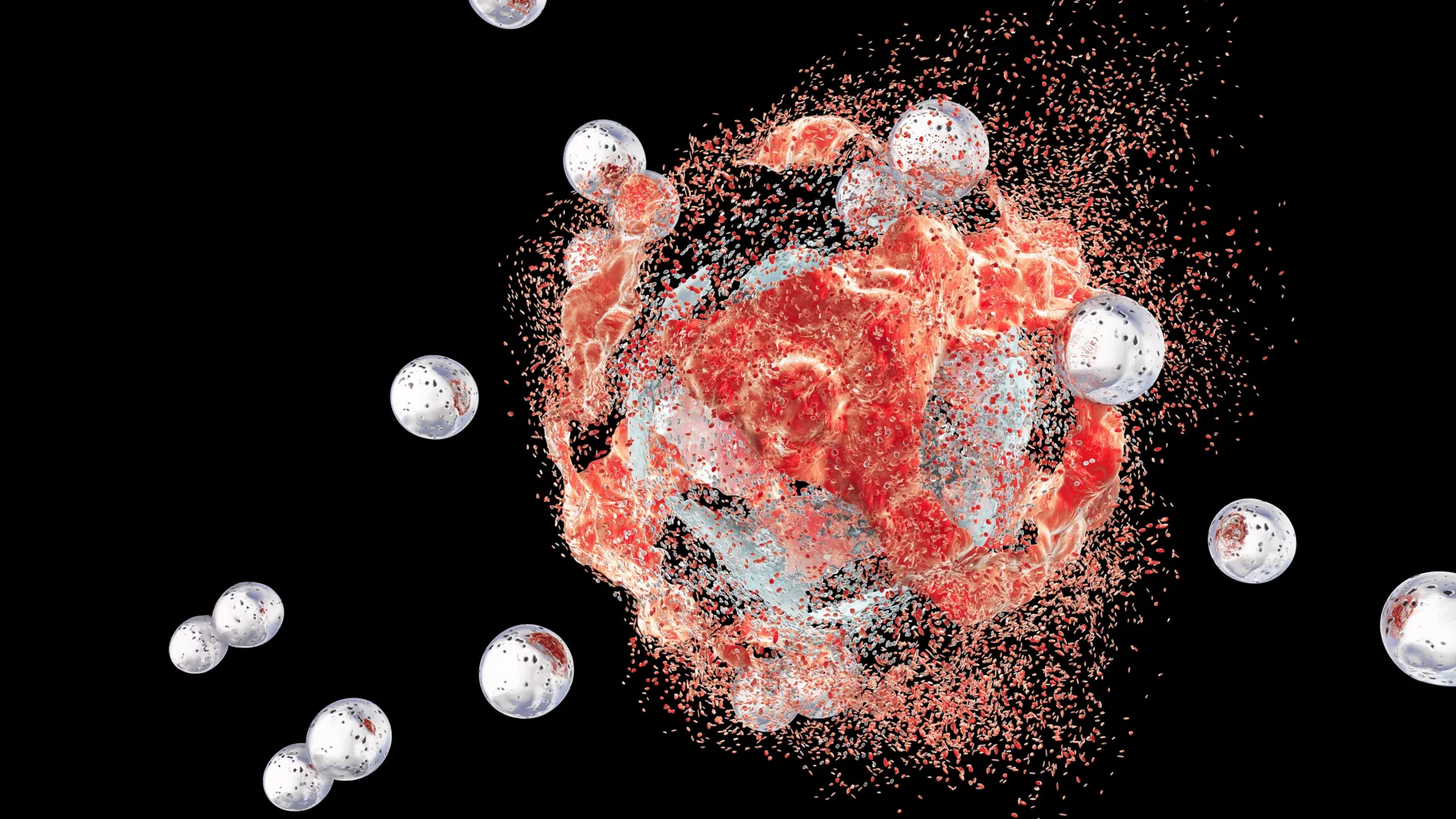
Researchers at Oregon Health & Science University (OHSU) have achieved a significant scientific milestone, developing an experimental molecule named SU212 that holds promise for revolutionizing the treatment landscape for triple-negative breast cancer (TNBC), a particularly aggressive form of the disease with notoriously limited effective therapeutic options. The findings, published in the esteemed journal Cell Reports Medicine, detail how SU212 specifically targets and disrupts the function of enolase 1 (ENO1), an enzyme critically involved in cancer progression and metabolism. This discovery emerges from meticulous experiments conducted using sophisticated humanized mouse models, engineered to closely mimic the complexities of human disease, marking a crucial stride towards new clinical interventions.
Addressing an Unmet Need: The Challenge of Triple-Negative Breast Cancer
Triple-negative breast cancer represents approximately 10-15% of all diagnosed breast cancer cases, yet its impact on patients is disproportionately severe. Unlike other forms of breast cancer, TNBC lacks the three most common receptors that targeted therapies typically exploit: estrogen receptors (ER), progesterone receptors (PR), and human epidermal growth factor receptor 2 (HER2). This absence renders many highly effective hormone therapies and HER2-targeted drugs, such as tamoxifen or trastuzumab, entirely ineffective. Consequently, treatment for TNBC has historically relied heavily on aggressive chemotherapy, surgery, and radiation, often leading to significant side effects and a higher likelihood of recurrence and metastasis compared to other breast cancer subtypes. The prognosis for TNBC patients is generally poorer, with higher mortality rates, especially in the first few years following diagnosis. It disproportionately affects younger women and certain ethnic groups, including African American and Hispanic women, further underscoring the urgent global need for novel and more effective therapeutic strategies.
The development of SU212, therefore, represents a beacon of hope in a field long challenged by a lack of targeted approaches. As Dr. Sanjay V. Malhotra, Ph.D., co-director of the Center for Experimental Therapeutics in the OHSU Knight Cancer Institute and senior author of the study, emphasized, "It’s an important step forward to treat triple-negative breast cancer. Triple-negative breast cancer is an aggressive form of cancer and there are no effective drugs available right now." While recent advancements in immunotherapy (e.g., PD-1 inhibitors like pembrolizumab) and PARP inhibitors (for patients with BRCA mutations) have offered some expanded options for TNBC, a substantial proportion of patients still do not respond to these treatments, highlighting the persistent and critical need for alternative mechanisms of action.
The Scientific Breakthrough: Disrupting Cancer’s Energy Supply
At the heart of SU212’s therapeutic potential lies its unique mechanism of action: directly targeting and inactivating the enzyme enolase 1, or ENO1. Under normal physiological conditions, ENO1 plays a vital role in glycolysis, the metabolic pathway that converts glucose into energy within human cells. However, cancer cells, particularly those of aggressive tumors like TNBC, often exhibit altered metabolic profiles, characterized by an accelerated rate of glycolysis even in the presence of oxygen—a phenomenon known as the Warburg effect. This metabolic reprogramming allows cancer cells to rapidly generate energy and biomass necessary for their uncontrolled proliferation and survival. In many cancers, including TNBC, ENO1 is overexpressed, effectively acting as a metabolic bottleneck, which, if disrupted, can starve the cancer cell of its essential energy supply.
The OHSU team’s research meticulously elucidated how SU212 operates. When the experimental molecule binds to ENO1, it initiates a cascade of events leading to the enzyme’s structural destabilization and subsequent breakdown. This degradation effectively removes ENO1 from the metabolic machinery of the cancer cell, thereby disrupting the critical glucose-to-energy conversion process. The consequences observed in the humanized mouse models were profound: a significant reduction in tumor growth and a marked limitation of metastasis. This dual impact on primary tumor progression and secondary spread is particularly encouraging, as metastasis is often the primary cause of mortality in cancer patients. By interfering with this fundamental metabolic pathway, SU212 essentially starves the aggressive TNBC cells, preventing them from acquiring the energy needed to grow, divide, and invade other tissues.
The use of humanized mouse models was pivotal in this research. These models are engineered to possess human immune cells or other human components, allowing researchers to study disease progression and treatment responses in an environment that more closely mirrors human physiology compared to traditional animal models. This approach significantly enhances the translational potential of the findings, providing a stronger foundation for predicting how SU212 might perform in human clinical trials.
A Chronology of Discovery and Development
The journey of SU212 from a conceptual idea to a promising therapeutic candidate spans several years and institutions, underscoring the collaborative and persistent nature of scientific discovery. Dr. Sanjay V. Malhotra’s initial research into the compound began during his tenure at the National Cancer Institute (NCI) in Bethesda, Maryland. It was here that the foundational understanding of ENO1’s role in cancer and the initial design principles for molecules that could target it were established.
Following his research at the NCI, Dr. Malhotra continued to refine and study SU212 in his laboratory at Stanford University. This period was crucial for advancing the molecule’s preclinical characterization, optimizing its properties, and gathering further evidence of its efficacy and specificity. The culmination of this extensive work saw Dr. Malhotra join OHSU in 2020, bringing with him the accumulated knowledge and the promising molecule, SU212. At OHSU, as the Sheila Edwards-Lienhart Endowed Chair in Cancer Research and a professor of cell, developmental and cancer biology in the OHSU School of Medicine, and crucially, as co-director of the Center for Experimental Therapeutics in the OHSU Knight Cancer Institute, Malhotra found an ideal environment to accelerate the translation of his laboratory discoveries into potential clinical applications. The Center for Experimental Therapeutics at OHSU is specifically dedicated to bridging the gap between basic scientific research and patient care, fostering a multidisciplinary approach to move innovative treatments from the bench to the bedside.
The publication in Cell Reports Medicine represents a significant validation of years of dedicated research, subjecting the findings to rigorous peer review by experts in the field. This publication is a critical step, establishing the scientific credibility and robustness of the data supporting SU212’s potential.
The Path Forward: From Laboratory to Clinic
While the preclinical results for SU212 are exceptionally promising, the journey from a successful laboratory compound to an approved drug available to patients is arduous, resource-intensive, and time-consuming. The immediate next stage involves a comprehensive process of preclinical validation, which includes further toxicity testing and detailed pharmacokinetic and pharmacodynamic studies to fully understand how SU212 is absorbed, distributed, metabolized, and excreted in living systems, and how it interacts with its biological targets. This extensive work is essential for assembling an Investigational New Drug (IND) application, a comprehensive submission to the U.S. Food and Drug Administration (FDA).
Obtaining FDA approval to initiate human clinical trials is a formidable hurdle, demanding meticulous documentation and adherence to stringent regulatory standards. Once an IND is approved, SU212 would then progress to Phase 1 clinical trials. These initial human studies typically involve a small group of healthy volunteers or patients with advanced cancer and are primarily focused on assessing the drug’s safety, determining a safe dosage range, and identifying any potential side effects. If Phase 1 trials demonstrate an acceptable safety profile, subsequent Phase 2 and Phase 3 trials would then evaluate the drug’s efficacy in larger patient populations, compare it against existing treatments, and further monitor long-term safety. This entire process can span many years, often a decade or more, and requires significant financial investment, estimated to be hundreds of millions, if not billions, of dollars for a single new drug.
Dr. Malhotra acknowledged these challenges, stating, "The next stage of development would involve moving the molecule toward human clinical trials. That process requires significant resources to obtain Food and Drug Administration approval and to launch studies involving patients." The OHSU Knight Cancer Institute, known for its commitment to groundbreaking cancer research and translational medicine, is poised to support this endeavor, leveraging its infrastructure and expertise to navigate the complex landscape of drug development.
Broader Implications: A Strategy for Multiple Cancers and Metabolic Links
The potential impact of SU212 extends beyond triple-negative breast cancer. The researchers hypothesize that drugs targeting enolase 1 could offer therapeutic benefits for a spectrum of other cancers where ENO1 overexpression or altered metabolic pathways play a crucial role. Dr. Malhotra specifically highlighted glioma, pancreatic cancer, and thyroid carcinoma as conditions that might be influenced by this enzyme. These cancers are also known for their aggressive nature and metabolic vulnerabilities, suggesting that a similar strategy of disrupting their energy supply could be effective. "A drug that targets enolase 1 could help improve the treatment of these cancers too," he affirmed. This broader applicability could position SU212, or future drugs based on its mechanism, as a foundational therapy across multiple oncology indications.
Furthermore, Dr. Malhotra noted a particularly intriguing aspect of SU212’s mechanism: its relevance for patients who also have metabolic disorders such as diabetes. Diabetes, a chronic disease characterized by high blood sugar levels, involves dysregulation of glucose metabolism, a pathway directly targeted by SU212. While speculative at this stage, this observation opens the door to potential future research exploring whether patients with both TNBC (or other ENO1-driven cancers) and metabolic disorders might be particularly responsive to SU212, or if the drug could have synergistic effects with existing treatments for metabolic conditions. This potential link underscores the growing understanding of the intricate interplay between cancer and systemic metabolic health, offering avenues for personalized medicine approaches.
Institutional Commitment and Funding
The success of such pioneering research is inextricably linked to robust institutional support and diversified funding. OHSU’s commitment to translational science, exemplified by the Knight Cancer Institute and the Center for Experimental Therapeutics, provides the essential environment for discoveries like SU212 to flourish. As Dr. Malhotra succinctly put it, "There is definitely great science going on here, and we want to translate that science for the benefit of people." This ethos drives the institution’s mission to convert laboratory insights into tangible health improvements for patients.
The research itself was made possible through substantial financial backing from a consortium of prestigious organizations. Key support came from the National Cancer Institute (NCI), the National Institute of Aging (NIA), and the National Heart, Lung and Blood Institute (NHLBI), all components of the National Institutes of Health (NIH), under various award numbers. Additional critical funding was provided by the Department of Defense (DoD), underscoring the broad national interest in combating aggressive diseases like TNBC. Further support was garnered from internal sources at OHSU, including the Knight Cancer Institute and the Biomedical Innovation Program, which are specifically designed to nurture early-stage, high-potential research. Finally, the Sheila Edwards-Lienhart endowment funds played a vital role, demonstrating the impact of philanthropic contributions in advancing cutting-edge medical research. This multi-faceted funding model highlights the collaborative effort required from both public and private sectors to drive medical innovation.
Looking Ahead: Hope for a New Era in Cancer Therapy
The discovery of SU212 represents a significant scientific advancement in the relentless fight against cancer. For patients battling triple-negative breast cancer, it offers a tangible reason for hope, signaling a potential shift from limited, broad-spectrum treatments to a more targeted, mechanism-based approach. While the road to clinical availability is long and fraught with challenges, the robust preclinical data, combined with a clear understanding of the molecule’s action against a critical cancer pathway, positions SU212 as a leading candidate for future drug development. If successful in human trials, SU212 could not only transform the treatment paradigm for TNBC but also pave the way for a new class of anti-cancer drugs targeting metabolic vulnerabilities across various aggressive malignancies, ushering in a new era of precision oncology.
