
 By George Ongkojoyo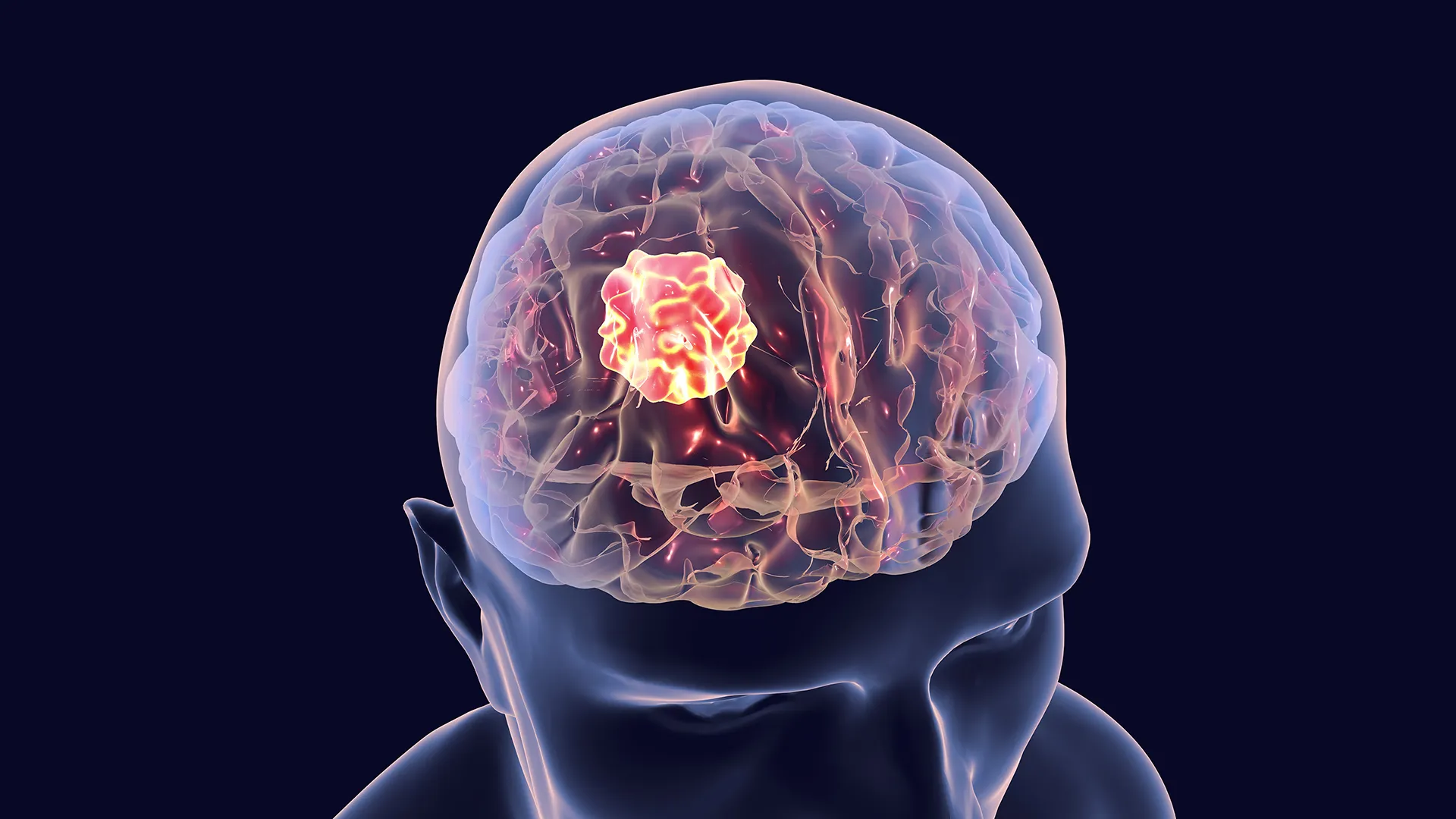
A landmark study led by researchers at Keck Medicine of USC has identified a potentially transformative combination therapy for glioblastoma, an aggressive and typically terminal form of brain cancer that has long defied conventional medical interventions. The research, published in a leading clinical journal, suggests that integrating Tumor Treating Fields (TTFields) with immunotherapy and chemotherapy can significantly extend the life expectancy of patients. For a patient population where the average survival rate has historically plateaued at roughly eight months following diagnosis, according to the National Brain Tumor Society, these findings represent a critical shift in the neuro-oncological landscape.
The study centers on the synergy between three distinct modalities: TTFields (marketed as Optune), the immunotherapy drug pembrolizumab (Keytruda), and the standard-of-care chemotherapy temozolomide. By utilizing this triple-threat approach, researchers observed a 70% increase in overall survival compared to historical benchmarks. Perhaps most surprisingly, the data indicated that patients with larger, inoperable tumors—traditionally the group with the poorest prognosis—demonstrated the most robust immune response and the greatest gains in longevity.
Understanding Glioblastoma and the Therapeutic Challenge
Glioblastoma multiforme (GBM) is the most common and malignant primary brain tumor in adults. It is characterized by rapid cellular proliferation, extensive infiltration into healthy brain tissue, and a high rate of recurrence. For decades, the "Stupp Protocol"—a combination of surgical resection followed by radiation and temozolomide chemotherapy—has remained the global standard of care. Despite these aggressive measures, the median survival for newly diagnosed patients remains low, and the five-year survival rate is less than 10%.
The primary obstacle in treating glioblastoma is the brain’s unique physiological environment. The blood-brain barrier (BBB), a highly selective semipermeable border of endothelial cells, protects the brain from toxins and pathogens but also prevents many systemic chemotherapies and immunotherapies from reaching the tumor. Furthermore, glioblastomas are known as "cold" tumors, meaning they create an immunosuppressive microenvironment that effectively hides cancer cells from the body’s immune system, rendering treatments like checkpoint inhibitors largely ineffective when used in isolation.
The Mechanism of Tumor Treating Fields (TTFields)
TTFields represent a non-invasive, regional treatment modality that utilizes low-intensity, alternating electric fields. Delivered through a wearable device consisting of mesh electrodes placed on a patient’s shaved scalp, these fields are tuned to a specific frequency (200 kHz for glioblastoma) that disrupts the division of cancer cells.
During mitosis, or cell division, key proteins called tubulin and septin are highly polar. The alternating electric fields exert physical force on these proteins, preventing them from aligning correctly to form the mitotic spindle. This interference leads to mitotic catastrophe, causing the tumor cells to either die or stop replicating. Unlike systemic chemotherapy, TTFields are localized and do not typically cause the systemic toxicity associated with traditional cancer drugs.
Beyond direct cell death, the Keck Medicine study highlights a secondary, perhaps more vital, function of TTFields: their ability to "prime" the immune system. The physical disruption of the tumor cells causes them to release "danger signals" and tumor-associated antigens. This process essentially alerts the immune system to the presence of the cancer, recruiting tumor-fighting T cells—white blood cells responsible for attacking foreign or mutated cells—into the tumor microenvironment.
The Role of Immunotherapy Synergy: In Situ Immunization
The inclusion of pembrolizumab, an immune checkpoint inhibitor (ICI), is the second pillar of this new strategy. Pembrolizumab works by blocking the PD-1 pathway, which cancer cells often hijack to "turn off" T cells. By inhibiting this pathway, the drug allows the immune system to maintain a sustained attack on the tumor.
However, as David Tran, MD, PhD, chief of neuro-oncology with Keck Medicine and co-director of the USC Brain Tumor Center, noted, immunotherapy requires a "target" to be effective. In the case of glioblastoma, there are often too few T cells present in the tumor for the drug to act upon. This is where the synergy with TTFields becomes revolutionary.
"By using TTFields with immunotherapy, we prime the body to mount an attack on the cancer, which enables the immunotherapy to have a meaningful effect in ways that it could not before," Dr. Tran explained. He characterized the approach as "in situ immunization," where the treatment transforms the patient’s own tumor into a sort of internal vaccine. By killing tumor cells in a way that attracts T cells, TTFields provide the "offense" (the targets), while the immunotherapy ensures those T cells remain active and potent.
Analysis of Clinical Trial Data: The 2-THE-TOP Phase 2 Results
The research findings are based on the 2-THE-TOP trial, a Phase 2 clinical study that enrolled 31 patients with newly diagnosed glioblastoma. All participants had completed initial chemoradiation therapy. Out of the cohort, 26 patients received the combination of TTFields, pembrolizumab, and temozolomide.
The treatment regimen was intensive. Patients wore the TTFields electrodes for at least 18 hours a day for up to 24 months. Chemotherapy was administered in monthly cycles, while the immunotherapy was delivered intravenously every three weeks.
The results were statistically significant:
- Extended Survival: Patients receiving the triple combination lived an average of 10 months longer than those who used TTFields and chemotherapy alone in previous historical trials.
- Inoperable Tumor Success: Seven patients in the study had tumors that could not be surgically removed due to their location in critical areas of the brain. In a traditional setting, these patients would have the worst outcomes. However, this subgroup lived approximately 13 months longer than historical averages for inoperable cases.
- Immune Activation: Laboratory analysis showed that the combination therapy led to a higher density of T cells within the tumor and a more diverse "repertoire" of immune cells, suggesting the body was learning to fight multiple different mutations within the same tumor.
The Paradox of the Unresected Tumor
One of the most compelling findings of the study was that patients with larger, unresected tumors showed a stronger immune response. In oncology, the goal is almost always to remove as much of the tumor as possible (gross total resection). However, Dr. Tran’s team found that leaving the tumor mass in place—when surgery is too risky—might actually provide a larger "antigenic load."
In simpler terms, because there is more tumor tissue for the TTFields to disrupt, there is a greater release of signals for the immune system to detect. This creates a more robust "training ground" for T cells. While surgery remains a cornerstone of treatment for most, this finding offers a new paradigm of hope for those whose tumors are deemed inoperable.
"Our findings suggest that TTFields may be the key to unlocking the value of immunotherapy in treating glioblastoma," said Dr. Tran. "Further studies are needed to determine the optimal role of surgery in this setting, but these findings may offer hope, particularly for glioblastoma patients who do not have surgery as an option."
Chronology of TTFields Development and Regulatory Pathway
The journey of TTFields from a theoretical concept to a standard treatment has spanned over two decades.
- Early 2000s: The technology was developed by Yoram Palti, MD, PhD, professor emeritus of physiology and biophysics at the Technion – Israel Institute of Technology.
- 2011: The FDA approved TTFields (Optune) for the treatment of recurrent glioblastoma based on the EF-11 trial.
- 2015: The FDA expanded approval to include newly diagnosed glioblastoma after the EF-14 trial showed that adding TTFields to temozolomide improved five-year survival rates from 5% to 13%.
- 2019-2023: Researchers began exploring combination therapies, leading to the Phase 2 2-THE-TOP trial conducted at institutions like Keck Medicine of USC and the University of Florida.
- Present: The success of the Phase 2 trial has paved the way for a global Phase 3 trial.
Broader Impact and Future Directions
The implications of this study extend beyond the immediate results. If validated in larger trials, the combination of TTFields and immunotherapy could redefine the treatment algorithm for glioblastoma, moving it from a "palliative" mindset to one focused on long-term management and potential remission.
Keck Medicine is currently participating in a multicenter Phase 3 clinical trial, known as TRIDENT, to validate these findings on a larger scale. Dr. Tran serves as the chair of the steering committee for this trial, which aims to enroll over 740 patients at 28 sites across the United States, Europe, and Israel. This study will specifically look at the timing of TTFields—initiating the therapy earlier, alongside radiation, rather than after—to see if earlier intervention further boosts the immune system’s efficacy.
Furthermore, the success of TTFields in brain cancer has sparked interest in its application for other "hard-to-treat" solid tumors. Clinical trials are currently underway for lung, pancreatic, and ovarian cancers, where the same principles of mitotic disruption and immune priming may apply.
Institutional Support and Ethical Considerations
The study was supported by a grant from Novocure, the manufacturer of the Optune device. Several authors, including Dr. Tran, have disclosed professional relationships with the company, a common occurrence in high-level translational research. The Keck School of Medicine of USC, along with collaborators from the University of Florida, emphasized that the data was subjected to rigorous peer review to ensure the objectivity of the findings.
As the Phase 3 trial progresses through 2029, the medical community remains cautiously optimistic. For the thousands of families affected by glioblastoma annually, the prospect of a therapy that turns a "cold" tumor "hot" and leverages the body’s own defenses represents the most significant breakthrough in neuro-oncology in a generation. The shift from treating the tumor as an isolated mass to treating it as a component of a dynamic immune system may finally provide the "good offense" needed to defeat this devastating disease.
