
 By admin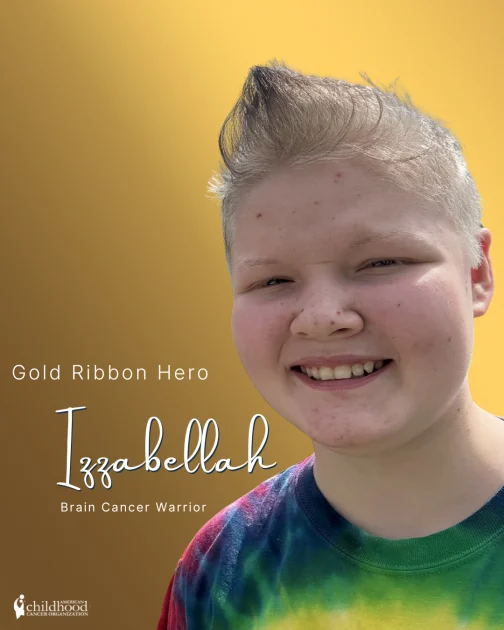
The diagnostic journey for pediatric brain cancer often begins with subtle, seemingly routine symptoms that mask a much more complex medical reality, a trajectory exemplified by the experience of Izzabellah “Bellah” and her family. For four consecutive months, Bellah reported persistent and worsening headaches, a common symptom that can often be misattributed to stress, vision issues, or minor ailments in school-aged children. However, the progression of these symptoms eventually necessitated a Magnetic Resonance Imaging (MRI) scan, a pivotal moment that shifted her life from that of a typical student to a pediatric oncology patient. The subsequent findings revealed a critical situation that required immediate intervention, leading to a rapid transfer to Riley Children’s Hospital, a nationally recognized leader in pediatric care. This case highlights the clinical challenges of neuro-oncology, the grueling nature of long-term treatment protocols, and the profound psychosocial impact of chronic illness on adolescent development.
The Diagnostic Phase and Acute Intervention
The transition from symptom onset to emergency intervention was marked by a sense of clinical urgency. Upon reviewing the initial MRI results, medical professionals identified anomalies that required specialized neurosurgical expertise. Natalie, Bellah’s mother, recounted the immediate shift in the family’s reality, noting that the gravity of the situation was apparent the moment the results were processed. Within an hour of the scan, the family was directed to a regional hospital, which served as a staging ground before she was moved to Riley Children’s Hospital.
Riley Children’s Hospital, located in Indianapolis, is equipped with the multidisciplinary teams necessary to manage complex brain tumors. For Bellah, the first step in a long road to recovery was the surgical resection of the primary tumor. While the initial surgery was successful in removing the visible mass, subsequent monitoring and diagnostic imaging revealed a more complicated prognosis. The discovery of additional tumors necessitated a transition from a purely surgical approach to a comprehensive oncological treatment plan involving systemic therapy.
A Comprehensive Treatment Chronology
The medical management of pediatric brain tumors is rarely a singular event but rather a multi-year odyssey of varying modalities. Following her initial surgery, Bellah began a rigorous 13-month regimen of oral chemotherapy. Unlike traditional intravenous chemotherapy, oral chemotherapy allows for some degree of home-based care but requires strict adherence and carries its own set of debilitating side effects, including nausea, fatigue, and immunosuppression.
The complexity of Bellah’s condition was further underscored when the medical team determined that a second brain surgery was required. Repeat craniotomies carry cumulative risks, including potential impacts on cognitive function, motor skills, and sensory processing. Following the second surgical intervention, the treatment plan escalated to include eight weeks of targeted radiation therapy. Radiation in pediatric patients is a delicate balance; while effective at destroying malignant cells, it must be carefully calibrated to minimize damage to the developing brain tissue.
Following the conclusion of the radiation cycle, Bellah returned to chemotherapy to ensure the suppression of any remaining microscopic disease. This cyclical nature of treatment—moving from surgery to systemic therapy, then back to surgery and localized radiation—is characteristic of the "warrior" experience described by many families within the American Childhood Cancer Organization (ACCO) community.
Pediatric Brain Cancer Data and Clinical Context
Bellah’s story is situated within a broader national health crisis regarding pediatric cancer. According to data from the National Cancer Institute (NCI) and the ACCO, brain and other central nervous system (CNS) tumors are the most common form of solid tumors in children, accounting for approximately 20 percent of all pediatric cancers. Furthermore, brain tumors have surpassed leukemia as the leading cause of cancer-related death among children and adolescents under the age of 19.
The clinical reality for patients like Bellah is often complicated by "late effects." Research indicates that 60 to 90 percent of childhood cancer survivors develop at least one chronic health condition as a result of their treatment. These can include endocrine disorders, hearing loss, cognitive delays, and secondary malignancies. The involvement of "many new specialists" in Bellah’s care reflects this multidisciplinary necessity, as neurologists, endocrinologists, and rehabilitation therapists work in concert to manage the collateral damage of life-saving treatments.
Despite the high stakes, pediatric cancer research remains significantly underfunded compared to adult cancers. Currently, only about 4 percent of federal funding for cancer research is directed specifically toward pediatric applications. This gap places a heavy burden on private organizations and advocacy groups to fund the development of less toxic and more effective therapies.
The Psychosocial Impact and Adolescent Isolation
Beyond the physical toll of chemotherapy and radiation, the psychosocial challenges of pediatric cancer are profound. For an adolescent, the social environment of school and peer groups is vital for identity formation. Bellah’s journey involved the difficult experience of losing friends and missing out on significant social milestones.
Clinical studies on pediatric oncology patients frequently highlight the "social toxicity" of the disease. Prolonged hospitalizations and the physical changes associated with treatment (such as hair loss or weight fluctuations) can lead to social withdrawal or peer alienation. In Bellah’s case, the loss of social connections was a significant hurdle, yet it also became a catalyst for her advocacy.
To reclaim her narrative, Bellah turned to digital media, creating short videos and blogs to document her experiences. This form of "digital storytelling" has been recognized by mental health professionals as a powerful tool for adolescent patients to process trauma, maintain a sense of agency, and build a community of support that transcends the physical limitations of a hospital room. By sharing her journey, Bellah shifted from being a passive recipient of care to an active advocate for others facing similar diagnoses.
Current Status and Vocational Resilience
Today, Bellah’s life represents a triumph of resilience over the constraints of chronic illness. While continuing her education, she has also entered the workforce as an activity aide at a local nursing facility. This career choice is particularly poignant, as it involves providing the same type of emotional and social support that she required during the peak of her treatment.
Her ability to balance the rigors of school with the demands of a healthcare-related job demonstrates a high level of functional recovery. For many survivors, the transition back to "normalcy" is a slow process of reintegrating into a world that moved forward while they were in treatment. Bellah’s engagement with the elderly in a nursing facility environment suggests a profound level of empathy, likely forged through her own extensive interactions with the healthcare system.
Broader Implications and the Call for Support
The narrative of Izzabellah Bellah serves as a stark reminder of the ongoing need for increased awareness and resources in the field of pediatric oncology. Her case illustrates that "beating" cancer is not merely about the absence of disease, but about the endurance required to survive the cure. The medical community continues to advocate for more targeted therapies that can reduce the need for invasive surgeries and high-dose radiation in developing children.
Organizations like the American Childhood Cancer Organization emphasize that "kids can’t fight cancer alone." This mantra reflects the reality that a pediatric patient requires a massive infrastructure of support: skilled surgeons at institutions like Riley Children’s, dedicated researchers developing new protocols, and a community of donors who fund the non-medical needs of families in crisis.
As Bellah continues to navigate her post-treatment life, her story remains a cornerstone of the advocacy movement. It highlights the necessity of early detection, the bravery required to face repetitive and painful treatments, and the importance of maintaining hope. The implications of her journey reach far beyond her individual recovery; they inform the way society views pediatric illness and the level of support we are willing to provide to the youngest members of the population as they face their greatest challenges. Through her ongoing work and education, Bellah stands as a testament to the possibility of a productive, meaningful life following a diagnosis that once seemed insurmountable.
