
 By admin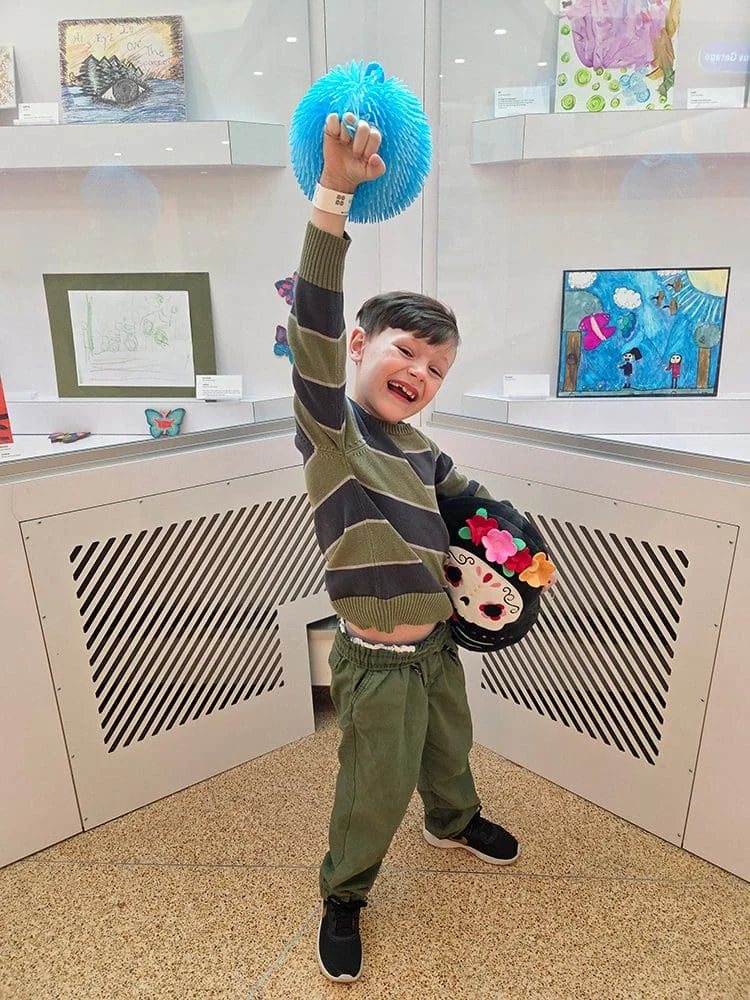
In observance of Cancer Survivors Month this June, a national advocacy initiative has launched a targeted fundraising campaign to secure $37,500 by the end of the month, a figure specifically designated to fund a Young Investigator’s research efforts for six months. The campaign underscores a critical gap in pediatric oncology: the need for innovative, less toxic treatments that allow children not only to survive their diagnosis but to lead healthy, functional lives thereafter. Central to this mission is the story of Elias, a young survivor whose experience with a rare form of leukemia highlights the transformative potential of clinical trials and the urgent requirement for continued investment in early-career researchers.
Pediatric cancer remains the leading cause of death by disease among children in the United States. While overall survival rates have improved significantly over the last several decades, the quality of life for survivors often remains compromised by the "late effects" of traditional treatments, which include high-dose chemotherapy and radiation. The current fundraising drive seeks to address this by supporting "bold, innovative research" aimed at discovering therapies that target cancer cells more precisely while sparing developing organs.
The Diagnostic Crisis: A Case Study in Acute Megakaryoblastic Leukemia
The narrative of pediatric cancer often begins with subtle, easily overlooked symptoms that rapidly escalate into medical emergencies. For Elias, the journey began at the age of three when his mother, Brittany, noticed an unusual prevalence of bruising on his limbs. These were not the typical abrasions associated with toddlerhood; rather, they were extensive hematomas resulting from minor contact. Following a consultation with a pediatrician and subsequent blood work, the family was directed to a specialized children’s hospital with extreme urgency.
Clinical evaluation confirmed a diagnosis of Acute Megakaryoblastic Leukemia (AMKL). AMKL is a rare and frequently aggressive subtype of Acute Myeloid Leukemia (AML), classified as the M7 subtype under the French-American-British (FAB) system. It is characterized by the malignant proliferation of megakaryoblasts—the precursor cells to platelets. While AMKL is more common in children with Down syndrome, where it often carries a favorable prognosis, it also occurs in non-Down syndrome children, in whom it is historically more difficult to treat and associated with a higher risk of relapse.
Elias’s treatment protocol commenced within a week of his diagnosis. In a move that his family credits with his current health status, he was enrolled in a clinical trial testing a new therapeutic approach for AML. This trial was specifically designed to evaluate a regimen that might offer comparable efficacy to standard care but with a significant reduction in long-term cardiotoxicity and other debilitating side effects.
The Clinical Journey and the Realities of Inpatient Care
The reality of treating aggressive pediatric leukemia often involves prolonged hospitalization. Elias and his mother spent eight consecutive months within the confines of the oncology ward. This extended stay was necessitated by the intensity of the chemotherapy, which effectively obliterated his immune system (a state known as profound neutropenia), making the outside world a lethal environment for a child with no defenses against common pathogens.
During this period, Elias suffered from severe mucositis—a common but excruciating side effect of intensive chemotherapy where the mucosal lining of the gastrointestinal tract breaks down, leading to ulcers from the mouth to the colon. The pain was so significant that clinical intervention with morphine was required to allow the child to rest. The psychological and emotional burden on the family was further exacerbated by the global COVID-19 pandemic, which resulted in strict hospital protocols that prohibited visitors, isolating patients and their primary caregivers from their broader support networks.
Despite these clinical hurdles, the hospital environment became a theater for resilience. Elias earned the moniker "The Mayor of 9B" for his habit of traversing the oncology floor with his intravenous pole, encouraging other pediatric patients to leave their rooms and engage in play. This social integration is noted by child life specialists as a vital component of pediatric recovery, helping to mitigate the trauma of long-term hospitalization. His interactions extended to the hospital staff, where he participated in routine activities with maintenance and delivery teams, culminating in a ceremonial departure from the facility on a hospital floor scrubber—a "zamboni"—upon his discharge.
The Importance of Survivorship Programs and Long-Term Monitoring
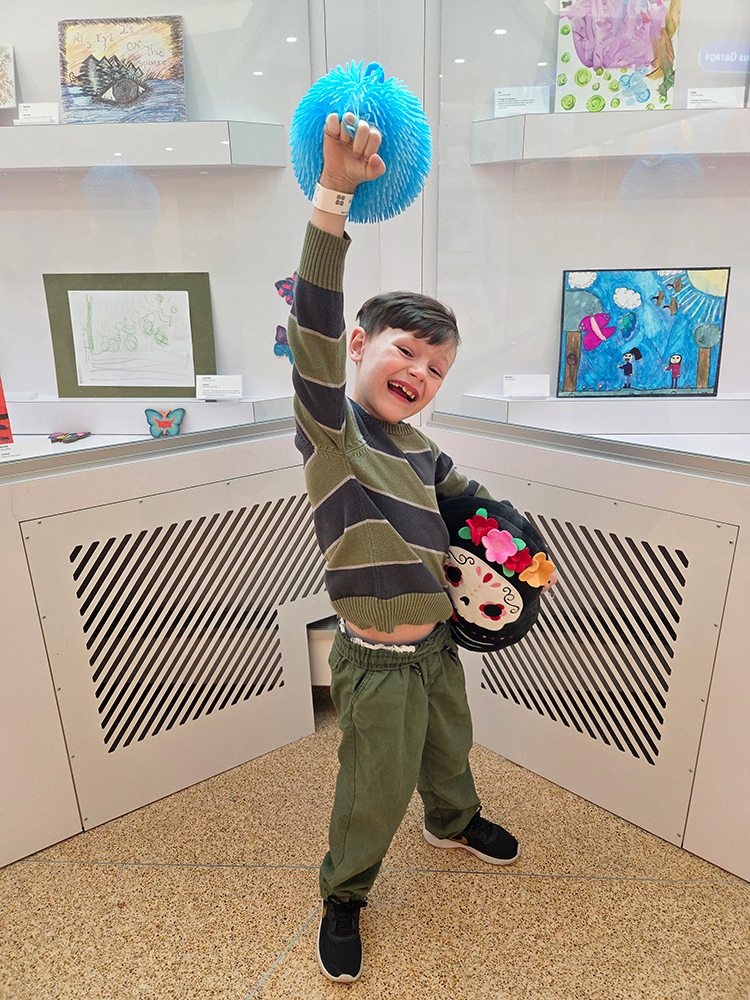
On April 21, 2025, Elias reached a significant clinical milestone by officially entering a survivorship program. As he prepares to celebrate his eighth birthday, medical evaluations indicate that his cardiac function remains optimal—a primary concern for patients who undergo intensive AML treatments, as many chemotherapeutic agents, such as anthracyclines, are known to cause permanent heart damage.
Survivorship programs are a specialized branch of oncology that focuses on the long-term health of individuals who have completed active treatment. According to the Children’s Oncology Group (COG), more than 80% of children diagnosed with cancer will survive five years or more. However, approximately two-thirds of these survivors will experience at least one chronic health condition as a result of their treatment, and one-third will face a "late effect" that is severe or life-threatening. These can include:
- Secondary Malignancies: A higher risk of developing a different type of cancer later in life.
- Organ Dysfunction: Damage to the heart, lungs, kidneys, or liver.
- Endocrine Issues: Growth hormone deficiencies, thyroid issues, or infertility.
- Neurocognitive Impairment: Difficulties with memory, processing speed, and executive function, particularly in children who received treatment involving the central nervous system.
The success of Elias’s transition to survivorship highlights the efficacy of the clinical trial he participated in. By funding research that prioritizes "smarter" medicine, organizations aim to increase the number of survivors who enter these programs without the burden of permanent physical disability.
The Role of Young Investigators in Pediatric Innovation
The $37,500 fundraising goal is specifically earmarked for "Young Investigators." In the hierarchy of medical research, Young Investigators are typically early-career scientists—often at the post-doctoral or junior faculty level—who bring fresh perspectives and innovative methodologies to the field.
The funding landscape for pediatric cancer is notoriously difficult. In the United States, only about 4% of the National Cancer Institute’s (NCI) federal budget is dedicated specifically to pediatric cancer research. This "funding gap" means that many promising avenues of study are never explored. Private philanthropy plays a disproportionate role in bridging this gap, particularly for rare subtypes like AMKL that may not receive the same level of industry attention as adult cancers with larger "markets."
By supporting Young Investigators, the campaign aims to:
- Seed Innovation: Provide the initial data necessary for researchers to apply for larger federal grants.
- Retain Talent: Ensure that the brightest minds in oncology remain in the pediatric field rather than moving to adult oncology or private industry due to a lack of funding.
- Accelerate Trials: Speed up the pipeline from laboratory discovery to bedside application.
Analysis of Implications: The Shift Toward Precision Oncology
The narrative of Elias’s survival is indicative of a broader shift in the field of pediatric oncology toward precision medicine. Historically, cancer treatment was a "one-size-fits-all" approach consisting of surgery, radiation, and heavy-duty chemotherapy. The modern era is moving toward identifying the specific genetic mutations driving a tumor and using targeted therapies to disrupt those pathways.
In the case of AML and AMKL, researchers are investigating the molecular landscape of the disease to understand why certain children respond to treatment while others do not. The goal of the research funded by this campaign is to ensure that the "better" treatment Elias received—the clinical trial—becomes the standard of care for every child.
Furthermore, the emphasis on Cancer Survivors Month serves as a reminder that "cure" is not the final step. The medical community is increasingly focused on "total cure," which includes physical health, mental well-being, and social integration. Elias’s aspirations to become an engineer or a nurse demonstrate the potential of survivors when they are given the chance to recover without the weight of debilitating side effects.
Conclusion and Call to Action
As the June deadline approaches, the push to raise $37,500 represents more than just a financial target; it is a commitment to the next generation of medical breakthroughs. The story of Elias, from a three-year-old covered in bruises to an active seven-year-old entering a survivorship program, serves as a proof of concept for the power of directed research.
The organization leading the charge emphasizes that every donation contributes to a six-month window of discovery for a researcher who could potentially unlock the next major advancement in pediatric leukemia treatment. For families like Elias’s, these advancements are the difference between a life of chronic illness and a future defined by potential.
The campaign continues through June 30, urging the public to honor the resilience of survivors by investing in the science that makes their survival possible. In a field where federal funding often falls short, the burden of progress rests heavily on such grassroots initiatives, ensuring that the "Mayor of 9B" is not an exception, but a standard for what pediatric cancer recovery can and should look like.
