
 By admin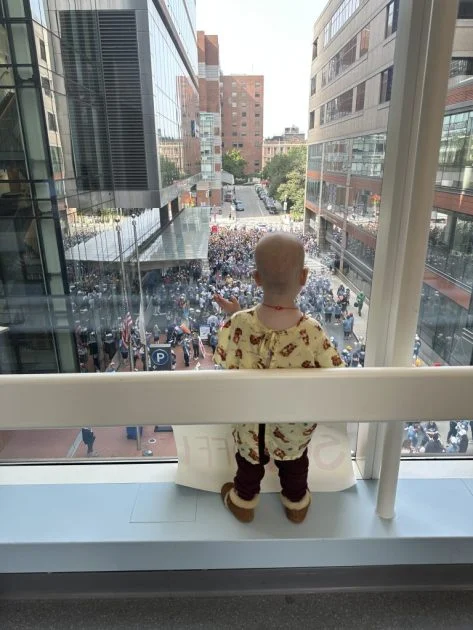
The landscape of pediatric oncology has shifted significantly over the past several decades, moving from a focus on acute crisis management to the navigation of long-term, chronic treatment protocols. For families facing a diagnosis such as Acute Lymphoblastic Leukemia (ALL), the journey is characterized not by a brief medical intervention but by a multi-year marathon of clinical care. This paradigm shift necessitates a robust framework for "normalizing the abnormal," a process designed to mitigate the psychological trauma associated with prolonged medical exposure. According to data from the American Cancer Society, while survival rates for childhood cancers have risen to over 85%, the intensity and duration of the treatment—often lasting between two and three years—present a secondary crisis of mental health and social stability for the patient and their caregivers.
The Clinical Reality of Long-Term Oncology Care
The duration of pediatric cancer treatment is often a source of significant distress for families. In the case of ALL, the most common childhood cancer, the standard of care involves several distinct phases: induction, consolidation, and a lengthy maintenance phase. While the initial induction phase is intended to achieve clinical remission quickly, the subsequent years of treatment are vital for eradicating residual microscopic disease and preventing relapse.
This extended timeline creates a fundamental conflict between the desire for a "return to normal" and the reality of ongoing medical surveillance. Experts in pediatric psychology suggest that the pursuit of a pre-diagnosis "normal" can be counterproductive. Instead, clinical advocates, including Laura DeKraker Lang-Ree, author of The Cancer Parent’s Handbook, suggest that families must establish a "New Normal." This involves integrating medical requirements into the fabric of daily life rather than treating them as external disruptions. This transition is supported by the concept of "Acceptance and Surrender," a psychological strategy where caregivers stop rebelling against the diagnosis and instead allocate their cognitive bandwidth toward creative problem-solving and routine stabilization.
Redefining Patient Identity: "In Treatment" vs. "Sick"
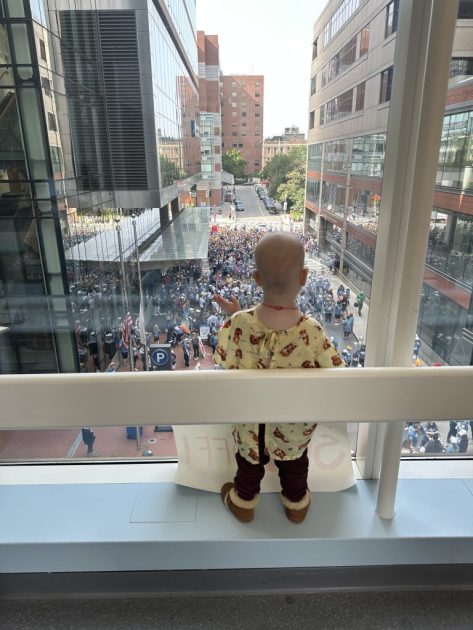
A critical component of psychological adjustment in pediatric oncology is the language used to describe the patient’s status. There is a profound distinction between a child being "sick" and a child being "in treatment." From a mental health perspective, labeling a child as "sick" can lead to a marginalized social identity and a sense of fragility that may not align with their clinical status.
Dr. Lori Wiener, a pediatric psychologist at the National Cancer Institute, emphasizes that children often look and feel well during long-term maintenance phases, even while receiving intensive chemotherapy. Recognizing that these children are living with a chronic but treatable condition supports their social identity and psychological development. By establishing boundaries with medical teams, educators, and social circles regarding this terminology, parents can protect their child’s self-perception. This linguistic shift helps peers and adults view the child through the lens of resilience rather than infirmity.
Strategic Boundary Setting and Social Management
The social environment surrounding a cancer-stricken family is often filled with well-meaning but occasionally overwhelming support. Effective management of this support is essential for maintaining a functional household. "Decision fatigue" is a documented phenomenon among oncology parents, who must navigate complex medical choices while managing daily logistics.
To combat this, advocates recommend the implementation of specific boundaries. This includes moving beyond general offers of help to specific directives. For example, instead of accepting generic assistance, parents are encouraged to request specific tasks, such as child care for siblings or grocery procurement, while politely declining redundant gestures like excessive meal deliveries. Establishing these boundaries early allows the family to reclaim a sense of agency, which is often stripped away by the unpredictability of a cancer diagnosis.
Normalizing Clinical Procedures Through Behavioral Integration
One of the most significant challenges in long-term treatment is the "daily grind" of medical procedures, including oral medications, injections, and laboratory work. For a child, the repetitive nature of these interventions can lead to cumulative trauma and behavioral resistance.
Journalistic analysis of successful home-care models indicates that "normalizing" these procedures through routine and empowerment can eliminate the cycle of fear and tantrums. In one documented case study, a toddler undergoing three years of ALL treatment transitioned from hospital-based injections to home-administered care. By involving the child in the decision-making process—allowing them to choose the location, the "reward" (such as a specific snack or activity), and the timing—the medical event was transformed into a predictable family ritual.
Furthermore, the integration of breathwork and mindfulness techniques has shown clinical efficacy in pediatric pain management. By teaching children "whale breaths" or other focused breathing exercises, caregivers provide them with a tool for self-regulation during invasive procedures like IV insertions or blood draws. This shift from passive recipient to active participant is a cornerstone of pediatric resilience.
Environmental Controls and the "Safe Space" Concept
Maintaining the health of a pediatric oncology patient requires meticulous environmental management, particularly when the child’s Absolute Neutrophil Count (ANC) is low. A low ANC renders the patient "neutropenic," meaning their immune system is severely compromised and unable to fight off common infections.

To mitigate this risk, families often adopt stringent household protocols that serve a dual purpose: infection control and psychological empowerment. These protocols include:
- Shoe-Free Environments: Research indicates that footwear is a primary vector for tracking bacteria and toxins into the home. Removing shoes at the entrance creates a physical and symbolic barrier between the "outside world" and the "safe zone."
- Rigorous Hand Hygiene: Establishing a standard 30-second hand-washing routine for all visitors and family members is a proven method for reducing the transmission of pathogens.
- Toxin Reduction: While the instinct may be to use strong chemical disinfectants like bleach, many pediatric advocates warn against the use of harsh toxins. These substances can place additional strain on a child’s liver, which is already tasked with processing chemotherapeutic agents. The transition to non-toxic, plant-based cleaning products is recommended to maintain a healthy internal and external environment.
The Role of "Positude" and Cognitive Reframing
The term "Positude"—a portmanteau of positive and attitude—was coined by patients to describe a proactive mental stance toward treatment. This is not merely "toxic positivity" or the denial of hardship, but rather a deliberate cognitive reframing of the experience.
For younger children, this often manifests through play therapy and imagination. Using toys, such as dinosaurs or action figures, to "fight" the cancer cells allows the child to externalize the disease and visualize their own agency in the healing process. For the family unit, rituals like "Roses and Thorns"—where each member shares one positive and one negative aspect of their day—ensure that the hardships of cancer are acknowledged without eclipsing the moments of joy.
Broader Implications and Future Outlook
The strategies outlined by advocates and medical professionals represent a holistic approach to pediatric oncology that prioritizes the long-term mental health of the entire family unit. The "New Normal" is not a destination but a continuous process of adaptation.
As survival rates continue to improve, the medical community is increasingly focusing on the "late effects" of childhood cancer, which include both physical health complications and psychological challenges like PTSD. By implementing normalization strategies during the active treatment phase, families may reduce the long-term psychological burden of the disease.
The economic and social impact of these strategies is also significant. Families who successfully normalize treatment are often better able to maintain employment, keep siblings integrated into their own routines, and preserve the marital bond under stress. Ultimately, the goal of modern pediatric oncology is not just to ensure the child survives, but to ensure the family thrives throughout the process and beyond. The transition from a "cancer family" to a "family living with cancer" is a subtle but vital distinction that defines the modern era of pediatric care.
