
 By Gabriel Paijo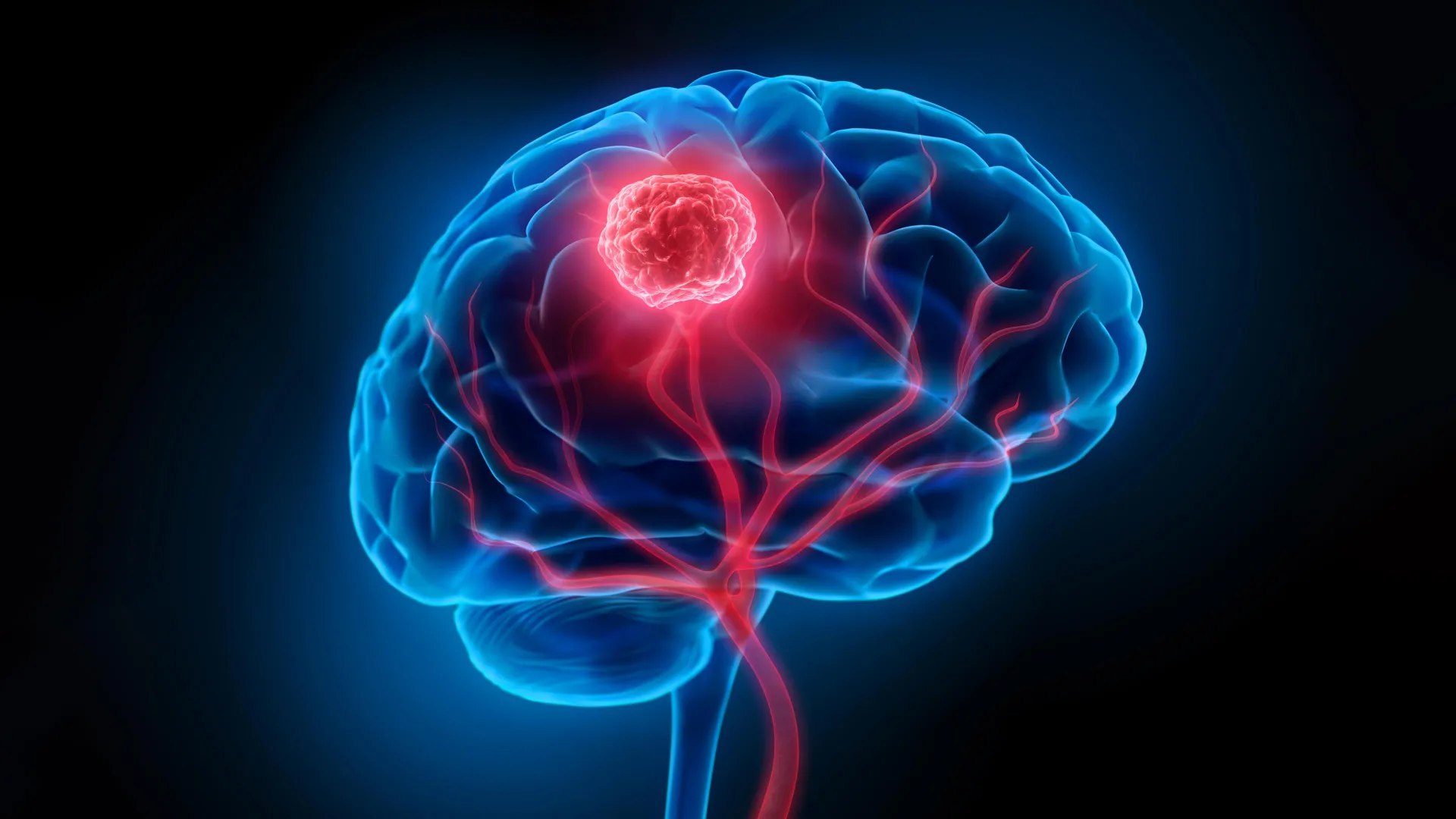
For more than half a century, the global medical community has approached oncology through the lens of warfare. The "War on Cancer," a term popularized in the 1970s, established a clinical framework centered on the systematic destruction of malignant cells. Traditional modalities—chemotherapy, radiotherapy, and more recently, aggressive immunotherapy—are designed to kill cancer cells, often at the cost of significant collateral damage to healthy tissue and the patient’s overall well-being. However, a groundbreaking study led by researchers at the Advanced Centre for Treatment, Research and Education in Cancer (ACTREC) at the Tata Memorial Centre in Mumbai, India, suggests that the future of oncology may lie not in destruction, but in a biological "healing" process.
Professor Indraneel Mittra, the Dr. Ernest Borges Chair in Translational Research, is spearheading a movement that challenges the fundamental premise of modern oncology. His team’s recent findings, published in the journal BJC Reports, indicate that a simple, low-cost combination of nutraceuticals—resveratrol and copper—may be capable of subduing even the most aggressive forms of brain cancer. By shifting the focus from killing cells to neutralizing the inflammatory triggers released by dying cells, this approach seeks to transform malignant tumors into a benign, manageable state.
The Philosophical and Biological Roots of the Healing Approach
The concept of treating cancer as a wound rather than an invader is not entirely unprecedented, though it has remained on the periphery of mainstream clinical practice for decades. In 1986, Dr. Harold Dvorak published a seminal article in the New England Journal of Medicine titled "Tumors: Wounds That Do Not Heal." Dvorak observed that the biological processes occurring within a tumor—such as the formation of new blood vessels (angiogenesis), the recruitment of immune cells, and the remodeling of the extracellular matrix—are nearly identical to the processes the body uses to heal a physical injury.
The critical difference, according to Dvorak and subsequently Professor Mittra, is that in a healthy body, the healing process has a definitive end. In cancer, the "wound" remains stuck in a state of chronic inflammation, perpetually attempting to heal but instead fueling the growth and spread of the tumor. Professor Mittra’s work builds upon this foundation, suggesting that if medicine can provide the right biological signals to "close" the wound, the cancer may lose its aggressive characteristics and revert to a less harmful state.
A Breakthrough Study in Glioblastoma Multiforme
To test this "healing" hypothesis, the ACTREC team focused on glioblastoma multiforme (GBM), the most common and most lethal primary brain tumor in adults. GBM is notorious for its rapid progression and resistance to conventional therapy. Under the current gold standard of care—which typically involves maximal surgical resection followed by the "Stupp protocol" (a combination of radiation and the chemotherapy drug temozolomide)—the median survival rate remains a sobering 15 months.
The study involved twenty patients diagnosed with glioblastoma. The cohort was divided into two groups: a treatment group of ten patients and a control group of ten patients. Those in the treatment group were administered a tablet containing small, specific doses of resveratrol (a polyphenol found in grapes) and copper (R-Cu). These patients took the tablets four times daily for a period of approximately 11.6 days leading up to their scheduled neurosurgery.
The control group, meanwhile, followed the standard pre-operative procedure without the R-Cu intervention. During surgery, tumor samples were harvested from both groups and subjected to a rigorous battery of tests, including high-resolution microscopy, immune-staining, immunofluorescence, and comprehensive transcriptome analysis.
The Role of Cell-Free Chromatin Particles (cfChPs)
The mechanism behind the R-Cu treatment centers on a phenomenon Professor Mittra has studied for years: the release of cell-free chromatin particles (cfChPs). When cells die—whether through natural processes or because of chemotherapy—they release fragments of DNA and proteins (chromatin) into the surrounding environment and the bloodstream.
In previous research, Mittra’s team demonstrated that these cfChPs are not merely waste products. Instead, they act as "onco-inflammatory" agents. When these fragments enter healthy cells or surviving cancer cells, they can trigger genomic instability, inflammation, and further malignancy. Essentially, the death of cancer cells via traditional treatment can inadvertently create a toxic environment that makes the remaining cancer more aggressive.
The combination of resveratrol and copper works as a catalyst. When these two substances interact, they generate oxygen radicals (specifically hydroxyl radicals) in a localized manner. These radicals serve to deactivate or destroy the cfChPs. By eliminating these "danger signals," the R-Cu treatment effectively lowers the inflammatory temperature of the tumor environment.
Quantitative and Qualitative Findings
The results of the analysis on the glioblastoma samples were described by the researchers as "striking." In the patients who received the R-Cu tablets, several critical markers of cancer progression and inflammation showed significant downregulation:
- Reduction in cfChPs: The most direct evidence of the treatment’s efficacy was the near-total absence of cell-free chromatin particles in the treated tumor tissues, compared to high concentrations in the control group.
- Downregulation of Immune Checkpoints: Perhaps the most significant clinical finding was the reduction in the activity of immune checkpoints, including PD-L1 and CTLA-4. These proteins are used by tumors to "blind" the immune system, preventing T-cells from attacking the cancer. By naturally downregulating these markers, the R-Cu combination may allow the body’s own defenses to recognize the tumor more effectively.
- Decreased Inflammation and Invasion: Markers such as IL-6 (a pro-inflammatory cytokine) and MMP9 (an enzyme that allows cancer cells to invade surrounding tissue) were notably lower in the treated group.
- Shift Toward Apoptosis: The analysis suggested that cell death in the treated tumors occurred primarily through apoptosis—a "clean" and programmed form of cell death—rather than necrosis, which is messy and inflammatory.
Crucially, the patients reported no side effects from the nutraceutical tablets, a sharp contrast to the debilitating nausea, fatigue, and immunosuppression associated with standard chemotherapy.
Chronology of Research and Development
The journey toward this clinical trial has been decades in the making. The timeline reflects a steady progression from theoretical biology to human application:
- 1986: Dr. Harold Dvorak publishes the "wound that never heals" theory, providing the conceptual framework for the study.
- 2000s-2010s: Professor Mittra’s laboratory at ACTREC conducts extensive in vitro (cell culture) and in vivo (animal model) studies to identify the role of cfChPs in aging, sepsis, and cancer.
- 2014-2020: Research narrows down the synergistic relationship between copper and various antioxidants, eventually settling on resveratrol as the most effective partner for generating cfChP-destroying oxygen radicals.
- 2021-2023: The pilot human study on glioblastoma patients is conducted at the Tata Memorial Centre.
- 2024: The findings are published in BJC Reports, sparking international interest in the potential of "gentle" oncology.
Addressing the Economic Crisis in Cancer Care
Beyond the biological implications, the study addresses a growing crisis in global healthcare: the astronomical cost of cancer treatment. Modern immunotherapy drugs, such as pembrolizumab (Keytruda) or nivolumab (Opdivo), are among the most expensive pharmaceuticals in the world, often costing upwards of $100,000 per year of treatment. This creates a massive disparity in survival rates between high-income nations and the Global South.
In contrast, the R-Cu combination used in the ACTREC study is made of readily available, off-patent nutraceuticals. The cost of such a treatment would be a fraction of a cent compared to monoclonal antibodies.
"We are looking at a potential shift from ‘financial toxicity’ to accessible healing," says one analyst familiar with the study’s implications. "If a low-cost tablet can achieve even a fraction of what multi-billion-dollar drugs do by targeting the same pathways—like immune checkpoints—it could democratize cancer care on a global scale."
Expert Reactions and Methodological Considerations
While the results have been received with optimism, the medical community maintains a cautious stance typical of early-phase research. The primary critique of the study is its small sample size. With only ten patients in the treatment arm, statistical significance across broader populations remains to be proven.
Oncologists not involved in the study have noted that while the biological markers moved in the right direction, the study did not measure long-term survival rates, as the R-Cu was only administered for a short window before surgery. The next logical step, experts suggest, is a large-scale, randomized Phase II/III clinical trial where patients take the R-Cu combination over months or years alongside, or following, standard treatments.
Professor Mittra acknowledges these limitations but remains confident. "The biological changes were so consistent and so dramatic across the treated samples that we expect these results to hold up in larger cohorts," he stated. He further suggested that with long-term use, the treatment might not just slow the cancer, but effectively "subdue" it into a chronic, non-lethal condition.
Future Implications: A New Way to Live with Cancer
The "healing" model of cancer treatment aligns with an emerging philosophy in medicine that views cancer as a systemic disease of the body’s environment rather than just a localized group of "bad" cells. By focusing on the "soil" (the tissue environment and cfChPs) rather than just the "seed" (the cancer cell), researchers hope to find more sustainable ways to manage the disease.
If further trials validate these findings, the implications are profound. It could lead to a future where cancer is treated similarly to hypertension or diabetes—managed through daily, non-toxic oral medications that keep the disease in check without destroying the patient’s quality of life.
The study at ACTREC, supported by the Department of Atomic Energy, Government of India, stands as a testament to the potential for innovation to emerge from outside the traditional pharmaceutical industrial complex. As the medical world continues to search for a "cure," Professor Mittra and his colleagues suggest that the answer may not be found in a more powerful weapon, but in a more sophisticated understanding of the body’s own capacity for repair. By helping the "wound" of cancer finally heal, science may have found its most potent strategy yet.
