
 By admin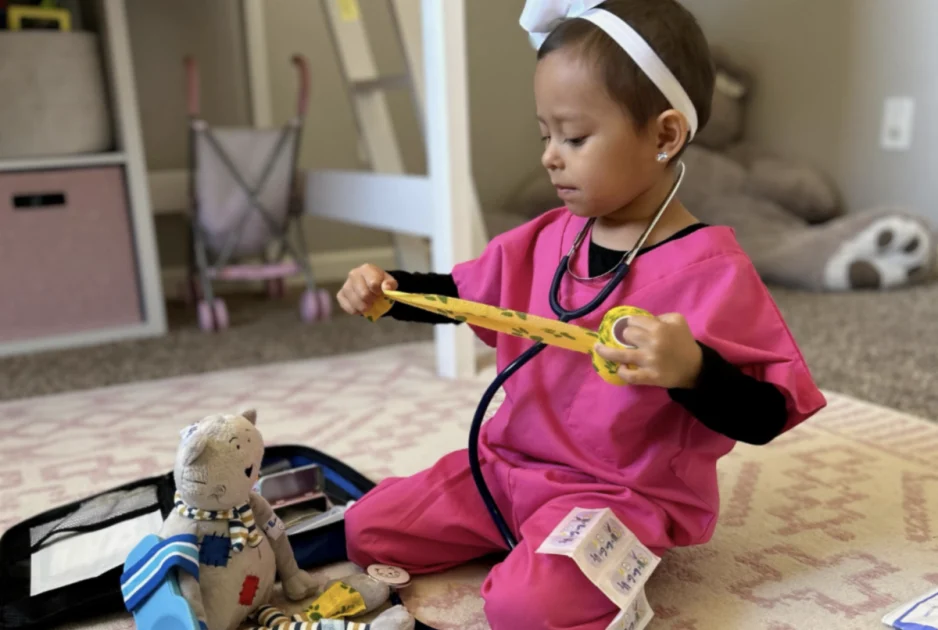
The notification of a pediatric cancer diagnosis represents a transformative crisis for family units, requiring immediate shifts in psychological, logistical, and medical management. While the initial period following a diagnosis is often characterized by acute stress and information overload, oncology experts and veteran patient advocates emphasize that the first several weeks are critical for establishing the frameworks that will sustain a family through multi-year treatment protocols. Data from the National Cancer Institute (NCI) indicates that approximately 15,000 children and adolescents under the age of 20 are diagnosed with cancer annually in the United States. Among these, Acute Lymphoblastic Leukemia (ALL) remains the most common pediatric malignancy, accounting for roughly 25 percent of all childhood cancer cases. Although survival rates for ALL have seen significant improvements, now exceeding 90 percent in many demographics, the intensity and duration of the treatment—often spanning two to three years—necessitate a highly structured approach to caregiving and advocacy.
Immediate Clinical Framework and Initial Response
Upon receiving a diagnosis, the clinical priority shifts to the stabilization of the patient and the initiation of a standardized treatment protocol. In the United States, most pediatric oncology centers utilize protocols established by the Children’s Oncology Group (COG), a National Cancer Institute-supported organization that conducts clinical trials. These protocols, often referred to as "roadmaps," provide a strictly timed schedule of chemotherapy, radiation, or surgical interventions.
Advocates, including Laura DeKraker Lang-Ree, author of The Cancer Parent’s Handbook, suggest that the first phase of management is not necessarily the mastery of medical science, but the mastery of presence and information gathering. For parents, the transition from a state of denial to one of "functional surrender"—defined as the acceptance of the current medical reality to facilitate forward movement—is a primary psychological milestone. Clinical psychologists specializing in oncology note that denial can serve as a barrier to the rapid decision-making required during the induction phase of treatment.
Effective communication with the patient is equally vital. Pediatric specialists recommend using age-appropriate, non-terrifying language to explain the diagnosis. For toddlers and preschool-aged children, the focus remains on the immediate relief of symptoms and the presence of a supportive medical team, rather than the long-term implications of the disease.
Chronology of the Post-Diagnosis Period
The timeline following a pediatric cancer diagnosis generally follows a predictable trajectory of escalation and stabilization.
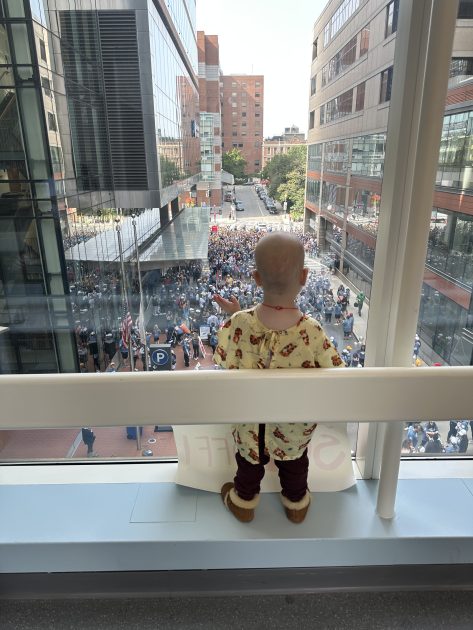
- The Crisis Phase (Days 1–7): This period is characterized by diagnostic testing, including bone marrow aspirations, lumbar punctures, and the surgical placement of a central venous catheter or port-a-cath. Families are typically inpatient during this time.
- The Information Gathering Phase (Days 7–14): Once the specific subtype of cancer is identified (e.g., B-cell vs. T-cell ALL), the long-term treatment plan is presented. This is when parents are encouraged to begin meticulous record-keeping, utilizing notebooks or digital tools to track medications, blood counts, and provider consultations.
- The Logistical Realignment (Days 14–30): This phase involves the delegation of external responsibilities. Families must engage with employers regarding the Family and Medical Leave Act (FMLA), coordinate with schools for educational accommodations (such as 504 plans or Individualized Education Programs), and establish community support networks for household maintenance.
- The "New Normal" (Months 2 and Beyond): As the initial "induction" phase of chemotherapy ends and "consolidation" begins, families transition into a routine that balances outpatient clinic visits with home-based care.
Data-Driven Insights into Parental Advocacy and Safety
The role of the parent in a pediatric oncology setting extends beyond emotional support; they serve as a vital component of the medical "quality control" team. According to the Institute for Safe Medication Practices (ISMP), the risk of medication errors in pediatric settings is higher than in adult settings due to weight-based dosing and the complexity of chemotherapy regimens.
Parental advocacy involves several key behaviors that have been shown to improve patient safety:
- Verification of Medication and Blood Products: Families are encouraged to verify patient names, blood types, and dosages on every IV bag and pill bottle before administration.
- Symptom Reporting: Parents are often the first to notice subtle behavioral or physiological changes—such as shifts in mood, appetite, or activity levels—that may indicate infection or adverse reactions to treatment.
- Provider Connections: Research suggests that a strong therapeutic alliance between the family and the medical team correlates with better treatment adherence and lower levels of caregiver distress. If a connection with a specific oncologist is not functional, seeking a secondary opinion or a different lead physician within the same institution is a recognized right of the patient’s guardians.
Logistical and Economic Management
The economic impact of a pediatric cancer diagnosis is substantial. A study published in the journal Pediatric Blood & Cancer found that nearly one-third of families experience "household material hardship," including food, housing, or energy insecurity, following a diagnosis. This is often exacerbated by one parent needing to reduce work hours or resign to provide full-time care.
To mitigate these risks, hospital social workers and Child Life Specialists serve as essential resources. These professionals assist in navigating insurance hurdles, accessing pharmaceutical assistance programs, and applying for grants from non-profit organizations. Furthermore, the legal protections provided by the FMLA allow eligible employees to take up to 12 weeks of unpaid, job-protected leave per year for serious health conditions affecting their children, though the lack of paid leave remains a significant challenge for many American families.
Community support delegation is another critical factor in preventing caregiver burnout. Experts suggest appointing a "point person" to handle external communications and coordinate logistical aid, such as meal deliveries or sibling care. This allows the primary caregivers to maintain focus on the patient without the added burden of managing social inquiries or household administration.
Institutional Responses and Broader Implications
Leading health organizations, such as the American Academy of Pediatrics (AAP) and the American Childhood Cancer Organization (ACCO), have increasingly advocated for "family-centered care." This model recognizes that the health of the child is inextricably linked to the well-being of the family unit.
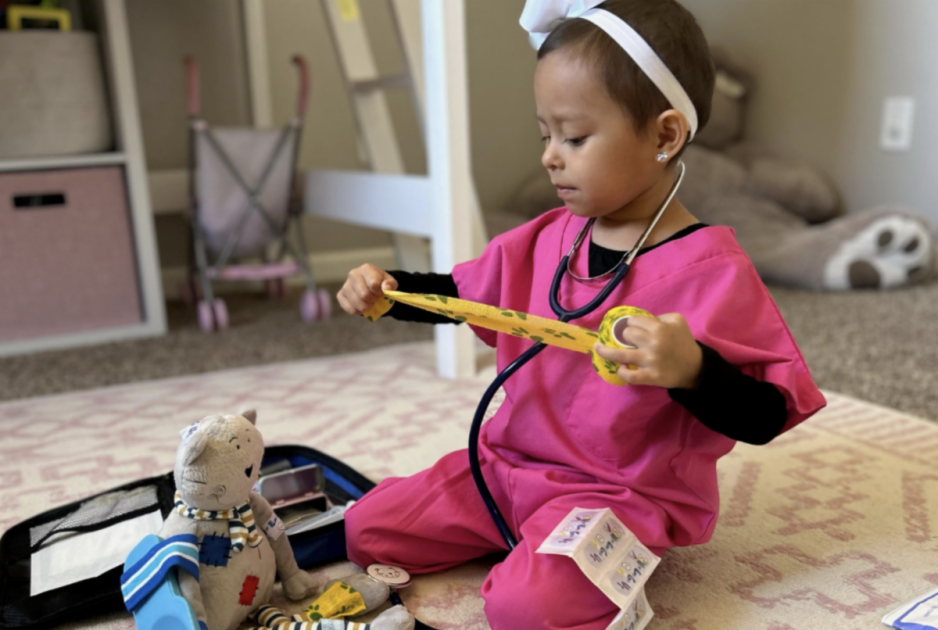
Statements from the ACCO highlight that the "invisible" victims of pediatric cancer are often the siblings and the parental relationship. Statistics indicate that the stress of a child’s chronic illness can lead to higher rates of marital strain. Consequently, clinical guidelines now frequently include recommendations for parental mental health screenings and the involvement of sibling support programs to address the psychological needs of the entire household.
The broader implications of these advocacy strategies extend to the "survivorship" phase. As pediatric cancer treatments become more successful, the focus is shifting toward long-term "late effects" management. Children who receive intensive chemotherapy or radiation require lifelong monitoring for secondary cancers, cardiac issues, and cognitive delays. Establishing a rigorous advocacy habit during the first few weeks of treatment prepares parents for the lifelong task of managing their child’s health history.
Fact-Based Analysis of Caregiver Resilience
The trajectory of a pediatric cancer journey is rarely linear. The "marathon" nature of the treatment requires a shift from short-term crisis management to long-term resilience. Analysis of successful caregiving models suggests that maintaining "boundaries" is essential. This includes upholding standard parenting practices—such as requiring manners and limiting "pity-based" indulgences—which provides the child with a sense of normalcy and security amidst the medical upheaval.
Ultimately, the first few weeks following a diagnosis are about building a sustainable infrastructure. By focusing on deep breathing, accepting the reality of the diagnosis, delegating logistical burdens, and asserting themselves as informed advocates within the medical team, parents can navigate the complexities of the oncology world. While the "dragon at the gate" represents a formidable challenge, the integration of clinical protocols with fierce, intuitive parental advocacy remains the most effective strategy for ensuring the best possible outcomes for the child.
