
 By admin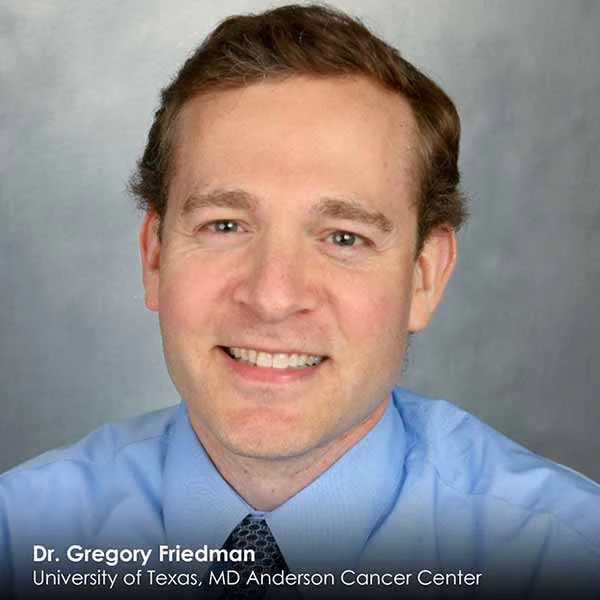
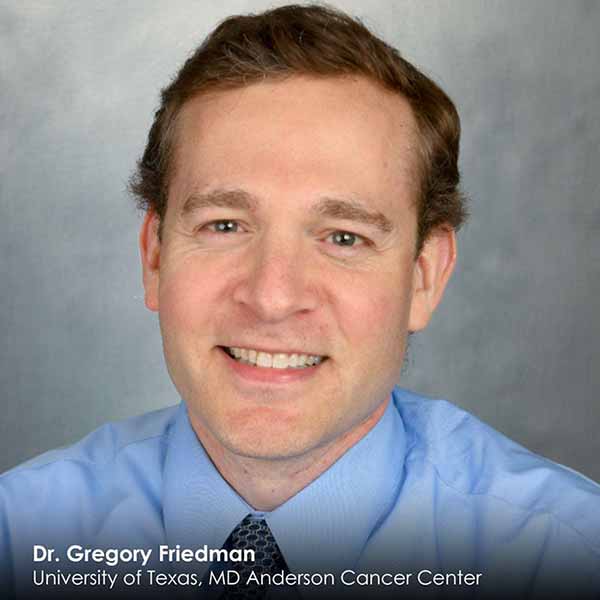
In a significant move for the global pediatric oncology community, CureSearch for Children’s Cancer has announced a strategic international partnership with LifeArc, a leading UK-based medical research charity, to co-fund a high-impact research project aimed at treating the most aggressive forms of childhood brain cancer. This collaboration focuses on the work of Dr. Gregory Friedman and his team, whose project under the CureSearch Acceleration Initiative (AI) is designed to revolutionize the therapeutic landscape for pediatric high-grade gliomas (pHGGs). By combining resources and expertise from both sides of the Atlantic, the partnership seeks to fast-track a novel immunotherapy combination from the laboratory to clinical trials, addressing a critical unmet need in pediatric medicine.
Pediatric high-grade gliomas represent some of the most challenging and devastating diagnoses in oncology. Unlike many other forms of childhood cancer that have seen survival rates climb in recent decades, pHGGs remain stubbornly resistant to conventional treatments. The median survival rate for children diagnosed with these tumors is currently less than 30%, a statistic that has seen little improvement over the last thirty years. Among these, Diffuse Intrinsic Pontine Glioma (DIPG) is particularly lethal, remaining largely incurable with a near-zero percent long-term survival rate. Current standard-of-care treatments, which typically involve aggressive radiation and chemotherapy, often result in severe long-term toxicity, cognitive impairment, and limited efficacy, underscoring the desperate requirement for innovative, targeted, and less toxic therapeutic strategies.
The Science of Innovation: Dr. Friedman’s Multi-Pronged Approach
The core of Dr. Friedman’s research lies in the development of a sophisticated combination immunotherapy. This approach is designed to harness the child’s own immune system to identify and destroy malignant cells while sparing healthy brain tissue. The treatment utilizes a two-pronged strategy: a genetically modified virus and a precision-engineered vaccine.
The first component is an oncolytic virus—a modified version of the herpes simplex virus, commonly known as the cold-sore virus. This virus has been bio-engineered to lose its ability to harm normal brain cells while retaining its capacity to infect and replicate within tumor cells. Once the virus infiltrates the tumor, it causes the cancer cells to rupture, a process that releases tumor-specific proteins into the surrounding environment.
The second component is a novel cancer vaccine known as SNAPvax. The purpose of this vaccine is to "prime" the immune system, training T-cells to recognize the specific proteins released by the dying tumor cells. By delivering the vaccine in conjunction with the virus, the researchers aim to create a sustained and aggressive immune response. This combination not only kills the tumor directly via the virus but also creates an "immune memory" that allows the body to continue fighting any remaining or recurring cancer cells.
Chronology of Development and Recent Breakthroughs
The journey of this specific research project began in 2022, when Dr. Friedman was originally granted the CureSearch AI award, with initial support provided by the Rally Foundation for Childhood Cancer Research. Since the inception of the project, the "dream team" of researchers assembled by Dr. Friedman has hit several critical milestones that have paved the way for the current partnership with LifeArc.
Early phases of the research were dedicated to identifying the ideal proteins—or antigens—within pediatric brain tumors that the vaccine should target. Precision is vital in this stage to ensure that the immune system does not mistakenly attack healthy neurons. Following the identification of these targets, the team successfully developed advanced tumor models to test the efficacy of the vaccine-virus combination.
One of the most significant findings in the project’s chronology involves the timing of administration. Dr. Friedman’s team discovered that the sequence in which the therapies are delivered is a determining factor in their success. Their data indicates that administering the SNAPvax vaccine prior to the oncolytic virus is significantly more effective than the reverse. When the vaccine is given first, it prepares the immune system to focus its attack on the tumor rather than the virus itself. This allows the virus a longer window of time to replicate and kill tumor cells before the immune system eventually clears the viral agent. This strategic sequencing is now a cornerstone of the protocol being prepared for human clinical trials.
The CureSearch Acceleration Initiative: A Data-Driven Model
The partnership between CureSearch and LifeArc is built upon the unique framework of the Acceleration Initiative. This program was specifically designed to bridge the "valley of death" in drug development—the gap between promising laboratory discoveries and the commencement of clinical trials. In the pharmaceutical industry, the translation of cancer drugs from preclinical stages to clinical trials is notoriously difficult, with an average success rate of less than 8%.
In contrast, the CureSearch AI model has demonstrated an extraordinary track record. Approximately 60% of preclinical research projects funded through this initiative successfully advance to clinical trials. This high rate of translation is attributed to a rigorous vetting process. Every project is reviewed by CureSearch’s Scientific and Industry Advisory Councils, which consist of global experts from both academia and the pharmaceutical industry. These councils evaluate projects not only on their scientific merit but also on their "developability"—the likelihood that they can be manufactured, regulated, and delivered to patients within a three-year timeframe.
By joining this initiative, LifeArc is providing more than just capital; it is providing a validation of the scientific approach. The international nature of the funding ensures that the project has the financial runway to complete the necessary safety and effectiveness testing required by regulatory bodies like the FDA in the United States and the MHRA in the United Kingdom.
Official Responses and Strategic Alignment
Leadership from both organizations has emphasized the necessity of global cooperation to solve the complexities of pediatric brain cancer. Kay Koehler, President and CEO of CureSearch, highlighted the strategic importance of expanding the co-funding model internationally. Koehler noted that because pediatric cancer research is often underfunded compared to adult cancers, innovative projects frequently stall due to a lack of resources. She expressed confidence that Dr. Friedman’s work would continue the AI program’s trend of delivering impactful, clinical-ready results.
From the British perspective, Dr. David Jenkinson, Head of Childhood Cancer at LifeArc, noted that Dr. Friedman’s project aligned perfectly with LifeArc’s mission to improve outcomes for children with cancer. LifeArc’s strategy focuses on areas of high unmet medical need, and pHGGs represent one of the most urgent frontiers in medicine. Jenkinson emphasized that the goal is not just to find treatments that work, but to find treatments that are less toxic, allowing survivors to lead healthier lives post-recovery.
The Human Cost: A Call for Moral Investment
The urgency of this research is best understood through the experiences of families who have faced these diagnoses. Namrata and Bhavesh Pandya, residents of Harrow in London, lost their 14-year-old son, Khushil, to a diffuse midline glioma (DIPG) in 2017. Their story serves as a poignant reminder of the limitations of current medical knowledge.
Despite the diagnosis, Khushil’s family fought to maintain a sense of normalcy, ensuring he could participate in school and complete his bronze Duke of Edinburgh expedition, even as his health declined. Namrata Pandya has since become a vocal advocate for increased research funding, arguing that it is a moral imperative to invest in treatments for children’s brain tumors. She points out that the current lack of knowledge regarding why these tumors happen and how to stop them is unacceptable in an era of rapid scientific advancement. For families like the Pandyas, the work being done by Dr. Friedman represents a beacon of hope that future generations will not have to endure the same loss.
Broader Impact and Future Implications
The implications of the CureSearch-LifeArc partnership extend beyond this single project. This collaboration sets a precedent for how international non-profits can pool resources to tackle rare diseases that might not be profitable for large-scale commercial pharmaceutical companies. By focusing on "de-risking" these early-stage therapies, charities like CureSearch and LifeArc make it more attractive for industry partners to eventually step in and bring these drugs to market.
Furthermore, the success of oncolytic virus and vaccine combinations in brain cancer could provide a blueprint for treating other "cold" tumors—cancers that the immune system typically ignores. If Dr. Friedman’s team can successfully demonstrate that the immune system can be trained to cross the blood-brain barrier and target gliomas, it could open the door for similar immunotherapies across the entire spectrum of pediatric and adult oncology.
As the project moves into its next phase, the focus will remain on the transition to clinical settings. Dr. Friedman is currently working with industry partners to finalize the design of a clinical trial that will test the safety and effectiveness of this combination therapy in children. With the three-year window of the Acceleration Initiative in mind, the pediatric oncology community is watching closely, hopeful that this international effort will finally move the needle for children facing the most dire of diagnoses. Through this bi-continental partnership, the path toward a future where pediatric high-grade gliomas are no longer a death sentence is becoming increasingly clear.
