
 By admin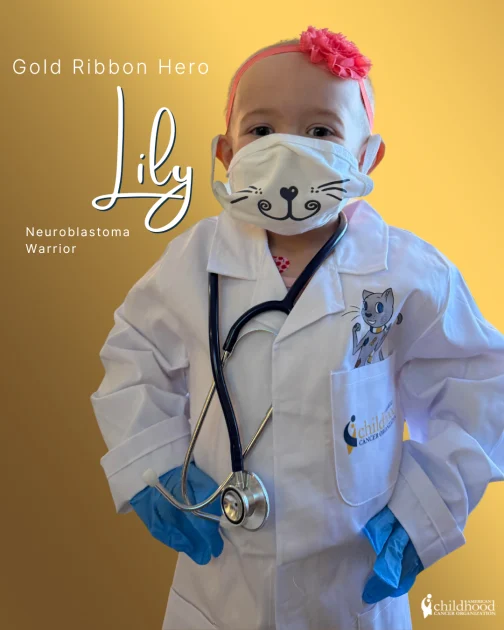
The Clinical Presentation and Initial Diagnosis
The diagnostic trajectory for Lily began when she was 18 months old, a common age for the presentation of neuroblastoma, which is most frequently diagnosed in infants and children under the age of five. The initial symptoms were non-specific, primarily manifesting as persistent stomach pain. Her family initially sought emergency medical intervention under the suspicion of severe constipation, a common misdiagnosis for abdominal neuroblastoma due to the way tumors can displace or compress the gastrointestinal tract.
Upon clinical examination and subsequent diagnostic imaging, medical professionals identified a large mass situated within her abdomen. This finding shifted the clinical focus from a gastrointestinal issue to an oncological emergency. Neuroblastoma often originates in the adrenal glands but can also develop in the nerve tissue of the abdomen, chest, neck, or pelvis. In Lily’s case, the size and location of the mass necessitated an immediate and aggressive multi-modal treatment plan.
Initial Treatment Modalities and the Path to Remission
The standard of care for high-risk neuroblastoma is among the most intensive in pediatric medicine. Lily’s treatment regimen was comprehensive, involving five distinct pillars of oncological intervention: chemotherapy, surgical resection, bone marrow transplantation, radiation therapy, and immunotherapy.
The chemotherapy phase was designed to cytoreduce the primary tumor and address any systemic micrometastatic disease. Following the reduction of the tumor mass, surgeons performed a resection to remove as much of the primary site as possible. To consolidate these efforts, Lily underwent bone marrow transplants—specifically autologous stem cell rescues—to allow for the administration of high-dose chemotherapy that would otherwise be fatal to the bone marrow.
Following the transplant phase, Lily received external beam radiation to the site of the original tumor to eliminate residual local disease. The final phase of her initial treatment involved immunotherapy, a relatively recent advancement in pediatric oncology that utilizes monoclonal antibodies to target and destroy cancer cells by flagging them for the body’s immune system. By September 2025, after months of rigorous clinical intervention, Lily was declared to be in remission, a milestone that offered a brief period of stability for the patient and her family.
The Challenge of Central Nervous System Relapse
The period of remission proved to be short-lived. In November 2025, only two months after completing her initial treatment protocol, Lily began experiencing persistent headaches. Given her medical history, these neurological symptoms prompted immediate investigation. Subsequent imaging revealed that the neuroblastoma had returned, but with a significant and dangerous shift in location: the cancer had metastasized to her brain.
A CNS relapse in neuroblastoma presents a unique set of clinical challenges. Historically, the brain was considered a "sanctuary site" for neuroblastoma because many standard chemotherapy agents do not effectively cross the blood-brain barrier. While systemic treatments may successfully clear the disease from the abdomen and bone marrow, isolated cells can sometimes survive within the central nervous system, leading to a relapse.
Upon the discovery of the brain tumor, Lily underwent emergency brain surgery to remove the mass. This was followed by the initiation of a second-line treatment protocol, which once again includes a combination of chemotherapy, immunotherapy, and targeted radiation. The management of relapsed neuroblastoma in the brain requires a delicate balance of aggressive intervention and the mitigation of long-term neurocognitive side effects.
Understanding Neuroblastoma: Supporting Data and Statistics
Neuroblastoma is the most common extracranial solid tumor in childhood, accounting for approximately 7% to 10% of all pediatric cancers. According to data from the American Cancer Society and the National Cancer Institute, there are roughly 700 to 800 new cases diagnosed each year in the United States.
The prognosis for neuroblastoma varies significantly based on the risk stratification of the patient. Factors such as the age of the patient at diagnosis, the stage of the disease, and the biological characteristics of the tumor—such as MYCN gene amplification—play a critical role in determining the intensity of treatment. While low-risk neuroblastoma has an excellent cure rate, often exceeding 95%, high-risk cases present a much steeper challenge. For children with high-risk neuroblastoma, the five-year survival rate has improved significantly over the last two decades, rising from approximately 15% in the 1990s to about 50% today, yet it remains one of the deadliest forms of childhood cancer.
Relapse remains the primary obstacle to long-term survival. Approximately 50% of high-risk neuroblastoma patients will experience a relapse or have refractory disease that does not respond to initial treatment. When a relapse occurs, particularly in the central nervous system, the clinical outlook becomes more complex, necessitating experimental trials and novel therapeutic approaches.
The Role of Advocacy and the Burden on Families
The case of patients like Lily highlights the significant emotional and financial burden placed on families. Pediatric cancer treatment often requires months of hospitalization, travel to specialized centers, and the management of complex medication schedules. Lily’s mother has described her daughter as "playful, loving, and spicy," a testament to the patient’s spirit despite the physiological toll of multiple surgeries and rounds of toxic therapies.
Advocacy organizations, such as the American Childhood Cancer Organization (ACCO), play a vital role in supporting these families. The ACCO provides resources, educational materials, and advocacy at the legislative level to increase funding for pediatric cancer research. Currently, pediatric cancer research receives a disproportionately small fraction of federal funding compared to adult cancers. Advocates argue that because the biological drivers of childhood cancers are distinct from those in adults, dedicated funding is essential to develop age-appropriate therapies that are both more effective and less toxic.
Implications for Future Pediatric Oncological Research
Lily’s ongoing battle serves as a focal point for several critical discussions in the medical community regarding the future of pediatric oncology:
- Improved Surveillance: The rapid detection of Lily’s relapse was made possible by her parents’ vigilance and the medical team’s quick response to her headaches. There is an ongoing debate regarding the frequency and type of surveillance imaging required for survivors of high-risk neuroblastoma to catch relapses at the earliest possible stage.
- Blood-Brain Barrier Penetration: Research is currently focused on developing small-molecule inhibitors and specialized delivery systems, such as convection-enhanced delivery (CED), that can bypass the blood-brain barrier to treat CNS metastases more effectively.
- Personalized Medicine: Genomic sequencing of relapsed tumors is becoming more common. By understanding the specific mutations that allow a tumor to survive initial treatment and relocate to the brain, doctors can sometimes identify targeted therapies that were not part of the original protocol.
- Long-term Survivorship: For children who survive aggressive treatment and relapse, the focus shifts to "late effects." The combination of high-dose chemotherapy, radiation, and brain surgery can impact growth, hearing, and cognitive development, requiring a multidisciplinary approach to long-term care.
Conclusion
The story of Lily is a narrative of medical persistence and the sobering reality of pediatric oncology. While the initial success of her treatment in 2025 provided a moment of hope, the subsequent relapse illustrates the volatile nature of neuroblastoma. As Lily continues her current regimen of chemotherapy, immunotherapy, and radiation, her case remains a call to action for the medical and global community.
The necessity for increased research funding, the development of more effective treatments for relapsed disease, and the support of families navigating these crises remain paramount. Lily’s journey is not just a personal struggle but a representative case of the hundreds of children who face similar diagnoses every year. Through continued clinical innovation and advocacy, the goal remains to transform high-risk neuroblastoma from a life-threatening diagnosis into a manageable and, ultimately, curable condition for all young patients.
