
 By admin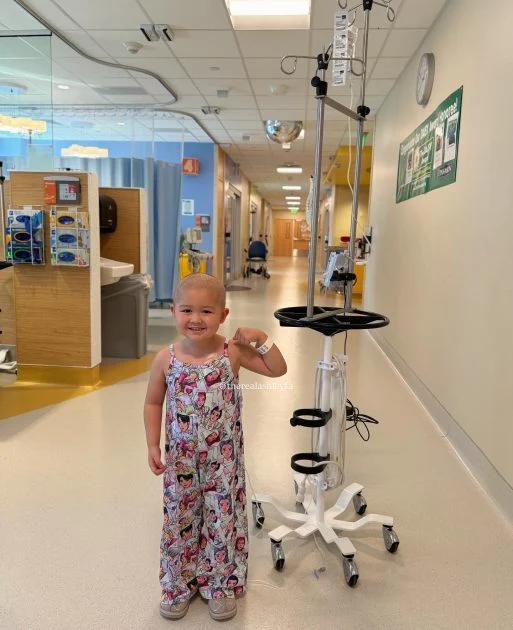
The selection of four-year-old Rylee as a 2026 Ambassador for the American Childhood Cancer Organization (ACCO) highlights a narrative defined by maternal persistence, the complexities of pediatric oncology, and the resilience of a family navigating a medical crisis during a military deployment. Rylee, who was diagnosed with Acute Lymphoblastic Leukemia (ALL) in August 2024, has become a symbol of the "Gold Ribbon" movement, representing the thousands of children diagnosed with cancer annually in the United States. Her journey, documented by her mother Ashley, serves as a poignant case study in the importance of parental advocacy within the healthcare system and the logistical hurdles faced by military families when life-threatening illnesses strike.
The diagnostic odyssey for the Ta family began with a series of non-specific symptoms that are frequently misattributed to common childhood ailments. For several days, Rylee exhibited a deteriorating condition characterized by fevers, chills, body aches, a swollen eye, and enlarged lymph nodes. Despite multiple visits to Urgent Care facilities and Emergency Rooms, medical professionals initially dismissed the severity of the situation, suggesting minor infections or seasonal allergies. This phenomenon, often referred to in medical circles as a diagnostic delay, is a common hurdle for pediatric cancer patients, as symptoms of leukemia often mimic those of viral infections or inflammatory conditions.
However, Ashley Ta’s insistence on further testing proved to be the turning point in Rylee’s care. On August 6, 2024, after returning to the hospital for the fourth time, Mrs. Ta demanded a comprehensive blood panel. The results, delivered at 5:00 PM that evening, confirmed every parent’s greatest fear: Rylee had leukemia. The diagnosis came at a time of extreme emotional vulnerability for the family, as Rylee’s father, Jacob, was deployed overseas with the military. This left Ashley to manage the immediate aftermath of the news—and the subsequent emergency ambulance transport to a specialized pediatric facility in Denver—entirely on her own.
The Pathophysiology and Prevalence of Acute Lymphoblastic Leukemia
Acute Lymphoblastic Leukemia is the most common form of childhood cancer, accounting for approximately 25% of all cancer diagnoses in children under the age of 15. It is a type of cancer of the blood and bone marrow that affects white blood cells. Specifically, ALL occurs when the bone marrow makes too many immature lymphocytes (a type of white blood cell). These abnormal cells crowd out healthy white blood cells, red blood cells, and platelets, leading to the symptoms Rylee experienced: bruising (due to low platelets), bone pain (due to marrow overcrowding), and persistent fevers (due to the inability to fight infection).
According to data from the National Cancer Institute, while ALL is a devastating diagnosis, it also represents one of the greatest success stories in modern oncology. In the 1960s, the five-year survival rate for pediatric ALL was less than 10%. Today, due to advancements in multi-agent chemotherapy and targeted biological therapies, the five-year survival rate exceeds 90%. However, this high success rate comes at the cost of an intensive, multi-year treatment regimen that places significant physical and emotional strain on the patient and their family.
A Chronology of Treatment and the Fight for Remission
Rylee’s first week of treatment was a harrowing introduction to the realities of pediatric oncology. Within seven days of her diagnosis, she underwent a series of invasive procedures designed to both stabilize her condition and begin the eradication of the leukemic cells. These included:
- Port-a-Cath Placement: A surgical procedure to install a device under the skin, allowing for easy access to veins for chemotherapy and blood draws.
- Bone Marrow Biopsy: A procedure to determine the extent of the leukemia within the marrow.
- Lumbar Puncture with Intrathecal Chemotherapy: The injection of chemotherapy drugs directly into the spinal fluid to prevent the cancer from spreading to the central nervous system.
- Transfusions: Rylee required three blood transfusions and two platelet transfusions to address the severe anemia and clotting issues caused by the disease.
- Induction Chemotherapy: The commencement of high-dose chemical agents intended to kill the majority of the cancer cells.
By early September 2024, the family received the first piece of positive news: Rylee was officially in remission. In clinical terms, remission for ALL means that leukemia cells are no longer visible in the bone marrow under a microscope, and the blood counts have returned to a safer range. While this is a critical milestone, it does not signify the end of treatment. To prevent a relapse, patients must undergo a "consolidation" phase and a lengthy "maintenance" phase. Rylee’s medical team has outlined a treatment trajectory that extends through October 2027, highlighting the marathon-like nature of pediatric cancer recovery.
Innovative Therapies and the Superhero Backpack
In October 2024, Rylee began treatment with Blinatumomab, often referred to by its brand name Blincyto. This represents a shift in modern cancer treatment toward immunotherapy. Unlike traditional chemotherapy, which attacks all rapidly dividing cells (including healthy ones), Blinatumomab is a bispecific T-cell engager (BiTE). It works by directing the body’s own immune system—specifically T-cells—to target and destroy B-cell leukemia cells by binding to the CD19 protein on their surface.
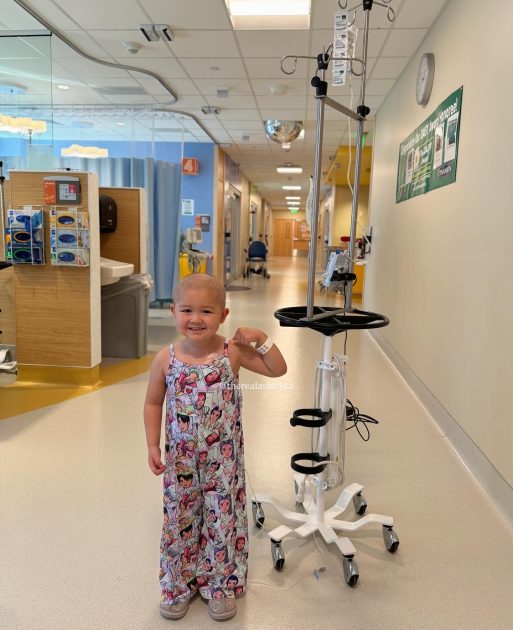
The administration of Blinatumomab requires a continuous 28-day infusion. To maintain a sense of normalcy for a four-year-old, the medication is housed in a portable pump carried in a small backpack. For Rylee, this became her "superhero backpack," a psychological reframing that allowed her to continue playing, riding her bike, and interacting with her siblings despite being tethered to life-saving medication 24 hours a day.
The Role of the American Childhood Cancer Organization
Rylee’s appointment as the 2026 ACCO Ambassador underscores the vital role of non-profit support systems in the pediatric cancer landscape. The ACCO, founded in 1970 by parents of children with cancer, focuses on providing resources that address the unique needs of young patients. One such resource is the Medical Play Kit, which Rylee received during her treatment.
Medical play is a recognized therapeutic technique used to help children process their medical experiences. By using toy stethoscopes, bandages, and syringes on dolls or stuffed animals, children like Rylee can regain a sense of agency in an environment where they often feel powerless. In a video shared by her mother, Rylee expressed excitement over the kit, declaring she was "Dr. Ta," a moment that healthcare professionals identify as a crucial step in a child’s emotional coping mechanism. These kits, along with "Cozy the Port-a-Cat" (a stuffed animal with a functional port), are provided free of charge to families, funded by public donations and advocacy efforts.
Broader Implications: Advocacy and the Military Family Burden
The Ta family’s story brings to light two significant systemic issues: the necessity of trusting parental intuition and the unique challenges faced by military families during medical emergencies.
Ashley Ta’s message to other parents—"Trust your gut"—is backed by various studies on parental involvement in pediatric care. Research published in journals like Pediatrics suggests that parents are often the first to notice subtle changes in a child’s behavior or physical state that may not be immediately apparent during a brief clinical examination. The Ta case highlights the need for medical systems to listen more closely to primary caregivers, potentially reducing the time to diagnosis and improving outcomes.
Furthermore, the deployment of Rylee’s father, Jacob, illustrates the "silent" struggle of military families. When a service member is deployed, the remaining spouse functions as a single parent. When a catastrophic illness is added to that dynamic, the stress is compounded. While organizations like the American Red Cross and military family readiness groups provide some support, the emotional toll of receiving a cancer diagnosis while a spouse is thousands of miles away is a profound burden that requires specialized social and psychological support systems.
Analysis of the Road Ahead
As Rylee continues her treatment through 2027, her role as an ACCO Ambassador will involve raising awareness for the "Gold Ribbon," the international symbol for childhood cancer. Unlike the pink ribbon for breast cancer, the gold ribbon often receives less public attention and research funding. Advocates argue that because pediatric cancers are biologically different from adult cancers, they require specialized research and dedicated federal funding.
Rylee’s journey from a misdiagnosed child with "allergies" to a remission-status warrior and national ambassador is a testament to the progress of medical science and the power of a mother’s voice. However, her story also serves as a reminder that for thousands of families, the battle does not end with the word "remission." It continues through years of chemotherapy, immunotherapy, and the constant vigilance against relapse.
Through her platform on social media and her work with the ACCO, Rylee and her mother continue to document the "beautiful and honest" reality of the cancer journey. Their efforts contribute to a broader understanding of the disease, advocating for a future where early detection is the norm and where no parent has to fight alone to be heard by the medical establishment. As Rylee lightens up rooms with her smile and hosts tea parties in between treatments, she remains a living reminder that while kids can’t fight cancer alone, with the right support, they can fight it with the spirit of a superhero.
