
 By admin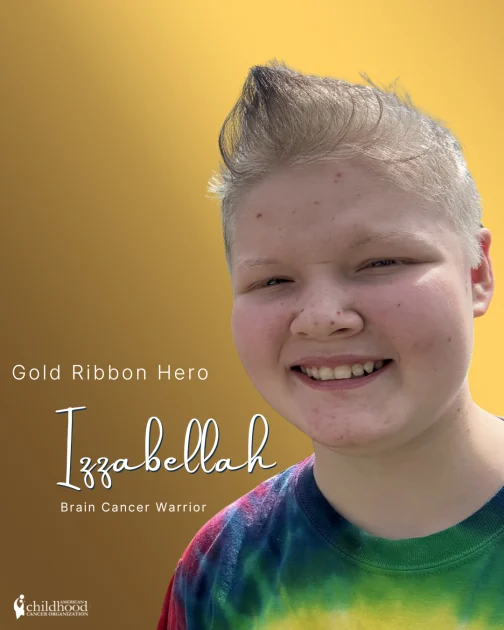
The diagnosis of a pediatric brain tumor represents one of the most harrowing transitions a family can experience, moving from the routine concerns of childhood development to the high-stakes environment of neurosurgery and oncology. For Izzabellah “Bellah,” a young girl whose life was recently upended by a series of neurological symptoms, this transition began not with a sudden crisis, but with four months of persistent, worsening headaches. These symptoms, often dismissed in pediatric primary care as tension or migraine, eventually led to an MRI that revealed a life-altering reality. Bellah’s journey, characterized by multiple surgeries, aggressive chemotherapy, and radiation, serves as a poignant case study in the resilience of pediatric patients and the systemic challenges inherent in treating childhood brain cancers.
The Diagnostic Path and Initial Intervention
The clinical progression of Bellah’s case began with a period of diagnostic uncertainty. Headaches are a common complaint in pediatric medicine, yet when they persist and intensify over a four-month period, they often indicate underlying intracranial pressure. For Bellah’s mother, Natalie, the moment of realization came during a routine MRI appointment. Upon viewing the initial scans, the medical staff recognized the severity of the situation immediately. Within an hour of the scan, the family was notified of the findings and directed to a regional hospital, which quickly facilitated a transfer to Riley Children’s Hospital in Indianapolis, a facility known for its specialized pediatric neuro-oncology unit.
Upon arrival at Riley Children’s Hospital, the medical team moved swiftly to address the primary threat. Surgeons performed the first of what would become a series of interventions to remove the initial tumor. However, the complexity of pediatric brain cancer often involves the discovery of secondary growths or metastatic spread. Shortly after the first procedure, additional tumors were identified, necessitating a long-term, multi-modal treatment strategy. This shift from a single surgical solution to a chronic management plan is a common trajectory for many "brain cancer warriors," requiring a pivot from acute recovery to sustained endurance.
A Chronology of Treatment: Chemotherapy and Radiation
The clinical management of Bellah’s condition was exhaustive. Following the initial surgery, she was placed on a regimen of oral chemotherapy that lasted 13 months. Oral chemotherapy, while offering the benefit of being administered outside of a hospital setting, still carries a significant burden of side effects, including nausea, fatigue, and immunosuppression. The goal of this phase was to stabilize the remaining tumor sites and prevent further growth.
Despite the lengthy chemotherapy cycle, the persistence of the disease required a second brain surgery. The necessity of repeat neurosurgery highlights the delicate balance surgeons must maintain between removing malignant tissue and preserving vital cognitive and motor functions. Following the second surgery, the medical team intensified the protocol, prescribing eight weeks of localized radiation therapy. Radiation in pediatric patients is a carefully calibrated process, as the developing brain is particularly sensitive to ionizing radiation. The treatment aims to destroy residual cancer cells but carries risks of long-term "late effects," including hormonal imbalances and cognitive shifts.
Following the conclusion of the radiation cycle, Bellah returned to chemotherapy to ensure the highest possible level of systemic control. This cyclical nature of treatment—moving from surgery to systemic therapy to localized therapy and back—is a hallmark of modern pediatric oncology, where the objective is to achieve remission while managing the cumulative toxicity of the treatments themselves.
The Landscape of Pediatric Brain Cancer: Supporting Data
Bellah’s story is situated within a broader national context of pediatric health. According to data from the National Cancer Institute (NCI) and the American Childhood Cancer Organization (ACCO), brain and other central nervous system (CNS) tumors are the most common solid tumors in children, accounting for approximately 20 percent of all pediatric cancers. Furthermore, they are the leading cause of cancer-related deaths among children and adolescents under the age of 19.
Statistically, approximately 4,000 children and adolescents in the United States are diagnosed with a primary brain or CNS tumor each year. While survival rates have improved significantly over the last three decades due to advancements in neuro-imaging and surgical techniques, the five-year survival rate remains highly dependent on the specific type of tumor. For example, low-grade gliomas have a high survival rate, whereas more aggressive tumors like glioblastoma multiforme or certain types of medulloblastoma present much more difficult prognoses.
The financial and social cost of these treatments is also significant. A study published in the Journal of Clinical Oncology notes that families of children with brain tumors often face "financial toxicity," characterized by the high cost of specialized medications, travel to regional centers of excellence like Riley Children’s Hospital, and the loss of income as parents become full-time caregivers.
The Social and Psychological Toll of Chronic Illness
Beyond the physiological battle, Bellah’s experience sheds light on the profound social isolation that often accompanies pediatric cancer. The "side effects" of treatment are not merely physical; they are social and developmental. For a young student, missing school for months at a time leads to a disconnect from peer groups. Bellah faced the difficult reality of losing friends and missing out on the foundational social experiences of adolescence.
Medical professionals refer to this as the "psychosocial burden" of cancer. While the patient is fighting for their life, their world often shrinks to the confines of hospital rooms and treatment centers. The loss of a "normal" childhood can lead to depression, anxiety, and a sense of alienation. In Bellah’s case, she countered this isolation through digital advocacy. By creating short videos and blogs, she reclaimed her narrative, using her journey as a platform to encourage others and maintain a connection to the outside world. This form of "narrative medicine" has been shown to improve psychological outcomes for pediatric patients, providing them with a sense of agency in a situation where they have very little control.
Institutional Responses and the Role of Specialized Care
The role of institutions like Riley Children’s Hospital and advocacy groups like the ACCO cannot be overstated. Specialized pediatric hospitals provide more than just medical intervention; they offer a multidisciplinary approach that includes child life specialists, social workers, and educational liaisons. These professionals work to bridge the gap between the hospital and the classroom, ensuring that patients like Bellah do not fall behind academically or socially.
Statements from pediatric oncology advocates emphasize that "kids can’t fight cancer alone." This mantra reflects the necessity of a robust support system involving family, medical professionals, and the community. Organizations such as the ACCO focus on providing resources that are specifically tailored to the needs of children, such as age-appropriate explanations of medical procedures and peer support networks. These resources are vital because pediatric cancer is biologically and psychologically distinct from adult cancer, requiring a specialized framework of care.
Broader Implications and the Path Toward Resilience
Today, Bellah’s status as a "warrior" is evidenced by her return to a semblance of normalcy, albeit a normalcy reshaped by her experiences. She continues her education while simultaneously working as an activity aide at a local nursing facility. This choice of employment is particularly symbolic; having spent a significant portion of her youth receiving care, she has transitioned into a role where she provides care and engagement for others. This "resilience trajectory" is a testament to the capacity of pediatric survivors to integrate their trauma into a productive and empathetic future.
However, the story of a cancer survivor does not end with the conclusion of active treatment. The medical community is increasingly focused on the "survivorship phase," which involves monitoring for late effects and secondary malignancies that can appear years or even decades after treatment. For Bellah and thousands of others, the journey involves lifelong vigilance and a continued need for research into less toxic, more targeted therapies.
The implications of Bellah’s journey extend to the legislative and research arenas. Advocacy for increased federal funding for pediatric cancer research remains a critical priority. Currently, a small fraction of the National Cancer Institute’s budget is dedicated specifically to pediatric cancers, despite the fact that these diseases result in the loss of many "person-years" of life. Bellah’s resilience highlights the potential of every child diagnosed with this disease, reinforcing the argument that investment in pediatric oncology is an investment in the future workforce and the social fabric of the nation.
In conclusion, the story of Izzabellah “Bellah” is more than a personal narrative of survival; it is a reflection of the current state of pediatric oncology in America. It illustrates the critical importance of early diagnosis, the necessity of specialized regional medical centers, and the enduring need for comprehensive psychosocial support. As Bellah continues to balance her studies with her work at a nursing facility, she stands as a representative of the hope that exists within the childhood cancer community—a hope that is sustained by medical innovation, family dedication, and the indomitable spirit of the children themselves. Through continued public support and scientific advancement, the goal remains to ensure that no child has to face the "war" of cancer without every possible resource at their disposal.
