
 By George Ongkojoyo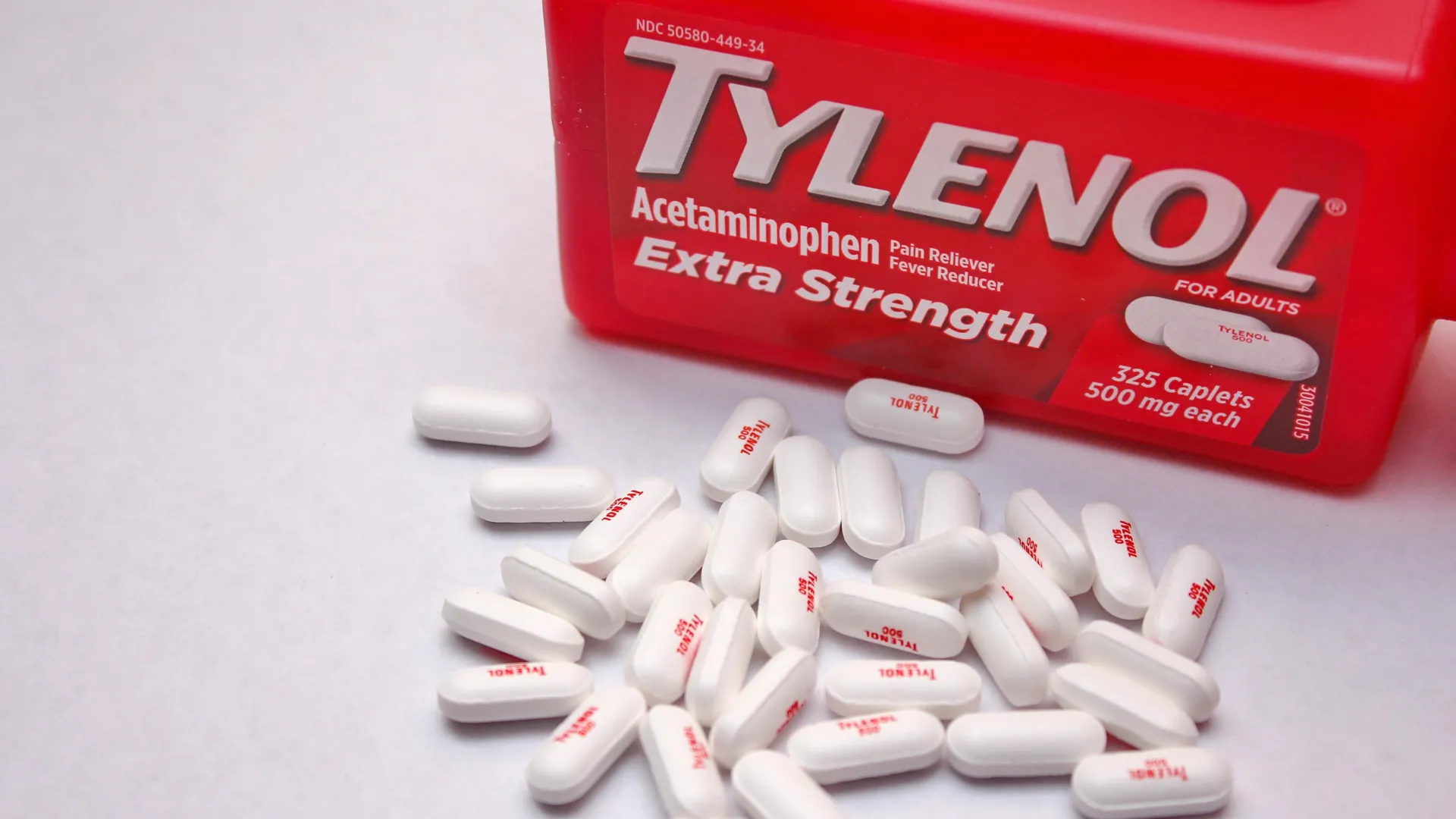
Ibuprofen and acetaminophen, two of the most ubiquitous over-the-counter medications used globally to manage pain and fever, have been identified as unexpected catalysts in the burgeoning crisis of antimicrobial resistance (AMR). New research conducted by the University of South Australia (UniSA) has revealed that these common household staples, when used alongside antibiotics, can significantly increase the rate of bacterial mutations, rendering treatments less effective. This discovery challenges the traditional understanding of antibiotic resistance, which has historically focused almost exclusively on the overuse and misuse of antibiotic drugs themselves.
The study, the first of its kind to investigate the synergistic effects of non-antibiotic medications on bacterial evolution, focused on the interaction between common painkillers, the broad-spectrum antibiotic ciprofloxacin, and Escherichia coli (E. coli). The findings indicate that ibuprofen and acetaminophen do not merely drive resistance in isolation but actually amplify the process when administered together. As the medical community grapples with the rising threat of "superbugs," these results suggest that the medicine cabinets of millions of people may contain substances that are inadvertently fueling one of the world’s most significant health threats.
The Mechanics of Bacterial Mutation and Resistance
To understand the implications of the UniSA study, it is necessary to examine how bacteria like E. coli respond to external stressors. E. coli is a common bacterium found in the human gut, and while many strains are harmless, others are responsible for severe gastrointestinal distress, urinary tract infections (UTIs), and life-threatening sepsis. When bacteria are exposed to an antibiotic like ciprofloxacin, the goal of the medication is to inhibit the bacteria’s ability to replicate or to destroy its cellular structure.
However, bacteria are highly adaptive organisms. Under the stress of an antibiotic, they can undergo genetic mutations that allow them to survive. The UniSA research team discovered that when E. coli was exposed to ciprofloxacin in the presence of ibuprofen and acetaminophen, the frequency of these genetic mutations increased dramatically. This heightened mutation rate allowed the bacteria to evolve more rapidly, developing defenses that made them highly resistant to the antibiotic.
Perhaps most concerning was the discovery of "cross-resistance." The researchers observed that the bacteria did not just become resistant to ciprofloxacin; they also developed increased resistance to multiple other classes of antibiotics. This suggests that the interaction of common painkillers with one antibiotic can create a multi-drug resistant strain, complicating future treatment options for a wide array of infections.
Biological Defenses: The Role of Efflux Pumps
The UniSA study delved into the specific genetic mechanisms that facilitate this resistance. Associate Professor Rietie Venter, the lead researcher, explained that ibuprofen and paracetamol (acetaminophen) appear to activate the bacteria’s natural defense systems. Specifically, these non-antibiotic drugs trigger the bacteria to enhance their "efflux pumps."
Efflux pumps are biological machines located within the cell membranes of bacteria. Their primary function is to identify and expel toxic substances—including antibiotics—before they can cause damage to the cell. By activating these pumps, ibuprofen and acetaminophen essentially help the bacteria "vomit out" the antibiotic, rendering the treatment ineffective. This mechanism allows the bacteria to survive even in the presence of what should be a lethal dose of medication, giving them the time and environment necessary to replicate and spread.
The Polypharmacy Crisis in Aged Care
The study’s findings have immediate and serious implications for clinical practice, particularly in residential aged care facilities. Older populations are frequently subject to "polypharmacy," a condition where a patient is prescribed multiple medications concurrently to manage various chronic conditions. In these settings, it is common for a resident to be taking antibiotics for a recurring infection while simultaneously being prescribed drugs for pain, inflammation, hypertension, and diabetes.
The researchers assessed nine medications frequently used in aged care to determine their impact on antibiotic efficacy:
- Ibuprofen: An anti-inflammatory used for general pain relief.
- Acetaminophen (Paracetamol): Used for pain and fever management.
- Diclofenac: A non-steroidal anti-inflammatory drug (NSAID) often used for arthritis.
- Furosemide: A diuretic used to treat high blood pressure and fluid retention.
- Metformin: A primary medication for managing high blood sugar in Type 2 Diabetes.
- Atorvastatin: A statin used to lower cholesterol and prevent cardiovascular disease.
- Tramadol: An opioid pain medication typically used for post-surgical recovery.
- Temazepam: A sedative used to treat insomnia and sleeping problems.
- Pseudoephedrine: A common decongestant used for respiratory symptoms.
The study highlighted that residential aged care facilities are "ideal breeding grounds" for antibiotic-resistant gut bacteria due to the sheer volume and variety of medications being administered. When a resident takes a combination of these drugs, the gut environment becomes a laboratory for bacterial evolution. Associate Professor Venter noted that while antibiotics have been the cornerstone of treating infectious diseases for decades, the focus must now expand to include how non-antibiotic drugs influence the microbial landscape.
Global Context: The Growing Shadow of Antimicrobial Resistance
The World Health Organization (WHO) has classified antimicrobial resistance as one of the top ten global public health threats facing humanity. The statistics are stark: in 2019, bacterial resistance was directly responsible for an estimated 1.27 million deaths globally and contributed to nearly 5 million additional deaths. Without significant intervention, some experts predict that AMR could cause 10 million deaths annually by 2050, surpassing cancer as a leading cause of mortality.
The economic impact is equally devastating. AMR leads to longer hospital stays, the need for more expensive and intensive care, and a higher rate of treatment failure. In many parts of the world, common infections that were once easily cured with a week of pills are becoming increasingly difficult, and sometimes impossible, to treat.
The UniSA study adds a new layer of complexity to the global strategy against AMR. For years, "antibiotic stewardship" programs have focused on reducing unnecessary prescriptions for viral infections and ensuring patients complete their full courses of medication. While these efforts remain vital, the realization that common painkillers can accelerate resistance suggests that the scope of stewardship must be broadened to include the management of over-the-counter and non-antibiotic prescription drugs.
A Chronology of Antibiotic Development and Declining Efficacy
To appreciate the gravity of these findings, one must look at the timeline of antibiotic history. The "Golden Age" of antibiotics began with Alexander Fleming’s discovery of penicillin in 1928, followed by its mass production in the 1940s. For several decades, new classes of antibiotics were discovered regularly, providing doctors with a robust arsenal against infection.
However, since the late 1980s, there has been a "discovery void." No new classes of antibiotics have been successfully brought to market that can effectively target Gram-negative bacteria like E. coli. As the development of new drugs slowed, the rate of resistance accelerated. The introduction of broad-spectrum antibiotics like ciprofloxacin in the 1980s was a major milestone, but within years, resistance began to emerge.
The UniSA research represents a pivotal moment in this timeline. It marks a shift from looking at antibiotics in a vacuum to understanding the "interactome"—the complex web of interactions between various drugs, the human host, and the bacterial populations. This research suggests that our reliance on common painkillers during the "discovery void" may have been a silent contributor to the declining efficacy of our remaining antibiotic treatments.
Analysis of Implications and Future Directions
The implications of this study are multifaceted, affecting clinical guidelines, pharmaceutical labeling, and public health policy. One of the primary concerns raised by Associate Professor Venter is that the risk of using multiple medications must be more carefully considered by healthcare providers.
"This doesn’t mean we should stop using these medications," Assoc Prof Venter emphasized, "but we do need to be more mindful about how they interact with antibiotics." This mindfulness involves a shift in how doctors prescribe treatments for the elderly and those with chronic illnesses. It may lead to a future where "drug holidays" or more specific timing of doses are used to minimize the window where painkillers and antibiotics are present in the gut simultaneously.
Furthermore, the study calls for a significant increase in research. Most drug interaction studies focus on "two-drug combinations" and their effects on human metabolism or toxicity. Very few look at how these combinations affect the bacteria living within the human body. The UniSA team is calling for broader investigations into drug interaction regimes for anyone on long-term medication, aiming to create a comprehensive map of how various chemicals influence bacterial behavior.
From a regulatory standpoint, this research could eventually lead to updated warnings on medication packaging. If certain painkillers are known to reduce the effectiveness of antibiotics, both patients and pharmacists need to be aware of the risk. It also highlights the need for better diagnostic tools in aged care to ensure that when antibiotics are used, they are precisely targeted to the infection, reducing the "collateral damage" to gut bacteria.
Conclusion
The University of South Australia’s research serves as a sobering reminder that the battle against antibiotic resistance is more complex than previously imagined. By uncovering the role of ibuprofen and acetaminophen in driving bacterial mutations, the study opens a new front in the effort to preserve the effectiveness of modern medicine. As the global community works to mitigate the threat of AMR, the focus must now extend beyond the pharmacy’s antibiotic shelf to the common painkillers found in almost every household. The path forward requires a holistic approach to medicine, where the interactions of all drugs are considered in the fight to prevent a post-antibiotic era.
